
Pasta Recipes: Easy Tips, Classic Dishes, and Insider Secrets
If you love a good plate of pasta but get stuck on the details, you’re in the right spot. We’ll walk through the basics you need to cook pasta like an Italian, from the water you boil to the sauces you pair. No fluff, just practical advice you can try tonight.
Start with the Right Water
The first step most people overlook is the pasta water. Salted water does more than season – it adds starch that helps sauce cling. A good rule is to use about 4‑5 litres of water per 500 g of pasta and add roughly 1‑2 tablespoons of sea salt. Don’t be shy; the water should taste like the sea. As you cook, reserve a cup of that starchy liquid before draining. You’ll use it to thin sauces, bring everything together, and avoid a dry plate.
Why keep the water? It creates an emulsion that binds the sauce to the pasta, giving you that silky finish you see in restaurant dishes. Toss the cooked pasta back into the pot with a splash of the reserved water, then mix in your sauce. You’ll notice the sauce sticks better and the flavor feels richer.
Master the Big Four Classic Italian Dishes
Every home chef should have the four iconic recipes under their belt: Carbonara, Cacio e Pepe, Amatriciana, and Gricia. Each relies on just a handful of ingredients, yet the technique makes all the difference. For Carbonara, use guanciale, Pecorino, and fresh eggs. The secret is to combine the hot pasta with the egg‑cheese mixture off the heat, so you get a creamy sauce without scrambling the eggs.
Cacio e Pepe is the ultimate test of timing. Cook spaghetti al dente, then toss it with Pecorino Romano, plenty of black pepper, and enough pasta water to create a glossy coating. The 10‑100‑1000 rule—10 grams of salt, 100 ml of water, 1000 ml of cooking liquid—helps you nail the perfect balance.
Amatriciana brings in tomatoes and pecorino for a sweet‑spicy punch, while Gricia is essentially a dry Carbonara without the eggs. Knowing these four gives you a solid foundation to experiment with other regional dishes, like Sicilian pasta with raisins and pine nuts or Rome’s simple yet bold spaghetti alla carbonara.
Each recipe highlights one core principle: let the pasta itself shine. Use high‑quality durum wheat pasta, respect the cooking time, and finish with a drizzle of good olive oil or a splash of the reserved water.
Beyond the classics, think about toppings that Italians actually use. Real Italian pasta isn’t drowned in heavy cream; it’s topped with fresh herbs, a good cheese, and sometimes a handful of toasted breadcrumbs for crunch. When you add extras like anchovies, olives, or capers, keep them simple so they enhance rather than overpower the dish.
Finally, remember that practice makes perfect. Try cooking a different shape each week—spaghetti, bucatini, or penne—to see how each holds sauce. Pair shapes with sauces that match: thin sauces for long strands, chunky sauces for ridged pasta. You’ll quickly learn what works best for your taste.
Ready to level up your pasta game? Grab a pot, salt the water, and start with one of the classic recipes. With the right water, a few simple rules, and a dash of enthusiasm, you’ll turn any night into a genuine Italian feast.
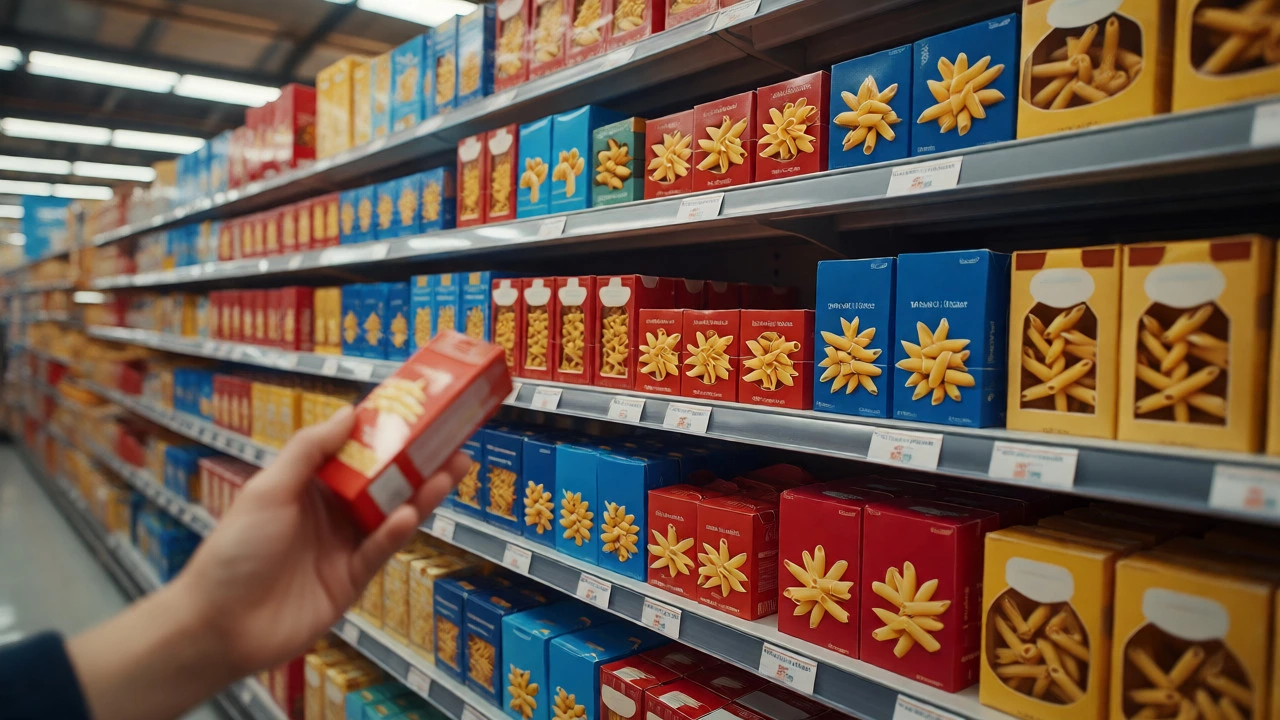
What Is the Most Sold Pasta in the US? Top Shapes & Brands
Discover what is the most sold pasta in the US. We analyze top shapes like spaghetti, rotini, and penne, plus leading brands like Ronzoni and Kraft.
More Detail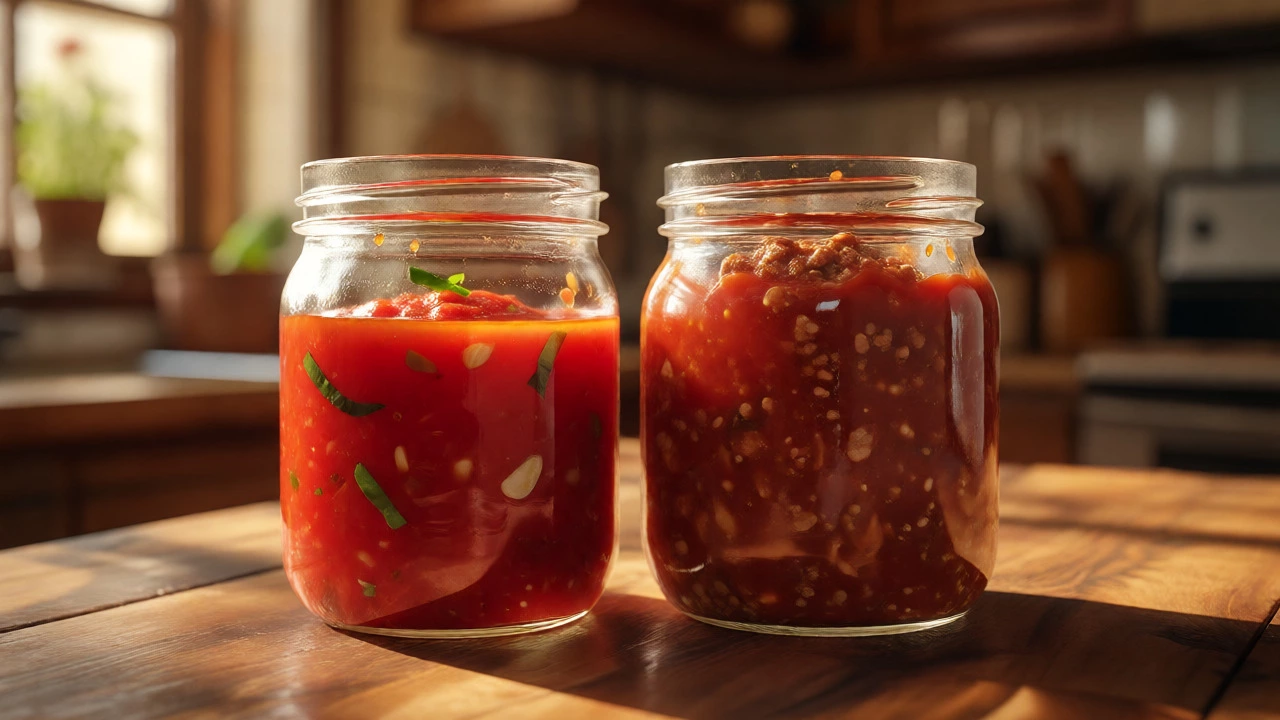
Spaghetti Sauce vs. Marinara: Key Differences Explained
Confused by spaghetti sauce and marinara? Discover the key differences in ingredients, cooking time, and texture. Learn when to use each for the perfect pasta dish.
More Detail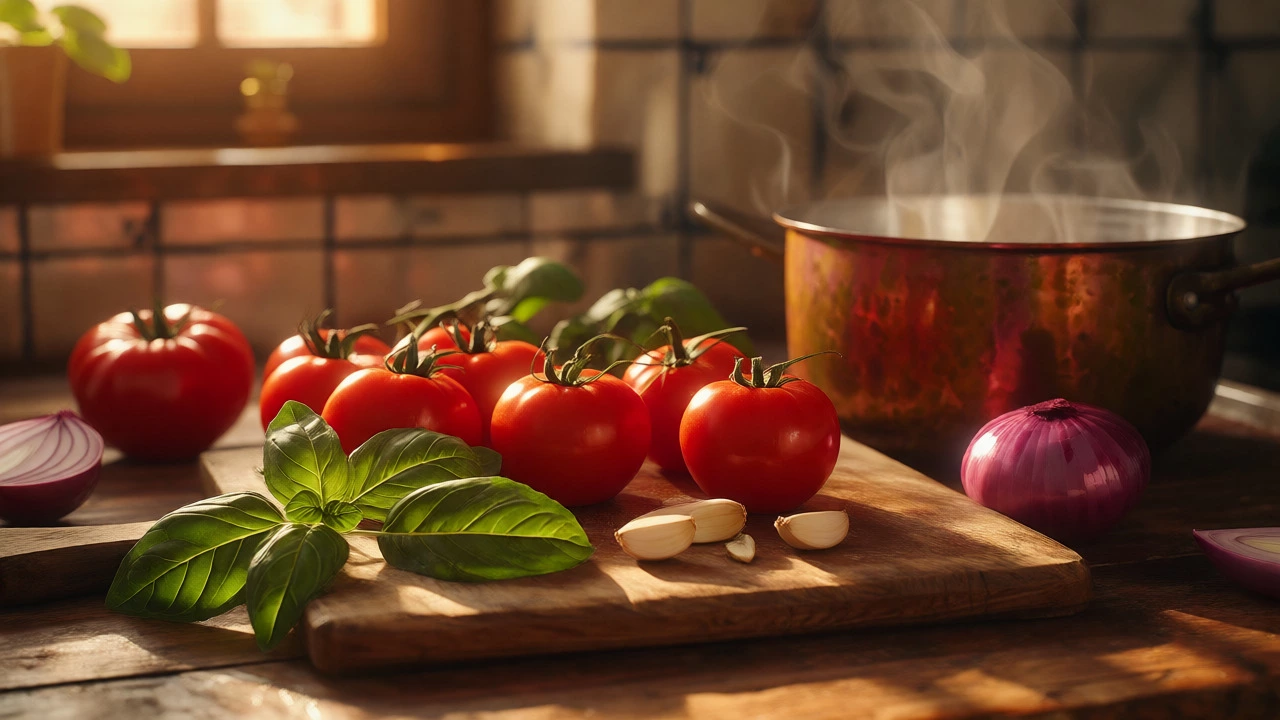
What Veggies Do Italians Actually Put in Pasta? A Real Guide
Discover the real vegetables Italians use in pasta, from bitter greens to roasted peppers. Learn pairing tips, regional secrets, and techniques for perfect texture.
More Detail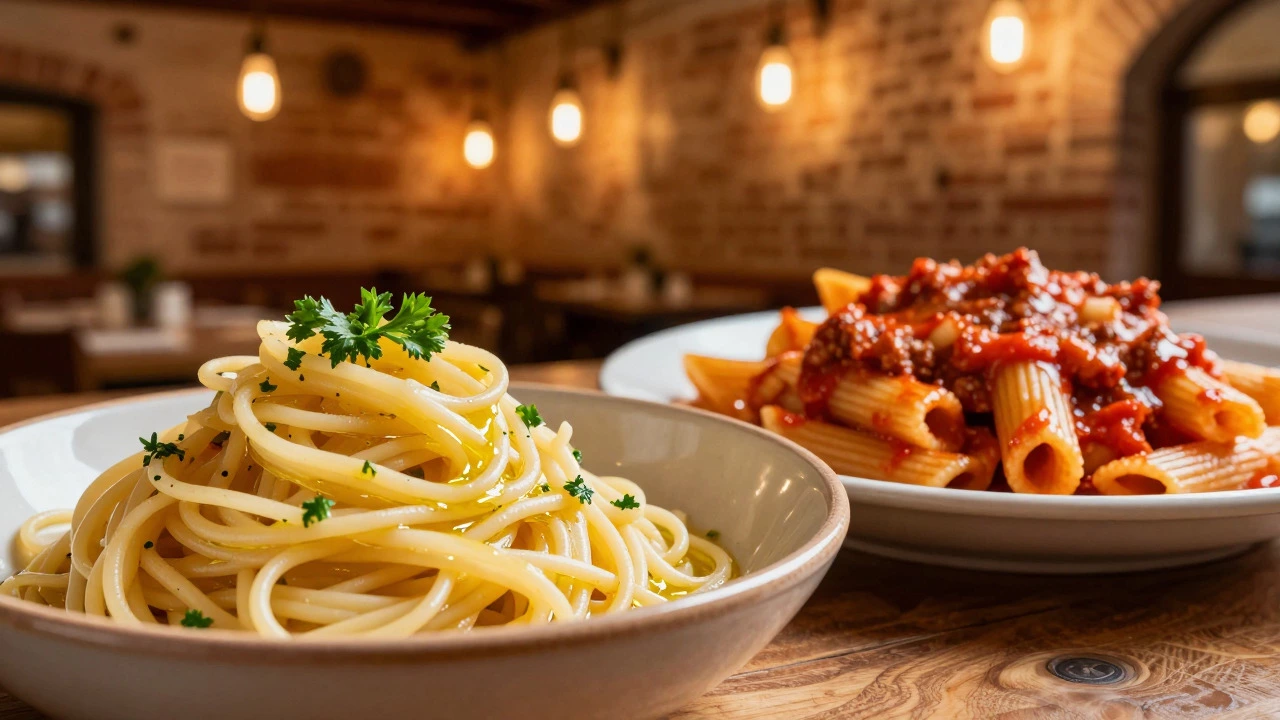
The Four Main Pasta Dishes: A Guide to Italian Classics
Discover the four foundational Italian pasta styles: Spaghetti, Penne, Stuffed Pastas, and Baked Layers. Learn how to choose, cook, and pair each type for authentic results.
More Detail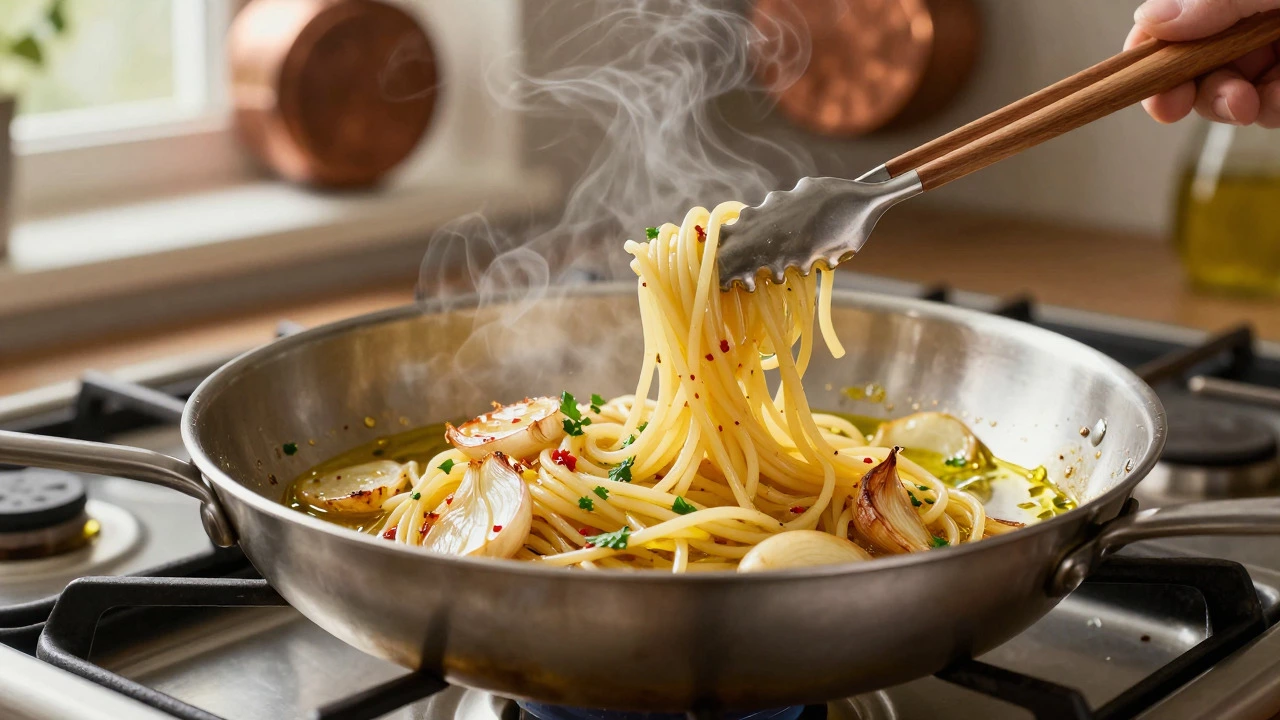
12 Delicious Pasta Sauces Without Tomato: Creamy, Oily & Herb Alternatives
Discover delicious pasta alternatives to tomato sauce, including creamy Alfredo, olive oil aglio e olio, and vegan cashew creams. Learn easy techniques for perfect emulsions.
More Detail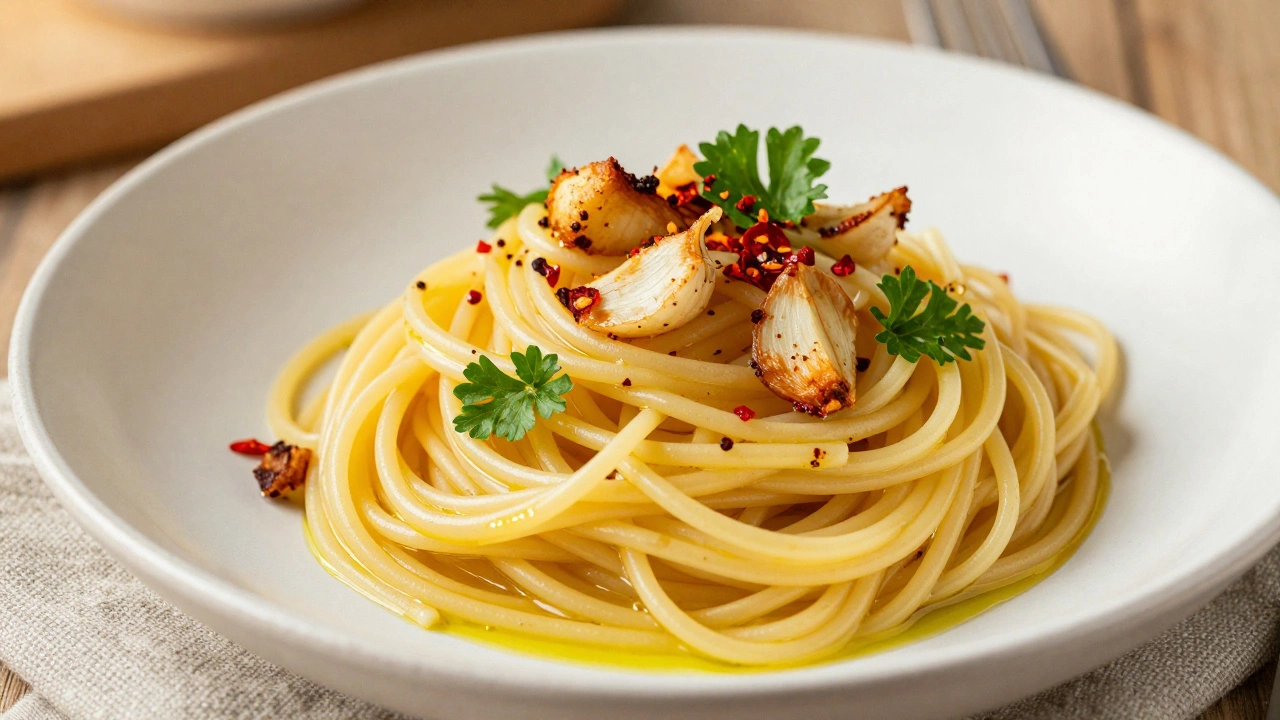
The 3 Most Popular Pastas in the World: Spaghetti, Penne, and Fusilli
Discover the 3 most popular pastas globally: spaghetti, penne, and fusilli. Learn why these shapes dominate menus, how to pair them with sauces, and expert cooking tips for perfect results every time.
More Detail
What Is the Most Sold Pasta in Italy? The Truth Behind Spaghetti and Farfalle
Discover which pasta shape tops the charts in Italy. While spaghetti leads in sales, farfalle and rigatoni are close contenders. Learn about regional preferences, brand loyalty, and cooking tips.
More Detail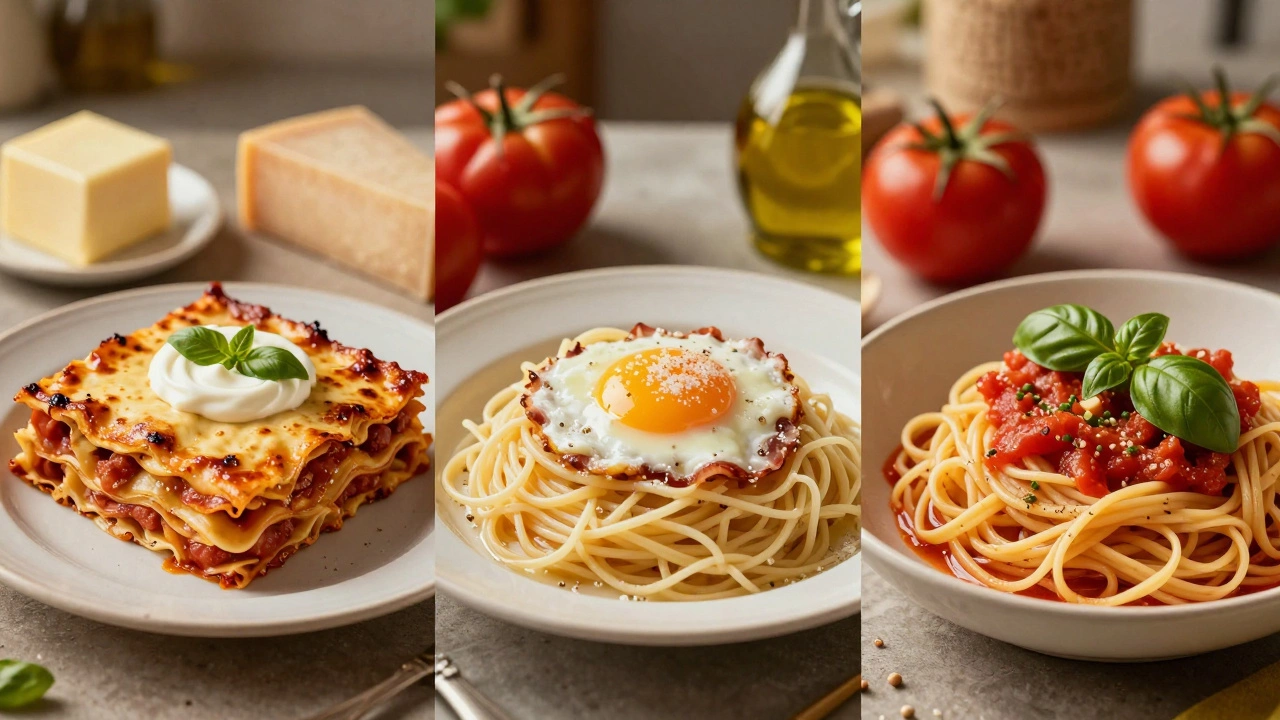
Italy's Most Famous Pasta Dishes: Regional Truths & Misconceptions
Italy's most famous pasta dish isn't a single answer-it's shaped by regional traditions. Discover why dishes like spaghetti carbonara, lasagna, and tagliatelle al ragù dominate different parts of the country, and how common misconceptions outside Italy miss the mark. Learn about authentic recipes and regional variations that define Italian cuisine.
More Detail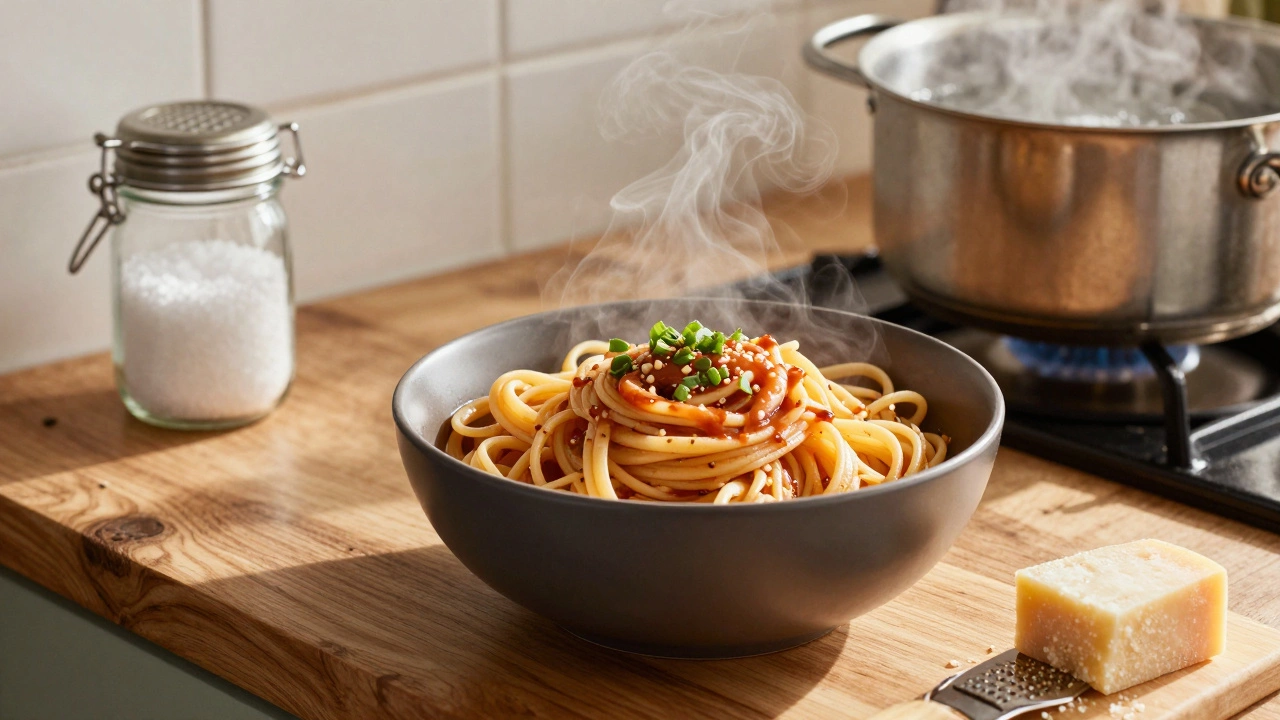
How to Elevate Your Pasta: Simple Tricks for Restaurant-Quality Results
Learn simple, proven techniques to turn ordinary pasta into restaurant-quality meals-salt your water right, finish in the sauce, use fresh herbs, and skip common mistakes that ruin flavor.
More Detail
What Can I Put on Pasta When I Have No Sauce? 7 Simple, Tasty Solutions
No sauce? No problem. Discover 7 simple, tasty ways to make delicious pasta with just butter, cheese, garlic, herbs, and pantry staples-no fancy ingredients needed.
More Detail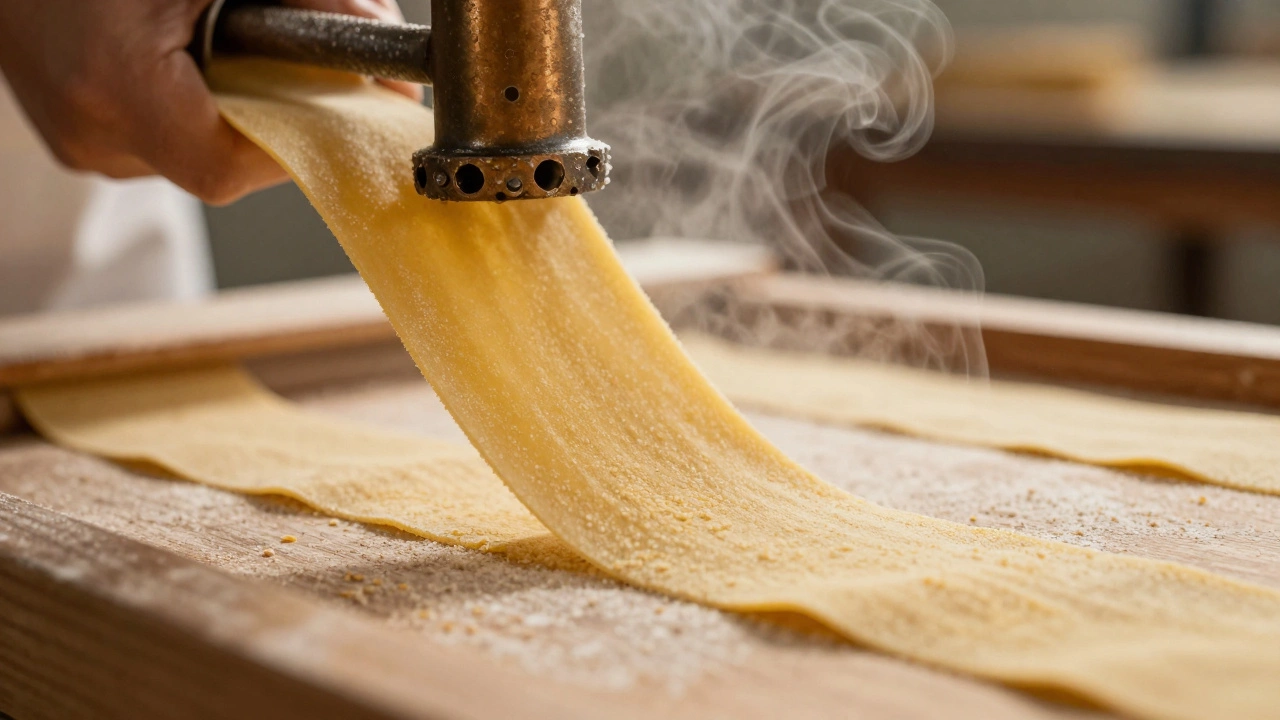
Why Pasta Tastes Different in Italy vs. the US
Italian pasta tastes better because of high-quality durum wheat, bronze die extrusion, and slow drying-not just the sauce. Here's why American pasta falls short and how to fix it at home.
More Detail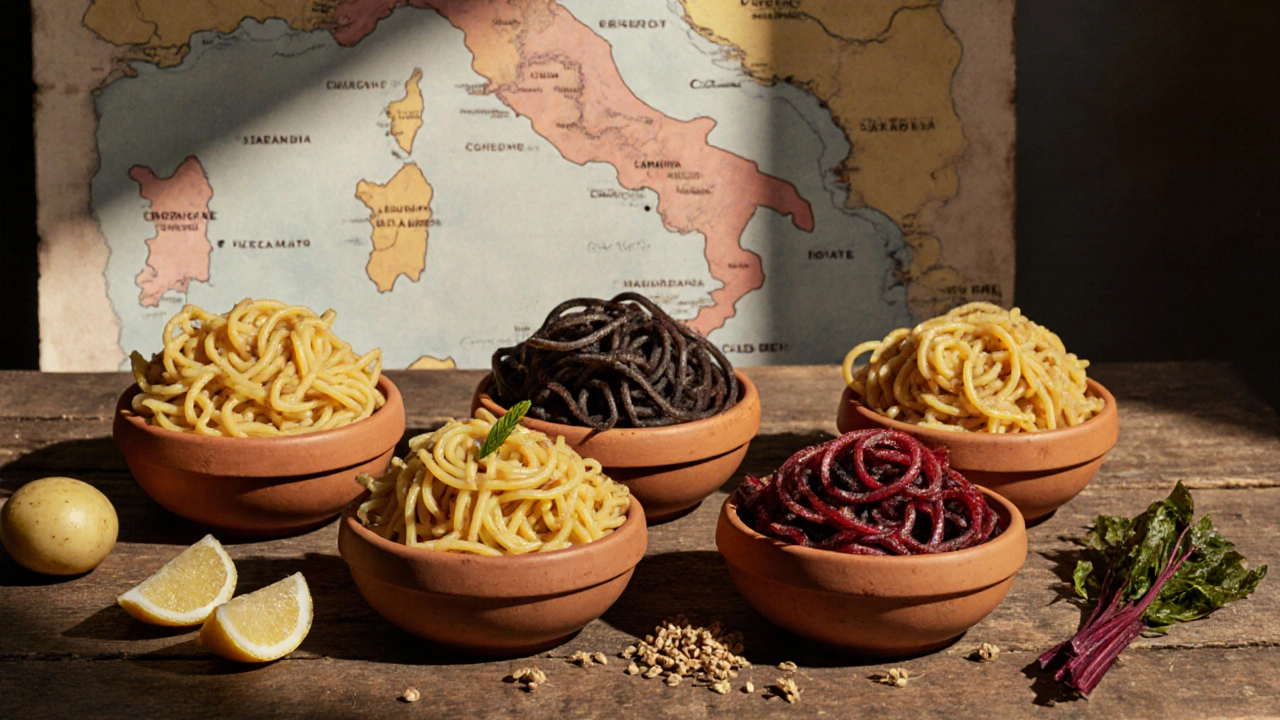
The Rarest Pasta in Italy - Discover Italy’s Most Elusive Noodles
Explore Italy's most elusive noodles, their origins, how to find them, and tips for cooking these rare pasta varieties at home.
More Detail