
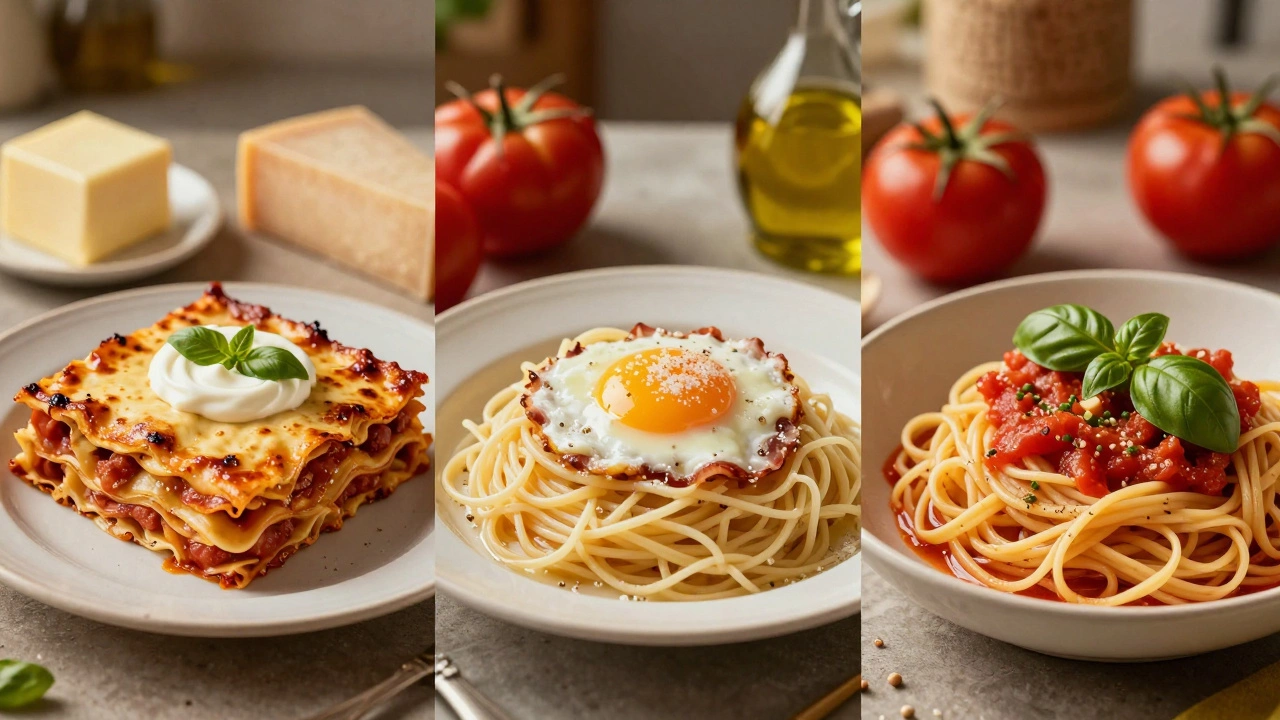
Why Italy Has No Single Most Famous Pasta Dish
When people ask about Italy's most famous pasta dish, they often expect a simple answer. But here's the truth: Italy doesn't have one. Instead, each region has its own beloved pasta creations, shaped by local ingredients and traditions. Italy unified as a nation only in 1861, and before that, its regions operated as separate states with distinct cultures. Northern Italy uses butter and cream in cooking, while Southern Italy relies on olive oil and tomatoes. Pasta shapes vary wildly-from tiny tortellini in Emilia-Romagna to wide pappardelle in Tuscany. This regional diversity means no single dish dominates nationwide.
Top Regional Pasta Dishes
Italy's pasta landscape is a patchwork of local specialties. Here are the most iconic dishes from key regions:
- Spaghetti Carbonara from Rome, made with eggs, Pecorino Romano, guanciale, and black pepper
- Lasagna from Emilia-Romagna, layered with ragù, béchamel, and Parmigiano-Reggiano
- Tagliatelle al Ragù from Bologna, served with thick egg noodles and slow-cooked meat sauce
- Cacio e Pepe from Rome, a simple dish of Pecorino cheese and black pepper
- Pasta al Pomodoro from Southern Italy, featuring fresh tomatoes, garlic, and basil
- Orecchiette con Cime di Rapa from Puglia, ear-shaped pasta with bitter broccoli rabe
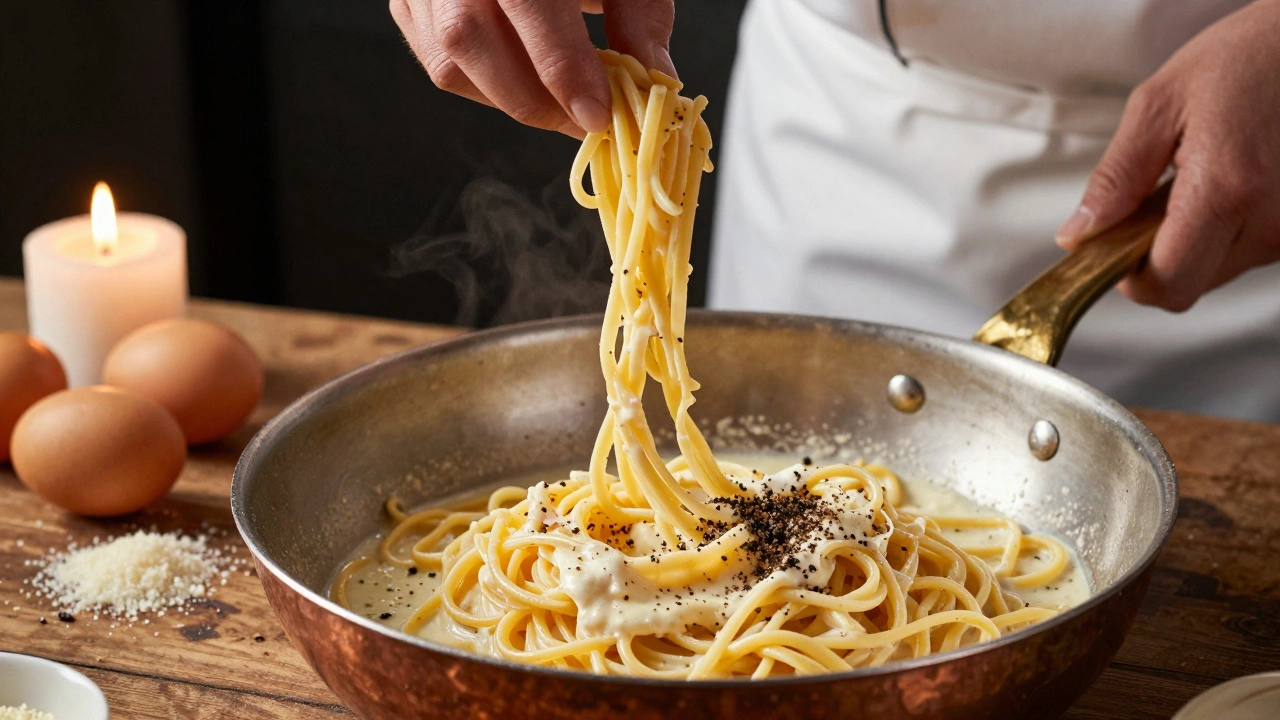
Spaghetti carbonara is often cited as Italy's most famous dish internationally, but its origins are debated. The dish likely emerged in Rome after World War II when American soldiers brought eggs and bacon to Italy. The traditional recipe uses guanciale cured pork cheek from central Italy (not bacon), Pecorino Romano sheep's milk cheese from Lazio, and raw eggs mixed into hot pasta to create a creamy sauce. No cream is used-this is a common misconception outside Italy.
In Bologna, the birthplace of ragù, the dish is always served with tagliatelle wide, flat egg noodles, not spaghetti. The ragù itself is a slow-cooked meat sauce made with beef, pork, tomatoes, wine, and milk. Outside Italy, "spaghetti bolognese" is widespread, but this combination doesn't exist in Italy. The term "bolognese" is a foreign simplification of "ragù alla bolognese."
Common Misconceptions About Italian Pasta
Many dishes popular abroad are either invented outside Italy or heavily altered. For example:
- Fettuccine Alfredo is an American invention; in Italy, a similar dish uses butter and Parmesan, not heavy cream
- Spaghetti with meatballs is not traditional in Italy; meatballs are served separately as a main course
- Pasta alla Norma from Sicily uses eggplant and ricotta, but outside Italy it's often simplified to tomato sauce alone
Even "pasta al pomodoro"-a simple tomato sauce dish-is often misrepresented. In Southern Italy, it's made with fresh, sun-ripened tomatoes, garlic, and basil. Outside Italy, it's frequently made with canned tomatoes and dried herbs, losing the bright, fresh flavor that defines the authentic version.
How to Experience Authentic Italian Pasta
If you want to taste Italy's true pasta culture, follow these tips:
- In Rome, seek out carbonara made with guanciale and Pecorino Romano at local trattorias like Da Enzo al 29
- In Bologna, order tagliatelle al ragù at historic restaurants like Trattoria Anna-never spaghetti
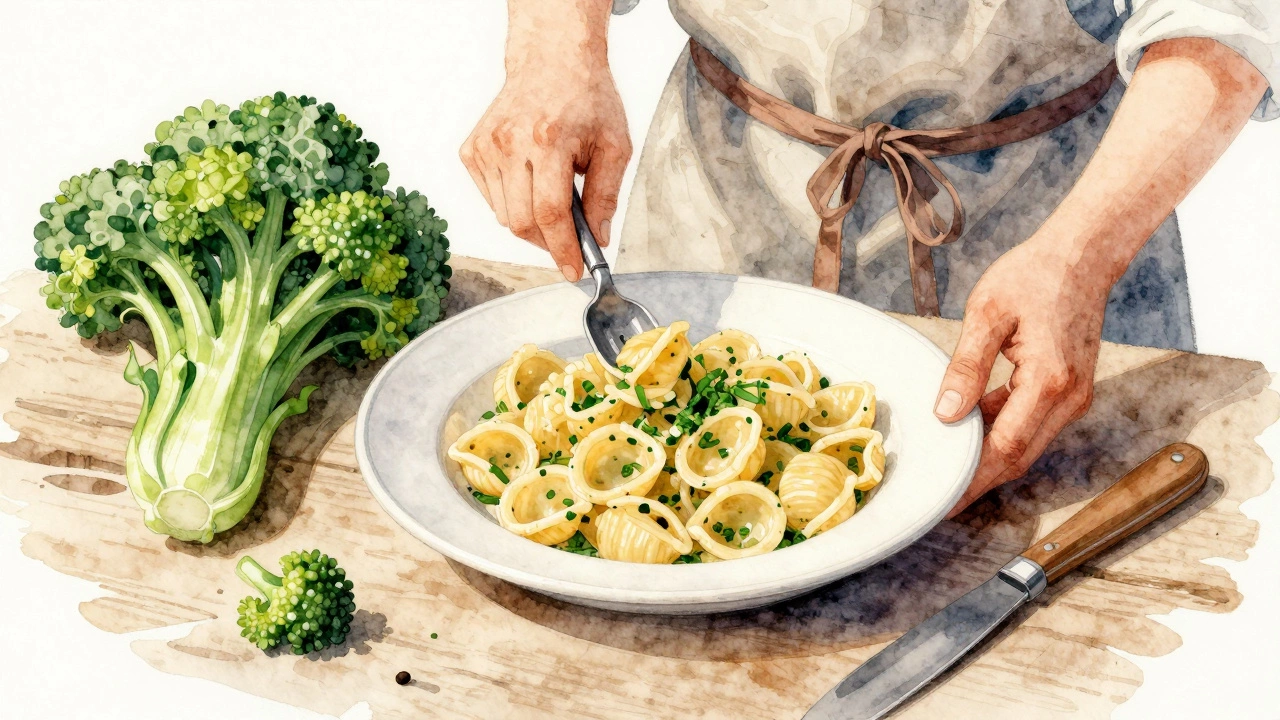
- In Puglia, try orecchiette con cime di rapa freshly made with local broccoli rabe
- Avoid restaurants serving "spaghetti bolognese" or "fettuccine Alfredo"; these are signs of inauthenticity
When in doubt, ask locals for recommendations. In Naples, you'll find maccheroni alla napoletana with meatballs and tomato sauce, but it's never served with spaghetti. Each region has its own rules, and Italians take them seriously.
Frequently Asked Questions
What is the most popular pasta dish in Italy?
Spaghetti with tomato sauce is the most commonly eaten pasta dish nationwide, but regional variations dominate. In Emilia-Romagna, tagliatelle al ragù reigns; in Rome, carbonara and cacio e pepe are staples. Southern Italy favors pasta al pomodoro and orecchiette with broccoli rabe. There's no single "most popular" dish-it depends entirely on where you are.
Is spaghetti carbonara really from Rome?
Yes, spaghetti carbonara originated in Rome in the mid-20th century. The dish likely developed after World War II when American soldiers introduced eggs and bacon to Italy. The authentic version uses guanciale (not bacon), Pecorino Romano cheese, and no cream. It's a symbol of Roman cuisine and remains one of the city's most beloved dishes.
What's the difference between ragù and bolognese?
In Italy, "ragù" refers to any meat-based sauce, while "bolognese" specifically means the ragù from Bologna. The authentic Bolognese ragù is slow-cooked with beef, pork, tomatoes, wine, and milk. Outside Italy, "bolognese" is often used incorrectly to describe any meat sauce, but in Italy, it's always paired with tagliatelle-not spaghetti.
Why do Italians not eat spaghetti with meatballs?
In Italy, meatballs (polpette) are a separate dish, typically served as a main course with vegetables or in a sandwich. Spaghetti is never served with meatballs-it's considered a culinary mismatch. This combination was invented in Italian-American communities and has no place in authentic Italian cooking.
What makes Italian pasta authentic?
Authentic Italian pasta uses fresh, high-quality ingredients and follows regional traditions. For example, Roman dishes use Pecorino Romano and guanciale, while Bolognese dishes feature tagliatelle and slow-cooked ragù. The pasta shape also matters-using the wrong shape (like spaghetti with ragù) is considered incorrect. Authenticity is about respecting local ingredients and techniques, not just the recipe itself.