
Baking Soda Chicken Treatment Calculator
Optimal Baking Soda Treatment Time
Find out the perfect treatment time for juicy, tender chicken
Ever wonder why restaurant chicken always seems so tender, even when it’s grilled or fried? A lot of it comes down to one simple trick: baking soda. It’s not magic. It’s chemistry. And if you’re not using it on your chicken, you’re leaving texture and flavor on the table.
Why Baking Soda Works on Chicken
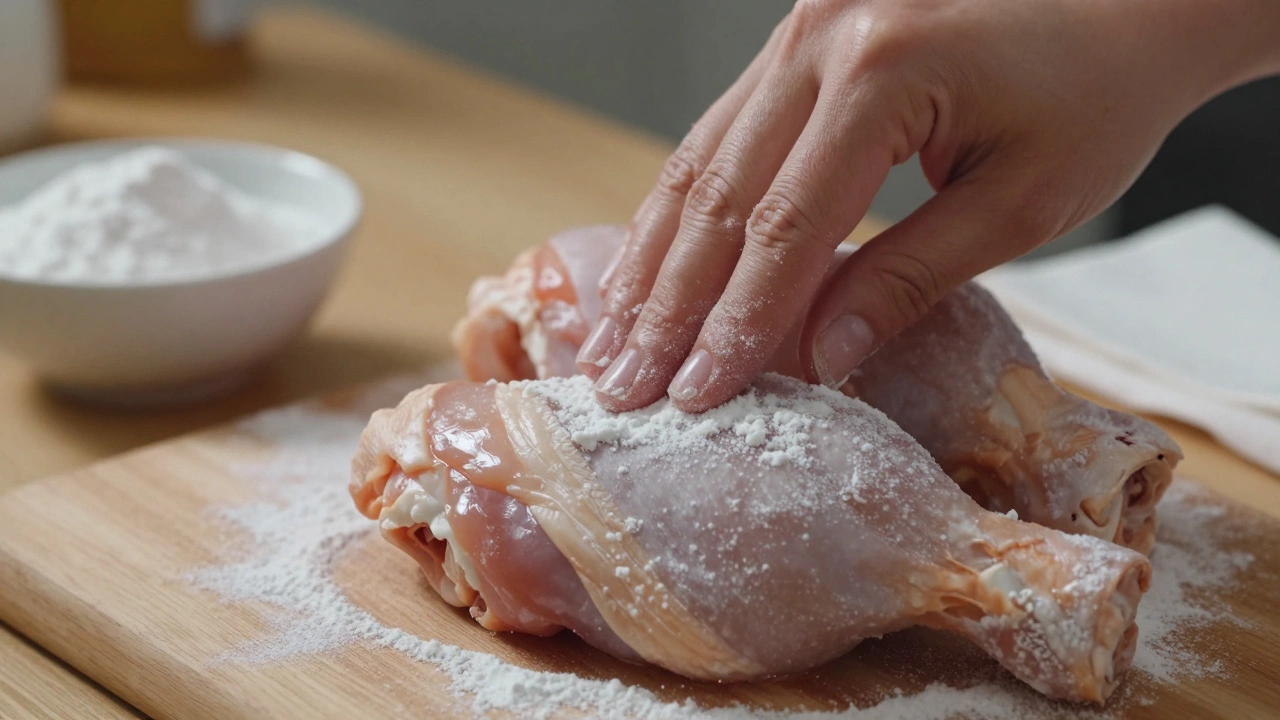
Baking soda - sodium bicarbonate - is alkaline. When you rub it on chicken skin or soak the meat in a baking soda solution, it raises the pH level on the surface. This weakens the protein bonds in the meat, which stops them from tightening up during cooking. The result? Juicier, more tender chicken that doesn’t dry out, even if you overcook it by a few minutes.
This isn’t just a home cook hack. It’s used in professional kitchens. The technique is especially popular for fried chicken, where crisp skin and moist meat are both non-negotiable. But it works just as well for grilled, roasted, or baked chicken.
How Long Should Baking Soda Sit on Chicken?
The sweet spot is 15 to 30 minutes. That’s long enough to make a real difference, but not so long that it starts to affect flavor or texture negatively.
If you’re short on time, even 10 minutes helps - especially if you’re rubbing it directly onto the skin. But if you have 30 minutes, go for it. That’s when you start to see the real change: the skin gets slightly tacky, the meat feels softer, and the color looks a little brighter.
Don’t leave it on overnight. More than 45 minutes can make the surface mushy, especially on skinless chicken breasts. You’ll end up with a texture that’s more like wet cardboard than juicy meat. And yes, that’s been tested - multiple times.
How to Apply Baking Soda to Chicken
Here’s the easiest way to do it:
- Pat your chicken dry with paper towels. Moisture blocks baking soda from working.
- Use about 1 teaspoon of baking soda per pound of chicken. For whole chicken pieces, sprinkle it evenly over the surface.
- Rub it in gently with your fingers. Don’t be shy - you want full coverage.
- Let it sit uncovered in the fridge for 15 to 30 minutes.
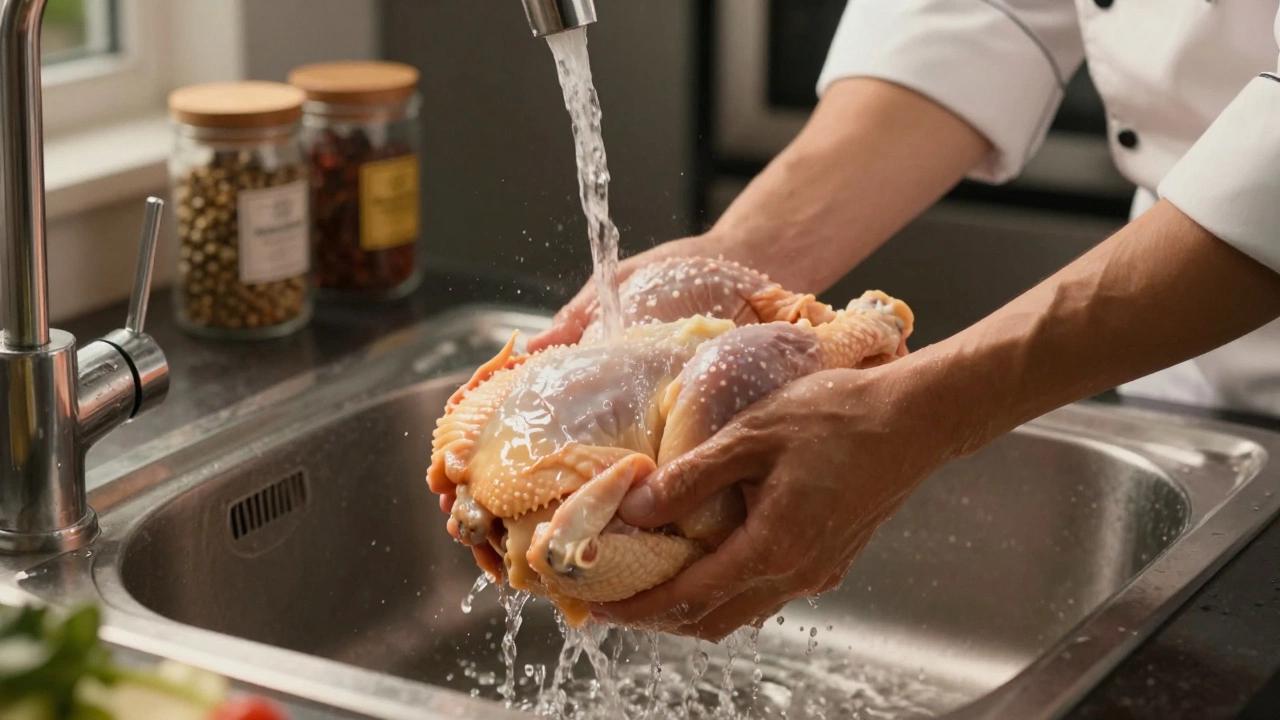
- Rinse thoroughly under cold water. Then pat dry again before cooking.
That last step is crucial. You don’t want any baking soda left on the chicken when you cook it. It can leave a soapy, metallic taste if not rinsed off.
What Happens If You Skip the Rinse?
Some people skip rinsing because they’re afraid of washing away flavor. That’s a mistake. The baking soda doesn’t add flavor - it changes how the meat responds to heat. What you’re rinsing off is the excess alkaline residue. What stays behind is the altered protein structure - the tenderized surface that locks in moisture.
If you skip the rinse, you might notice:
- A faint soapy aftertaste
- Grayish discoloration on the surface
- Chicken that doesn’t brown well (alkaline surfaces resist Maillard browning)
Yes, you read that right - rinsing actually helps the chicken brown better. Clean surface, better crust. It’s science.
Baking Soda vs. Buttermilk Marinades
You’ve probably heard of soaking chicken in buttermilk. It’s great. But it works differently.
Buttermilk tenderizes through lactic acid. It’s slow. You need at least 4 hours, and overnight is better. It adds tang and helps the coating stick - great for fried chicken. But it doesn’t speed up the process like baking soda does.
Baking soda? Fast. Effective. No waiting. It’s the difference between 30 minutes and 12 hours. If you’re making chicken for dinner tonight and forgot to marinate, baking soda is your emergency fix.
Does Baking Soda Affect Nutrition?
No. It doesn’t strip nutrients. It doesn’t leach out protein. It doesn’t add sodium in any meaningful way - you’re using a teaspoon per pound, and then rinsing it off. The amount that remains is negligible.
Some people worry about aluminum in baking soda. That’s a myth. Baking soda (sodium bicarbonate) is pure. Baking powder often contains aluminum, but baking soda does not. Always check the label - if it says “baking soda,” it’s safe.
Real-World Results
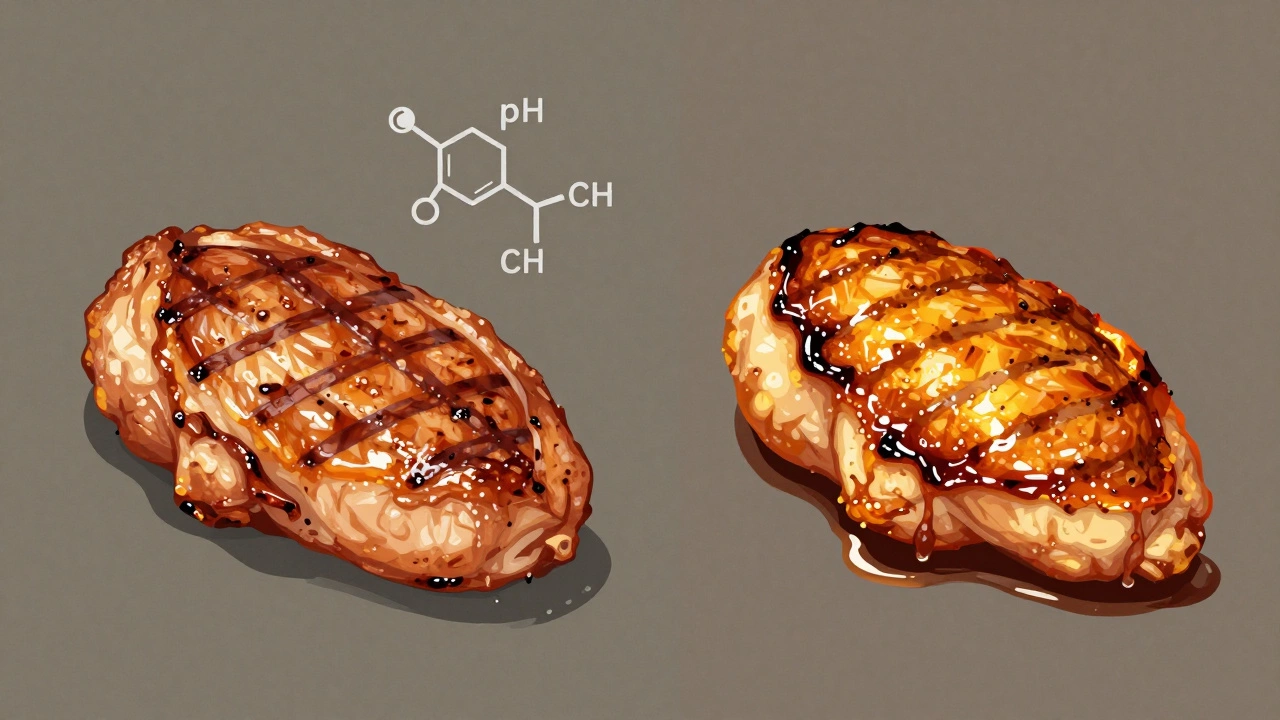
I tested this on a batch of boneless, skinless chicken breasts. One side got the baking soda treatment. The other was cooked plain. Both were grilled at the same temperature.
The plain chicken? Dry at the edges. A little rubbery. The baking soda side? Juicy all the way through. Even when I overcooked it by 3 minutes, it still held moisture. And the skin - when I used it on skin-on thighs - got crispier than ever. No oil, no extra seasoning. Just baking soda and salt.
That’s the power of pH.
Pro Tips for Best Results
- Use baking soda only on raw chicken. Don’t use it on pre-cooked or frozen-thawed chicken - it won’t help.
- Always use cold chicken. Room temperature meat absorbs less effectively.
- For extra flavor, add a pinch of salt to the baking soda rub. Salt draws out moisture, then reabsorbs it - a double tenderizer.
- Don’t use this trick on fish or delicate proteins. Chicken and pork handle alkaline treatment well. Fish? Not so much.
- Pair it with a dry rub or spice blend after rinsing. The surface is primed to hold seasoning better.
Common Mistakes to Avoid
- Using too much baking soda - stick to 1 tsp per pound.
- Leaving it on too long - 30 minutes is the max for best texture.
- Forgetting to rinse - this ruins flavor.
- Using baking powder instead - it’s not the same thing.
- Applying it to wet chicken - dry surface = better contact.
If you’ve ever bitten into dry chicken and thought, "Why does this always happen?" - now you know. It’s not the heat. It’s not the cut. It’s the prep. And baking soda fixes it.
Can I use baking soda on frozen chicken?
No. Baking soda only works on raw, thawed chicken. Frozen chicken has ice crystals that block the alkaline reaction. Always thaw your chicken in the fridge first, then pat it dry before applying baking soda.
Will baking soda make my chicken taste salty?
Not if you rinse it properly. Baking soda itself isn’t salty - it’s sodium bicarbonate, not sodium chloride. Any saltiness you taste comes from leftover residue. A quick rinse under cold water removes it completely. After rinsing, you can season normally with salt, pepper, or spices.
Can I use baking soda on chicken skin only?
Yes, and it’s actually the best way to use it. The skin is where you want maximum crispiness. Rubbing baking soda only on the skin, then rinsing and drying thoroughly, gives you a crackling, golden crust without affecting the meat underneath. This works especially well for roasted chicken legs or thighs.
Does baking soda replace marinating?
It replaces the tenderizing part of marinating, but not the flavoring. If you want flavor, you still need herbs, spices, garlic, or citrus. Baking soda only changes texture. Use it as a pre-step before your usual marinade or dry rub for best results.
Can I use baking soda on chicken for air frying?
Absolutely. Air fryers rely on dry heat and high temperatures - perfect for creating crisp skin. A 15-minute baking soda treatment before air frying gives you restaurant-quality texture without deep frying. Just rinse, dry well, then toss in the basket. No oil needed.