
Pasta Sauce Consistency Calculator
How to Use
This tool helps you calculate the exact amount of pasta water to add for perfect sauce consistency. Pasta water contains starch that helps sauces cling to pasta.
Recommended Pasta Water
Add while tossingtablespoons
Add this amount gradually while stirring the pasta and sauce.
Most people think pasta is just boiled noodles with jarred sauce. But if you’ve ever had pasta at a small trattoria in Rome or a cozy spot in Manchester’s Northern Quarter, you know it’s something else entirely. It’s silky, deeply flavored, and somehow makes even the simplest ingredients feel special. The secret isn’t fancy equipment or hard-to-find ingredients. It’s technique. And you can do it at home tonight.
Start with the right pasta
Not all pasta is created equal. If you’re using mass-produced, supermarket pasta made from low-quality semolina, no amount of sauce will save it. Look for bronze-die extruded pasta. It’s rougher on the surface, which means sauce clings better. Brands like De Cecco, Rustichella d’Abruzzo, or even store brands labeled "bronze die" are worth the extra pound or two. Dry pasta made with 100% durum wheat semolina holds its shape and texture better than cheaper blends. Avoid pasta labeled "enriched" or "instant"-they turn mushy fast.
Shape matters too. Spaghetti works for light oil-based sauces. Rigatoni or penne are better for chunky meat sauces because their tubes trap bits. For creamy sauces, use fettuccine or tagliatelle-their wide surface grabs every drop. Don’t just grab the first box on the shelf. Think about what sauce you’re making, then pick the pasta that matches.
Salt your water like a pro
Here’s the number one mistake home cooks make: under-salting pasta water. You wouldn’t season a steak with a pinch of salt and expect it to taste good. Same goes for pasta. Your water should taste like the sea. Use at least 1 tablespoon of coarse sea salt per quart of water. That’s about 2 tablespoons for a standard pot. This isn’t just about flavor-it’s about texture. Properly salted water helps the pasta absorb flavor from the inside out. Taste the water before adding pasta. If it doesn’t make your lips tingle, add more salt.
Don’t rinse. Don’t drain completely.
After cooking, never rinse your pasta. That starchy coating is your sauce’s best friend. It helps the sauce stick. Instead, reserve at least a cup of the starchy cooking water before draining. You’ll use it later to adjust the sauce’s consistency. Drain the pasta, but don’t let it sit in the colander for more than 10 seconds. Transfer it straight into the pan with your sauce while it’s still hot and wet.
Finish cooking the pasta in the sauce
This is the game-changer. Most people cook pasta, drain it, then pour sauce on top. That’s not how it’s done in Italy. You cook the pasta 1-2 minutes less than the package says. Then you add it to the sauce pan. Let it simmer together for a minute or two, tossing constantly. Add splashes of that reserved pasta water as you go. The starch in the water helps the sauce emulsify and cling. The pasta finishes cooking in the sauce, absorbing its flavor instead of just sitting on top of it. You’ll notice the difference immediately-the sauce becomes part of the pasta, not a topping.
Use butter, not olive oil, to finish
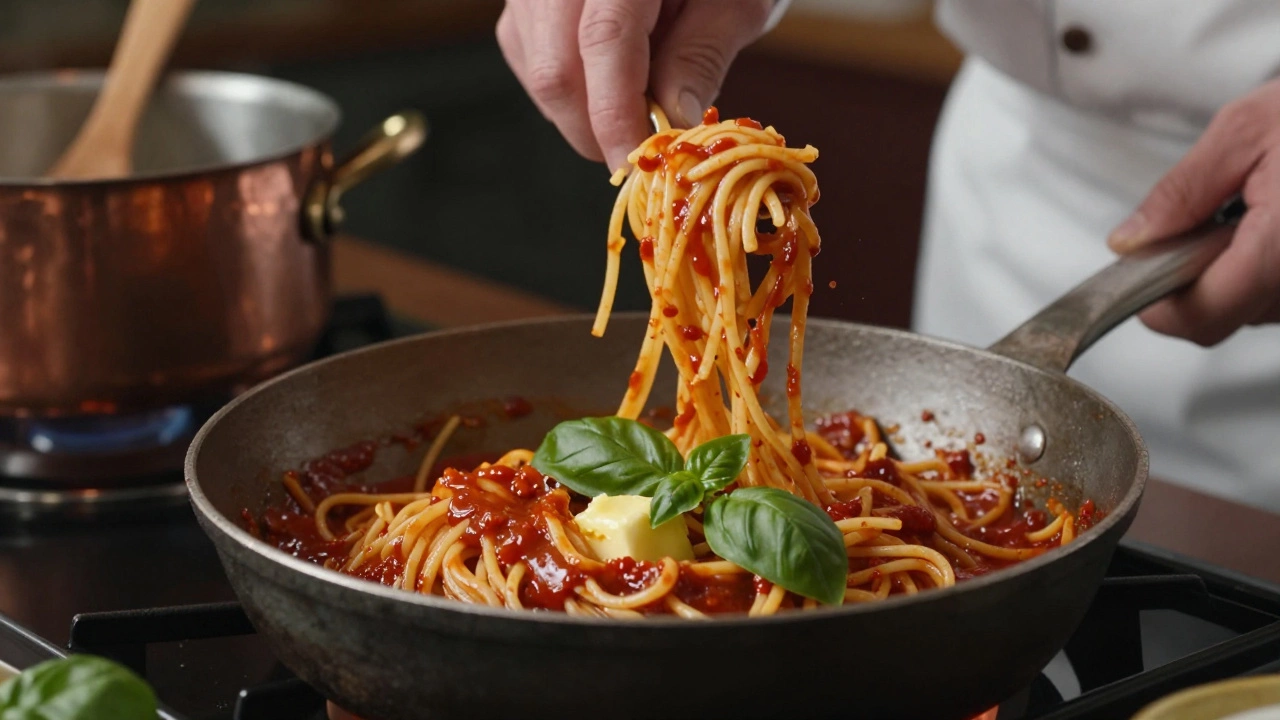
Olive oil is great for dressing salads. But for finishing pasta? Butter wins. A knob of cold, unsalted butter stirred into the hot pasta at the very end creates a rich, glossy sauce that coats every strand. It’s called mantecatura-an Italian technique that turns simple ingredients into something luxurious. You don’t need heavy cream or cheese. Just butter, heat, and a little pasta water. The butter melts into the starch and oil from the sauce, creating a silky texture that feels indulgent without being heavy.
Grate your cheese fresh
Pre-grated cheese has anti-caking agents that stop it from melting smoothly. If you’re using pre-shredded parmesan or pecorino, you’re missing out. Buy a wedge and grate it yourself with a microplane. Freshly grated cheese melts faster, tastes sharper, and blends into the sauce better. Add it at the end, off the heat, so it doesn’t turn rubbery. A little goes a long way-about 2 tablespoons per serving is plenty.
Fresh herbs, not dried
Dried basil or oregano can’t compete with the brightness of fresh. Add chopped basil, parsley, or chives right at the end. They don’t need cooking-just a quick toss to release their oils. The aroma alone lifts the whole dish. If you’re using garlic or chili flakes, sauté them gently in olive oil before adding the sauce. Burnt garlic tastes bitter. Soft, golden garlic adds sweetness.
Try these 3 simple upgrades
- Toast your breadcrumbs: Instead of parmesan on top, crisp up some panko in olive oil with a pinch of red pepper. Sprinkle over carbonara or puttanesca for crunch.
- Use pasta water as a base: Mix a splash of starchy water with a spoon of tomato paste and a dash of lemon juice. It becomes a quick, bright sauce for seafood pasta.
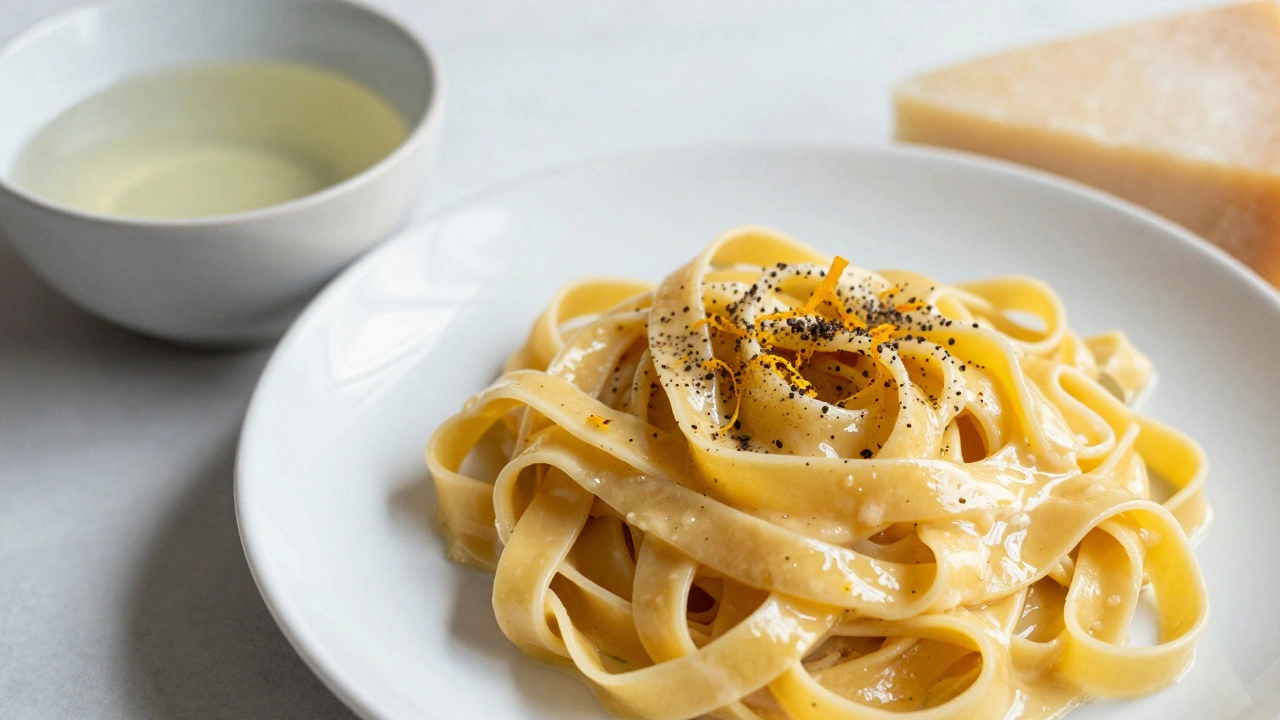
- Finish with citrus zest: A little lemon or orange zest over a white wine and clam sauce adds a burst that makes you stop and think, "Why didn’t I think of that?"
Don’t overthink the sauce
You don’t need a 10-ingredient ragù to make great pasta. Sometimes, the best pasta is just garlic, olive oil, chili flakes, and parsley. Or butter, black pepper, and parmesan. Or canned tomatoes, a splash of cream, and fresh basil. The key isn’t complexity-it’s balance. Taste as you go. Add salt, acid (lemon juice or vinegar), and fat (butter or oil) until it sings. If it tastes flat, add salt. If it’s too heavy, add a squeeze of lemon. If it’s too sharp, add a pat of butter.
Common mistakes (and how to fix them)
- Sauce is too thin? Add more pasta water, one tablespoon at a time, while tossing. The starch thickens it naturally.
- Pasta is sticky? You didn’t use enough water or didn’t stir at the start. Use a large pot (at least 4-5 quarts) and stir in the first 30 seconds.
- Flavorless? You under-salted the water or didn’t finish with butter or fresh herbs. Go back to the basics: salt, fat, acid, heat.
Pasta doesn’t need to be complicated to be amazing. It needs attention. It needs you to care enough to salt the water properly, to save the pasta water, to finish it in the pan. That’s what separates home cooking from restaurant-quality. You don’t need a Michelin star. You just need to stop rushing.
Can I use fresh pasta instead of dried?
Yes, but adjust your cooking time. Fresh pasta cooks in 2-4 minutes, not 8-12. It’s more delicate, so don’t overcook it. It also absorbs sauce faster, so toss it in the pan right after draining. Fresh pasta works best with light sauces-butter and sage, pesto, or a simple tomato.
What’s the best pasta for creamy sauces?
Tagliatelle, fettuccine, or pappardelle. Their wide, flat surfaces hold creamy sauces like alfredo or carbonara without getting lost. Avoid thin shapes like angel hair-they can’t carry the weight. If you’re using heavy cream, balance it with a splash of pasta water and freshly ground black pepper to cut through the richness.
Should I add oil to the pasta water?
No. Oil floats on top and prevents the sauce from sticking later. It also makes the pasta slippery, which is the opposite of what you want. Salt is the only thing you need in the water. If you’re worried about sticking, stir the pasta in the first minute of cooking. That’s all it takes.
Can I make pasta ahead of time?
You can cook it 1-2 hours ahead, but don’t add sauce yet. Drain it, toss it with a little olive oil, and cover it. Reheat it in a pan with a splash of water and your sauce just before serving. It won’t be as good as fresh, but it’ll still taste better than reheated leftovers from a container.
What’s the easiest way to elevate canned tomato sauce?
Sauté one minced garlic clove and a pinch of red pepper flakes in olive oil until fragrant. Add the canned tomatoes, a pinch of sugar to balance acidity, and a bay leaf. Simmer for 15 minutes. Stir in a tablespoon of butter and a handful of fresh basil at the end. That’s it. You’ve turned a jar into something restaurant-worthy.