
Pasta Pairing Finder
Walk into any supermarket aisle or sit down at a casual Italian restaurant, and you will see them. They are the staples of pantry shelves worldwide, the shapes that define comfort food for millions. But if you ask someone to name the most popular pastas, answers vary wildly based on geography, culture, and personal taste. Is it the long, slender strands everyone knows? The tube-shaped workhorses of American diners? Or perhaps the spiral twists that hold sauce like no other?
After analyzing sales data from major global retailers, menu frequency across international cuisines, and historical consumption patterns, three specific shapes consistently rise to the top. These aren't just random favorites; they are engineering marvels designed to interact with sauces in specific ways. We are talking about spaghetti, penne, and fusilli. Understanding why these three dominate the market helps you cook better meals, choose the right shape for your sauce, and appreciate the subtle art of pasta making.
Why Shape Matters More Than You Think
Before diving into the big three, it is worth understanding why shape is so critical. Pasta is not just a vessel for carbohydrates; it is a tool for delivering flavor. The geometry of the noodle determines how much sauce clings to it, how it cooks, and how it feels in your mouth. This concept is known as 'sauce adherence.' A smooth, flat surface allows light oils to coat evenly, while ridges, holes, and curves trap chunky tomato sauces or creamy cheeses.
In Italy, there is a strict code regarding which sauce goes with which shape. While modern cooking has relaxed these rules, sticking to traditional pairings still yields the best results. For example, long, thin pastas are traditionally paired with oil-based or seafood sauces because heavy meat ragù would slide off. Short, tubular pastas are built for robust, chunky sauces that need to get inside the tube. Knowing this logic makes choosing between spaghetti, penne, and fusilli less about habit and more about strategy.
1. Spaghetti: The Global Ambassador
If pasta had a passport, it would belong to spaghetti. It is arguably the most recognized food item in the world, transcending cultural boundaries to become a universal symbol of Italian cuisine. But its popularity isn't just about fame; it is about versatility and simplicity. Spaghetti is a type of long, thin, solid cylindrical pasta made from durum wheat semolina. Its name comes from the Italian word spago, meaning twine or string, which perfectly describes its delicate yet resilient structure.
| Attribute | Details |
|---|---|
| Shape | Long, thin, cylindrical strands |
| Best Sauce Pairing | Olive oil, garlic, seafood, light tomato (Marinara), Aglio e Olio |
| Cook Time | 8-10 minutes (depending on thickness) |
| Origin | Italy (modernized in Naples and Rome) |
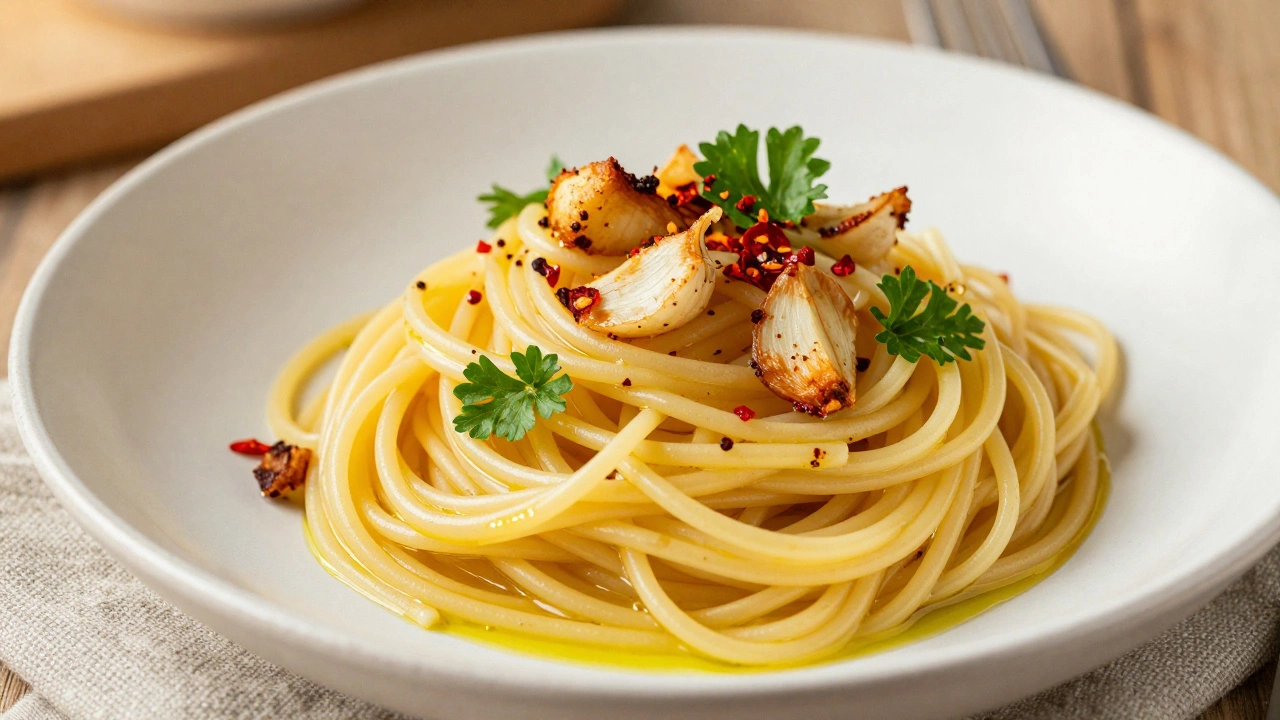
Spaghetti’s dominance stems from its ability to shine with minimal ingredients. A classic Spaghetti Aglio e Olio requires only olive oil, garlic, chili flakes, and parsley. The sauce coats each strand individually, creating a silky texture that feels luxurious despite being cheap to make. In contrast, heavier sauces like Bolognese are often better suited to shorter shapes, though many people still use spaghetti for them due to familiarity.
From a manufacturing perspective, spaghetti is also the easiest to produce at scale. Extruding dough through small holes to create uniform strands is a straightforward process that has been perfected over centuries. This efficiency keeps prices low and availability high, ensuring that every household, from New York to Tokyo, can buy it easily. When you think of 'pasta,' you likely visualize spaghetti first because it is the default option in most minds.
2. Penne: The Sauce-Trapping Powerhouse
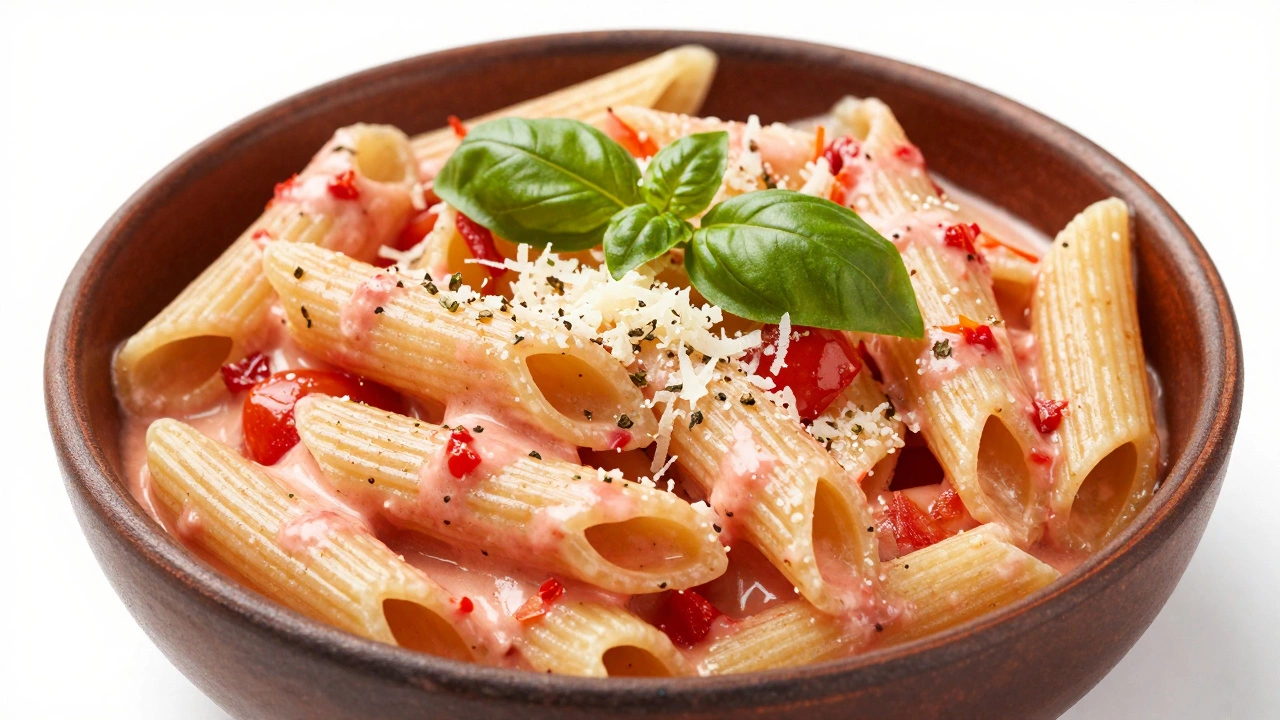
If spaghetti is the elegant ambassador, penne is the rugged workhorse. Penne is a short, tubular pasta cut diagonally at both ends, resembling quill pens. The name derives from the Italian word penna, meaning pen, referencing the sharp, angled cuts that mimic the nib of a fountain pen. What sets penne apart is its structure: hollow tubes with diagonal edges. This design serves two purposes. First, the hollow center captures sauce, allowing every bite to deliver a burst of flavor from the inside out. Second, the diagonal cuts help the pasta move smoothly in boiling water and prevent clumping.
Penne is particularly famous for its role in baked dishes and creamy sauces. Penne alla Vodka is a iconic dish that highlights how the shape interacts with emulsified sauces. The cream and tomato mixture clings to the exterior ridges (if using penne rigate) and fills the interior cavity. Similarly, baked ziti-style dishes often substitute penne because the tubes hold up well against heat without becoming mushy. Unlike spaghetti, which can break or tangle when baked, penne maintains its structural integrity.
In the United States, penne has surged in popularity alongside the rise of convenience foods and box mixes. Its sturdy nature makes it ideal for cold pasta salads, where it retains its chewiness even after sitting in dressing for hours. If you have ever eaten a Mediterranean salad with feta, olives, and cucumbers, chances are it featured penne. This adaptability-from hot, saucy dinners to cold, refreshing lunches-cements its place as a top contender for the most popular pasta globally.
3. Fusilli: The Spiral Twist That Holds On Tight
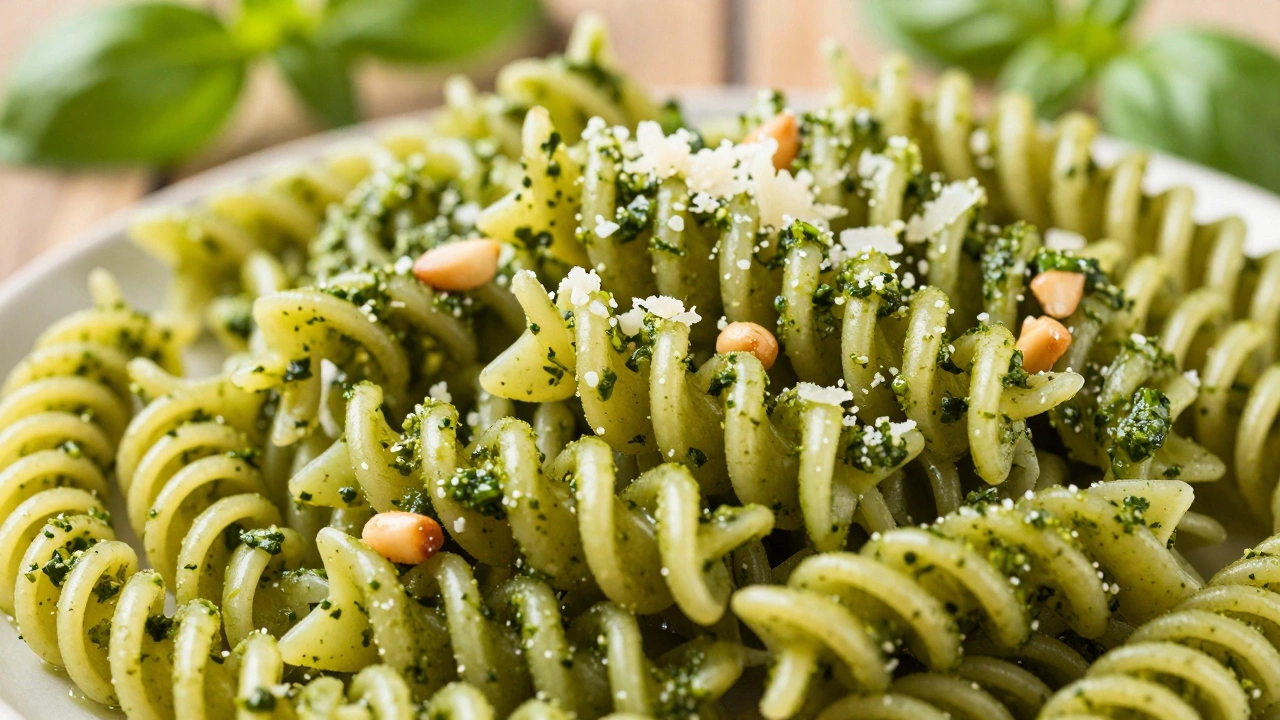
The third pillar of pasta popularity is fusilli, a shape that looks like a corkscrew or a double helix. Fusilli is a twisted, spiral-shaped pasta that maximizes surface area for sauce adhesion. The name comes from the Italian word fuso, meaning spindle, referring to the tool used to twist the dough in traditional handmade versions. Today, most fusilli is machine-extruded, but the result is the same: a complex geometry that traps sauce in every crevice.
Fusilli’s main advantage is its surface area. Because of its spirals, it holds onto thick, chunky sauces better than almost any other shape. Think of pesto, arrabbiata, or vegetable-heavy ragù. The sauce doesn’t just sit on top; it gets caught in the twists, ensuring that no bite is bare. This makes fusilli an excellent choice for vegetarian and vegan dishes, where the sauce carries the primary flavor profile. Without the richness of meat, the mechanical grip of fusilli ensures the meal remains satisfying.
Interestingly, fusilli has seen a resurgence in recent years due to the gluten-free movement. Many alternative flours (like rice or corn) lack the elasticity of wheat, making it difficult to create long strands like spaghetti. However, extruding these flours into short, twisted shapes like fusilli works surprisingly well. As a result, fusilli is one of the most common shapes found in gluten-free aisles, expanding its audience beyond traditional wheat-eaters. This inclusivity has boosted its sales figures significantly, keeping it firmly in the top three.
Comparing the Big Three: Which Should You Choose?
While all three are popular, they serve different culinary roles. Choosing the wrong shape for your sauce can lead to a disappointing meal, even if the ingredients are fresh. Here is a quick guide to help you decide which pasta to reach for next time you shop.
| Feature | Spaghetti | Penne | Fusilli |
|---|---|---|---|
| Primary Use | Light oils, seafood, simple tomatoes | Creamy sauces, baked dishes, salads | Chunky veggie sauces, pesto, gluten-free diets |
| Sauce Adherence | Coats surface evenly | Traps sauce inside tube | Maximizes contact via spirals |
| Texture Profile | Smooth, silky | Chewy, substantial | Rustic, textured |
| Best For Beginners? | Yes (forgiving) | Yes (versatile) | Yes (hard to mess up) |
If you are making a quick weeknight dinner with jarred marinara, spaghetti is your safest bet. It cooks fast and pairs with almost any red sauce. If you want to impress guests with a rich, creamy carbonara or vodka sauce, go with penne. The creaminess needs the structure of the tube to feel balanced. Finally, if you are tossing together a colorful mix of roasted vegetables and herbs, fusilli will ensure every forkful tastes vibrant and flavorful.
Beyond the Top Three: Honorable Mentions
While spaghetti, penne, and fusilli lead the pack, other shapes deserve recognition. Fettuccine is incredibly popular in creamy Alfredo dishes, especially in North America. Linguine is the preferred partner for clam sauces in coastal regions. And Rigatoni, similar to penne but wider and ribbed, is a favorite for hearty meat sauces. However, none of these have achieved the same level of global ubiquity and consistent sales volume as the top three. Their popularity is often regional or tied to specific dishes, whereas spaghetti, penne, and fusilli are everyday staples everywhere.
Tips for Cooking Perfect Pasta Every Time
No matter which of the three popular pastas you choose, proper technique matters. Here are some essential tips to elevate your home-cooked meals:
- Use plenty of water: Aim for at least 4-6 quarts of water per pound of pasta. This prevents starch buildup, which causes noodles to stick together.
- Salt the water generously: The water should taste like the sea. This is your only chance to season the pasta itself. Add salt after the water boils, not before, to avoid pitting your pot.
- Don’t rinse cooked pasta: Rinsing washes away the starch that helps sauce cling to the noodles. An exception is if you are making a cold pasta salad.
- Save some pasta water: Before draining, reserve a cup of the starchy cooking water. Adding a splash to your sauce helps emulsify it, creating a glossy, cohesive finish.
- Undercook slightly: Pasta continues to cook when mixed with hot sauce. Pull it from the water when it is al dente (firm to the bite), then finish it in the pan with your sauce.
These small adjustments make a huge difference. Whether you are twirling spaghetti or scooping up penne, following these steps ensures a restaurant-quality result at home.
The Future of Pasta Popularity
As dietary preferences evolve, so does pasta. Plant-based proteins, ancient grains, and functional ingredients are changing the landscape. Brands are experimenting with chickpea, lentil, and black bean pastas, often in fusilli or penne shapes because they hold up better during extrusion. Meanwhile, traditional wheat pasta remains dominant due to its superior texture and taste. Despite these innovations, the core appeal of spaghetti, penne, and fusilli remains unchanged: they are reliable, delicious, and endlessly adaptable. In a world of fleeting food trends, these three shapes stand the test of time.
Is spaghetti the same as linguine?
No, they are different. Spaghetti is round and cylindrical, while linguine is flattened oval. Linguine is slightly wider and flatter, making it better suited for seafood sauces, whereas spaghetti is more versatile for oil-based and light tomato sauces.
What is the difference between penne rigate and penne lisce?
Penne rigate has ridges on the outside, while penne lisce is smooth. The ridges on rigate help trap thicker, chunkier sauces, making it a better choice for hearty meat or vegetable ragù. Lisce is smoother and works well with lighter, creamier sauces.
Can I use fusilli in a baked pasta dish?
Yes, absolutely. Fusilli holds up well in baking because its shape retains moisture and sauce. Just ensure you undercook it slightly before baking so it doesn't become mushy in the oven.
Why is spaghetti so popular worldwide?
Spaghetti's popularity comes from its simplicity, affordability, and versatility. It pairs well with countless sauces, cooks quickly, and is easy to produce at scale. Its image as an iconic Italian dish also contributes to its global recognition.
Which pasta shape is best for holding sauce?
Shapes with ridges, holes, or twists hold sauce best. Fusilli, penne rigate, and rotini are excellent choices because their complex surfaces trap sauce in every crevice, ensuring maximum flavor in every bite.