
Budget Meal Planner: The $20 Challenge
Ingredient Costs
Estimated Total
-
Cost Per Person
$0.00 -
Remaining from $20
$20.00
Can you really put a decent meal on the table for five hungry people when your wallet is showing only twenty dollars? It sounds like a math problem that doesn’t add up, especially with current food prices. But it’s not just possible; it’s actually one of the most satisfying challenges in home cooking. The secret isn’t finding expensive organic ingredients or hunting down rare sales. It’s about shifting how you look at value, volume, and flavor.
I’ve spent years testing this exact scenario in my kitchen here in Manchester. Whether it’s a rainy Tuesday night or a weekend gathering where guests drop by unexpectedly, the goal remains the same: maximum satisfaction for minimum spend. The trick lies in choosing the right base ingredients-starchy fillers that stretch protein, vegetables that provide bulk without breaking the bank, and simple spices that make everything taste intentional rather than desperate.
The Math Behind the Magic
Before we get to the recipes, let’s break down the numbers. To feed five people with $20, you are looking at roughly $4 per person. In many Western supermarkets, a single can of soup costs that much. So, buying pre-made items is off the table. You need raw ingredients that offer high caloric density and satiety.
Your best friends in this equation are carbohydrates. Rice, pasta, potatoes, and beans are incredibly cheap per calorie. If you buy these in bulk or large bags, the price drops significantly. For example, a 5lb bag of rice often costs less than $3. A large bag of dried lentils might be around $2. These aren’t just fillers; they are nutritious staples that form the backbone of affordable meals worldwide.
| Ingredient Category | Estimated Cost | Role in Meal |
|---|---|---|
| Base Carbs (Rice/Pasta/Potatoes) | $3.00 - $4.00 | Satiety & Volume |
| Protein (Beans/Lentils/Eggs) | $3.00 - $4.00 | Nutrition & Substance |
| Vegetables (Onions/Carrots/Cabbage) | $4.00 - $5.00 | Flavor & Texture |
| Fat & Flavor (Oil/Garlic/Spices) | $2.00 - $3.00 | Taste Enhancement |
| Buffer/Extras | $2.00 - $3.00 | Safety Margin |
Notice the "Buffer" category. This is crucial. Prices fluctuate, and you might need an extra onion or a bit more oil. Always leave room for error. If you spend every penny on the main three categories, one unexpected cost ruins the plan. By keeping the base costs tight, you protect yourself from minor price hikes.
Strategy One: The Bean and Rice Powerhouse
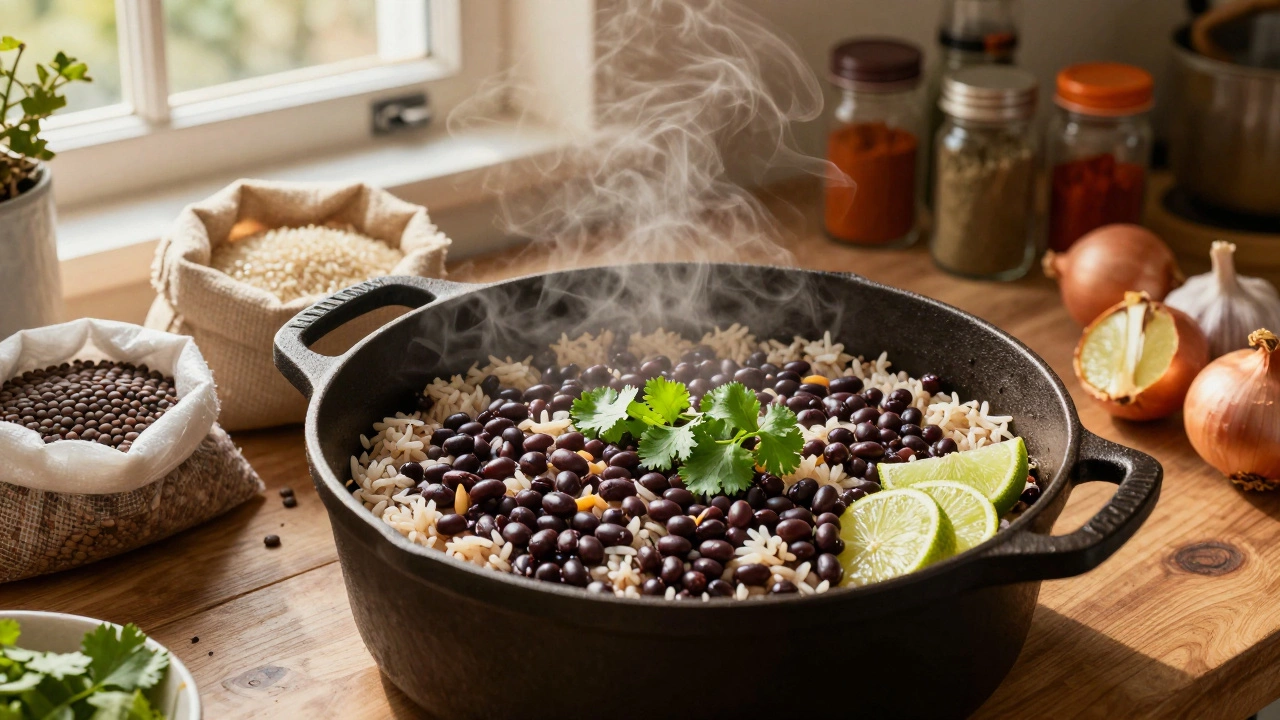
This is the classic budget meal for a reason. It works everywhere, from Texas to Thailand. The key is to treat it as a complete dish, not just leftovers. Start with a large pot. Cook two cups of dry rice-that will yield enough for everyone. While the rice cooks, sauté diced onions and garlic in a little oil until soft. Add a can of black beans or kidney beans (rinsed) and a cup of frozen corn if you have it. Season heavily with cumin, chili powder, and salt.
Why does this work? Beans are dense in protein and fiber, which keeps people full longer than plain carbs. The rice absorbs the flavors of the beans and spices. To elevate this without spending more, use what you already have in your pantry. Do you have hot sauce? Salsa? Cheese? Those are free additions since they’re already paid for. Serve it with a side of pickled jalapeños or a simple lime wedge if you have limes. This meal feels hearty and substantial, masking the low cost entirely.
Strategy Two: The Ultimate Pasta Bake
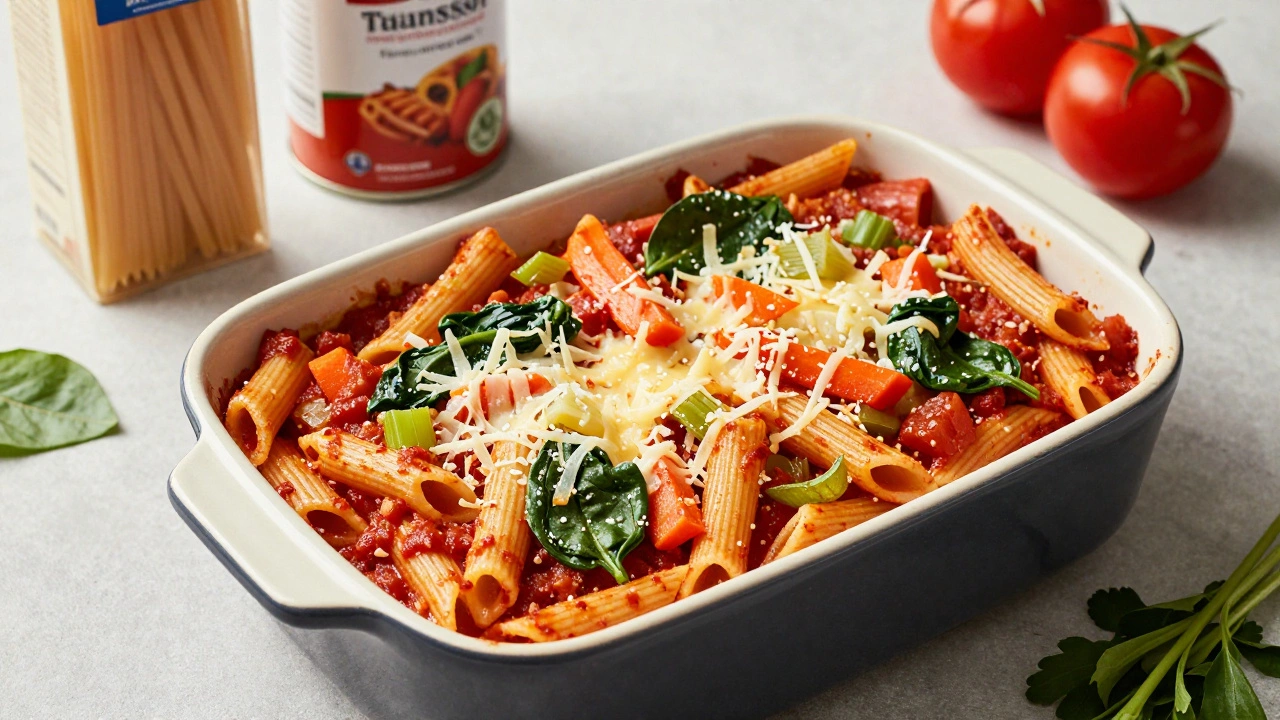
Pasta is arguably the cheapest carbohydrate you can buy. A box of spaghetti or penne usually runs under $1.50. To make a meal out of it for five, you need a sauce that stretches far. Forget meat-heavy bolognese. Instead, go for a vegetable-rich ragù. Dice carrots, celery, and onions finely-the finer you chop, the more they blend into the sauce, adding sweetness and body without being noticeable chunks.
Cook these vegetables slowly in olive oil until they break down almost into a paste. Add a tin of crushed tomatoes and a splash of water to reach your desired consistency. Simmer this for at least 20 minutes. The longer it simmers, the deeper the flavor. Mix this sauce with the cooked pasta. If you have any leftover cheese, grate it over the top. Even a small amount of Parmesan or cheddar adds a perceived luxury to the dish. You can also add a handful of spinach or kale at the end; greens wilt quickly and add color and nutrients for pennies.
Strategy Three: Potato and Egg Skillet
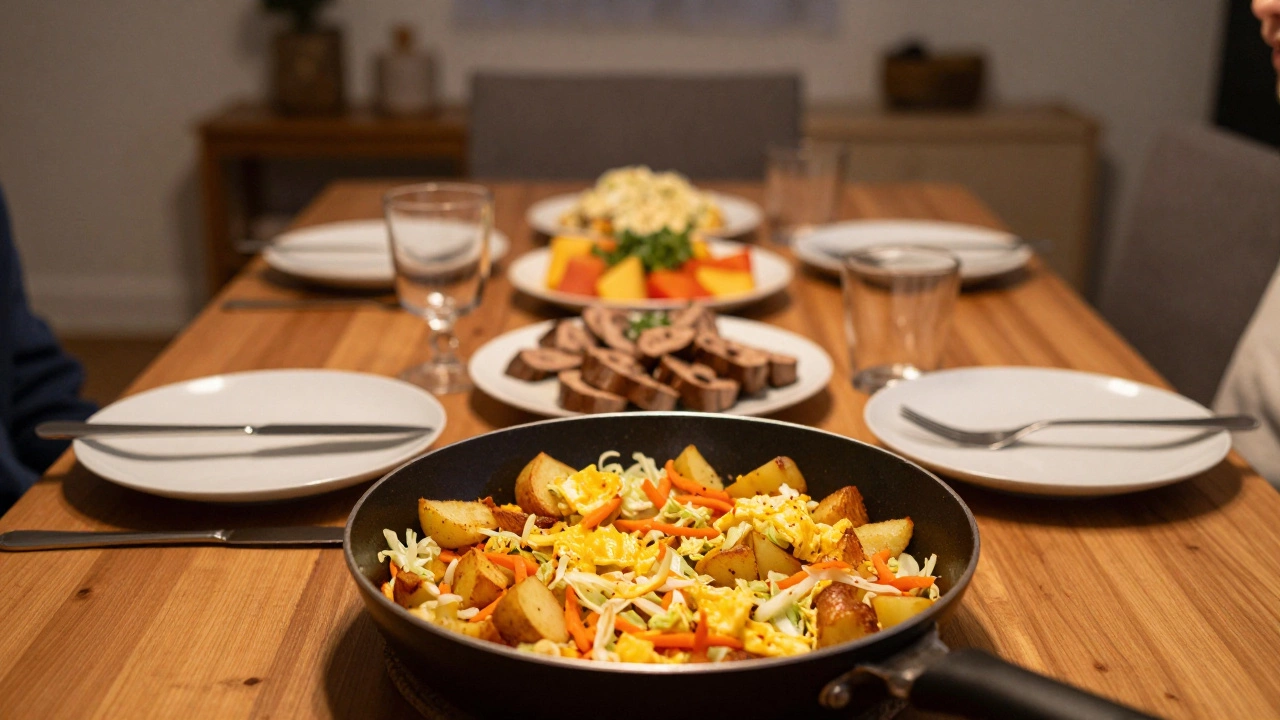
Potatoes are versatile and incredibly filling. Buy a 5lb bag of russet or Yukon Gold potatoes. Boil them whole with their skins on to save time and energy. Once tender, dice them into bite-sized pieces. In a large skillet, fry the diced potatoes in oil until crispy. Push them to the side and scramble four or five eggs directly in the pan. Stir the eggs back into the potatoes.
This creates a rustic hash. To bulk it up, add chopped cabbage or shredded carrots to the skillet while frying the potatoes. Cabbage is extremely cheap and adds a nice crunch. Season with paprika, black pepper, and salt. This meal is comforting, warm, and requires minimal cleanup. It’s perfect for cold evenings when you want something cozy without the fuss of multiple dishes.
Smart Shopping Habits for Tight Budgets
Feeding five people on $20 isn’t just about the recipe; it’s about how you shop. Here are some non-negotiable habits that make this possible:
- Buy Dry Goods in Bulk: Dried beans, lentils, rice, and pasta are cheaper per ounce than canned versions. They last forever and require no refrigeration until cooked.
- Embrace Frozen Vegetables: Frozen veggies are picked at peak ripeness and flash-frozen, retaining most nutrients. They are often cheaper than fresh produce, especially out of season, and there is zero waste because you use exactly what you need.
- Shop the Perimeter Less: The perimeter of the store usually holds processed meats and dairy, which are expensive. The center aisles hold grains, legumes, and canned goods, which are your budget allies.
- Check Unit Prices: Don’t just look at the total price. Look at the price per pound or per ounce. Sometimes the larger package is a better deal, but not always. Calculate mentally before putting it in the cart.
- Use Eggs as Protein: Meat is expensive. Eggs are affordable. They provide high-quality protein and fat, making meals feel richer and more satisfying.
Avoid impulse buys. Stick to a list. If you walk into the store thinking "I’ll see what looks good," you will overspend. Walk in knowing exactly what you need for your chosen meal. This discipline is the difference between success and failure in budget cooking.
Stretching Flavors Without Spending More
One mistake people make is assuming cheap ingredients taste bland. That’s not true if you use seasoning wisely. Salt is essential, but don’t stop there. Garlic powder, onion powder, paprika, cumin, and chili flakes are inexpensive spices that transform basic foods. Invest in a few core spices and use them generously.
Acidity is another game-changer. A squeeze of lemon juice or a dash of vinegar brightens up heavy starches like potatoes and rice. If you have lemons or limes, use them. If not, white vinegar or apple cider vinegar works well. Acid makes food taste more complex and balanced, hiding the simplicity of the ingredients.
Finally, texture matters. Combine soft elements (like mashed potatoes or creamy beans) with crunchy ones (like fried onions or raw carrots). This contrast tricks the brain into perceiving a higher quality meal. It’s a psychological hack that costs nothing but attention.
Meal Prep and Leftovers
When feeding five people, it’s common to have leftovers. This is a feature, not a bug. Cook once, eat twice. For example, if you make a large batch of bean and rice, portion it out for lunch the next day. Reheated meals often taste even better as flavors meld together. Store leftovers in airtight containers in the fridge. They will keep for 3-4 days safely.
If you know you won’t eat all of it immediately, freeze portions. Freezing preserves freshness and reduces food waste. This way, your $20 investment extends beyond one night, effectively lowering the cost per meal even further.
Common Pitfalls to Avoid
Don’t try to cut corners on quality where it counts. Using rancid oil or moldy bread will ruin the meal and potentially make people sick. Check expiration dates. Inspect vegetables for rot. Freshness within the budget constraints is still important.
Also, avoid relying solely on processed snacks or instant noodles. They might fit the budget, but they lack nutritional value and won’t satisfy hunger long-term. Focus on whole foods that nourish the body. Your guests-or family-will appreciate the care taken to provide a healthy, hearty meal, regardless of the price tag.
Remember, cooking on a budget is a skill. Like any skill, it improves with practice. Start with these simple strategies, experiment with flavors, and watch your confidence grow. You don’t need a fortune to feed people well; you just need creativity and planning.
What is the cheapest food to buy for a family?
The cheapest foods are typically dry grains like rice, oats, and pasta, along with dried beans and lentils. Potatoes and seasonal root vegetables like carrots and onions are also very affordable. These items provide high calories and nutrition for a low cost per serving.
How can I make cheap meals taste good?
Focus on seasoning and technique. Use plenty of salt, garlic, onions, and spices like cumin or paprika. Sauté aromatics until golden to develop deep flavors. Add acidity with lemon juice or vinegar to brighten the dish. Texture contrasts, like adding crunchy toppings to soft bases, also enhance the eating experience.
Is it healthy to eat beans and rice every day?
Yes, beans and rice form a complete protein source and are rich in fiber, vitamins, and minerals. However, variety is important for overall health. Rotate with other grains like quinoa or barley, and include different vegetables to ensure a broad spectrum of nutrients. Adding eggs or tofu can also boost protein intake.
What are some quick meals for 5 people under $20?
A large pasta bake with tomato sauce and mixed vegetables, a bean and rice skillet with salsa, or a potato and egg hash with fried onions are all quick options. These meals rely on fast-cooking ingredients like pasta, pre-washed greens, or canned beans to reduce prep time while staying within budget.
How do I stretch a small amount of meat to feed a crowd?
Dice meat finely so it distributes evenly throughout the dish. Use it as a flavor enhancer rather than the main component. Pair it with bulkier ingredients like rice, pasta, or beans. For example, mix ground beef with lentils in a chili or stir-fry to double the volume while maintaining a savory taste.