
Non-Tomato Pasta Sauce Finder
Select a sauce style below to discover key ingredients, best pasta shapes, and cooking tips.
Aglio e Olio
Garlic & Oil
Vegan Quick (10m)Carbonara
Egg & Cheese
Contains Dairy RichBrown Butter Sage
Herb Butter
Vegetarian Nutty FlavorCashew Cream
Plant-Based
Vegan CreamyWhite Wine Reduction
Seafood Base
Light AlcoholPesto Variations
Green or Red
Versatile No-CookSauce Name
Key Ingredients
Best Pasta Shape
Staring at an empty fridge with only a box of spaghetti and no jar of marinara? You are not stuck. In fact, you might be about to cook the best pasta dish of your week. While red sauce is the default for many home cooks, it represents just one slice of Italian culinary history. The majority of traditional Italian pasta dishes rely on olive oil, cheese, herbs, or cream as their base.
Moving away from tomatoes opens up a world of lighter, richer, and often faster flavors. Whether you are avoiding nightshades for health reasons, trying to stretch your grocery budget, or simply bored of the same old bolognese, there are dozens of incredible alternatives waiting to be made. Let’s explore how to transform simple ingredients into restaurant-quality meals without ever touching a can of crushed tomatoes.
The Power of Olive Oil and Garlic (Aglio e Olio)
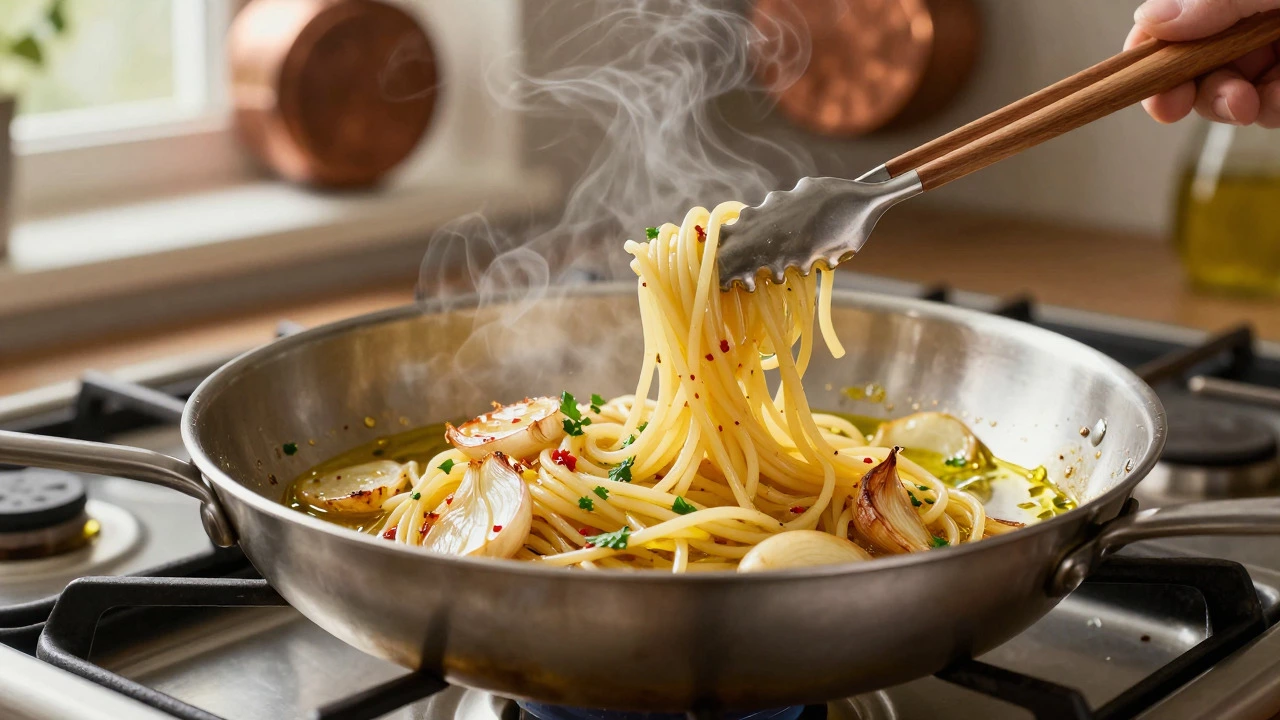
If you want to understand the soul of non-tomato pasta, start here. Aglio e Olio is a classic Italian pasta dish consisting of garlic, olive oil, chili flakes, and parsley. It sounds too simple to work, but that simplicity is exactly why it works. The goal is not just to coat the noodles in fat; it is to create an emulsion.
You need high-quality extra virgin olive oil for this. Heat it gently with thinly sliced garlic until the garlic turns golden brown-do not burn it, or the bitterness will ruin the dish. Add red pepper flakes for heat. The secret step? Toss the cooked pasta directly into the pan with a splash of starchy pasta water. Vigorously stir and toss. The water and oil combine to form a silky, glossy sauce that clings to every strand of spaghetti. Finish with chopped fresh parsley. This method teaches you the fundamental technique of using pasta water as a binding agent, which applies to almost all oil-based sauces.
Creamy Indulgences: Alfredo and Carbonara
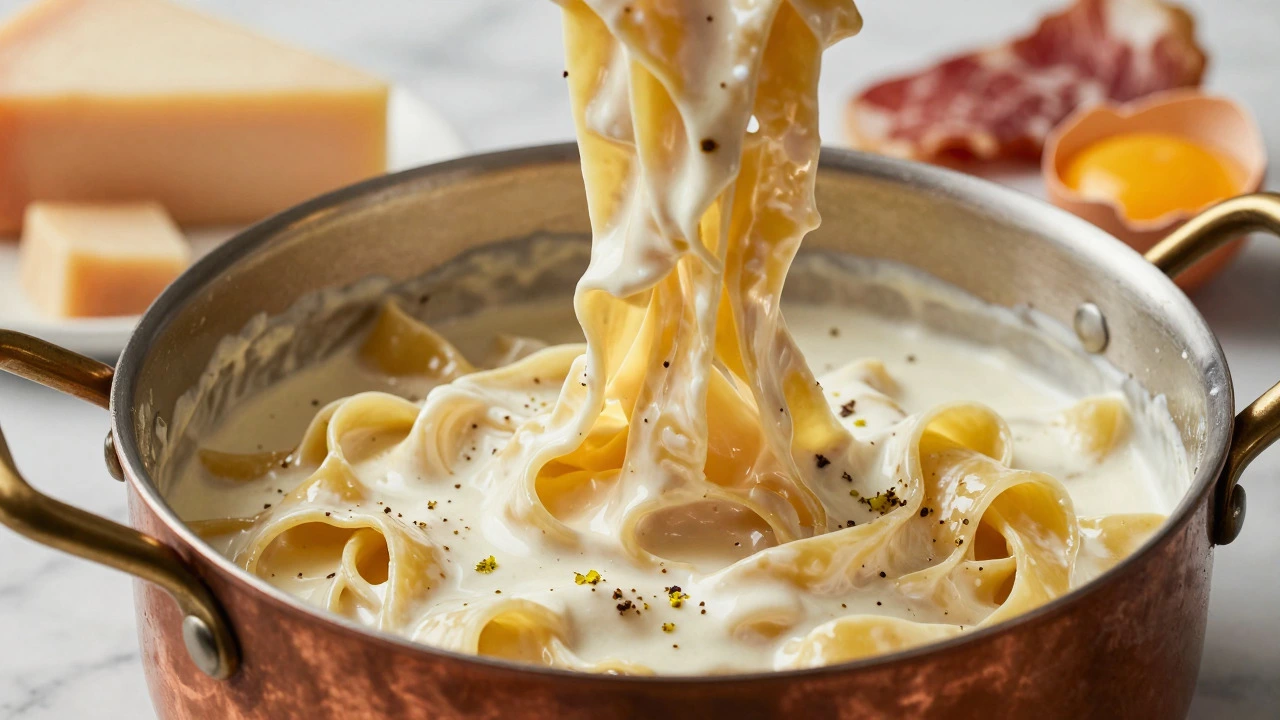
When you crave comfort food, dairy is your friend. However, there is a major difference between American-style cream sauces and traditional Italian preparations. Real Carbonara is a Roman pasta dish made with eggs, hard cheese, cured pork, and black pepper. Noticeably absent? Heavy cream. Traditional carbonara relies on the emulsion of egg yolks, Pecorino Romano cheese, and pasta water to create a luxurious texture. If you add cream, you mask the sharp, salty flavor of the cheese and the richness of the egg.
For those who prefer a simpler route, a basic white sauce using heavy cream, parmesan, and nutmeg is incredibly satisfying. Simmer heavy cream with minced shallots, then stir in grated Parmigiano-Reggiano until melted. Toss with fettuccine or penne. For a modern twist, try a lemon-garlic cream sauce. Sauté garlic in butter, deglaze with white wine, add cream, and finish with fresh lemon zest and juice. The acidity cuts through the fat, making the dish feel lighter despite the richness. These sauces pair exceptionally well with roasted chicken, shrimp, or sautéed mushrooms.
Herb Butter and Fresh Greens
Butter brings a different kind of richness compared to olive oil or cream. A brown butter sage sauce is a fall favorite that requires minimal effort. Melt unsalted butter in a skillet over medium heat. Watch it closely as the milk solids sink and turn golden brown, releasing a nutty aroma. Remove from heat immediately to prevent burning, then toss with fresh sage leaves until they crisp up. Pour this fragrant butter over wide ribbons of pappardelle or tagliatelle. Top with toasted pine nuts and shaved Parmesan.
You can also elevate simple butter by blending it with fresh herbs. Make a compound butter by mixing softened butter with finely chopped basil, chives, thyme, and a squeeze of lemon juice. Roll it into a log, chill it, and slice off rounds to melt over hot pasta. This technique allows you to customize flavors quickly. Try rosemary and lemon for a bright, aromatic profile, or mint and feta for a refreshing summer vibe. Herbs like basil, parsley, cilantro, and dill transform plain butter into a complex sauce base.
Vegan and Plant-Based Alternatives
Dairy-free does not mean flavor-free. Cashew cream has become a staple in vegan cooking because it mimics the texture of heavy cream perfectly. Soak raw cashews in hot water for 30 minutes, drain, and blend them with fresh water, nutritional yeast, garlic powder, and salt until completely smooth. Nutritional yeast adds a cheesy, umami depth that bridges the gap between plant-based and traditional flavors. Use this sauce for mac and cheese alternatives or toss it with broccoli rabe and pasta.
Another powerful tool is tahini. Mixed with lemon juice, maple syrup, and garlic, tahini creates a thick, savory sauce that pairs beautifully with roasted vegetables. Roast cauliflower florets until charred, then toss them with chickpeas and pasta in a tahini-lemon dressing. The result is hearty, protein-packed, and deeply satisfying. Pesto is another obvious choice, but remember that traditional pesto contains cheese. For a fully vegan version, swap Parmesan for nutritional yeast or toasted almonds, and ensure your pine nuts are high quality.
Seafood Broths and White Wine Reductions
If you have access to fresh seafood, you can create sophisticated sauces without any dairy or tomatoes. A white wine reduction forms the base for many elegant seafood pastas. Sauté shallots and garlic, deglaze the pan with dry white wine like Pinot Grigio or Sauvignon Blanc, and reduce it by half. Add fish stock or clam juice if available, and simmer until slightly thickened. Finish with a knob of cold butter whisked in at the end (a technique called *monter au beurre*) for gloss and body.
This light, briny sauce highlights the natural sweetness of shrimp, scallops, or mussels. Do not overcook the seafood; add it to the sauce at the very last minute. The residual heat of the pasta and sauce will cook the shrimp through. Garnish with fresh chives and a sprinkle of paprika. This approach feels luxurious and is surprisingly quick, taking less than 20 minutes from start to finish.
Pesto Variations Beyond Basil
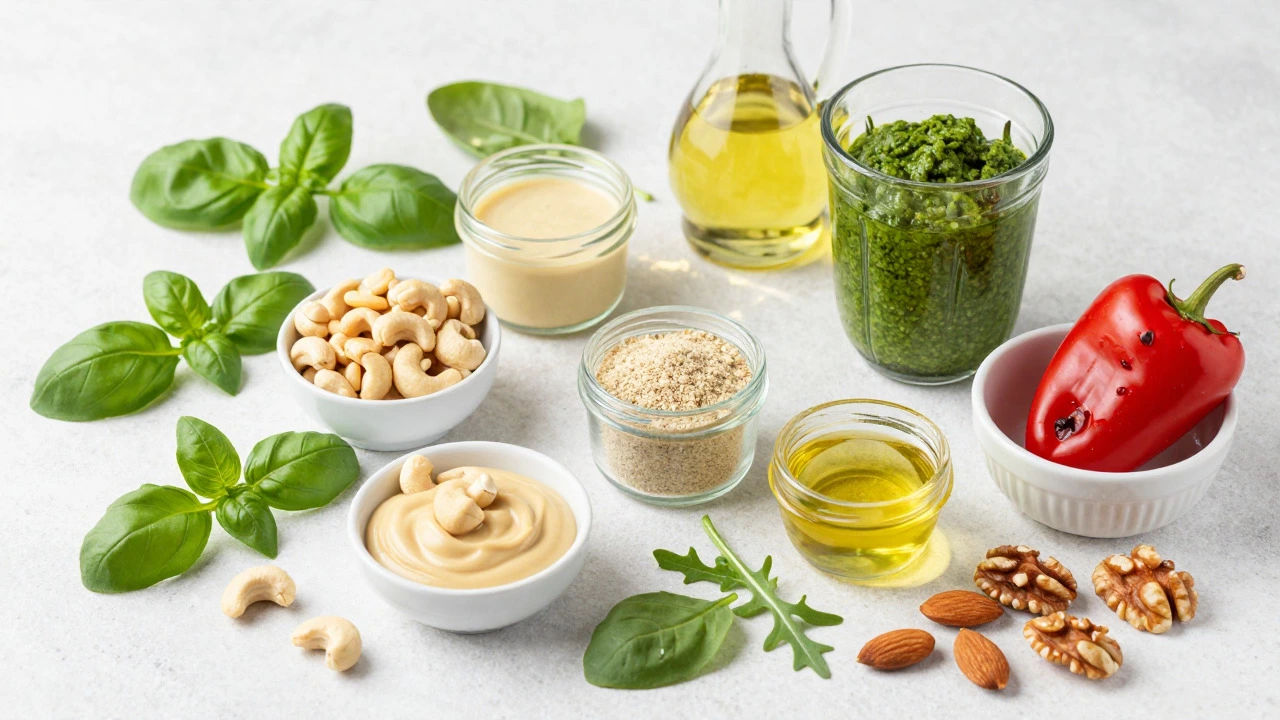
While Genovese basil pesto is famous, it is just one option. You can make pesto with almost any green leaf. Spinach pesto is milder and sweeter, making it great for kids. Arugula pesto offers a peppery kick that stands up well to strong cheeses. Kale pesto is nutrient-dense and earthy. The formula remains consistent: greens, nuts (pine nuts, walnuts, or almonds), garlic, olive oil, and cheese or nutritional yeast. Blend until coarse, preserving some texture.
Tomato isn't the only red option either. Roasted red pepper pesto is vibrant and sweet. Roast bell peppers until the skin blisters, peel them, and blend with garlic, olive oil, and walnuts. This sauce is fantastic on zucchini noodles or whole wheat pasta. Sun-dried tomato pesto offers an intense, concentrated flavor. Rehydrate sun-dried tomatoes in warm water, then blend with basil and olive oil. These variations allow you to use seasonal produce and reduce food waste by utilizing vegetable scraps or surplus greens.
| Sauce Type | Key Ingredients | Best Pasta Shape | Dietary Notes | Prep Time |
|---|---|---|---|---|
| Aglio e Olio | Olive oil, garlic, chili, parsley | Spaghetti, Linguine | Vegan, Gluten-Free option | 10 mins |
| Carbonara | Eggs, Pecorino, Guanciale, Pepper | Spaghettoni, Rigatoni | Contains Dairy, Pork | 15 mins |
| Cashew Cream | Soaked cashews, water, nutritional yeast | Penne, Fusilli | Vegan, Gluten-Free option | 30 mins (soaking) |
| Brown Butter Sage | Butter, sage, Parmesan | Pappardelle, Tagliatelle | Vegetarian | 10 mins |
| White Wine Reduction | White wine, shallots, butter, seafood | Fettuccine, Angel Hair | Contains Alcohol, Seafood | 20 mins |
Tips for Perfect Emulsification
The difference between greasy pasta and saucy pasta lies in emulsification. An emulsion is a mixture of two liquids that normally don't mix, like oil and water. To achieve this, you need three things: fat, liquid, and agitation. Always reserve a cup of starchy pasta water before draining. The starch acts as a binder, helping the oil and water combine into a stable sauce. When tossing pasta in the pan, do it vigorously. Use tongs to lift and fold the noodles repeatedly. This mechanical action breaks down the oil droplets and suspends them in the water. If the sauce looks separated or oily, add more pasta water and keep tossing. Heat also helps; the warmth of the pasta melts fats and activates starches, creating a cohesive coating.
FAQ
What is the easiest pasta sauce to make without tomatoes?
The easiest option is Aglio e Olio. It requires only olive oil, garlic, red pepper flakes, and parsley. You simply sauté the garlic in oil, toss it with cooked pasta and a splash of pasta water, and garnish with parsley. It takes less than 10 minutes and uses pantry staples.
Can I make a creamy pasta sauce without dairy?
Yes, cashew cream is an excellent dairy-free alternative. Soak raw cashews, blend them with water, nutritional yeast, and garlic until smooth. This creates a rich, creamy texture that mimics heavy cream. Tahini mixed with lemon juice and water is another quick vegan option.
Why does my oil-based pasta taste greasy instead of saucy?
Greasy pasta usually means the oil and water didn't emulsify properly. Ensure you are using starchy pasta water and tossing the pasta vigorously in the pan while it is still hot. The agitation and starch are crucial for binding the oil to the noodles. Adding a little acid, like lemon juice, can also help balance the richness.
What vegetables pair well with non-tomato pasta sauces?
Roasted vegetables like broccoli, cauliflower, and Brussels sprouts work wonderfully with creamy or olive oil sauces. Sautéed spinach, kale, or arugula adds freshness and color. Mushrooms provide an earthy umami flavor that complements butter and cream bases. Zucchini and cherry tomatoes (if you're avoiding tomato *sauce* but not the fruit) add brightness.
Is it okay to use butter instead of olive oil for pasta?
Absolutely. Butter adds a rich, velvety mouthfeel that olive oil cannot replicate. Brown butter, in particular, offers a nutty flavor that elevates simple dishes. Just be mindful of the smoke point; butter burns easily, so cook it over low to medium heat and remove it from the heat source once it foams and browns.