
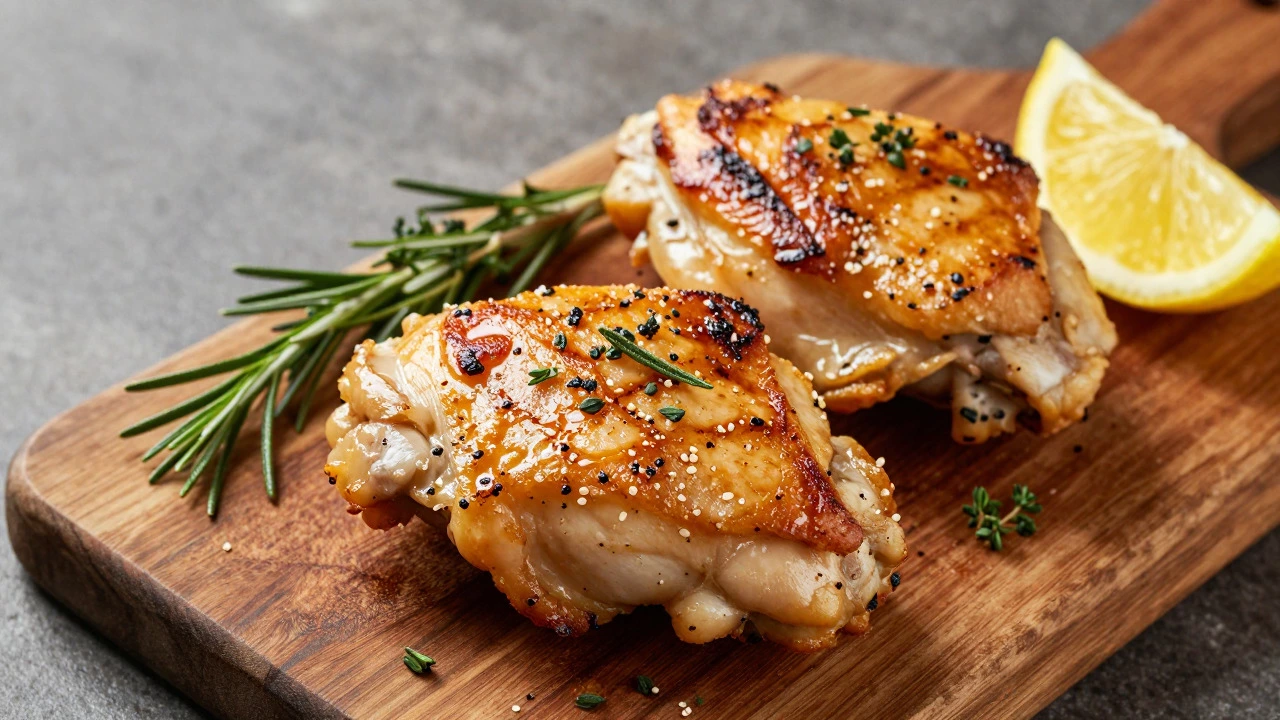
Chicken Seasoning Calculator
Enter the weight of your chicken to get precise measurements for dry brining and seasoning rubs based on pro chef techniques.
Ever pulled a piece of chicken out of the oven, only to take a bite and realize it tastes like... well, nothing? Or worse, dry cardboard with a hint of salt? It’s frustrating. You spent time prepping, you followed a recipe, but the result is bland. The good news is that bad-tasting chicken isn’t usually your fault-it’s just a lack of technique. Chicken is a blank canvas. It doesn’t have the strong fat content of beef or the distinct flavor of fish, so it relies entirely on how you treat it before and during cooking.
If you want to stop serving boring poultry, you need to change your approach from "cooking" to "flavor building." This isn't about buying expensive cuts; it's about using science and simple kitchen tricks to transform ordinary meat into something memorable. Here is exactly how to make chicken taste better, starting from the moment you buy it.
The Secret Weapon: Brining and Salting
Most people skip this step because they think it takes too long. But if there is one thing that guarantees juicy, flavorful chicken, it is proper salting. There are two ways to do this: dry brining and wet brining.
Dry Brining is the process of salting raw chicken in advance to draw out moisture, which then dissolves the salt and gets reabsorbed, breaking down proteins and retaining water during cooking. This is my go-to method. Take your chicken thighs or breasts, pat them completely dry with paper towels, and rub them generously with kosher salt. Aim for about 1 teaspoon of salt per pound of meat. Place the chicken on a wire rack over a baking sheet and leave it uncovered in the fridge for at least four hours, or ideally overnight.
Why does this work? The salt penetrates the muscle fibers, denaturing the proteins so they can hold onto more water when heated. The result? Chicken that stays moist even if you accidentally overcook it slightly. If you’re short on time, you can wet brine by submerging the chicken in a solution of water, salt, and sugar (about 1 cup salt and 1 cup sugar per gallon of water) for 30 minutes to an hour. Just remember to rinse the chicken and pat it dry afterward.
Don’t Forget the Acid
Salt adds depth, but acid adds brightness. Without acid, your chicken will taste flat, no matter how much garlic or herbs you add. Think about the last time you ate a lemon wedge with seafood or put balsamic vinegar on steak. That tang cuts through the richness and wakes up your palate.
Incorporate acid early in the process. Marinate your chicken in lemon juice, lime juice, apple cider vinegar, or buttermilk. Buttermilk is particularly effective for fried chicken because the lactic acid tenderizes the meat while the dairy solids help create a crispy crust. For roasted chicken, toss the pieces in olive oil and fresh lemon juice before adding your herbs. Even a splash of white wine vinegar in the pan while deglazing after searing can lift the entire dish’s flavor profile.
Master the Maillard Reaction
If your chicken looks pale and gray, it probably tastes dull too. The key to rich, savory flavor is the Maillard reaction-the chemical process that occurs when amino acids and reducing sugars react under high heat, creating browned surfaces and complex aromas.
To get this browning, you need three things: heat, dryness, and space.
- Heat: Your pan needs to be hot before the chicken hits it. Use cast iron or stainless steel for the best sear. Avoid non-stick pans if you want serious color, as they don’t retain heat as well.
- Dryness: Moisture is the enemy of browning. Water boils at 212°F (100°C), but browning starts around 300°F (150°C). If your chicken is wet, it will steam instead of sear. Pat it extremely dry before cooking.
- Space: Don’t crowd the pan. If the chicken pieces are touching, they release steam into each other’s spaces, lowering the temperature. Cook in batches if necessary.
When you sear chicken thighs or breasts, let them sit undisturbed for several minutes. When they release easily from the pan without sticking, you know you’ve got a good crust. That crust is pure flavor.
Layer Your Seasonings
Many home cooks rely solely on salt and pepper, which is fine for steaks but not enough for chicken. To build complexity, layer your seasonings. Start with a base of salt and black pepper, then add aromatics like garlic powder and onion powder. These powdered forms adhere better to the skin than fresh minced garlic, which can burn quickly.
Next, add warmth and earthiness. Smoked paprika gives a subtle bacon-like depth without the smoke. Cumin adds an earthy note that pairs beautifully with citrus. Chili flakes or cayenne provide a gentle heat that encourages saliva production, enhancing overall taste perception.
For a quick rub, try this combination: 1 tablespoon smoked paprika, 1 teaspoon garlic powder, 1 teaspoon onion powder, ½ teaspoon cumin, and ½ teaspoon black pepper. Mix this with 1 tablespoon of olive oil and massage it into the chicken before cooking. This creates a paste that sticks to the meat and ensures every bite is seasoned.
Use Fat as a Flavor Carrier
Flavor compounds are often fat-soluble, meaning they dissolve and spread better in fat than in water. Lean chicken breast has very little internal fat, so you need to add some externally. Butter, olive oil, and even duck fat can carry flavors deep into the meat.
Try basting your chicken while it roasts or pan-sears. Melt butter with crushed garlic cloves and thyme sprigs. As the chicken cooks, spoon this warm, aromatic butter over the top repeatedly. This not only keeps the surface moist but also infuses the meat with herbal notes. In French cuisine, this technique is called *arroser*, and it’s the secret behind restaurant-quality roasted chicken.
If you’re making shredded chicken for tacos or salads, cook it in broth instead of water. The collagen and fats in the broth break down and absorb into the meat, keeping it tender and flavorful throughout the cooking process.
Fresh Herbs vs. Dried Herbs
Knowing when to use fresh versus dried herbs makes a huge difference. Dried herbs are more concentrated and work best in long-cooking dishes like stews, braises, or marinades where they have time to rehydrate and release their oils. Fresh herbs are delicate and should be added at the end of cooking or used as a garnish to preserve their bright, volatile aromatics.
For example, rosemary and thyme are robust enough to withstand roasting alongside chicken for 45 minutes. They’ll impart a piney, earthy scent to the meat. Basil, cilantro, and parsley, however, lose their charm if cooked too long. Chop them finely and stir them into the sauce or sprinkle them over the finished dish. A handful of fresh chopped cilantro on top of grilled chicken transforms a simple meal into something vibrant and restaurant-worthy.
Resting Is Non-Negotiable
I know you’re hungry. I know you want to eat that chicken immediately. But cutting into it right away is a mistake. When chicken cooks, the juices move toward the center due to heat pressure. If you slice it open instantly, those juices spill out onto the cutting board, leaving you with dry meat.
Let the chicken rest for at least five to ten minutes after cooking. During this time, the muscle fibers relax, and the juices redistribute evenly throughout the meat. Tent it loosely with foil to keep it warm, but don’t seal it tightly, or the steam will soften any crispy skin you worked hard to achieve. Resting isn’t just about texture; it’s about ensuring every bite is as juicy as the first.
| Technique | Best For | Key Benefit |
|---|---|---|
| Dry Brining | Roasting, Grilling | Juiciness, Crispy Skin |
| Acid Marinade | Stir-fries, Tacos | Tenderizing, Brightness |
| Pan-Searing | Thighs, Breasts | Deep Savory Flavor (Maillard) |
| Basting with Butter | Whole Roast, Filets | Richness, Aroma Infusion |
| Fresh Herb Garnish | All Dishes | Freshness, Visual Appeal |
Troubleshooting Common Mistakes
Even with great techniques, things can go wrong. Here are the most common pitfalls and how to fix them.
The chicken is tough. This usually means it was overcooked or not marinated. Chicken breast is lean and dries out quickly. Use a meat thermometer and pull it off the heat at 160°F (71°C); it will continue to rise to 165°F (74°C) while resting. For tougher cuts like legs, low-and-slow cooking or braising breaks down connective tissue.
The flavor is one-dimensional. You likely relied on just one seasoning source. Add layers: salt for base, acid for brightness, fat for richness, and herbs for aroma. If a dish tastes "off," ask yourself what’s missing. Usually, it’s salt or acid.
The skin is soggy. Soggy skin happens when moisture builds up. Ensure the skin is dry before cooking. If roasting, place the chicken on a rack so air circulates underneath. If pan-frying, don’t cover the pan, which traps steam.
What is the best spice for chicken?
There is no single "best" spice, but smoked paprika, garlic powder, and onion powder form a versatile trio that works with almost any chicken dish. For heat, add cayenne or chili flakes. For earthiness, try cumin or coriander. Always pair spices with salt and acid to unlock their full potential.
How do I prevent chicken from drying out?
The most effective method is dry brining with salt for several hours before cooking. Additionally, avoid overcooking by using a meat thermometer and removing the chicken from heat at 160°F (71°C). Let it rest for 5-10 minutes to allow juices to redistribute.
Can I use buttermilk to make chicken taste better?
Yes, buttermilk is excellent for both flavor and texture. The acidity tenderizes the meat, while the dairy solids contribute to a richer taste and crispier coating if frying. Marinate chicken in buttermilk for at least 4 hours, preferably overnight.
Why does my chicken taste bland even with seasoning?
Blandness often stems from insufficient salt or lack of acid. Salt enhances natural flavors, while acid (like lemon juice or vinegar) brightens them. Ensure you are seasoning all sides of the chicken and consider adding a splash of acid during or after cooking.
Should I cook chicken with the skin on or off?
Cooking with the skin on protects the meat from drying out and adds significant flavor and texture. Render the fat from the skin to baste the meat. You can remove the skin before eating if you prefer lower calories, but keep it on during the cooking process for the best results.