
Southern Comfort Food Explorer
Click on a dish below to explore its key ingredients, traditional cooking method, and flavor profile. Learn what makes these classics iconic.
Fried Chicken
Crispy exterior, juicy interior.
Collard Greens
Smoky, tender, earthy greens.
Grits
Creamy stone-ground corn porridge.
Biscuits & Gravy
Flaky biscuits with sausage gravy.
Pecan Pie
Sweet, caramel-like nut dessert.
Mac & Cheese
Baked casserole with sharp cheddar.
Key Ingredients
Cooking Method
Flavor Profile
Cultural Note
Select a dish above to view detailed information about its preparation and history.
You know that feeling when you bite into a piece of fried chicken so crispy it shatters, or spoon up collard greens that have been simmering for hours until they’re tender and smoky? That’s not just dinner. That’s Southern comfort food a regional cuisine originating in the American South, characterized by hearty ingredients, slow-cooking methods, and deep historical roots in African, European, and Native American traditions. It’s the culinary equivalent of a warm hug on a rainy day.
But what actually makes a dish "Southern"? Is it just the heat index? Or is there something deeper going on with the ingredients and the people who cooked them? If you’ve ever wondered why mac and cheese tastes different in Atlanta than it does in London, or why grits are a staple while polenta is often an afterthought, you’re asking the right questions. This isn’t just about eating; it’s about understanding a culture that turned scarcity into abundance and hardship into flavor.
The Historical Roots of Southern Flavor
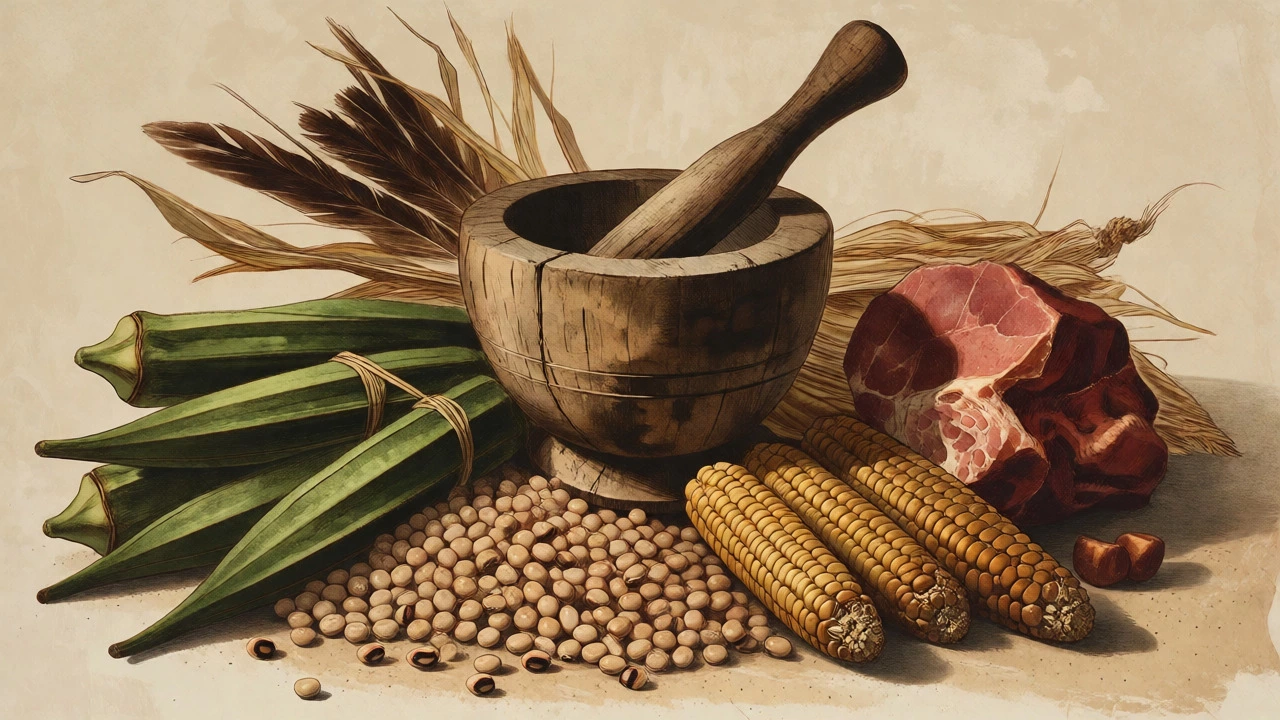
To understand the plate, you have to look at the history. Southern comfort food didn’t appear out of thin air. It was forged in the crucible of slavery, poverty, and adaptation. Enslaved Africans brought agricultural knowledge and cooking techniques from West Africa, including the cultivation of okra, black-eyed peas, and watermelon. They combined these with ingredients provided by plantation owners-often the less desirable cuts of meat like pig feet, intestines (chitlins), and neck bones-and Native American staples like cornmeal and squash.
This fusion created a unique culinary identity. The technique of slow-cooking tough cuts of meat to make them edible wasn’t just a preference; it was a necessity. Over time, this necessity became a virtue. The long hours spent simmering beans or frying chicken weren’t wasted effort; they were acts of love and community. Today, when we talk about Soul Food a distinct subset of Southern cuisine rooted in African American tradition, emphasizing resourcefulness and communal dining, we are acknowledging this specific lineage. While all Soul Food is Southern, not all Southern food is strictly Soul Food, but the two are inextricably linked in their origins and spirit.
Key Ingredients That Define the Cuisine
If you walk into a pantry in Georgia or Alabama, you’ll see certain items repeated again and again. These aren’t random choices; they are the building blocks of the region’s flavor profile. Understanding these ingredients helps you replicate the taste authentically, whether you’re in Manchester or Mississippi.
Corn is king. From Grits a porridge made from boiled cornmeal, typically served as a side dish or breakfast item to cornbread, this grain provides the base for many meals. But it’s not just any corn; it’s stone-ground, giving it a gritty texture and nutty flavor that instant varieties can’t match. Then there’s pork. In the South, pigs were historically easier to raise than cattle, leading to a heavy reliance on pork products like bacon grease, ham hocks, and salt pork. These fats add richness to vegetables and legumes that olive oil simply cannot replicate.
Vegetables play a crucial role too, but they are treated differently than in other cuisines. Greens like collards, kale, and mustard greens are cooked down with smoked meats until they lose their bitterness and become savory. Okra, often misunderstood outside the South due to its slimy texture when cooked improperly, becomes deliciously crisp when fried or adds natural thickening power to gumbo. And let’s not forget hot sauce and pepper vinegar, which provide the necessary acid and heat to cut through the richness of fried foods.
Iconic Dishes You Need to Know
So, what does this actually look like on a plate? While there are thousands of variations, a few dishes stand out as pillars of the genre. Knowing these will help you navigate menus or plan your own Sunday dinners.
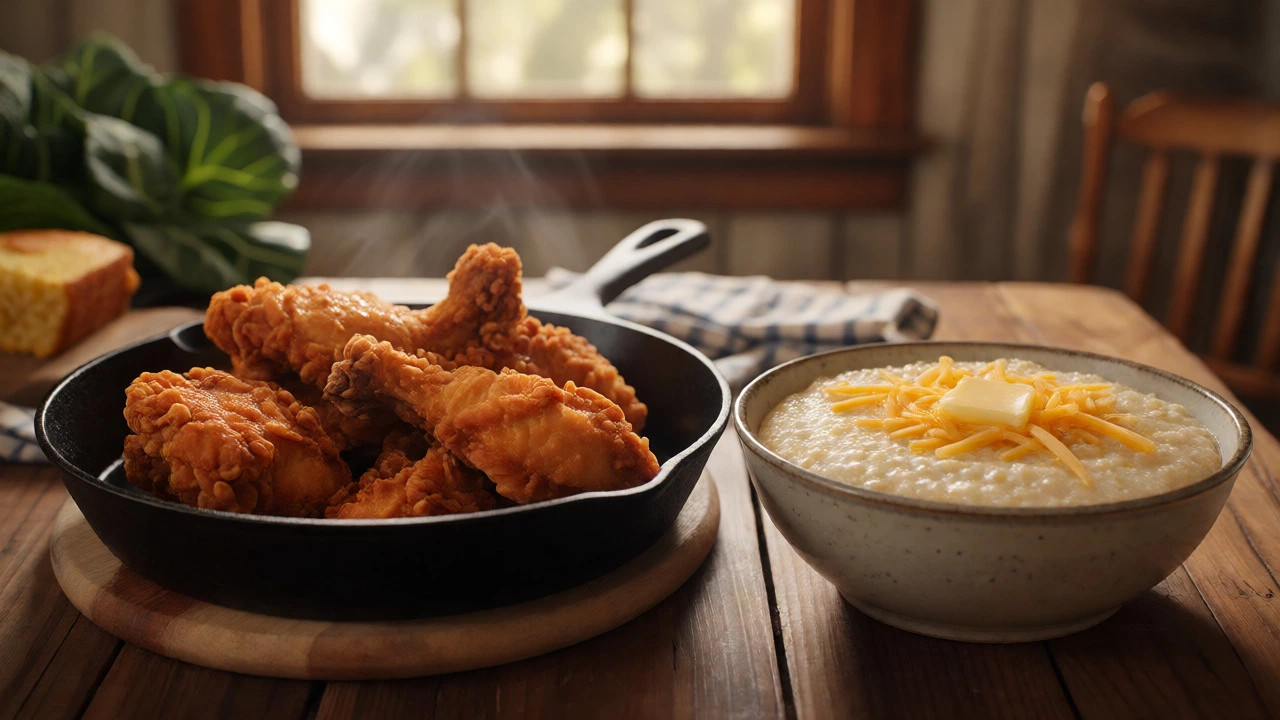
Fried Chicken a dish of chicken pieces coated in seasoned flour and pan-fried or deep-fried, known for its crispy exterior and juicy interior is arguably the ambassador of Southern food. The secret lies in the brine and the double-dredge method, ensuring the crust stays crunchy even under gravy. Speaking of gravy, Biscuits and Gravy a breakfast dish consisting of soft leavened biscuits topped with white sausage gravy is another cornerstone. Unlike British scones, Southern biscuits are flaky, buttery, and designed to soak up rich, peppery gravy made from sausage drippings and milk.
Then there’s Macaroni and Cheese a pasta dish with melted cheese, often baked with a breadcrumb topping in the Southern style. Forget the boxed blue variety. Southern mac and cheese is a casserole, often made with sharp cheddar and eggs, baked until golden brown. It’s dense, cheesy, and comforting in the most literal sense. On the sweeter side, Pecan Pie a dessert pie featuring pecans in a filling of sugar, eggs, and butter represents the region’s affinity for nuts and sweeteners, offering a sticky, caramel-like sweetness that pairs perfectly with strong coffee.
| Dish | Primary Ingredient | Cooking Method | Flavor Profile |
|---|---|---|---|
| Fried Chicken | Chicken, Flour, Oil | Deep Frying | Crispy, Salty, Savory |
| Collard Greens | Collards, Ham Hock | Slow Simmering | Smoky, Earthy, Tender |
| Grits | Cornmeal, Water/Milk | Boiling/Stirring | Creamy, Nutty, Mild |
| Biscuits & Gravy | Flour, Sausage, Milk | Baking/Simmering | Buttery, Peppery, Rich |
| Pecan Pie | Pecans, Sugar, Eggs | Baking | Sweet, Caramel, Nutty |
The Art of Slow Cooking and Community
One thing you’ll notice immediately if you try to cook Southern food is the time commitment. You can’t rush a pot of beans. You can’t hurry the rendering of lard. This isn’t inefficiency; it’s intentionality. In the past, women in households would start preparing meals early in the morning to ensure everything was ready for midday supper, which was traditionally the main meal of the day.
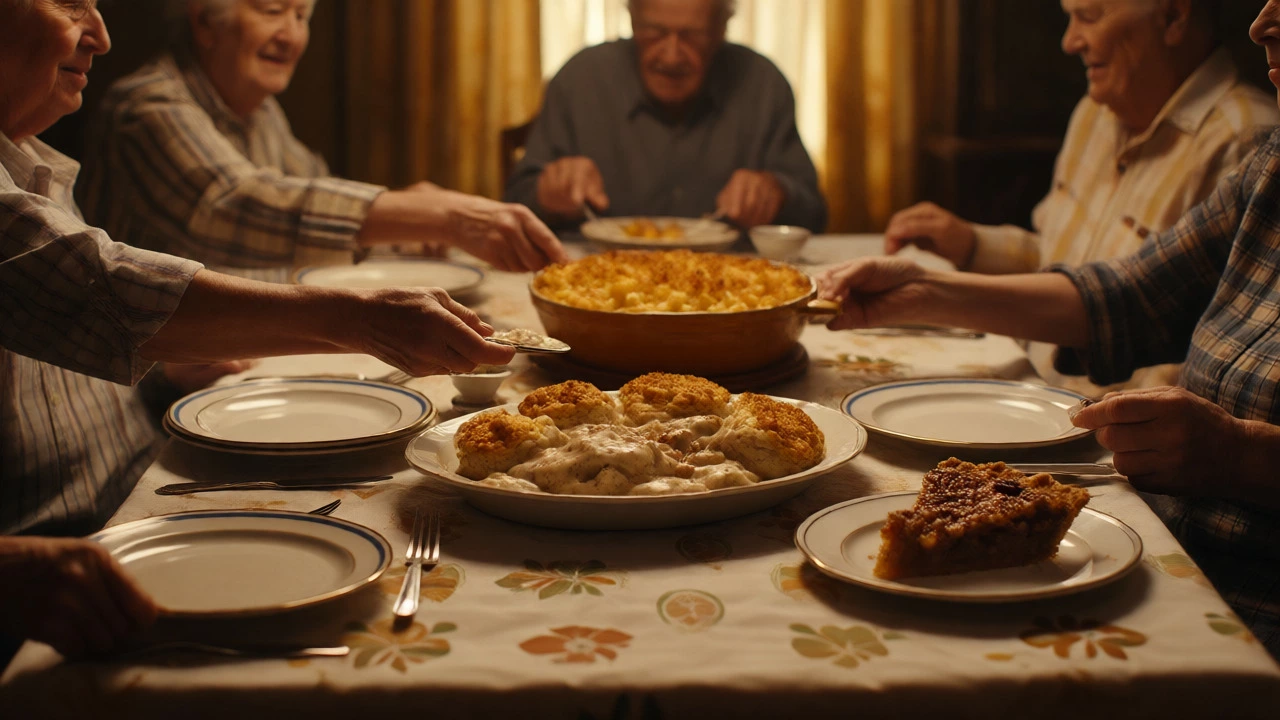
This slow pace fosters community. Because the food takes time, the kitchen becomes a social hub. Neighbors drop by, children help shell peas, and stories get shared over steaming pots. Even today, many families maintain the tradition of "Sunday Dinner," where multiple generations gather around a table laden with casseroles and sides. It’s less about the nutritional breakdown and more about the ritual of sharing time and space. The act of feeding others is seen as a primary expression of care and hospitality, a value deeply embedded in Southern culture.
Modern Twists and Health Considerations
Let’s be honest: traditional Southern food isn’t exactly light. It’s heavy on fats, carbs, and sodium. For decades, this led to health concerns, particularly regarding heart disease and diabetes in the region. But the narrative is changing. Modern chefs are reimagining these classics without losing their soul.
Take fried chicken, for example. Chefs are now experimenting with air-frying or using alternative oils to reduce the calorie count while maintaining that essential crunch. Collard greens are being paired with turkey instead of pork for lower saturated fat content. There’s also a rise in "New Southern" cuisine, which incorporates local, organic produce and lighter preparations. You might find a deconstructed shrimp and grits or a kale salad with candied pecans instead of the heavy cream-based versions.
However, purists argue that stripping away the fat removes the flavor. Bacon grease carries flavor molecules that vegetable oil doesn’t. The goal isn’t necessarily to make every dish "healthy" by modern standards, but to find balance. Eating a slice of pound cake once a week is fine; eating it daily might not be. The key is moderation and awareness, allowing you to enjoy the heritage without compromising your well-being.
How to Start Cooking Southern at Home
You don’t need a cast-iron skillet the size of a manhole cover to get started, though it helps. Here are three simple steps to bring some Southern warmth into your kitchen in Manchester:
- Master the Biscuit: Start with a basic biscuit recipe. Use cold butter and handle the dough as little as possible. This ensures flakiness. Serve them warm with honey butter.
- Simmer Your Greens: Buy a bag of pre-washed collard greens. Chop them roughly. Fry some diced bacon in a large pot, remove the bacon, then sauté onions in the grease. Add the greens, chicken stock, and a splash of apple cider vinegar. Simmer for an hour until tender. Stir the bacon back in before serving.
- Elevate Grits: Don’t use instant grits. Buy stone-ground grits. Cook them slowly in milk and water, stirring frequently. Finish with plenty of butter and shredded cheddar cheese. Top with a fried egg for a complete meal.
These small changes introduce you to the core textures and flavors of the cuisine. As you get comfortable, you can move on to more complex dishes like jambalaya or red beans and rice.
Is Southern comfort food the same as Soul Food?
Not exactly, though they overlap significantly. Soul Food is specifically rooted in African American history and culture, focusing on the dishes developed by enslaved people and their descendants. Southern comfort food is a broader term that includes all regional dishes from the American South, including those influenced by Scotch-Irish, German, and French traditions. However, many iconic dishes like collard greens and black-eyed peas are central to both categories.
Why is fried chicken such a big deal in the South?
Historically, chickens were easier to raise and slaughter than larger livestock like cows. Fried chicken allowed cooks to utilize the whole bird and preserve it through frying. Over time, it became a symbol of celebration and hospitality because it required significant labor and resources to prepare properly, making it special for guests and holidays.
Can I make Southern comfort food healthy?
Yes, but it requires modification. Traditional recipes rely heavily on animal fats and refined carbs. To make it healthier, you can bake instead of fry, use turkey or lean meats instead of pork, increase the ratio of vegetables to starch, and control portion sizes. Many modern restaurants offer "lighter" versions of classics that retain the flavor profile while reducing calories and saturated fats.
What is the difference between grits and polenta?
Both are made from corn, but the type of corn differs. Grits are made from hominy (corn treated with an alkali solution to remove the hull and germ) or stone-ground dent corn, resulting in a softer, creamier texture. Polenta is made from flint corn, which has a harder kernel and yields a grainier, firmer texture. Grits are also typically cooked longer and stirred more vigorously to achieve their signature consistency.
Do I need special equipment to cook Southern food?
While not strictly necessary, a cast-iron skillet is highly recommended. It retains heat evenly, which is crucial for frying chicken and searing meats. A large Dutch oven is also useful for slow-cooking beans and stews. However, you can start with standard pots and pans; the techniques matter more than the tools.