
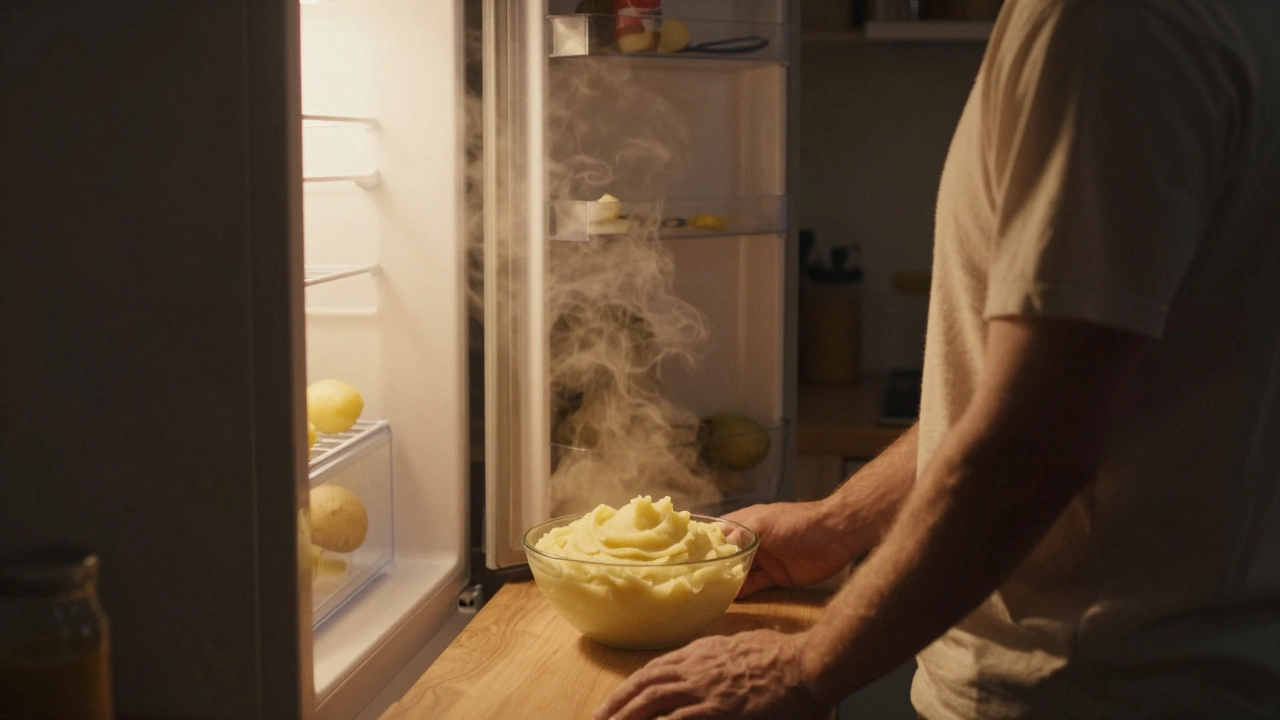
Ever find yourself standing in front of the fridge at 11 p.m., staring at last night’s mashed potatoes like they’re the only thing keeping you sane? You didn’t eat dinner. You’re not even hungry. But you still reach for it anyway. That’s comfort food. Not because it’s delicious in the moment, but because it feels like a hug from your past.
It’s Not About Hunger
Comfort food doesn’t satisfy your stomach. It soothes your mind. A 2023 study from the University of Michigan found that people who ate familiar meals during stressful times showed a 22% drop in cortisol levels within 20 minutes-no matter if the meal was mac and cheese, chicken soup, or burnt toast with jam. The brain doesn’t care about nutrition. It cares about memory.
Think about the last time you felt overwhelmed. Maybe it was a bad day at work, a breakup, or just the quiet loneliness of a Monday night. You didn’t search for gourmet. You searched for remembered. The smell of buttery noodles your grandma made. The texture of warm apple pie with ice cream that used to mean Sunday nights. Those flavors aren’t just taste-they’re time machines.
Why Some Foods Stick With Us
Not every meal becomes comfort food. It has to be tied to safety, routine, or love. The foods we cling to are usually simple, carb-heavy, and rich in fat or sugar. Why? Because those ingredients trigger dopamine and serotonin release-the same chemicals activated by cuddling, laughing, or hearing your favorite song.
Take British shepherd’s pie. It’s just minced beef, peas, and mashed potato. No fancy spices. No chef’s touch. But for millions in the UK, it’s the taste of winter evenings, the radio playing, and your mum calling you in from the cold. That’s why it sticks. Not because it’s perfect. Because it’s known.
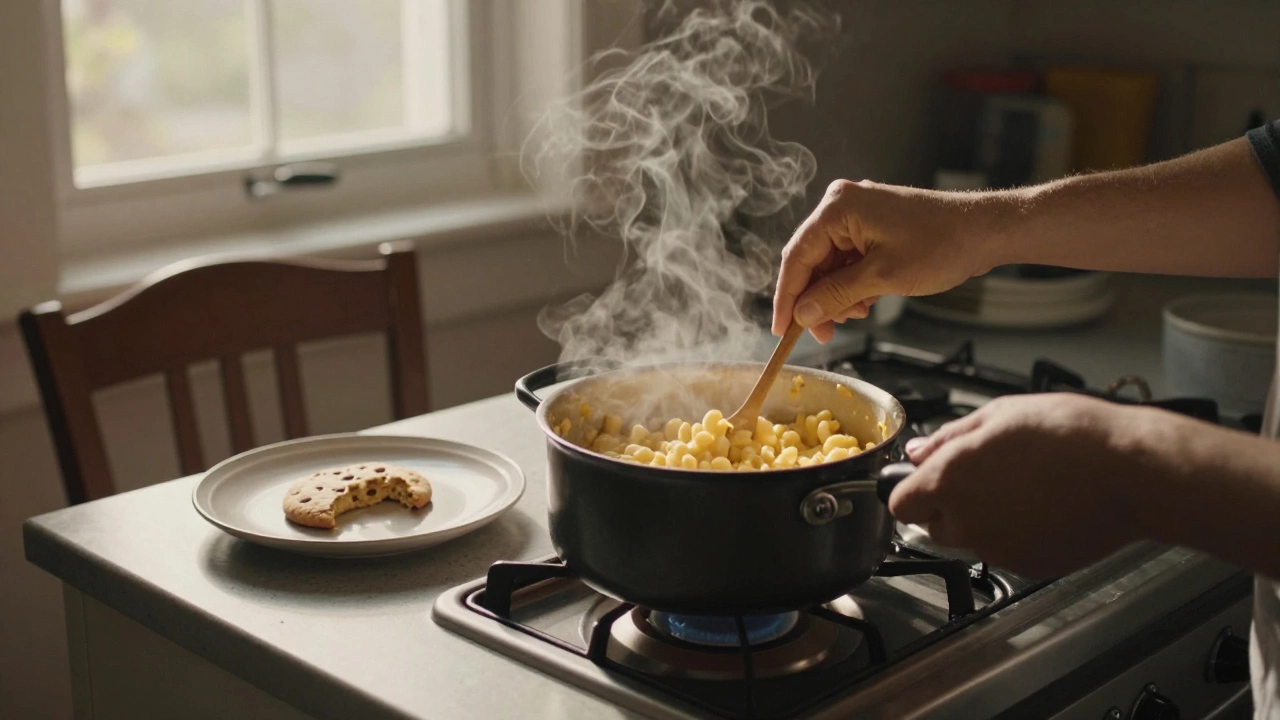
Same with American mac and cheese. Or Japanese curry rice. Or Polish pierogi. These aren’t restaurant dishes. They’re home dishes. Made with leftovers. Cooked in the same pot for years. The recipe rarely changes. And that’s the point.
What You’re Really Craving
When you reach for comfort food, you’re not craving calories. You’re craving control. When life feels chaotic-when bills pile up, sleep disappears, or relationships crack-you can’t fix it all. But you can boil water. You can stir a pot. You can make something that once made you feel safe.
That’s why people make grilled cheese during breakups. Why someone bakes banana bread after losing a job. Why a teenager fries up frozen nuggets after a bad exam. It’s not about food. It’s about ritual. About saying: I still know how to take care of me.
There’s a reason why comfort food recipes rarely have more than five ingredients. Complexity is the enemy of comfort. You don’t want to think. You want to feel.
How to Make Comfort Food That Actually Helps
Not all comfort food is created equal. A bag of chips eaten alone in the dark won’t heal anything. But a warm bowl of soup made slowly, with someone else in the room-even if you’re both quiet-can change your whole day.
Here’s how to make comfort food work for you, not against you:
- Choose one dish you genuinely associate with safety. Not what’s trendy. Not what’s on Instagram. What made you feel loved as a kid or during a hard time.
- Make it yourself. Don’t order it. The act of stirring, chopping, tasting, adjusting-that’s the therapy.
- Don’t eat it while scrolling. Sit down. Use a real plate. Light a candle if you want. Be present.
- Invite someone. Even if they don’t eat. Just being near another human while you eat something familiar makes it feel less lonely.
- Let it be imperfect. Burnt edges? Too salty? Doesn’t matter. It’s still yours.
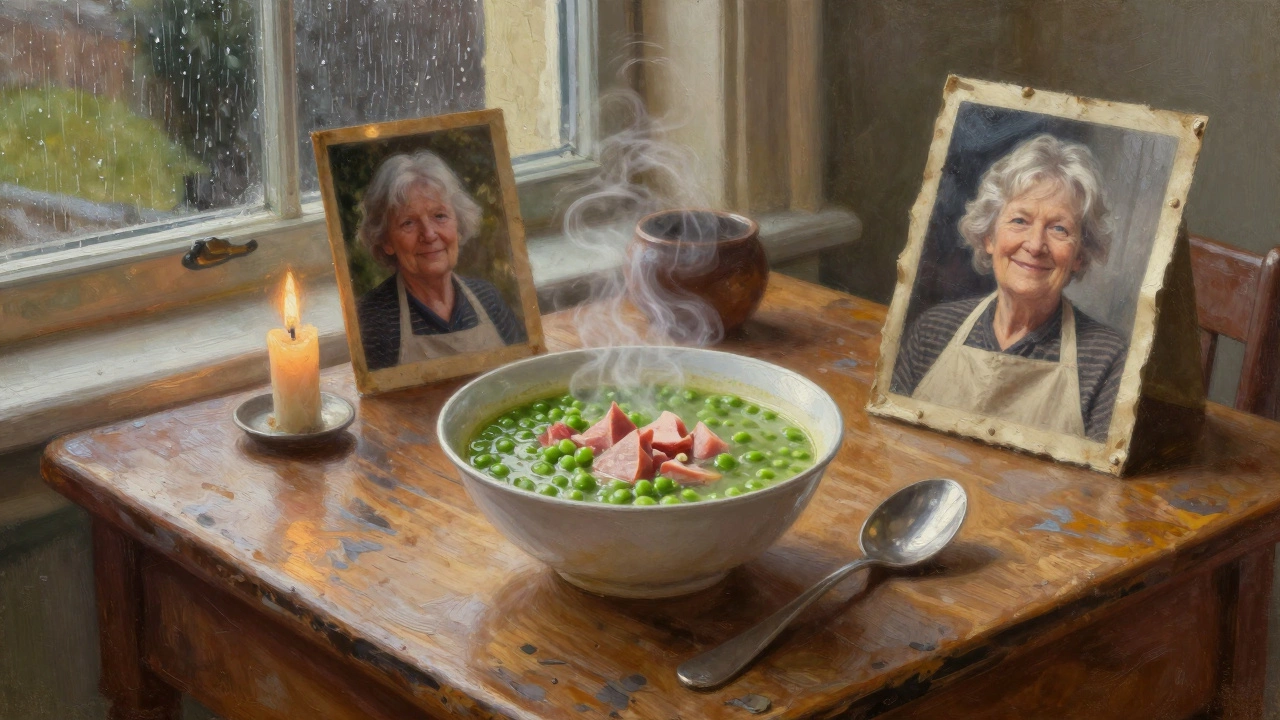
One woman I know in Manchester makes her mother’s pea and ham soup every Friday. Her mum passed away five years ago. She doesn’t cook it because she’s sad. She cooks it because it’s the one thing that still feels like her mum is there.
It’s Okay to Need This
Society tells us comfort food is lazy. That we should eat kale and meditate instead. But emotions don’t care about diet trends. You can’t talk yourself out of grief. You can’t will away anxiety with a smoothie.
Comfort food isn’t weakness. It’s wisdom. It’s your body remembering what worked before. What held you together when nothing else did.
There’s no shame in needing a bowl of creamy tomato soup on a rainy Tuesday. No shame in crying while eating warm chocolate chip cookies straight from the oven. That’s not failure. That’s survival.
What to Try If You’re Starting From Scratch
If you don’t have a go-to comfort dish yet, start simple. Try one of these, made slowly, with intention:
- Scrambled eggs with toast-the kind your mum made when you were sick. Add a pinch of black pepper. No fancy cheese. Just butter and bread.
- Instant oatmeal with a splash of milk and a spoon of honey-warm, quiet, slow. Eat it by a window.
- Grilled cheese with tomato soup-the classic for a reason. Use real bread. Don’t microwave the soup.
- Plain rice with soy sauce and a fried egg-simple, salty, grounding. Used in homes from Tokyo to Toronto.
- Hot cocoa with marshmallows-yes, even as an adult. Make it on the stove. Don’t use powder.
Don’t look for the perfect recipe. Look for the one that makes you pause. The one that makes you say, ‘I remember this.’
Comfort Food Isn’t a Problem. It’s a Lifeline.
There’s no need to ‘get over’ your love for mashed potatoes or chicken pot pie. You don’t have to replace them with quinoa bowls or matcha lattes. Those things have their place. But when the world feels too loud, too heavy, too much-you reach for what’s quiet. What’s known. What’s yours.
That’s not indulgence. That’s self-care. That’s how humans have survived for thousands of years: by holding onto the things that remind us we’re not alone.
So go ahead. Make the dish. Eat it slowly. Let it warm you from the inside out. You deserve that kind of comfort. No explanation needed.
Why do I feel guilty after eating comfort food?
Guilt comes from mixing emotions with rules. You’ve been told that ‘good’ food is low-calorie, low-sugar, or ‘healthy.’ But comfort food isn’t about nutrition-it’s about emotional repair. Feeling guilty means you’re treating a healing tool like a vice. It’s okay to eat what soothes you. Your body knows what it needs, even if your brain was taught to feel bad about it.
Can comfort food be healthy?
Yes, but not by forcing it to be. You can make chicken noodle soup with homemade broth and extra veggies. You can bake oatmeal cookies with mashed banana instead of sugar. But if you’re changing the dish so much it no longer feels like the one you remember, you’ve lost the point. Comfort isn’t in the ingredients-it’s in the memory. Make it better if you can, but don’t make it different just to feel better about eating it.
Is it bad to eat comfort food every day?
It’s not about frequency-it’s about intention. If you’re eating it because you’re bored, distracted, or avoiding something, it can become a habit that masks deeper needs. But if you’re eating it because you need to feel held, grounded, or safe-then daily comfort food is self-care, not self-sabotage. The key is awareness. Ask yourself: ‘Am I eating this to feel better, or to feel nothing?’
What if I don’t have childhood comfort food memories?
That’s okay. Comfort food isn’t tied to childhood. It’s tied to safety. Maybe it’s the soup your best friend made you after your dog died. Or the ramen you ate during your first year in a new city. Or the toast you made yourself after a sleepless night. Find the meal that made you feel less alone-even once-and hold onto it. That’s your comfort food now.
Why do I crave different comfort foods in winter vs. summer?
Your body and mind respond to environment. In winter, you crave warmth, heaviness, and closeness-so thick stews, hot drinks, and baked goods make sense. In summer, you might crave something cool and simple, like a cold pasta salad or a creamy pudding. It’s not about seasons-it’s about what your nervous system needs to feel calm. Winter asks for a blanket. Summer asks for a breeze. Your food follows.