
Perfect Chicken Temp & Brine Calculator
Stop-Cooking Guide
Select your cut to see the exact temperature to remove from heat.
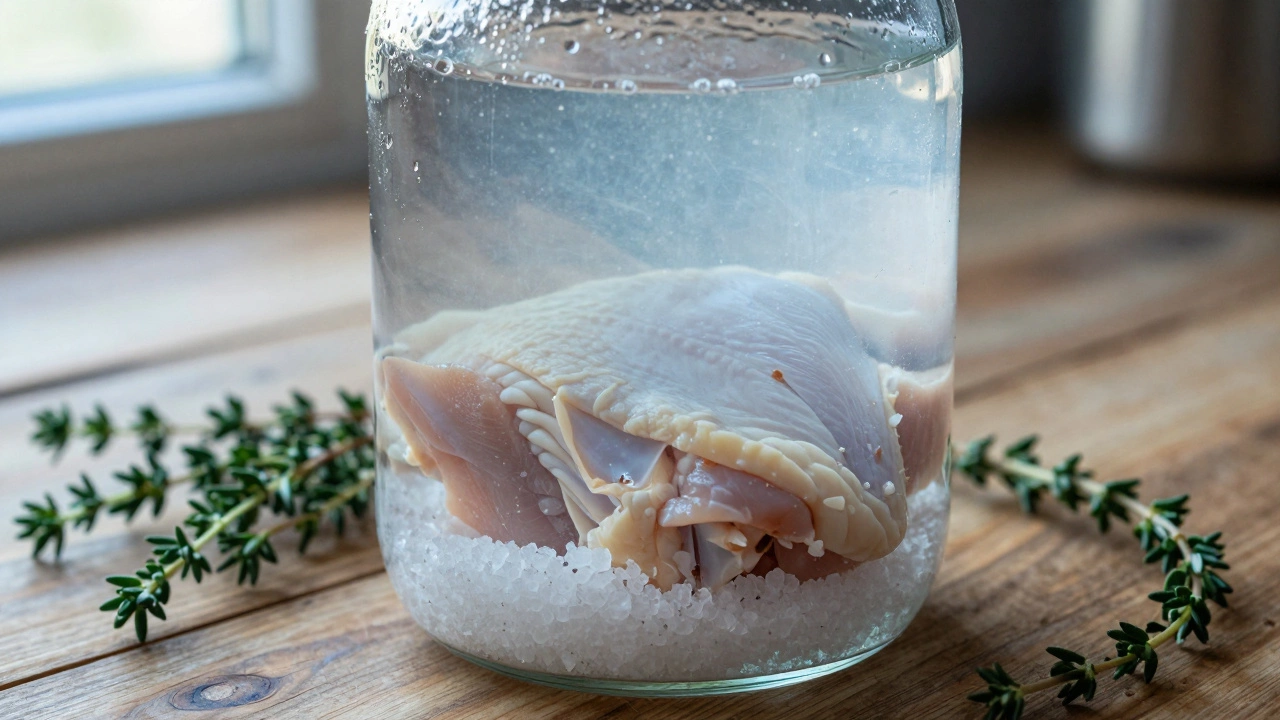
Moisture-Lock Brine
Calculate the perfect 1:4 ratio for tenderizing.
Ever bite into a perfectly seasoned chicken breast only to find it dry and stringy? You're not alone. Most home cooks struggle with chicken turning out tough because they overlook how heat affects its muscle fibers. The good news? Keeping poultry soft and juicy relies on controlling three variables: preparation, temperature, and timing.
Why Chicken Dries Out Before It Cooks
When raw chicken hits high heat, proteins called myosin contract violently, squeezing out moisture trapped between fibers. Brining disrupts this process by allowing salt to penetrate cells beforehand. Imagine soaking a sponge in water-it holds liquid better than a dry one. A simple brine (1/4 cup salt per liter water) left for 30 minutes lets water molecules bond with proteins, creating a moisture buffer during cooking.
The Golden Rule: Temperature Control
| Cut Type | Minimum Temp (°F) | Carryover Cook Rise |
|---|---|---|
| Breasts | 155-160°F | +5°F |
| Thighs/Legs | 170°F | +10°F |
| Whole Bird | 165°F (thickest thigh) | +7°F |
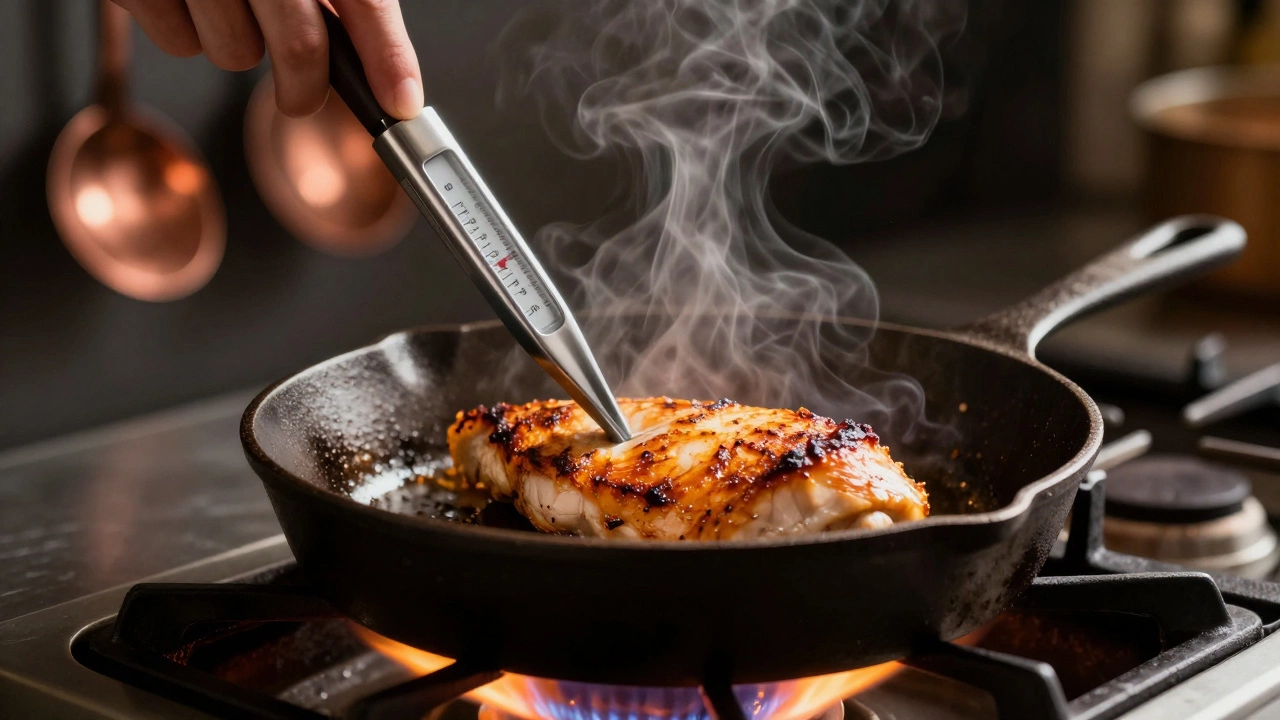
Using an instant-read thermometer saves guesswork. Pull breasts at 155°F - residual heat brings them safely to 165°F while staying below 170°F where rubbery textures develop. Dark meat tolerates higher temps; thighs reach ideal melt-in-your-mouth quality at 180°F.
Three Prep Methods That Lock In Flavor
- Velveting: Toss pieces in cornstarch + egg white mixture before pan-searing. Creates protective layer that seals juices
- Pound evenly: Thin edges cook faster than thick centers. Hammer fillets to uniform thickness
- Butter under skin: For whole birds, slide softened herb butter between skin and meat. Acts as internal baster
Oven vs. Grill vs. Air Fryer Showdown
| Method | Juiciness Rating | Best For |
| Convection Oven | ★★★★☆ | Roasting whole birds |
| Grill (indirect heat) | ★★★★★ | Tenderizing tough cuts |
| Air Fryer | ★★★☆☆ | Crispy skin without drying interior |
Grilling over indirect heat mimics slow-roasting, letting connective tissues break down gradually. For air fryers, spray oil mist instead of pouring liquids which cause flare-ups.
Resting Matters More Than You Think
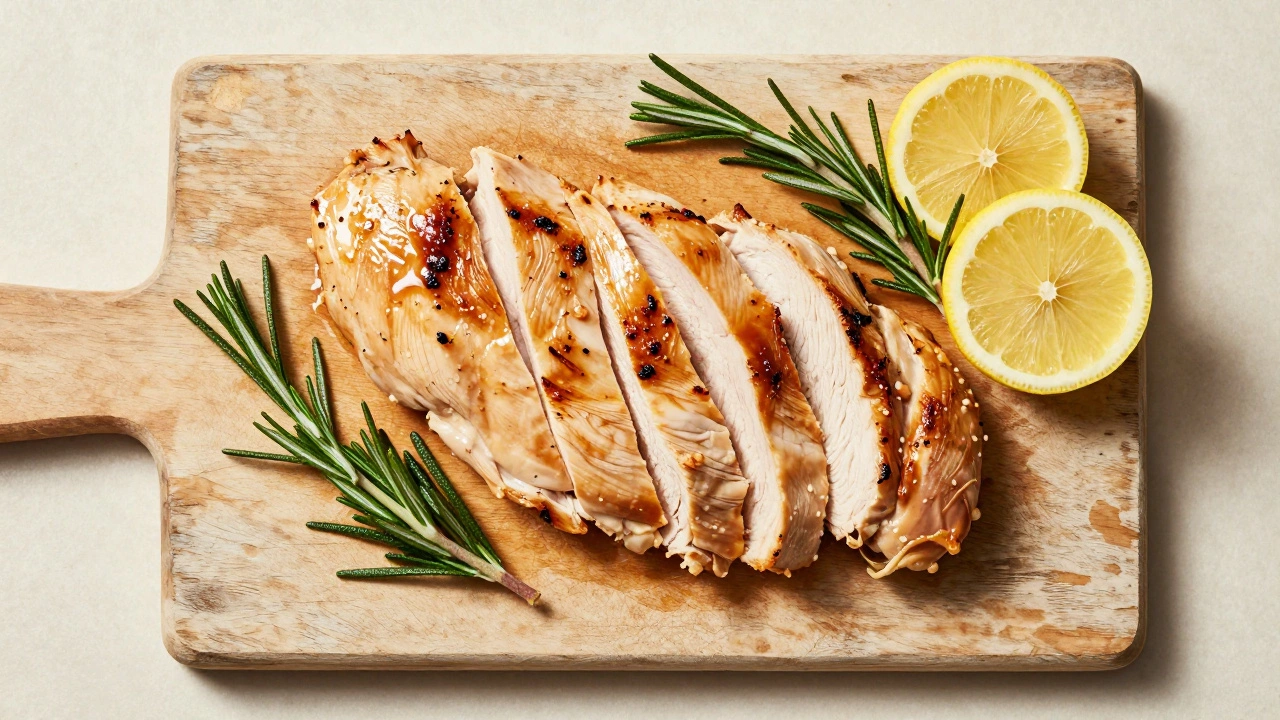
Let cooked chicken sit 5-10 minutes post-cooking. Muscles relax during this window, redistributing juices throughout rather than pooling on plates when sliced. Skipping rest = immediate juice loss when cutting into meat.
Can I skip brining if using frozen-thawed chicken?
Yes! Thaw in cold water changes affect texture more than dryness. Pat excess moisture off before seasoning normally
What's worse for juiciness: overcooking or low-quality meat?
Overcooking wins every time. Premium farm-raised birds still turn dry past 170°F. Start with decent meat but master temp control first
Does marinating overnight help?
Only for flavor depth. Acidic marinades exceed 4 hours starts breaking down proteins. Brine works better for pure tenderness
How much salt does brining require?
Ratio matters more than quantity. 1/4 cup kosher salt per liter water balances penetration without oversalting
Why do breasts always dry before thighs finish?
Breast meat contains less fat/connective tissue. Cook thighs first then add breasts, or cover exposed areas with foil mid-cook