
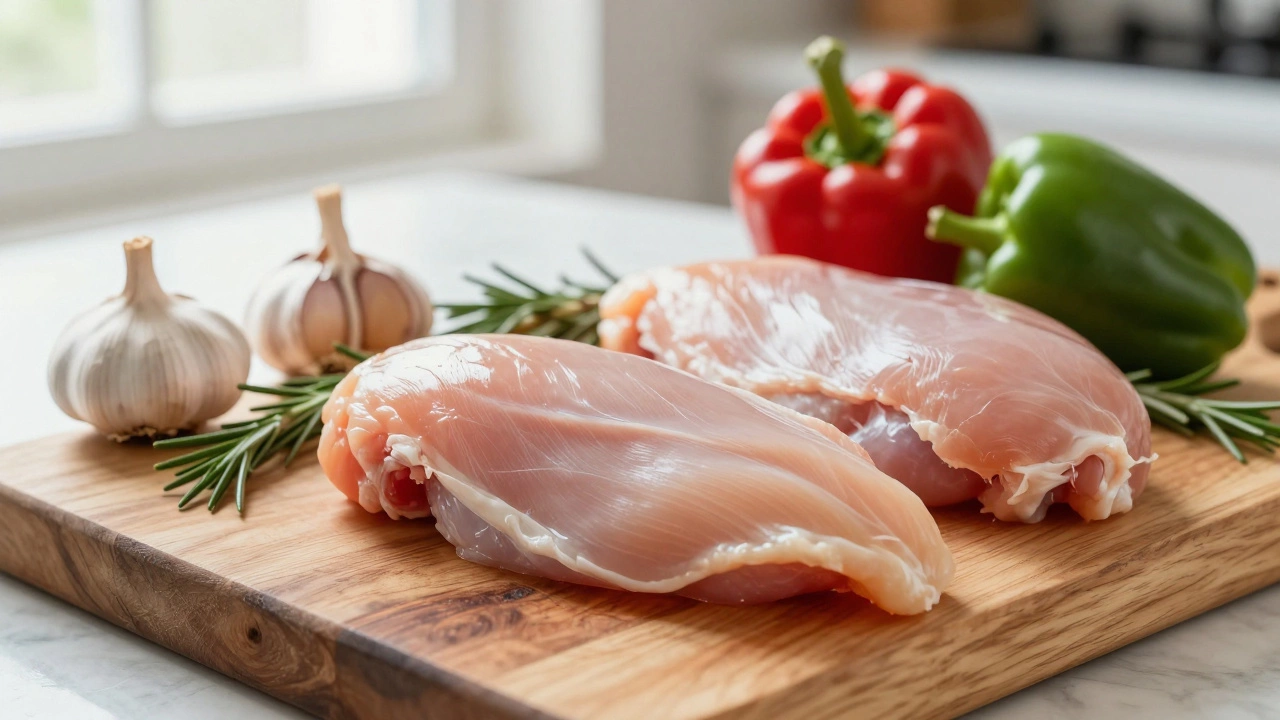
Weekly Chicken Dinner Estimator
Configure Your Meal
Based on USDA data: Avg cost $2.50-$4.00/lb. Avg serving ~0.5lb.
- Recommended Temp: 400°F (200°C)
- Est. Cook Time: 20-25 mins
- Internal Temp Goal: 165°F (74°C)
- Resting Time: 5 minutes
- Calories (Approx.): ~165 per serving
*Comparison assumes 0.5 lb serving size. Beef/Fish bars represent maximum potential cost relative to each other.
If you asked ten different people across the country what their favorite meal is, you’d get ten different answers. But if you look at the receipts, the grocery bills, and the sales data from major food brands, one dish stands out as the undisputed champion of the American table. It’s not pizza, despite its massive popularity. It’s not burgers, which dominate our summer grills. The #1 dinner in the United States is actually a humble, versatile protein that lands on plates more often than any other: chicken.
Specifically, we are talking about roasted or baked chicken breasts. According to data from the National Chicken Council and USDA consumption reports, Americans eat roughly 90 pounds of chicken per person every year, far outpacing beef (58 pounds) and pork (42 pounds). While "dinner" can mean many things, the sheer volume of chicken consumed for evening meals makes it the statistical winner. But knowing the winner is only half the battle. The real question is: why does it win, and how do you cook it so your family actually wants to eat it?
The Data Behind the Dinner Plate
To understand why chicken reigns supreme, we have to look beyond taste. Convenience is king in modern American households. With dual-income families becoming the norm and work hours extending later into the day, the average time available for cooking has shrunk. A 2023 survey by the International Food Information Council found that nearly 60% of home cooks cite "lack of time" as their biggest barrier to preparing healthy meals.
Chicken fits this constraint perfectly. It cooks faster than beef roasts, requires less prep than fish fillets (which can be fragile), and is cheaper per pound than most cuts of steak. Furthermore, chicken is a blank canvas. You can make it spicy, sweet, savory, or dry depending on your pantry. This versatility allows it to serve as the anchor for countless meal plans, from simple sheet-pan dinners to complex casseroles.
| Protein Type | Avg. Pounds Consumed | Primary Cooking Method | Avg. Cost Per Pound (2025) |
|---|---|---|---|
| Chicken | 90 lbs | Baking/Roasting | $2.50 - $4.00 |
| Beef | 58 lbs | Grilling/Pan-Frying | $5.50 - $8.00 |
| Pork | 42 lbs | Roasting/Slow Cooking | $3.50 - $5.00 |
| Fish/Seafood | 18 lbs | Baking/Sautéing | $8.00 - $15.00+ |
While beef holds cultural significance in events like Fourth of July barbecues, chicken is the workhorse of Monday through Friday. Its affordability and speed make it the default choice for busy parents, college students, and anyone trying to keep grocery bills under control during inflationary periods.
Why Chicken Breast Wins Over Other Cuts
Not all chicken is created equal. Within the poultry category, boneless, skinless chicken breasts (BSCBs) are the dominant form. Why? Because they offer the highest yield of edible meat with the least amount of waste. When you buy a whole chicken, you’re dealing with bones, cartilage, and skin removal. With BSCBs, you open the package and start seasoning.
Nutrition also plays a role. In an era where health consciousness is high, chicken breast is viewed as a "clean" protein. It is low in saturated fat compared to ground beef or bacon. For families trying to balance indulgence with health, chicken offers a compromise. You can pair it with heavy sides like mashed potatoes or creamy pasta without feeling like you’ve broken your diet.
However, there is a downside. Chicken breast is lean, which means it dries out easily if overcooked. This is the number one reason people fail at making it taste good. Many home cooks treat chicken like steak, leaving it in the pan too long until it turns gray and rubbery. Mastering the texture is the key to keeping this #1 dinner on your menu rather than sending it back to the freezer.
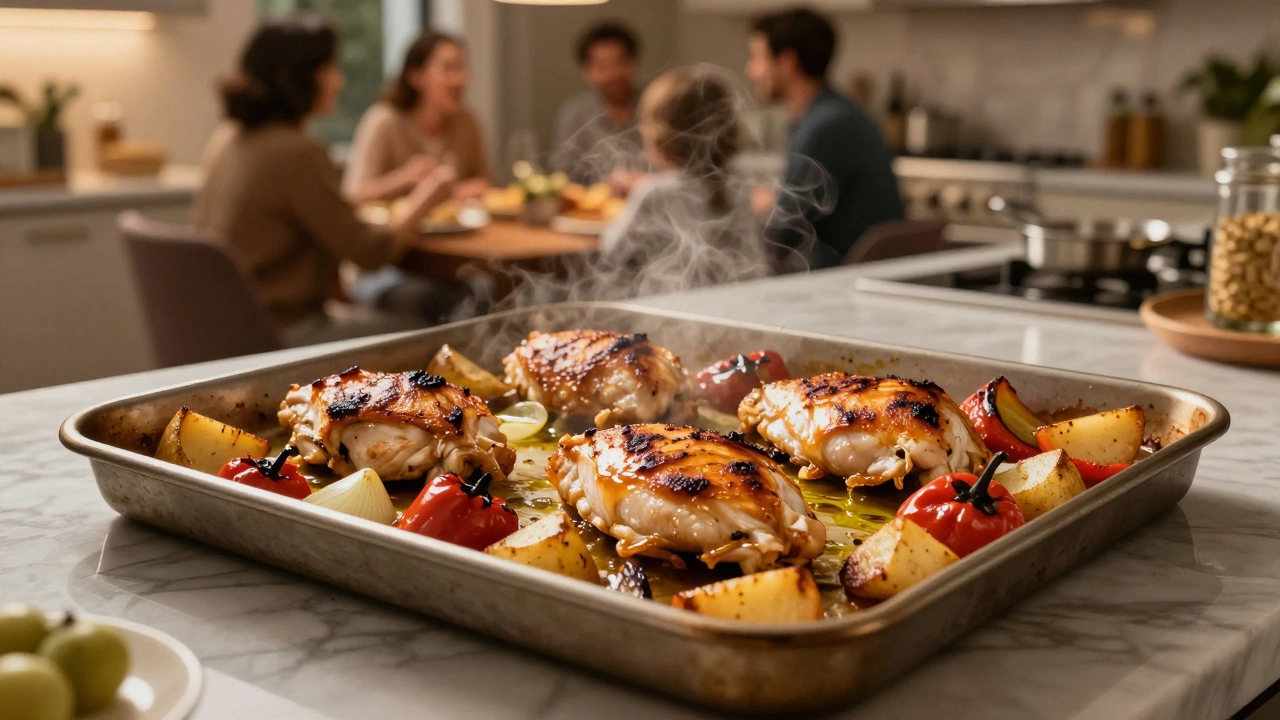
The Perfect Sheet Pan Chicken Recipe
Since convenience is the main driver for chicken’s popularity, the best way to prepare it mirrors that value. Sheet pan dinners are the ultimate hack for minimizing cleanup while maximizing flavor. Here is a reliable method that works for beginners and pros alike.
Ingredients:
- 4 boneless, skinless chicken breasts
- 1 large onion, sliced into wedges
- 2 bell peppers (any color), chopped
- 3 medium potatoes, cut into 1-inch cubes
- 3 tablespoons olive oil
- 1 teaspoon garlic powder
- 1 teaspoon paprika
- Salt and black pepper to taste
- Fresh parsley (optional, for garnish)
Instructions:
- Preheat your oven to 400°F (200°C). Line a large baking sheet with parchment paper or foil for easy cleanup.
- Prepare the vegetables. Toss the potato cubes, onion wedges, and bell peppers in a bowl with 2 tablespoons of olive oil, salt, and pepper. Spread them evenly on one side of the baking sheet. Potatoes take longer to cook than chicken, so giving them a head start or ensuring they are small helps.
- Season the chicken. Pat the chicken breasts dry with paper towels-this is crucial for browning. Rub them with the remaining tablespoon of olive oil, then sprinkle with garlic powder, paprika, salt, and pepper.
- Arrange the pan. Place the chicken breasts on the empty side of the baking sheet. Do not crowd them; air circulation ensures even cooking.
- Bake for 20-25 minutes. The exact time depends on the thickness of the breasts. You want the internal temperature to reach 165°F (74°C).
- Rest and serve. Remove the pan from the oven. Let the chicken rest for 5 minutes before slicing. This allows the juices to redistribute, preventing dryness.
This method delivers crispy edges on the veggies and juicy chicken with minimal effort. It’s the epitome of an easy weeknight meal that doesn’t feel like a compromise.
Common Mistakes That Ruin Chicken Dinner
Even with the best ingredients, bad technique can turn the nation’s favorite dinner into a disappointment. Here are the three most common errors I see in kitchens everywhere.
1. Skipping the Resting Phase
When you pull chicken out of the oven, the juices are hot and moving rapidly toward the center. If you cut into it immediately, those juices spill out onto the cutting board, leaving the meat dry. Waiting five minutes sounds like forever when you’re hungry, but it makes a noticeable difference in texture.
2. Overcrowding the Pan
If you stack chicken breasts or place them too close together, they steam instead of roast. Steaming creates a soggy exterior rather than a flavorful crust. Always leave space between pieces. If you have a lot of chicken, use two pans or cook in batches.
3. Ignoring Thickness Variations
Chicken breasts are naturally uneven. One end might be thick, while the other tapers off. If you bake them as-is, the thin part will dry out before the thick part is done. The solution is "pounding." Place the breast between plastic wrap and gently pound the thickest part with a meat mallet (or the bottom of a heavy skillet) until the entire piece is uniform in thickness. This ensures even cooking every time.
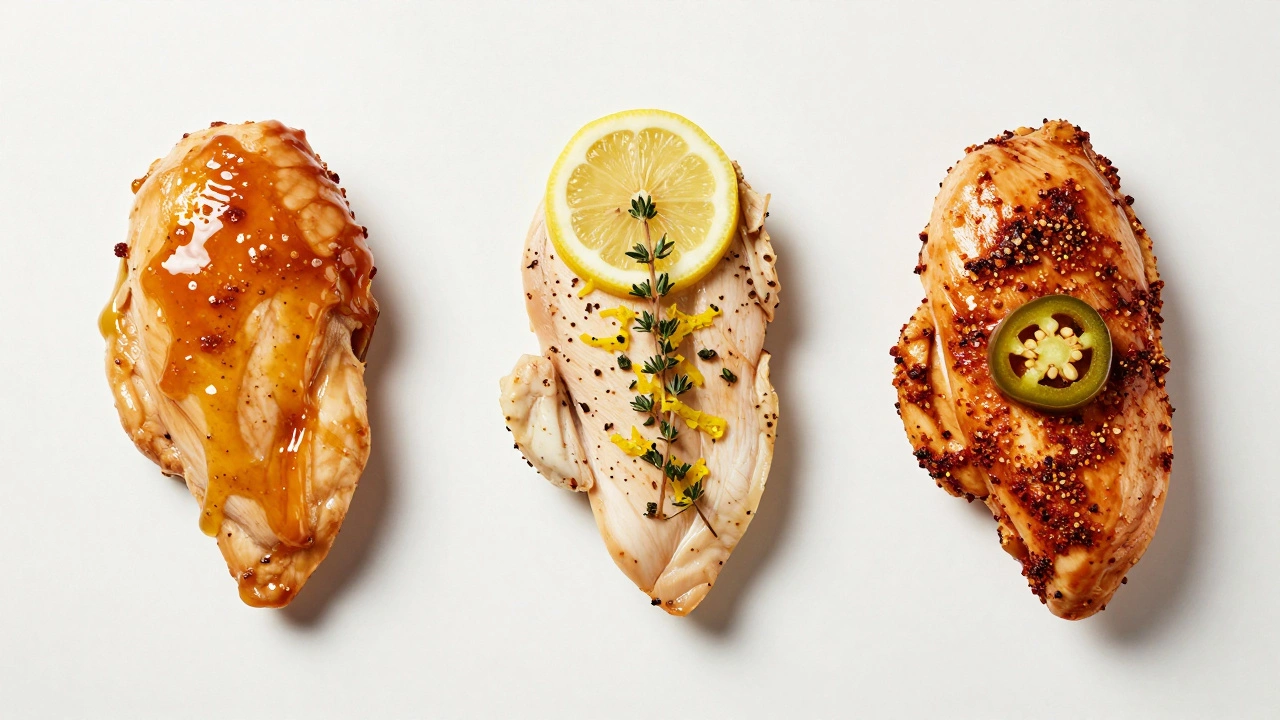
Variations to Keep It Interesting
Eating plain roasted chicken every night gets old quickly. The beauty of chicken is its ability to absorb flavors. Here are three quick variations to switch up your routine without changing the core cooking method.
Lemon-Herb Garlic
Add minced fresh garlic, lemon zest, and chopped rosemary or thyme to the oil mixture. Squeeze fresh lemon juice over the chicken right after it comes out of the oven. This brightens the flavor and cuts through the richness of the potatoes.
Spicy Cajun Style
Replace the paprika with a generous amount of Cajun seasoning. Add sliced jalapeños to the vegetable mix for heat. This version pairs well with coleslaw or cornbread instead of roasted veggies.
Honey Mustard Glaze
In the last 5 minutes of cooking, brush the chicken with a mixture of Dijon mustard, honey, and a splash of apple cider vinegar. The sugar in the honey caramelizes slightly, creating a sticky, sweet-savory crust that kids love.
Is There a True Runner-Up?
While chicken takes the gold medal, the competition for second place is fierce. Pasta dishes, particularly spaghetti with marinara sauce, are a strong contender. They are cheap, filling, and universally liked. However, pasta is often considered a "side" or a "comfort food" rather than a complete dinner structure in the same way a protein-centric meal is.
Burgers also challenge for the top spot, especially in casual dining contexts. But burgers are heavily associated with weekends and outdoor cooking. Chicken is the daily driver. It appears in school cafeterias, hospital trays, and fast-food chains because it is predictable and safe. That predictability is exactly why it remains the #1 dinner in the United States.
Why is chicken the most popular dinner in the US?
Chicken is the most popular due to its combination of affordability, versatility, and ease of preparation. It cooks faster than beef, is lower in fat than pork, and can be seasoned in countless ways to suit different tastes. Additionally, it aligns with modern health trends while still being budget-friendly for families.
How do you keep chicken breast from drying out?
To prevent dryness, avoid overcooking by using a meat thermometer to check for an internal temperature of 165°F. Also, pat the chicken dry before seasoning, use oil to help retain moisture, and let the meat rest for 5 minutes after cooking before slicing. Pounding the breasts to an even thickness also ensures they cook uniformly.
What is the fastest way to cook a chicken dinner?
The fastest method is pan-searing thin-cut chicken breasts or using a slow cooker for set-and-forget meals. For a balanced meal, sheet pan dinners are efficient because you cook the protein and vegetables simultaneously in the oven, reducing active cooking time to about 10 minutes of prep.
Is chicken healthier than beef for dinner?
Generally, yes. Skinless chicken breast is significantly lower in saturated fat and calories compared to most cuts of beef. It provides high-quality protein with fewer grams of fat per serving, making it a better choice for heart-healthy diets and weight management goals.
Can I freeze cooked chicken for later meals?
Yes, cooked chicken can be frozen for up to 4 months. To maintain quality, store it in airtight containers or freezer bags with as much air removed as possible. Thaw it in the refrigerator overnight before reheating. Note that the texture may become slightly drier upon reheating, so adding a bit of broth or sauce helps restore moisture.