
Italian Pasta Veggie Pairing Guide
Select your pasta shape and desired flavor profile or region to find the perfect vegetable companions according to traditional Italian culinary logic.
Select options and click "Find My Pairing" to see recommended vegetables and cooking tips.
You might think Italian pasta is just noodles and red sauce. But if you ask a nonna in Naples or Bologna, she’ll tell you that’s half the story. The other half? Vegetables. Lots of them. Not as an afterthought to make it "healthy," but as the star ingredient that brings sweetness, bitterness, crunch, and depth to the plate. If you’ve ever wondered what veggies actually belong in your pot, you’re asking the right question.
Here’s the thing: there isn’t one single list. Italy is long, varied, and stubborn about its regional differences. What goes into a Roman dish won’t necessarily show up in a Sicilian one. But once you understand the logic behind the choices, you stop guessing and start cooking like someone who knows what they’re doing. Let’s break down exactly which vegetables Italians use, why they choose them, and how to pair them correctly so your pasta doesn’t end up soggy or bland.
The Core Four: Staples You’ll Find Everywhere
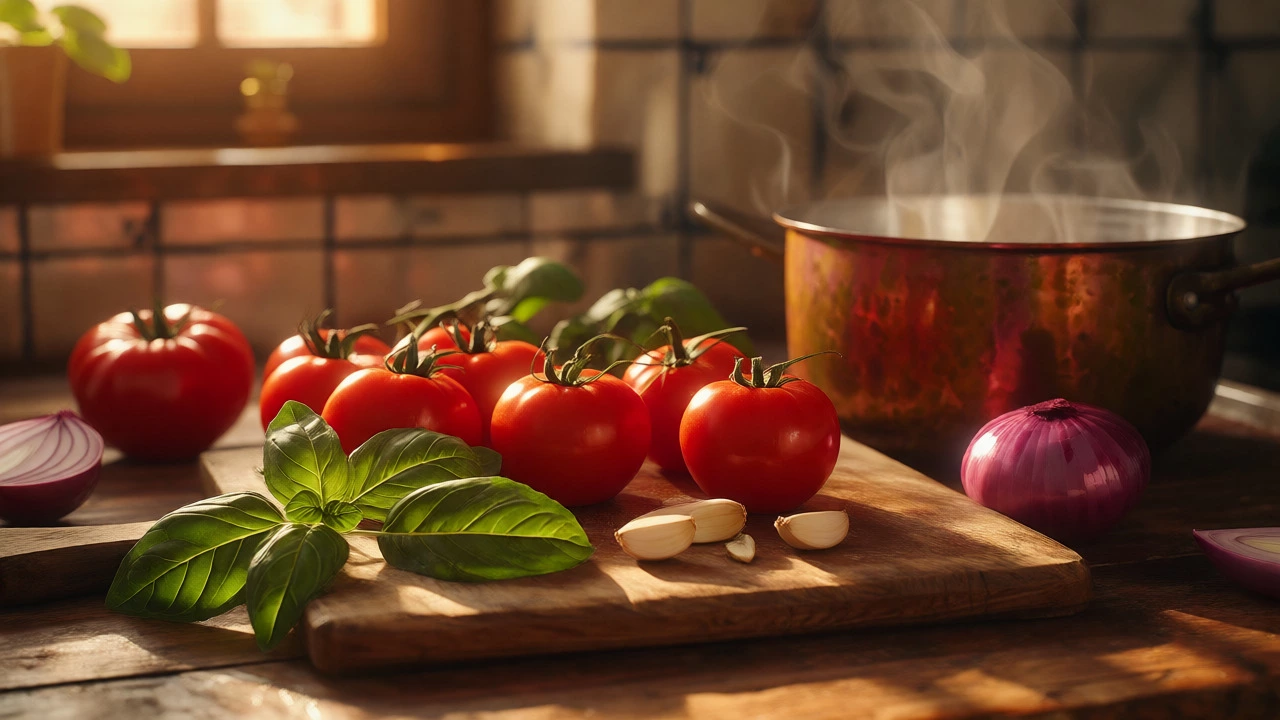
If you walk into any Italian kitchen, you’ll find these four ingredients within arm’s reach. They form the backbone of countless pasta sauces. These aren't exotic additions; they are the foundation.
- Garlic: It’s not always present, but when it is, it’s usually sliced thin and gently fried in olive oil until fragrant, never burnt. Burnt garlic turns bitter and ruins the whole pot.
- Onions (White or Red): Unlike French cuisine where onions are often sweated for hours, Italian cooks tend to cook them faster or leave them slightly crunchy for texture. In southern regions, sweet red onions from Tropea are prized.
- Tomatoes: Whether fresh cherry tomatoes burst in the pan or canned San Marzano crushed by hand, tomatoes provide the acidity that cuts through starchy pasta water.
- Basil: Added at the very end to preserve its volatile oils. Cooking basil too early makes it taste like spinach. Keep it raw or wilted just before serving.
These four create the classic Pomodoro base. But Italians don’t stop here. They layer flavors using vegetables that offer specific textures and tastes.
Leafy Greens: The Bitter Balance
Italians love bitterness. It balances the richness of cheese and oil. That’s why leafy greens are common, but not all greens work equally well.
| Vegetable | Best Pairing | Cooking Method |
|---|---|---|
| Spinach | Ricotta, Pancetta, Nutmeg | Wilted quickly at the end |
| Kale (Cavolo Nero) | Sausage, Garlic, Chili Flakes | Sautéed separately, then combined |
| Chard | Lemon, White Beans, Anchovy | Stems cooked first, leaves last |
| Broccoli Rabe (Cime di Rapa) | Anchovy, Garlic, Oregano | Boiled with pasta, drained together |
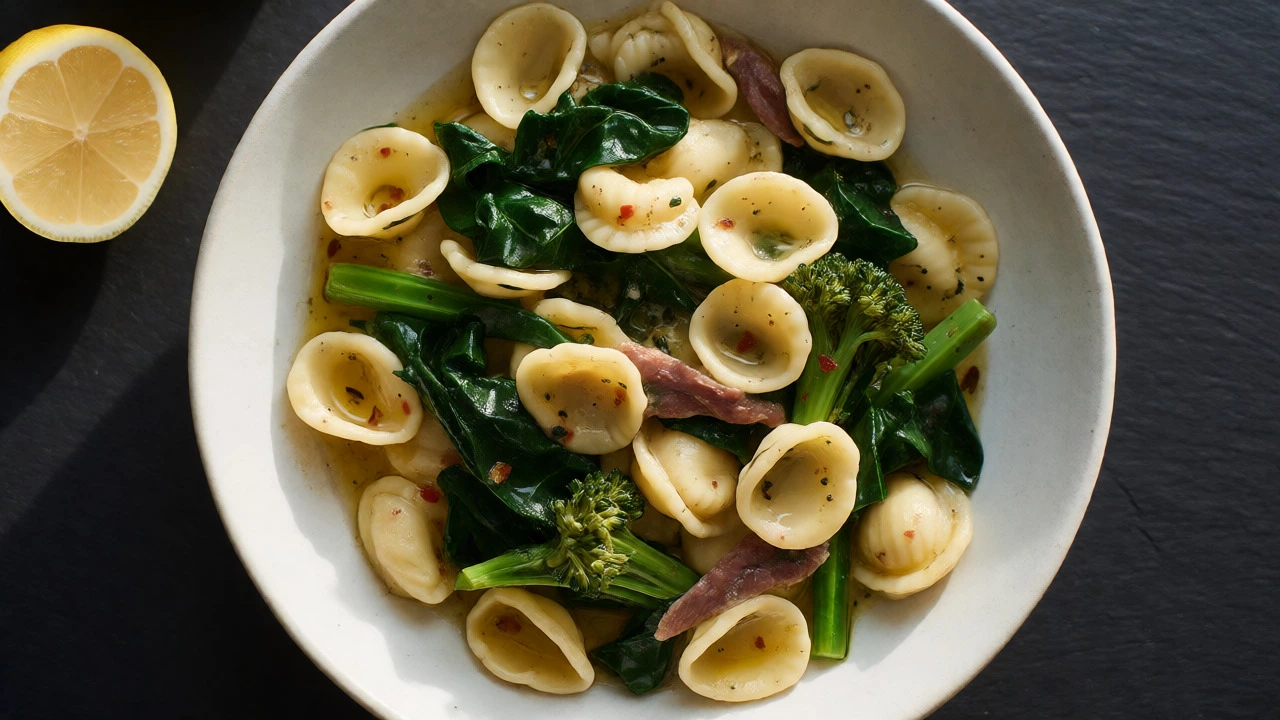
Notice the pattern? Bitter greens need fat and salt to tame them. Broccoli rabe, for instance, is intensely bitter. That’s why Orecchiette con le Cime di Rapa, a famous Pugliese dish, pairs it with anchovies and chili. The salty fish and spicy heat cut through the green’s sharpness. If you try this with mild mozzarella, it falls flat.
Don’t throw frozen spinach into boiling water with your pasta unless you want gray mush. Sauté it separately in garlic and oil, then fold it in during the final toss. This keeps the color vibrant and the flavor distinct.
The Crunch Factor: Peppers, Zucchini, and Eggplant
Mediterranean climates produce abundant summer vegetables. Italians treat these as main courses, not sides. The key is texture contrast. Soft pasta needs something with bite.
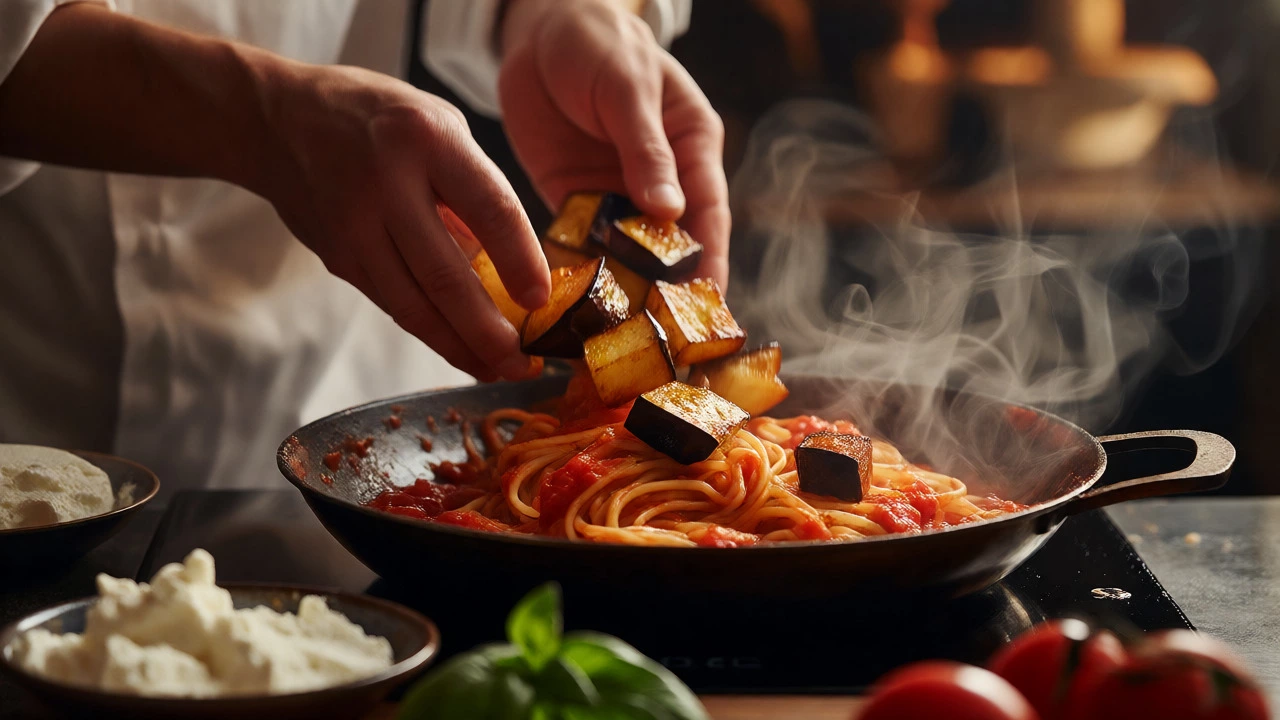
Eggplant is iconic in Southern Italy. Think Pasta alla Norma from Sicily. Here, eggplant cubes are fried until golden and creamy inside, then layered with tomato sauce and ricotta salata. The trick? Salt the eggplant slices for 30 minutes before frying. This draws out moisture and prevents them from absorbing gallons of oil.
Zucchini is more versatile. Grate it into risotto-like pasta dishes, or slice it into ribbons for a lighter touch. Roasting zucchini concentrates its sugars, making it sweeter than boiling. Try roasting halved baby zucchinis with oregano and lemon zest, then tossing them with fusilli. The caramelized edges add complexity that plain steamed zucchini lacks.
Bell peppers bring sweetness. Roasted red peppers blend beautifully into creamy sauces without dairy. Blend roasted peppers with a splash of pasta water and parmesan for a vibrant orange sauce that clings to rigatoni.
Roots and Bulbs: Earthiness Without Weight
You won’t see carrots in every Italian pasta sauce, unlike in American meatballs. But when they appear, they serve a purpose. Carrots add natural sweetness to ragùs, balancing the acidity of wine and tomatoes. Finely diced, they disappear into the sauce, leaving only depth.
Fennel is another underrated hero. Shaved fennel bulb sautéed with sausage creates a licorice note that cuts through fatty pork. This combination is popular in Tuscany. The crunch of raw fennel shaved over hot pasta also adds a refreshing counterpoint to heavy cream sauces.
Artichokes are seasonal gold. Hearts, either jarred or fresh, pair wonderfully with lemon, garlic, and white wine. Artichoke hearts have a nutty, earthy flavor that stands up to bold cheeses like pecorino romano. Use them in short pasta shapes like penne or farfalle so each bite gets a piece.
Legumes: The Protein Powerhouses
Italians eat beans with pasta constantly. It’s called pastae e fagioli or lenticchie. This isn’t a side dish; it’s a complete meal. Cannellini beans, borlotti beans, and lentils are staples.
The technique matters. Cook beans separately until tender, then simmer them with aromatics (garlic, sage, rosemary) before adding cooked pasta. The starch from the pasta thickens the bean broth, creating a creamy consistency without adding cream. This method saves money and delivers massive flavor.
Try this: Simmer cannellini beans with garlic and thyme. Cook ditalini pasta in the same pot for the last few minutes. Drain, drizzle with high-quality extra virgin olive oil, and top with black pepper. Simple, cheap, and incredibly satisfying.
How to Choose the Right Veggie for Your Shape
Not every vegetable works with every pasta shape. Physics plays a role here. Sauce needs to cling to the pasta.
- Long Strands (Spaghetti, Linguine): Best with oily sauces featuring small, chopped veggies like garlic, chili, and broccoli rabe. Large chunks slide off.
- Short Shapes (Penne, Rigatoni, Fusilli): Perfect for chunky vegetables like eggplant, bell peppers, and artichoke hearts. The ridges and holes trap bits of food.
- Tiny Shapes (Orzo, Ditalini): Ideal for soupy preparations with legumes or finely diced vegetables like celery and carrot.
- Stuffed Pasta (Ravioli, Tortellini): Usually paired with simple butter-sage or light tomato sauces. Heavy veggie sauces can overwhelm the delicate filling.
A common mistake is dumping raw veggies into boiling pasta water. Unless it’s peas or corn, this leads to undercooked or waterlogged results. Always cook vegetables separately or in stages. Add hard veggies (carrots, celery) early in the sauce-making process. Add soft veggies (tomatoes, spinach) late.
Regional Variations Worth Knowing
To truly understand what veggies go in pasta, look at the map.
In Northern Italy, butter and rice dominate. Vegetables like radicchio (bitter red chicory) and pumpkin appear frequently. Pumpkin ravioli with brown butter and sage is a autumn staple. Radicchio pasta offers a sharp, peppery kick that contrasts rich meats.
In Central Italy, simplicity rules. Pecorino Romano, black pepper, and guanciale define many dishes. Vegetables play a supporting role. However, wild herbs like mint and parsley are used generously in salads served alongside pasta.
In Southern Italy, sun-drenched flavors take center stage. Tomatoes, eggplants, peppers, olives, capers, and almonds are everywhere. Pasta with sardines uses raisins and pine nuts for sweet-salty balance. Caponata, a Sicilian eggplant stew, often accompanies pasta or serves as a topping.
Understanding these regions helps you avoid mismatches. Don’t put heavy cream sauce on Sicilian-style pasta with sardines. The clash will confuse your palate.
Practical Tips for Better Veggie Pasta
Ready to improve your next dinner? Follow these rules.
- Reserve Pasta Water: Always save a cup of starchy cooking water. Use it to emulsify your sauce. It helps bind oil, cheese, and vegetable juices into a cohesive coating.
- Season in Layers: Salt your vegetables as you cook them. Salting pasta water alone isn’t enough. Season the sauce components individually.
- Finish in the Pan: Never dump sauce onto plated pasta. Transfer cooked pasta directly into the skillet with the veggies and a splash of water. Toss vigorously over low heat for 1-2 minutes. This ensures every strand is coated.
- Use Acid Last: Lemon juice or vinegar brightens vegetable flavors. Add it right before serving. Heat dulls acidity.
- Texture Matters: Aim for al dente pasta and crisp-tender vegetables. Overcooked veggies turn pasta dishes into mush.
Experimentation is encouraged, but respect the principles. Italians value balance: sweet vs. sour, rich vs. acidic, soft vs. crunchy. Once you grasp this, you can improvise confidently.
Do Italians put carrots in pasta sauce?
Yes, but typically in slow-cooked meat ragùs rather than quick vegetable sauces. Carrots are finely diced and sweated down with onions and celery (the soffritto) to build a sweet, deep base for Bolognese or Neapolitan Sunday gravy. They rarely appear as large chunks in everyday vegetable pasta dishes.
Can I use frozen vegetables in Italian pasta?
Absolutely. Frozen peas, spinach, and edamame are excellent shortcuts. Thaw them first and squeeze out excess water to prevent a watery sauce. Add them in the last minute of cooking or toss them in during the final mix. Just avoid freezing delicate herbs like basil.
Why do Italians add lemon to some pasta dishes?
Lemon provides brightness and cuts through richness. It pairs exceptionally well with seafood pasta, creamy sauces, and bitter greens like arugula or radicchio. The acid lifts the heavy flavors, making the dish feel lighter and more vibrant. Always use fresh zest and juice, added off the heat to preserve freshness.
Is broccoli considered authentic Italian pasta ingredient?
Broccoli itself is less common than broccoli rabe (cime di rapa), which is a distinct plant with thinner stems and flower buds. Broccoli rabe is a cornerstone of Southern Italian cuisine, especially in Puglia. Regular broccoli can be used, but it should be blanched and sautéed to enhance its flavor, as it can otherwise taste bland or sulfurous.
What is the most common vegetable in Italian cooking?
Tomatoes are arguably the most ubiquitous, followed closely by garlic and onions. Olive oil is technically a fruit-derived fat but functions as a primary ingredient. Among fresh vegetables, zucchini and eggplant are extremely prevalent in home cooking due to their versatility and availability.