
Gluten Belly Risk & Relief Checker
Step 1: Assess Your Symptoms
Select all symptoms you experience regularly:
Step 2: Identify Trigger Foods
Which of these foods do you typically eat? (Click to select)
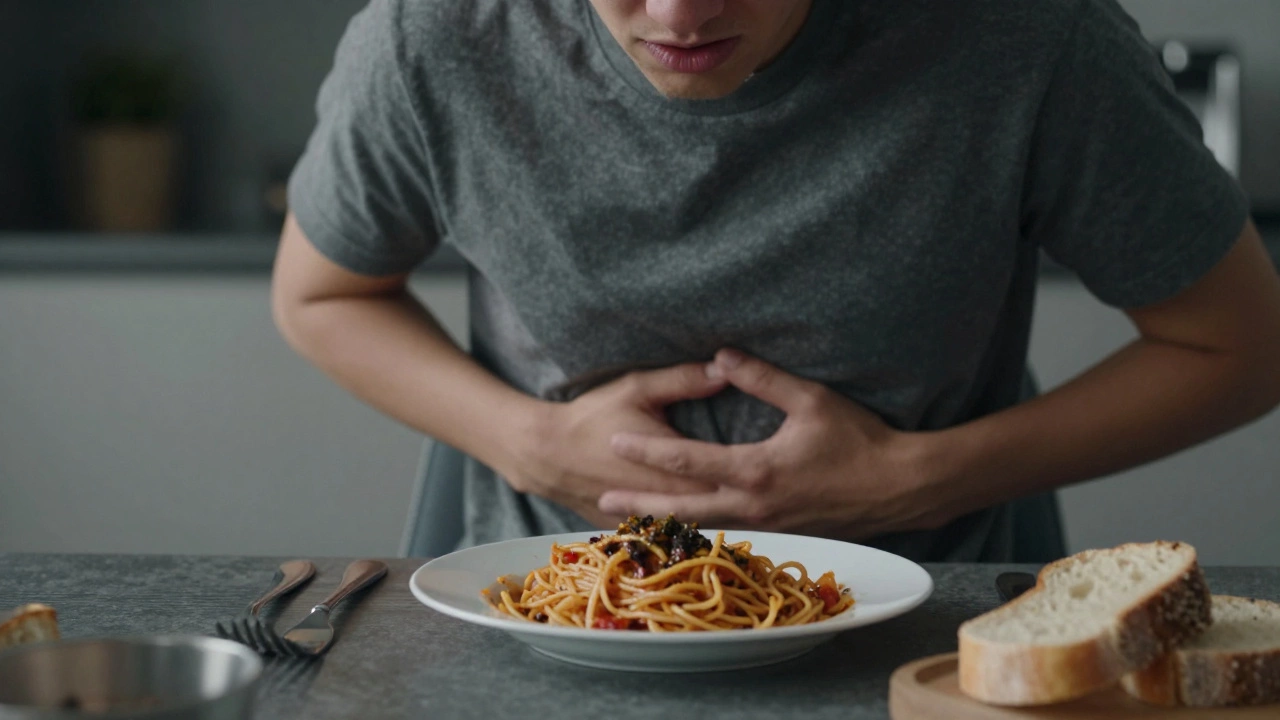
That tight, uncomfortable feeling in your stomach after eating pasta or bread is more than just an annoyance. It’s often called a "gluten belly," and it can ruin your day. You might feel heavy, sluggish, and visibly swollen within hours of a meal. If this sounds familiar, you are not alone. Many people struggle with digestive discomfort linked to wheat, barley, and rye. But before you throw out all your favorite carbs, let’s look at what is actually happening inside your body and how to fix it for good.
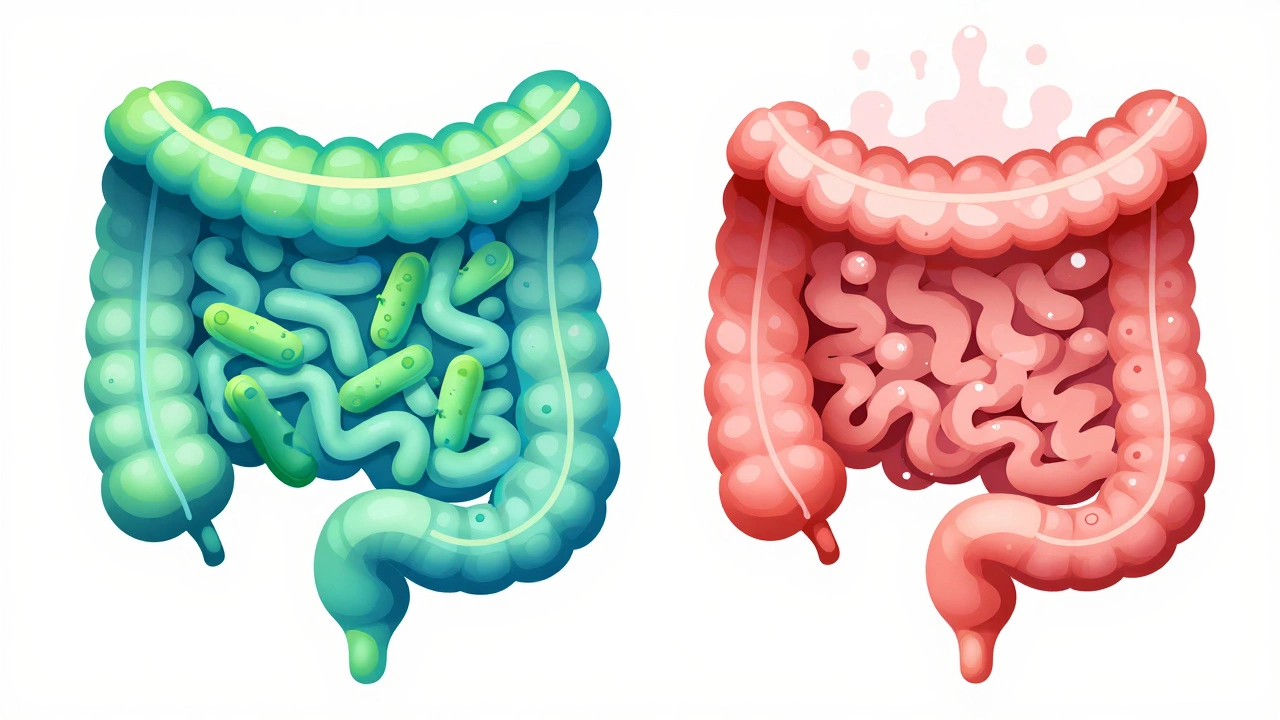
The term "gluten belly" isn’t a medical diagnosis. It describes the physical symptoms of bloating, gas, and abdominal distension that occur when someone eats gluten. For some, this is due to Celiac Disease, an autoimmune disorder where gluten triggers damage to the small intestine. For others, it’s Non-Celiac Gluten Sensitivity (NCGS), where symptoms appear without intestinal damage. Then there’s FODMAPs-fermentable carbohydrates found in wheat that cause fermentation in the gut. Understanding which one affects you is the first step to getting rid of that bloated feeling.
Is It Really Gluten Causing Your Bloating?
Before you go fully gluten-free, ask yourself: is it the gluten protein, or is it something else? Wheat contains both gluten and high levels of fructans. Fructans are a type of carbohydrate that many people struggle to digest. When they reach the large intestine, bacteria ferment them, producing gas. This process causes the expansion you see in your mirror.
If you eat a bagel and bloat, but eat rice cakes fine, it might be gluten. But if you also bloat after eating onions, garlic, or apples, it’s likely the FODMAPs. To test this, try an elimination diet. Remove all sources of gluten and high-FODMAP foods for two weeks. Then reintroduce them one by one. Keep a food diary. Note what you ate, when you ate it, and how your stomach felt four hours later. This data is gold. It tells you exactly what triggers your body.
Also, consider other culprits. Lactose intolerance often mimics gluten sensitivity. Dairy products contain lactose, which can cause severe bloating if you lack the enzyme lactase. Stress and slow digestion (gastroparesis) can also make any food feel like lead in your stomach. Don’t assume it’s always the wheat.
Immediate Steps to Reduce Bloating
Once you identify the trigger, action is key. Here is how to start shrinking that gluten belly today:
- Switch to Naturally Gluten-Free Grains: Replace white flour with quinoa, buckwheat, millet, or brown rice. These grains are naturally free of gluten and often easier to digest. Quinoa, for example, provides complete protein and fiber without the heavy feeling of wheat.
- Hydrate Aggressively: Water helps move waste through your colon. Dehydration slows digestion, leading to constipation and bloating. Aim for at least eight glasses a day. Herbal teas like peppermint or ginger can soothe the digestive tract.
- Eat Mindfully: We swallow air when we eat fast or talk while chewing. This aerophagia adds volume to your stomach. Chew your food thoroughly. Put your fork down between bites. Give your brain time to register fullness.
- Add Probiotics: Gut health relies on a balance of bacteria. Fermented foods like sauerkraut, kimchi, and kefir introduce beneficial microbes. They help break down food more efficiently, reducing gas production. Look for strains like Lactobacillus acidophilus and Bifidobacterium bifidum.
Navigating the Hidden Gluten Trap
Going gluten-free isn’t just about avoiding bread. Gluten hides in surprising places. Soy sauce, salad dressings, processed meats, and even some medications contain wheat derivatives. Always read labels. Look for the word "wheat," "barley," or "rye." In the UK, food labeling laws require clear allergen statements, making it easier to spot these ingredients.
Be careful with cross-contamination. If you share a kitchen with gluten-eaters, use separate toasters and cutting boards. Even crumbs can trigger a reaction in sensitive individuals. Buy certified gluten-free oats. Regular oats are often processed in facilities that handle wheat, leading to accidental exposure.
| Food Item | Safe Option | Hidden Risk |
|---|---|---|
| Soy Sauce | Tamari (check label) | Traditional soy sauce uses wheat |
| Oats | Certified Gluten-Free Oats | Regular oats may have wheat cross-contact |
| Beer | GluFree Beer or Cider | Standard beer is made from barley |
| Salad Dressing | Vinaigrette with olive oil | Thickeners often contain wheat starch |
| Processed Meat | Fresh chicken or beef | Fillers and binders may include breadcrumbs |
Building a Balanced Gluten-Free Plate
A common mistake is replacing gluten-heavy foods with refined gluten-free junk. Gluten-free cookies and chips often lack fiber and protein, causing blood sugar spikes and further digestive issues. Focus on whole foods. Vegetables, fruits, lean proteins, and healthy fats should form the base of your meals.
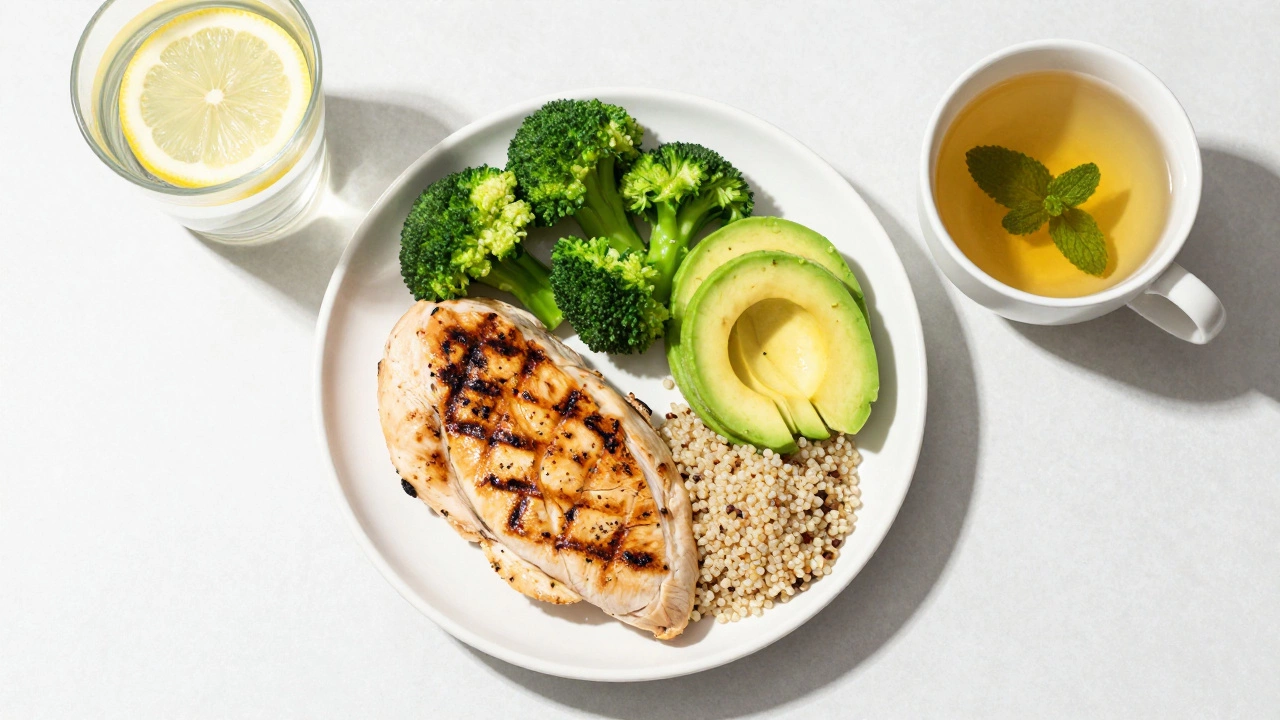
Try this simple plate method: half your plate with non-starchy vegetables (broccoli, spinach, peppers), a quarter with lean protein (chicken, fish, tofu), and a quarter with gluten-free complex carbs (sweet potato, quinoa). This balance ensures steady energy and minimal bloating. Fiber is crucial, but increase it slowly. Sudden high-fiber intake can worsen gas. Add psyllium husk or chia seeds gradually to support regular bowel movements.
Don’t forget healthy fats. Avocados, olive oil, and nuts provide satiety without the inflammatory response sometimes triggered by processed vegetable oils. Fat also slows gastric emptying, giving your gut more time to absorb nutrients properly.
When to See a Doctor
If eliminating gluten doesn’t solve the problem, consult a healthcare professional. Persistent bloating could signal Irritable Bowel Syndrome (IBS), Small Intestinal Bacterial Overgrowth (SIBO), or other conditions. A gastroenterologist can perform tests like breath tests for hydrogen or lactose intolerance. Blood tests can screen for Celiac Disease antibodies (tTG-IgA). Self-diagnosing can miss serious underlying issues.
In Manchester, as in much of the UK, you can access NHS services for referral. However, wait times can be long. Consider private testing if symptoms severely impact your quality of life. Bring your food diary to the appointment. Specific details help doctors pinpoint the cause faster than vague complaints.
Maintaining Long-Term Gut Health
Getting rid of a gluten belly is a marathon, not a sprint. Consistency matters. Stick to your dietary changes even when you feel better. Relapsing with gluten can restart inflammation and damage healing tissue. Stay educated. The gluten-free market evolves rapidly. New products emerge, and formulations change. Keep checking labels.
Exercise plays a role too. Physical activity stimulates intestinal motility. A brisk walk after meals can aid digestion and reduce gas buildup. Yoga poses like child’s pose or knees-to-chest can physically relieve pressure in the abdomen. Combine movement with mindful eating for best results.
Finally, manage stress. The gut-brain axis is real. Anxiety and stress disrupt digestive enzymes and alter gut bacteria composition. Meditation, deep breathing exercises, or simply taking breaks can lower cortisol levels. A calm mind supports a calm gut.
How long does it take to get rid of a gluten belly?
For most people, noticeable improvement occurs within 2 to 4 weeks of strictly avoiding gluten. However, if you have Celiac Disease, intestinal healing can take 6 months to 2 years. Symptoms like bloating usually subside faster than internal tissue repair. Patience and consistency are essential.
Can I eat rice if I have a gluten belly?
Yes, rice is naturally gluten-free and generally well-tolerated. White rice is low in fiber, which makes it easy to digest during flare-ups. Brown rice offers more nutrients but higher fiber, so introduce it slowly to avoid gas. Rice is a safe staple for those managing gluten sensitivity.
Is oatmeal safe for someone with a gluten belly?
Only if it is labeled "certified gluten-free." Most oats are contaminated with wheat during farming or processing. Certified gluten-free oats are grown and processed separately. If you have Celiac Disease, stick to certified options. Those with NCGS may tolerate pure oats, but monitor your reaction.
What drinks help reduce bloating quickly?
Peppermint tea, ginger tea, and fennel tea are excellent for soothing digestion. Peppermint relaxes intestinal muscles, reducing spasms. Ginger speeds up gastric emptying. Fennel seeds prevent gas formation. Avoid carbonated beverages, as the bubbles add air to your stomach, worsening bloating.
Does going gluten-free help with weight loss?
Not directly. Gluten itself has no special fat-burning properties. Weight loss occurs because you eliminate processed foods and focus on whole, nutrient-dense alternatives. If you replace bread with gluten-free cake, you will not lose weight. The benefit comes from improved diet quality, not the absence of gluten alone.