
Chicken Tenderness Simulator
Freshly butchered chicken is often tough due to rigor mortis. Adjust the settings below to see how different techniques impact the final texture.
Recommended Actions
- Adjust inputs to see recommendations.
You just bought a whole bird from the local butcher. It looks perfect-golden skin, firm flesh, no smell of spoilage. You roast it with care, check the internal temperature, and let it rest. Then you take that first bite, and it’s like chewing on rubber. Frustrating, right? You didn’t buy cheap supermarket meat, so why does this premium product taste worse than the frozen stuff?
Here is the hard truth: fresh butchered chicken is often tougher than store-bought chicken because it hasn’t undergone proper aging or processing to break down muscle fibers. Supermarket chickens are treated, chilled rapidly, and sometimes injected with saline solutions that tenderize them artificially. Your butcher’s bird is honest meat, but "honest" doesn’t automatically mean "tender." If you don’t understand how rigor mortis works in poultry, you’re fighting biology every time you cook.
Key Takeaways
- Rigor Mortis: Freshly killed chicken enters rigor mortis within hours, making muscles stiff and tough for up to 24-48 hours.
- Aging is Critical: Poultry needs 1-3 days of refrigerated aging (dry aging) to allow enzymes to break down connective tissue.
- Brining Helps: A saltwater brine denatures proteins and helps retain moisture, counteracting toughness.
- Cooking Method Matters: High heat sears quickly but can tighten fibers; low-and-slow methods or precise temperature control prevent drying out.
- Breed Differences: Heritage breeds grow slower and have more developed muscles, which are flavorful but naturally tougher than industrial broilers.
The Science of Rigor Mortis in Poultry
When a chicken is slaughtered, its body stops receiving oxygen. Without oxygen, cells can’t produce ATP (adenosine triphosphate), the energy molecule that keeps muscles relaxed. Within 30 minutes to an hour post-slaughter, the remaining ATP is depleted, and the muscles lock up. This state is called rigor mortis. It makes the meat incredibly tough and difficult to chew.
In industrial settings, chickens are processed immediately after slaughter. They go through scalding, plucking, evisceration, and chilling within hours. While this seems fast, it actually traps the bird in rigor mortis during transport. However, large-scale processors use rapid chilling and packaging techniques that eventually allow the meat to exit rigor over several days. By the time you buy a supermarket chicken, it has often been aged for 2-5 days in cold storage, allowing natural enzymatic processes to soften the muscle fibers.
Your butcher likely sells birds that were processed 12-24 hours ago. That sounds fresher, and it is, but it means you are buying meat still deep in rigor mortis. The collagen and elastin in the connective tissues haven’t broken down yet. If you cook it straight away, you’re essentially eating stiffened protein. To get tender results, you need to give the bird time to relax.
Dry Aging vs. Wet Aging: What Your Butcher Did (or Didn’t Do)
Beef gets famous for dry aging, where meat sits in controlled humidity for weeks, developing nutty flavors and tenderness. Chicken undergoes a similar, albeit shorter, process. There are two main types of aging relevant to your kitchen experience.
Wet aging involves vacuum-sealing the meat and letting it sit in its own juices. This prevents oxidation and keeps the meat moist. Most supermarket chickens are wet-aged for 2-7 days. The lactic acid buildup helps tenderize the meat slightly, though it doesn’t develop complex flavors.
Dry aging exposes the meat to air in a refrigerated environment. For chicken, this usually lasts 1-3 days. During this time, surface moisture evaporates, concentrating flavor, while endogenous enzymes (like calpain and cathepsin) slowly digest muscle proteins. This breakdown is what creates tenderness. Many small butchers skip this step to maximize turnover speed. They sell the bird as soon as it’s clean and packaged. If your butcher didn’t mention aging, assume the chicken is unaged.
| Feature | Supermarket Chicken | Fresh Butcher Chicken (Unaged) | Home-Aged Butcher Chicken |
|---|---|---|---|
| Aging Duration | 2-7 Days (Wet) | 0-1 Day (Rigor Mortis) | 1-3 Days (Dry/Wet) |
| Tenderness | High (Enzymatic breakdown) | Low (Muscles locked) | Medium-High |
| Flavor Profile | Mild, sometimes metallic | Strong, gamey, fresh | Concentrated, savory |
| Moisture Loss | Low (Vacuum sealed) | N/A (Too fresh to lose) | Surface drying occurs |
| Cost | Low | Medium-High | Medium-High |
How to Age Your Chicken at Home
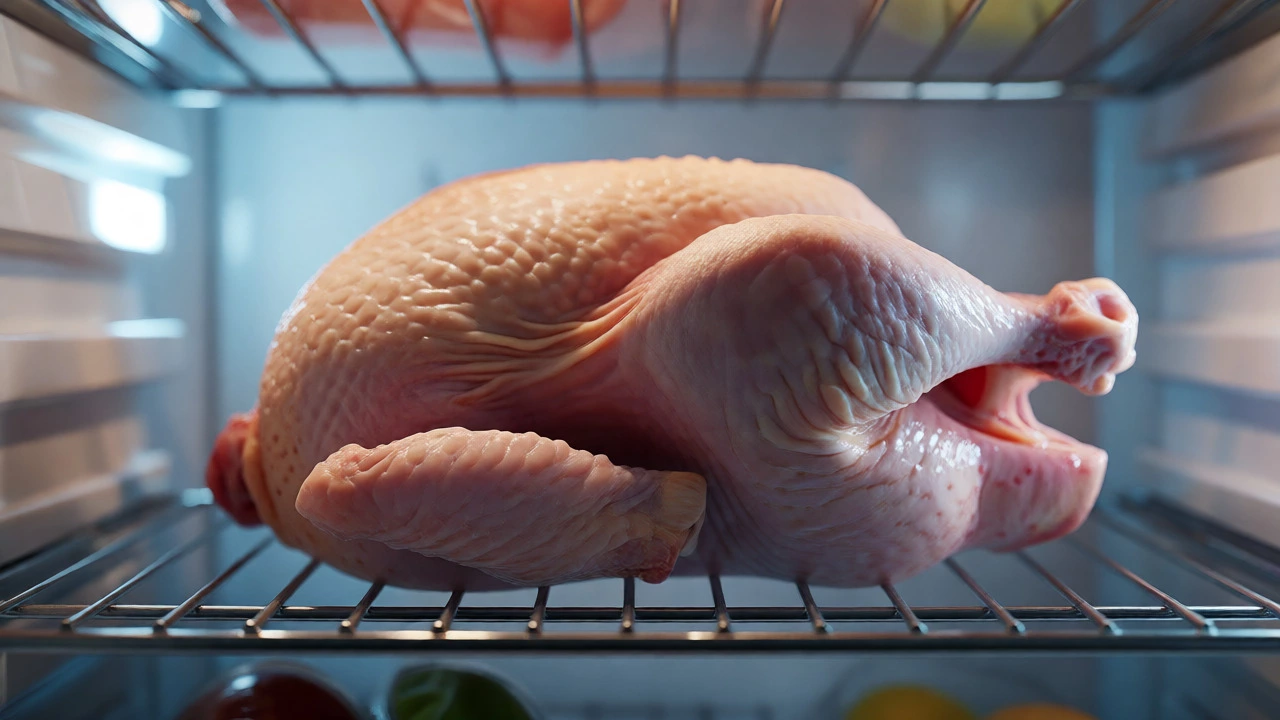
If you suspect your chicken is too fresh, don’t panic. You can fix it before you even turn on the oven. Dry aging chicken at home is simple and requires minimal equipment. You don’t need a special fridge or humidity controller.
- Pat it dry: Remove the chicken from any plastic wrapping. Use paper towels to thoroughly dry the skin and cavity. Moisture is the enemy of dry aging because it promotes bacterial growth rather than enzymatic breakdown.
- Place on a rack: Set a wire cooling rack on top of a baking sheet lined with parchment paper or foil. Place the chicken breast-side up on the rack. Air circulation around the entire bird is crucial.
- Refrigerate uncovered: Put the tray in the coldest part of your fridge (usually the bottom shelf). Leave it uncovered. Do not wrap it in plastic.
- Wait 24-48 hours: Let it sit for one to two days. Check daily. The skin should look drier and feel tighter. The color might darken slightly, which is normal.
- Cook as usual: After aging, the enzymes have started breaking down the connective tissue. The meat will be noticeably more tender when cooked.
This process mimics what happens in professional kitchens. Chefs often hold whole birds for a day or two before service to ensure consistent texture. It also helps crisp the skin later, as less surface moisture means better browning.
Brining: The Chemical Tenderizer
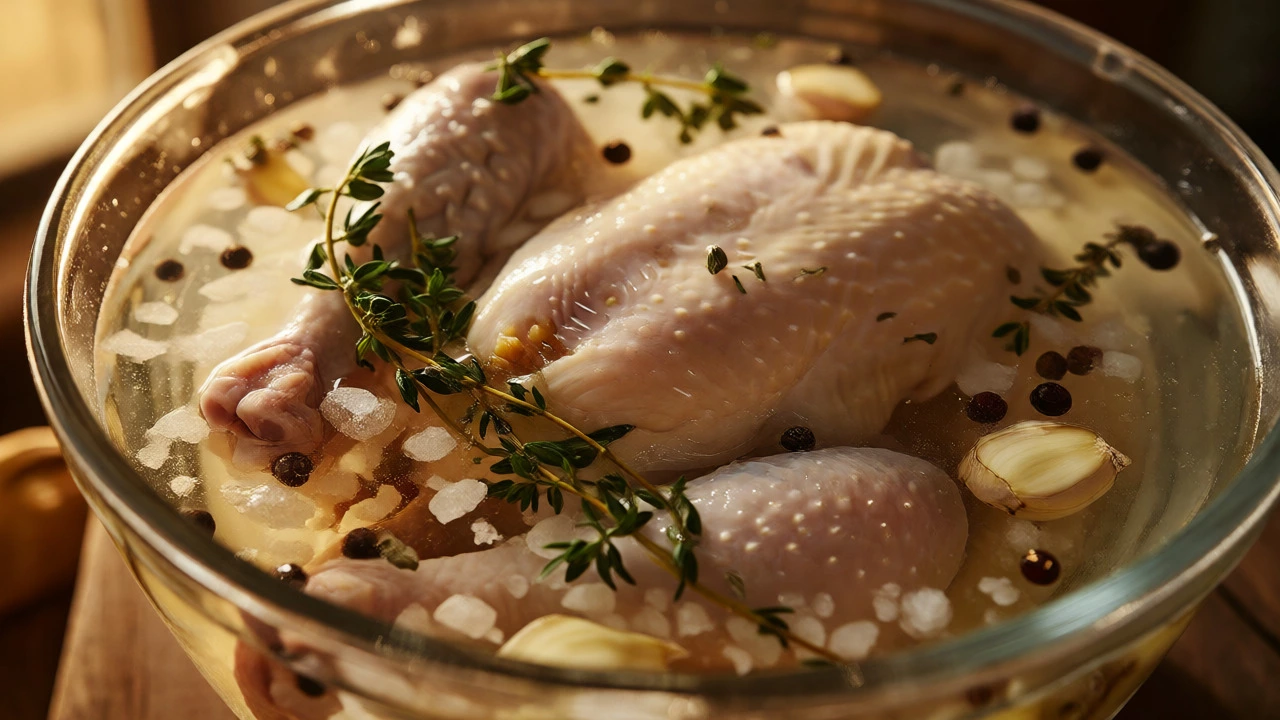
If you don’t have time to age the chicken, brining is your best backup plan. Brining isn’t just about adding salt; it’s a chemical intervention that changes protein structure. When you soak chicken in a salt solution, osmosis draws water into the cells. More importantly, the salt disrupts the electrostatic bonds holding muscle proteins together.
This denaturation allows the proteins to unwind and form new bonds that trap water. The result is meat that holds onto moisture during cooking. Even if the fibers are tough, the added moisture prevents them from becoming dry and stringy. Here’s a reliable basic brine ratio:
- Ratio: 1 cup kosher salt per gallon of water.
- Sugar: Add ½ cup brown sugar or honey to balance the harshness of the salt and aid browning.
- Aromatics: Throw in smashed garlic cloves, peppercorns, bay leaves, or thyme sprigs. These infuse subtle flavor without overpowering the chicken.
- Time: Submerge the chicken fully. Refrigerate for 4-12 hours. Do not exceed 24 hours, or the texture becomes mushy and overly salty.
Note: If you brined the chicken, rinse it lightly under cold water before cooking to remove excess surface salt. Pat it very dry again. Skipping the drying step will steam the skin instead of roasting it.
Cooking Techniques for Tougher Meat
Assume your fresh chicken is tougher than average. Adjust your cooking method accordingly. Standard high-heat roasting can shock the proteins, causing them to contract violently and squeeze out moisture. This leads to dry, chewy breast meat.
Try these adjustments:
- Start Low, Finish High: Roast at 325°F (165°C) for the majority of the cooking time. This gentle heat cooks the meat evenly without seizing the proteins. In the last 15-20 minutes, crank the heat to 450°F (230°C) to crisp the skin.
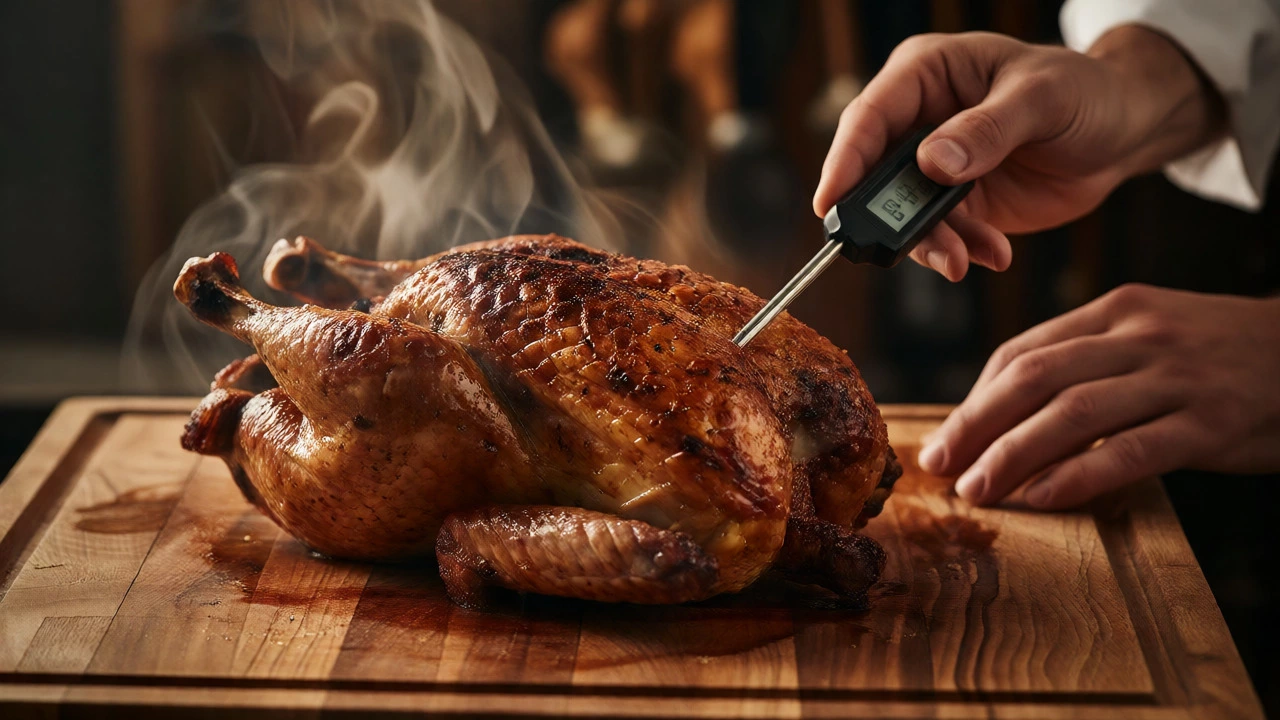
- Use a Thermometer: Stop guessing. Pull the chicken when the breast hits 155°F (68°C) and the thigh hits 165°F (74°C). Carryover cooking will raise the temps by 5-10 degrees. Overcooking fresh chicken by even five degrees makes it significantly tougher.
- Rest Properly: Let the bird rest for at least 20 minutes before carving. During resting, the muscle fibers relax, and the juices redistribute throughout the meat. Cutting too early releases those juices onto the board, leaving you with dry slices.
- Butterfly or Spatchcock: Removing the backbone flattens the bird. This reduces cooking time and ensures the breast doesn’t overcook while waiting for the thighs to reach safe temperatures. Thinner pieces cook faster and stay juicier.
Breed Matters: Industrial Broilers vs. Heritage Breeds
Not all chickens are created equal. If you’re buying from a specialty butcher, you might be getting a heritage breed like Plymouth Rock, Jersey Giant, or Freedom Ranger. These birds grow slower than the standard Cornish Cross broiler found in supermarkets.
Industrial broilers are bred for rapid weight gain, reaching market size in 6-8 weeks. Their muscles are soft and undeveloped. Heritage breeds take 12-16 weeks to mature. Their muscles are denser, more exercised, and richer in myoglobin (the red pigment). This gives them superior flavor, but it also means they are inherently tougher.
If you’re used to supermarket chicken, heritage breeds require different handling. They benefit more from marinating, braising, or lower-temperature roasting. Treat them more like beef cuts than delicate poultry. If your butcher offers both, ask which one they recommend for quick roasting versus slow cooking.
Common Mistakes That Make Chicken Tough
Sometimes the problem isn’t the bird; it’s the technique. Avoid these pitfalls:
- Freezing then thawing improperly: Ice crystals puncture cell walls. If you freeze fresh chicken and thaw it in warm water, you lose moisture rapidly. Always thaw in the fridge.
- Cooking from frozen: Uneven cooking leads to dry outer layers and undercooked centers. You’ll overcook the outside trying to save the inside.
- Overcrowding the pan: Steam builds up, preventing browning. Boiled-tasting chicken is rarely tender.
- Skipping the marinade: Acidic marinades (lemon juice, vinegar, yogurt) contain enzymes that help break down proteins. Yogurt-based marinades are particularly effective for Indian-style dishes because the calcium aids tenderization.
Frequently Asked Questions
Can I eat freshly butchered chicken immediately?
Yes, it is safe to eat immediately, provided it was handled hygienically. However, the texture will be tough due to rigor mortis. For the best culinary experience, wait at least 24 hours.
Does salting chicken make it tough?
No, salting correctly makes it tender. Salt breaks down muscle proteins and helps retain moisture. Just ensure you don’t leave it in a heavy salt cure for days unless intended for preservation.
Why is my chicken breast dry but the thigh is juicy?
Breast meat has less fat and connective tissue than dark meat. It dries out faster. Thighs have more collagen, which converts to gelatin during cooking, keeping them moist. Cook breasts to a lower internal temp (155°F) than thighs (165°F).
Is tough chicken a sign of bad quality?
Not necessarily. Toughness often indicates freshness (lack of aging) or a heritage breed. Bad quality usually manifests as off-smells, sliminess, or discoloration. Toughness is a texture issue, not necessarily a safety or spoilage issue.
How long should I age chicken in the fridge?
For optimal tenderness, age whole chickens for 1-3 days uncovered on a rack in the refrigerator. Beyond 3-4 days, the risk of spoilage increases, and the flavor may become too strong for some palates.