
How Much Pasta Water Do You Need?
Ever watched a pro chef toss pasta in a pan and wonder why their sauce clings to every strand while yours sits at the bottom of the bowl? The secret isn’t fancy equipment or expensive ingredients. It’s the liquid you’re about to pour down the sink.
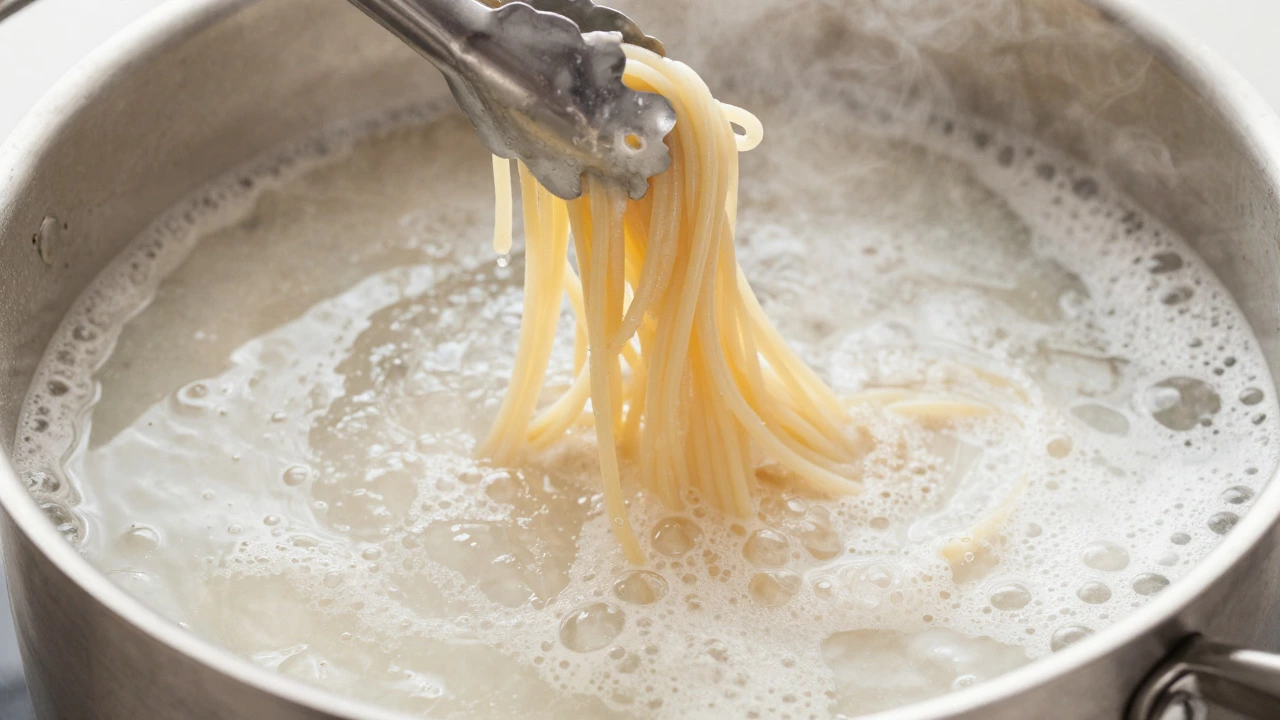
Pasta water is the starchy liquid left over after boiling dried pasta, containing high concentrations of gelatinized starch that act as a natural thickener and binder for sauces. Also known as starchy pasta water, it is one of the most underrated tools in home cooking. Instead of draining your pot completely, keep a cup of this cloudy water handy. It transforms thin, watery sauces into creamy, cohesive dishes that coat pasta evenly without needing heavy cream or excessive butter.
Why Starch Matters in Your Pot
To understand why this trick works, you have to look at what happens when pasta hits boiling water. Dried pasta is made primarily from durum wheat semolina, which is rich in two types of proteins (gluten) and carbohydrates (starch). As the pasta cooks, heat causes the starch granules on the surface to swell and burst, releasing amylose and amylopectin into the water. This process is called gelatinization.
The result is a liquid that looks like cloudy milk. This isn't dirt; it's pure, usable starch. When you add this liquid to a hot sauce, the starch molecules form a network that traps fat and water together. In culinary terms, this helps create an emulsion is a stable mixture of two liquids that normally don't mix, such as oil and water, stabilized by an emulsifier. Without the starch, oil-based sauces separate quickly. With it, they stay smooth and glossy.
How to Use Pasta Water Effectively
Using pasta water is simple, but timing is everything. You want to use it while both the pasta and the sauce are hot. Here is the standard workflow for getting the best results:
- Reserve the water: Before you drain the pasta, scoop out one to two cups of the boiling water into a heat-proof mug or small bowl. Do this before adding any salt if you are sensitive to sodium, though the amount added is negligible compared to the salt already absorbed by the pasta.
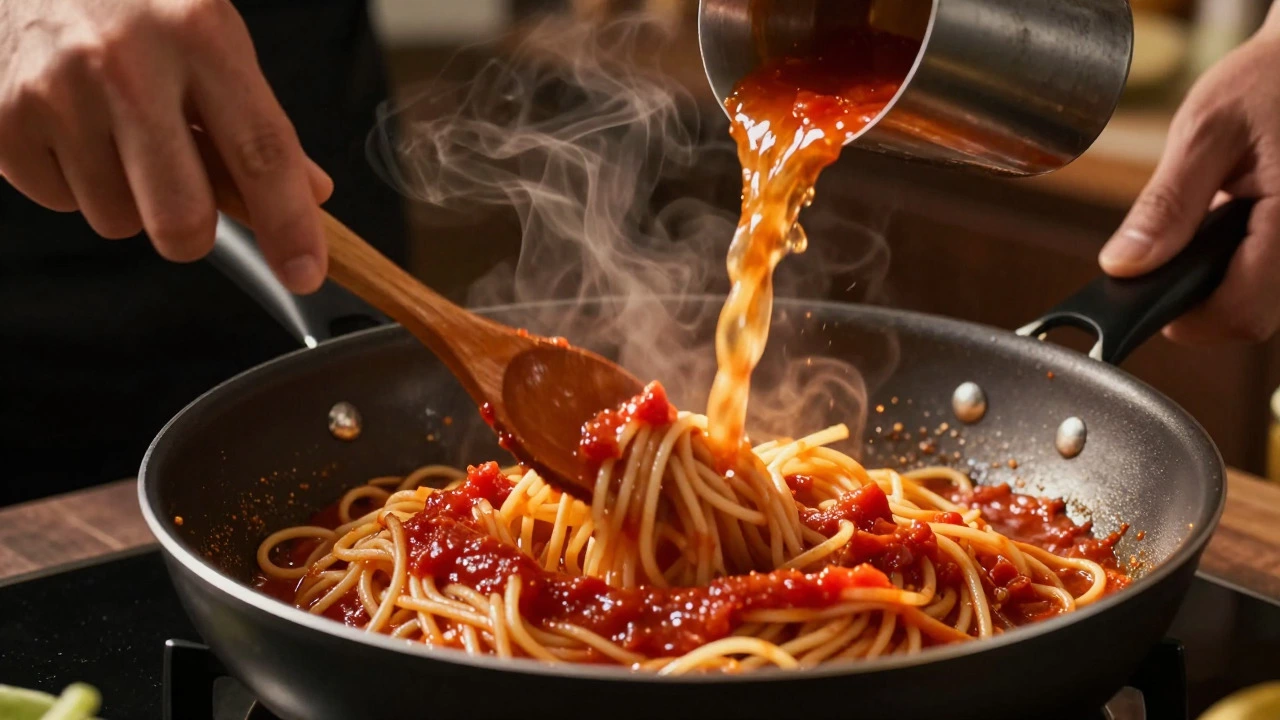
- Finish cooking in the sauce: Transfer the cooked pasta directly from the pot into the pan with your simmering sauce. This step ensures the pasta continues to cook slightly in the flavor of the sauce rather than sitting in plain water.
- Add water gradually: Start with a splash-about two tablespoons. Toss the pasta vigorously with tongs or a wooden spoon. The friction helps distribute the starch.
- Check consistency: If the sauce is still too dry or not coating the noodles, add another tablespoon. Repeat until you reach a creamy, loose consistency where the sauce glides off the fork.
A common mistake is adding cold pasta water to a hot pan. This shock can cause the starch to set prematurely, leading to a gummy texture. Always use the reserved water while it is still hot, or reheat it briefly if it has cooled down.
Best Recipes for the Starch Trick
Not every dish benefits equally from starchy water. The trick shines brightest in recipes where you need to bind oil, cheese, and water-based ingredients. Here are the top scenarios where this technique makes a noticeable difference:
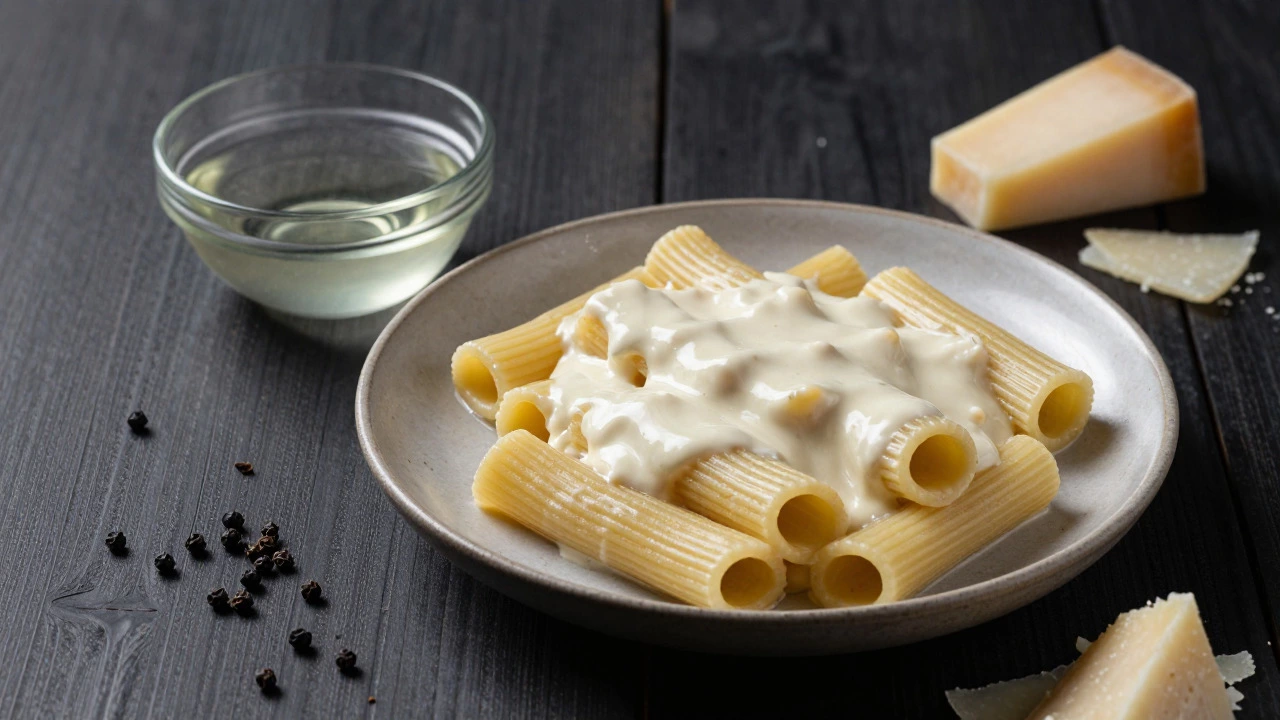
- Cacio e Pepe: This Roman classic relies entirely on pecorino romano, black pepper, and pasta water. There is no cream or butter. The starch acts as the sole emulsifier, creating a silky white sauce from just cheese and water.
- Olio e Peperoncino: A simple olive oil and chili pepper sauce often separates. Adding pasta water turns it into a glossy, clinging dressing that coats the spaghetti perfectly.
- Aglio e Olio: Similar to olio e peperoncino, garlic-infused oil needs help to stick to the pasta. Starchy water bridges the gap between the oil and the noodle surface.
- Tomato-based sauces: While tomato sauces are thicker naturally, adding a splash of pasta water helps them cling better to rougher pastas like rigatoni or penne, ensuring the hollows get filled.
Conversely, if you are making a very thick meat ragù or a pesto with plenty of pine nuts and basil, you might not need much extra liquid. These sauces have enough body to stand on their own. However, even in these cases, a small splash can loosen the sauce just enough to make serving easier without diluting the flavor.
Common Mistakes to Avoid
Even with a simple technique, errors can happen. Watch out for these pitfalls:
| Mistake | Result | Correction |
|---|---|---|
| Draining all water immediately | Sauce separates; pasta dries out | Reserve 1-2 cups before draining |
| Adding cold water | Gummy texture; temperature drop | Use hot reserved water or reheat |
| Adding too much at once | Sauce becomes soupy and thin | Add in small increments (1 tbsp) |
| Salting the reserved water heavily | Sauce becomes overly salty | Season sauce separately; use unsalted reserve |
Another subtle issue is using fresh pasta. Fresh pasta releases less starch than dried pasta because it has a different structure and shorter cooking time. If you are using fresh egg pasta, you may need to add more water or rely on a bit of butter to achieve the same emulsion effect.
Does It Work with Gluten-Free Pasta?
This is a frequent question for those cooking gluten-free meals. The short answer is yes, but with caveats. Most commercial gluten-free pastas are made from rice flour, corn flour, or legume flours. These flours also contain starch, so the principle remains valid. However, gluten-free pasta tends to be more fragile and releases starch differently depending on the brand.
Rice-based pastas release a lot of starch, which can make the water very cloudy. Corn-based pastas release less. If you find your gluten-free sauce is still separating, try adding a teaspoon of xanthan gum along with the pasta water. Xanthan gum is a powerful thickener that works synergistically with starch to create a stable emulsion. This combination is particularly effective for oil-heavy sauces served with gluten-free noodles.
Storage and Shelf Life
You probably won't save pasta water for later use. Starch settles quickly, and the liquid loses its binding power as it cools and ages. For the best results, use it within minutes of boiling. If you do have leftover hot water, store it in a sealed container in the refrigerator for up to 24 hours. Shake well before using, as the starch will have separated. It is best suited for soups or risottos where you want to thicken a liquid base, rather than for immediate pasta tossing.
Frequently Asked Questions
How much pasta water should I add to my sauce?
Start with one to two tablespoons and add more as needed. The goal is to loosen the sauce just enough to coat the pasta smoothly. If you add too much, the sauce becomes soup-like. It is easier to add more than to fix a watery sauce.
Can I use pasta water for baking?
Yes, you can substitute some of the water in bread or pizza dough with cooled pasta water. The starch adds flavor and improves the texture of the crust, making it crispier. Just ensure the water is fully cooled before mixing it into the dough.
Is pasta water healthy?
Pasta water contains carbohydrates from the starch released during cooking. It is low in calories and fat. Unless you added excessive salt to the boiling water, it is a neutral addition to your meal. It does not significantly alter the nutritional profile of the dish.
Why does my cacio e pepe sauce break?
Cacio e pepe breaks when the cheese overheats or when there is insufficient starch to emulsify the oils. To prevent this, remove the pan from the heat before adding the cheese, and stir in warm pasta water slowly. The heat from the pasta melts the cheese gently, allowing the starch to bind the fats into a smooth sauce.
Do I need to salt the pasta water if I'm saving it?
You should always salt your pasta water generously to season the pasta itself. However, if you are worried about the final salt level of the dish, you can reserve the water before adding salt, or simply taste your sauce before adding more salt at the end. The amount of salt in a few tablespoons of water is usually negligible.