
Gluten-Free Food Safety Checker
Click on a food category below to see if it is naturally gluten-free, requires caution due to processing, or contains gluten. Learn what to look for on labels.
Quick Label Reading Tips
- Wheat, Barley, Rye: Always contain gluten.
- Modified Food Starch: Usually safe in the US (corn), but check origin if imported.
- Malt/Malted Milk: Derived from barley, not safe.
- Certified GF Logo: Means <20ppm gluten, generally safe for Celiacs.
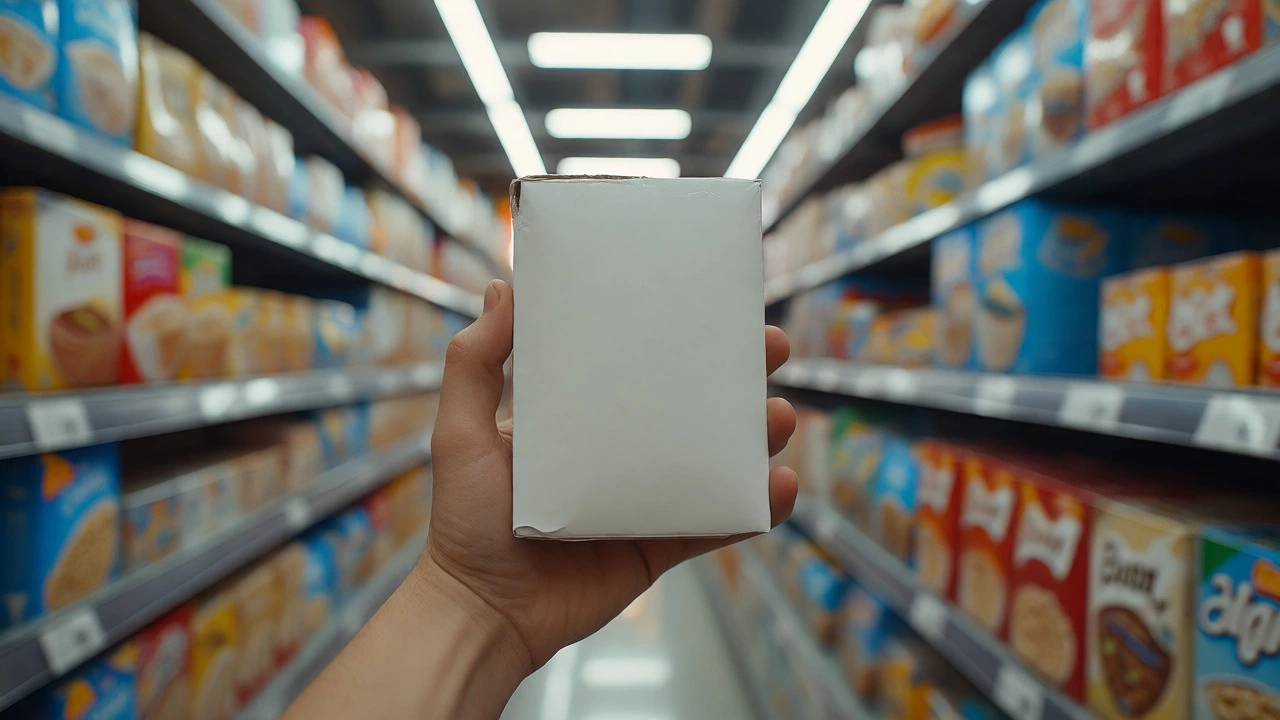
You’re standing in the cereal aisle, staring at a box of plain oats. The label says "oats." Oats are grains. Grains have gluten, right? Not exactly. But here’s the kicker: unless those oats were processed in a dedicated facility, they might be dusted with wheat flour from the machine next door. This is where most people get tripped up when trying to figure out what foods are 100% gluten free.
If you’ve recently been diagnosed with celiac disease or non-celiac gluten sensitivity, the food landscape feels like a minefield. You can’t just eat an apple and call it a day, well, actually, you can. But you need to know which apples are safe, which sauces hide wheat starch, and why that "natural flavors" label on your soup is suspicious. This guide cuts through the noise. We aren't listing every obscure seed; we’re giving you the practical, everyday items you can buy without squinting at tiny print.
The Golden Rule: Whole Foods Are Your Best Friend
Here is the simplest heuristic for staying gluten-free: if it grew in the ground, swam in the water, or was alive yesterday, it’s probably safe. Naturally gluten-free foods include unprocessed meats, fish, eggs, dairy, fruits, vegetables, nuts, seeds, and legumes. These items do not contain gluten proteins (gliadin and glutenin) found in wheat, barley, rye, and triticale.
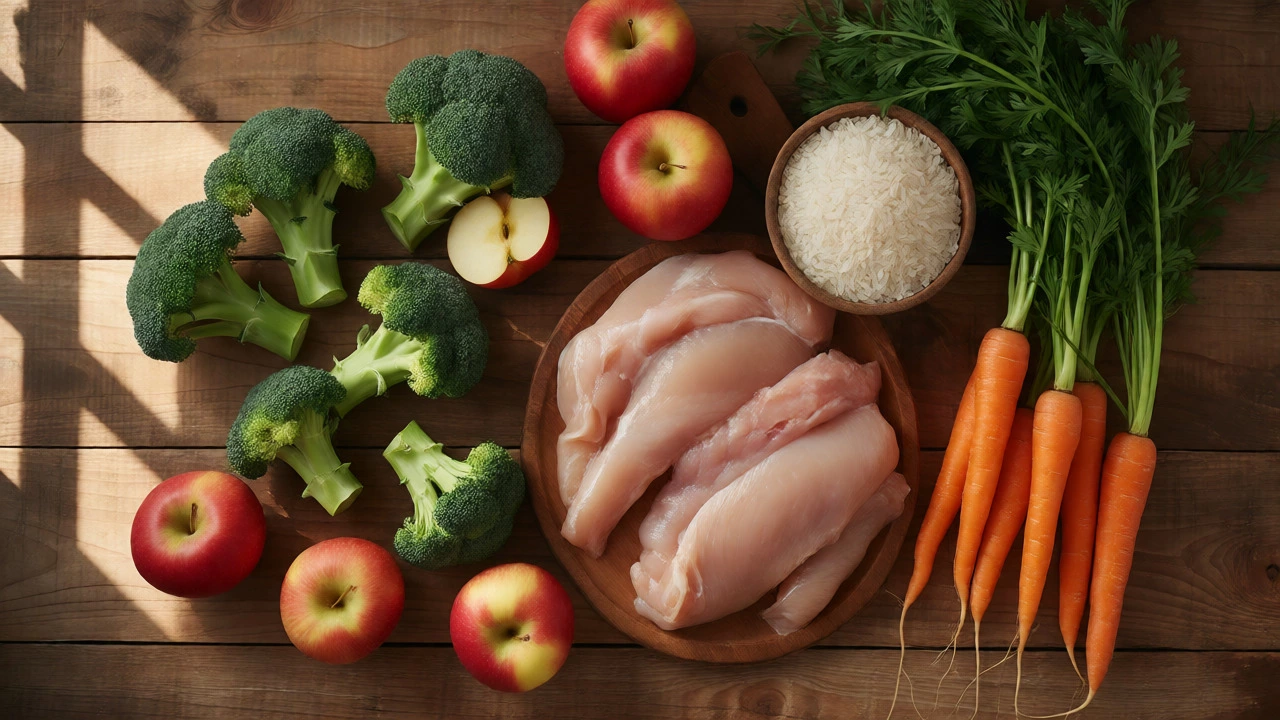
Why does this matter? Because processing introduces risk. A raw potato is gluten-free. Potato chips made in a plant that also processes wheat pretzels might not be. When you stick to whole ingredients, you eliminate 90% of the guessing game. You control what goes into your body. If you’re cooking dinner tonight, grab fresh chicken breast, broccoli, and olive oil. That meal is inherently safe. No labels required.
Fruits and Vegetables: The Safe Zone
Let’s clear up a common myth: there are no fruits or vegetables that naturally contain gluten. An orange doesn’t have hidden barley malt. A carrot isn’t coated in rye flour. However, cross-contamination is real in bulk bins. If you scoop rice from a bin that sits next to a bin of couscous, a few grains of couscous might jump over. For most people with mild sensitivity, this trace amount is negligible. For someone with severe celiac disease, it can trigger symptoms.
- Safest Bet: Pre-packaged produce or washing bulk items thoroughly.
- Watch Out For: Dried fruits sold in bulk bins near granola or baked goods.
- Pro Tip: Frozen fruits and vegetables are often safer than fresh bulk options because they are processed in controlled environments.
Stick to bananas, berries, leafy greens, root vegetables, and citrus. They are nutrient-dense, cheap, and completely off the gluten radar. If you’re making a smoothie, use fresh or frozen fruit rather than store-bought juice blends, which sometimes add thickeners derived from wheat.
Proteins: Meat, Fish, and Eggs
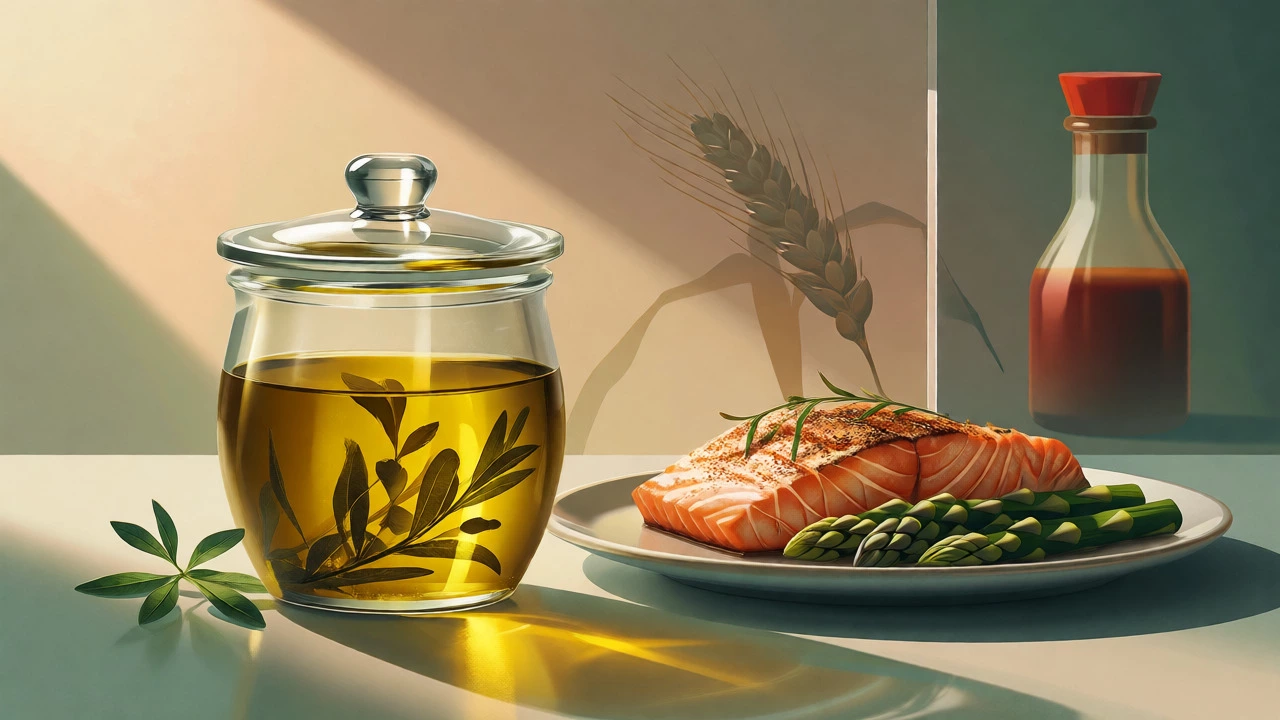
Plain meat is gluten-free. A steak, a chicken thigh, a salmon fillet-these are pure protein and fat. The danger lies in marinades, breading, and processing additives. Soy sauce, for example, is traditionally brewed with wheat. If you marinate your beef in regular soy sauce, it’s no longer gluten-free. Switch to tamari, which is typically wheat-free (check the label to be sure).
Processed meats are another trap. Deli turkey slices often contain modified food starch or hydrolyzed vegetable protein, which can come from wheat. Bacon seems safe, but some brands add sugar or maple flavoring that might contain gluten. Always read the ingredient list on packaged meats. If you see "wheat," "barley," "rye," or "malt," put it back.
| Food Item | Natural Status | Risk Factors | Safe Alternative |
|---|---|---|---|
| Fresh Chicken Breast | Safe | Marinades, breading | Herbs & Olive Oil |
| Deli Ham | Usually Safe | Additives, fillers | Rotisserie Chicken |
| Canned Tuna | Safe | Flavor packets | Tuna in Water |
| Eggs | Safe | Restaurant prep surfaces | Home-cooked Eggs |
Grains and Starches: What Can You Actually Eat?
This is where people panic. They think "no wheat" means "no carbs." False. There is a wide world of grains outside the wheat family. Rice is the king of gluten-free starches. White, brown, jasmine, basmati-all are naturally gluten-free. Quinoa is technically a seed, not a grain, and it’s packed with protein. Corn is another staple; corn tortillas are a great swap for flour tortillas.
Oats require special attention. Pure oats are gluten-free, but they are frequently contaminated during harvest or milling because farmers rotate crops (planting wheat after oats). Look specifically for products labeled "Certified Gluten-Free Oats." Brands like Bob’s Red Mill or Nature’s Path often have dedicated lines. If the bag doesn’t say certified, assume it has cross-contact.
- Rice: All varieties are safe.
- Quinoa: Rinse before cooking to remove bitter saponins.
- Buckwheat: Despite the name, it contains no wheat. It’s related to rhubarb.
- Amaranth & Millet: Ancient grains that are naturally gluten-free.
- Potatoes & Sweet Potatoes: Root vegetables are always safe.
Dairy and Fats: Usually Safe, Sometimes Sneaky
Milk, butter, and cheese are generally gluten-free. Lactose is a sugar, not a protein, so it doesn’t interact with gluten. However, flavored yogurts, cream cheeses, and processed cheese slices can contain stabilizers or flavorings derived from wheat. Plain yogurt is safe. Greek yogurt is safe. Flavored yogurt with "cookie dough" bits? Check the label.
Butter is pure fat and safe. Margarine varies by brand; some use wheat-based emulsifiers. Stick to butter or oils like olive, avocado, and coconut. These fats are essential for satiety on a gluten-free diet, especially since many GF breads are low in fiber and leave you hungry an hour later.
The Hidden Enemies: Sauces, Spices, and Snacks
You bought the safe chicken and the safe rice. Now you want to season it. Here’s where things get tricky. Wheat flour is a common thickener in gravies, soups, and salad dressings. Barley malt is used in vinegar (specifically malt vinegar) and some beers. Rye is less common in processed foods but appears in certain cereals and spirits.
Spices themselves are gluten-free, but ground spices can be cross-contaminated if the grinding equipment also processes wheat flour. Buying whole spices and grinding them yourself eliminates this risk. If you buy pre-ground cinnamon or garlic powder, look for a gluten-free certification logo. It’s rare, but possible.
Snack foods are notorious. Potato chips are usually fine, but flavored ones often contain wheat-derived ingredients. Crackers are almost never gluten-free unless specified. Pretzels are made of wheat. Popcorn is safe if it’s air-popped or made from kernels you pop yourself. Microwave popcorn bags may have coating agents, so check the ingredients.
How to Read Labels Like a Pro
In the United States, the FDA regulates the term "gluten-free." If a package says "gluten-free," it must contain less than 20 parts per million (ppm) of gluten. This threshold is considered safe for most people with celiac disease. Trust this label. It’s backed by law.
However, not all products carry this label. If you don’t see it, scan the ingredient list for these red flags:
- Wheat: Obvious.
- Barley: Often hidden as "malt," "malted milk," or "brewer’s yeast."
- Rye: Less common, but watch for it in cereals.
- Triticale: A hybrid of wheat and rye.
- Modified Food Starch: In the US, this is usually corn, but if it’s imported, it could be wheat. If unsure, contact the manufacturer.
- Hydrolyzed Vegetable Protein (HVP): Can be derived from wheat.
When in doubt, reach out to the company. Most major food brands have customer service teams who answer questions about allergens. It takes five minutes on the phone, but it saves you a week of stomach pain.
Living with Confidence
Figuring out what foods are 100% gluten free isn’t about memorizing a textbook. It’s about shifting your mindset toward whole, unprocessed ingredients. The more you cook from scratch, the fewer surprises you’ll encounter. Start with the basics: meat, veggies, rice, and fruit. Once you’re comfortable, experiment with alternative flours like almond, coconut, or cassava for baking.
Remember, perfection isn’t the goal. Consistency is. Occasional exposure to trace amounts won’t ruin your health long-term, but knowing your triggers helps you manage your energy levels. Build a pantry filled with safe staples, keep a cheat sheet in your kitchen, and enjoy the fact that delicious, safe food is everywhere-you just have to know where to look.
Are oats really gluten-free?
Pure oats are gluten-free, but they are often contaminated with wheat during growing, harvesting, or processing. Only consume oats labeled "certified gluten-free" if you have celiac disease.
Is soy sauce gluten-free?
Traditional soy sauce is brewed with wheat and is not gluten-free. Tamari is a Japanese form of soy sauce that is typically wheat-free, but always check the label to confirm.
Can I eat potatoes if I’m gluten-free?
Yes, potatoes are naturally gluten-free. However, avoid fried potatoes cooked in shared fryers with battered foods, and check ingredients on instant mashed potato mixes for added wheat flour.
What does "modified food starch" mean?
In the US, modified food starch is usually derived from corn and is gluten-free. If it comes from wheat, the label must state "wheat." Outside the US, regulations vary, so check local labeling laws.
Are all cheeses gluten-free?
Most natural cheeses are gluten-free. Processed cheeses, blue cheeses (which may use bread molds), and flavored cheese spreads can contain gluten additives. Always read the ingredient list.