
Dinner Decision Generator
Select the options that match your current situation:
Select your ingredients above
to get a recipe recommendation.
Recipe Name
Instructions:
Step by step instructions go here...
Why this works:
Explanation of why this is a good choice.
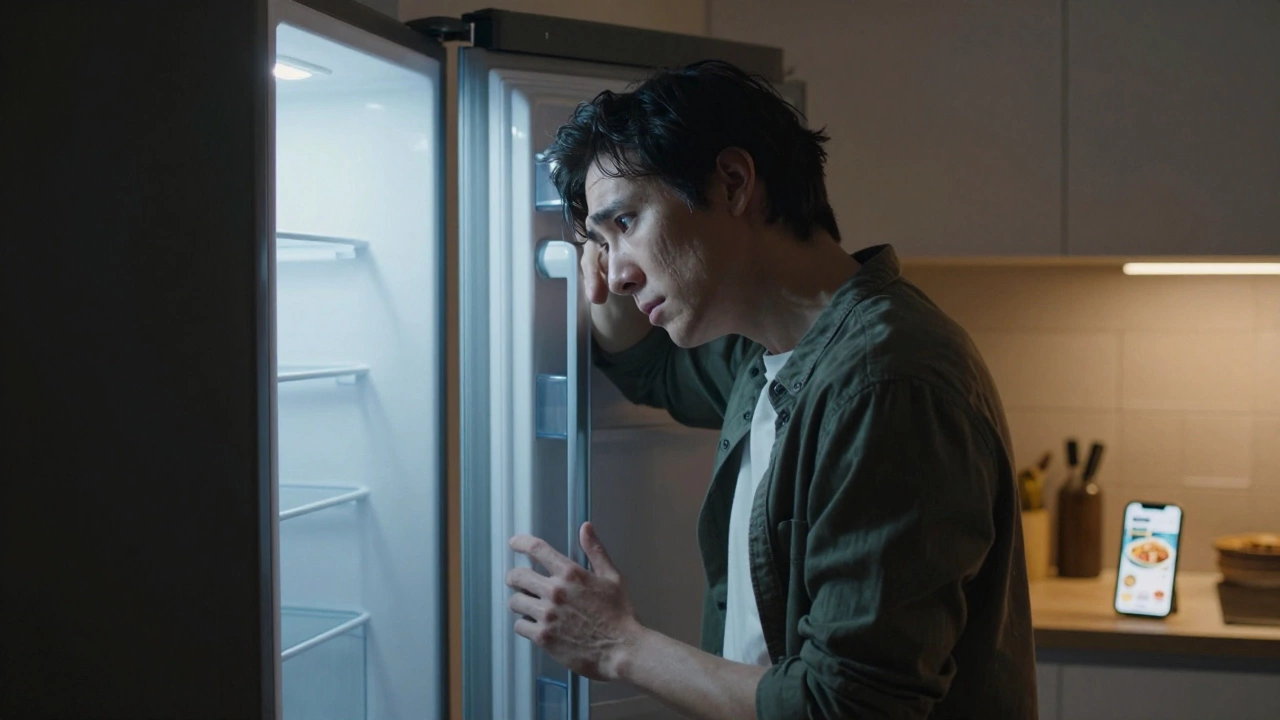
It’s 6:30 PM. You’re hungry. The fridge is open. And you have absolutely no idea what to eat. Sound familiar? This isn’t just a bad Tuesday; it’s a universal struggle known as decision fatigue, which is the deteriorating quality of decisions made after a long period of decision-making. By the end of the day, your brain is too tired to choose between tacos or stir-fry. The result? Takeout that costs twice as much as groceries and tastes half as good.
You don’t need a gourmet plan to fix this. You need a system. When you don't know what to make, the goal isn't culinary innovation-it's speed, simplicity, and using what you already have. Here is how to bypass the mental block and get food on the table in under 30 minutes without ordering delivery.
The "Open Fridge" Audit: Start With What You Have
Before you scroll through recipe apps, look at your kitchen. Most easy dinners start with three things: a protein, a carb, and a vegetable. If you can identify these three components, you can build a meal. This method eliminates the paralysis of choice because you aren't choosing a dish; you're combining ingredients.
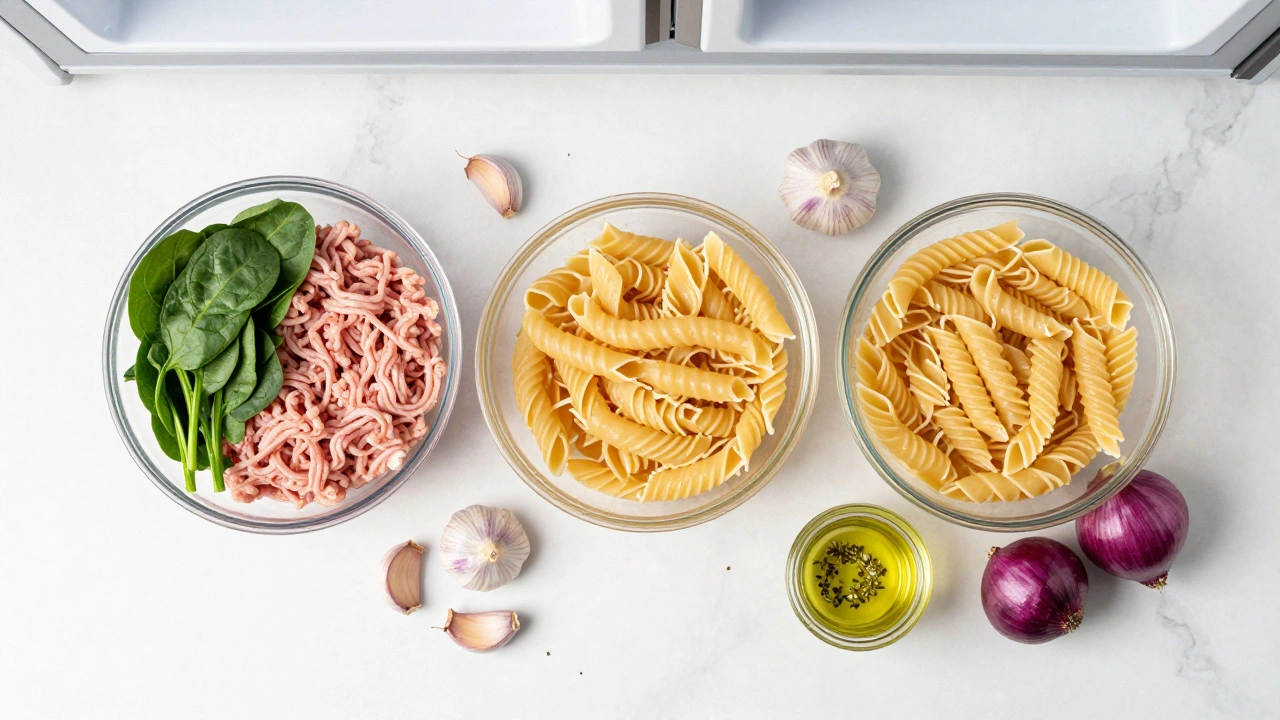
Check your pantry first. Do you have rice? Pasta? Canned beans? These are your anchors. Then check the fridge. Is there chicken breast? Ground beef? Eggs? Spinach? Once you name two items, the third usually reveals itself. For example, if you have ground turkey, a versatile lean poultry meat often used as a healthier alternative to ground beef and some spinach, you instantly have the base for a skillet dinner. Add pasta from the cupboard, and you have a complete meal. No recipe required.
- Protein Check: Look for eggs, canned tuna, rotisserie chicken, or frozen shrimp.
- Carb Check: Look for rice, quinoa, bread, tortillas, or potatoes.
- Veggie Check: Look for frozen mixed vegetables, fresh spinach, onions, or garlic.
5 Go-To Recipes for When You're Blank
If the audit leaves you staring at the wall, pick one of these five templates. They are flexible, forgiving, and rely on common ingredients. These are not just recipes; they are frameworks you can adapt based on what’s in your house.
1. The "Everything" Fried Rice
Fried rice is the ultimate solution for leftover rice and random fridge scraps. It requires only a wok or large skillet, soy sauce, and oil. Cook any leftover rice with diced carrots, peas, corn, or even chopped up leftover roast chicken. Push the rice to the side, scramble an egg in the empty space, then mix everything together. Season with soy sauce and sesame oil. It takes 10 minutes and uses up ingredients that might otherwise go bad.
2. Sheet Pan Sausage and Veggies
This is the lowest-effort meal possible. Slice smoked sausage (like kielbasa or Italian sausage) into rounds. Toss them with chopped broccoli, bell peppers, and red onion on a baking sheet. Drizzle with olive oil, salt, pepper, and maybe some dried oregano. Roast at 400°F (200°C) for 20-25 minutes. While that cooks, you can sit down. Zero active cooking time. The sausage flavors the veggies, and the veggies caramelize. Serve over couscous or alone.
3. One-Pot Pasta Primavera
Boil water. Throw in your favorite pasta. Ten minutes before the pasta is done, throw in chopped zucchini, cherry tomatoes, and spinach. Drain most of the water, leaving about half a cup. Stir in parmesan cheese, a splash of cream (or olive oil for vegan), and black pepper. The starchy water creates a creamy sauce without heavy cream. It feels fancy but is essentially boiling noodles with vegetables.
4. Breakfast for Dinner (Shakshuka Style)
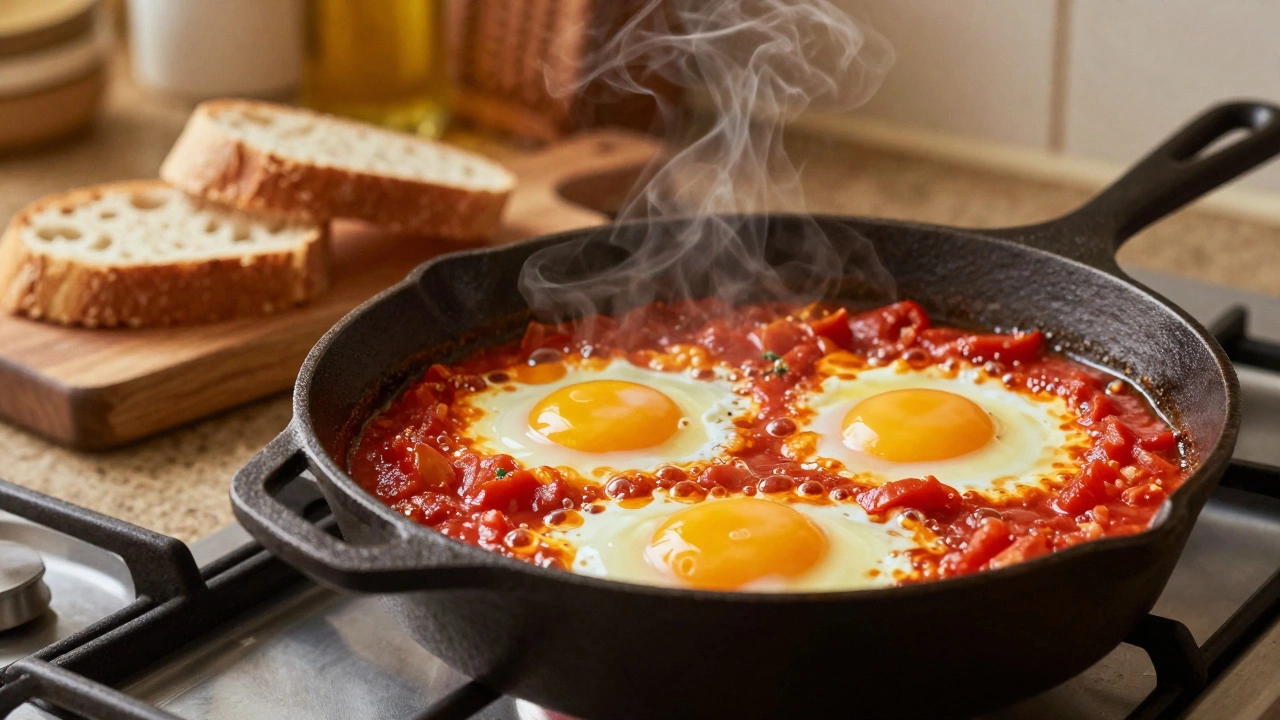
Eggs are the fastest protein available. Poach eggs in a spicy tomato sauce. Simmer crushed tomatoes with cumin, paprika, and chili flakes. Make wells in the sauce and crack eggs into them. Cover and cook until whites are set. Serve with crusty bread for dipping. It’s warm, comforting, and ready in 15 minutes. It works for vegetarians and those who want a lighter meal.
5. Quesadilla Night
Tortillas + Cheese + Anything = Dinner. Use leftover chicken, black beans, corn, or just cheese and jalapeños. Fill a tortilla, fold it, and fry in a dry pan until crispy. Serve with salsa and sour cream. It’s interactive, fast, and kids love it. You can make individual ones so everyone gets exactly what they want.
The Psychology of Menu Fatigue
Why is it so hard to decide? Because cooking involves multiple micro-decisions: shopping, prep, timing, and cleanup. When you are tired, your brain resists this cognitive load. To combat this, create "default" meals. These are dishes you make so often you don't have to think about them. Think of them like muscle memory.
Choose three default meals for your household. Maybe it’s spaghetti bolognese, chicken stir-fry, and taco night. When you ask, "What should we eat?" and the answer is blank, default to one of these three. Rotate them weekly. This reduces the number of choices from infinite to three, drastically lowering stress.
| Strategy | Time Required | Dishware Needed | Best For |
|---|---|---|---|
| Fried Rice | 10-15 mins | Wok/Skillet | Using leftovers |
| Sheet Pan Meal | 25 mins (mostly passive) | Baking Sheet | Minimal effort/cleanup |
| One-Pot Pasta | 15-20 mins | Pot | Vegetarian/Vegan diets |
| Quesadillas | 5-10 mins | Spatula/Pan | Kids/Picky eaters |
Building Your Emergency Pantry
To make these decisions easier, maintain a "emergency pantry." This is a small collection of shelf-stable items that never expire quickly and form the base of many meals. Without these, you are forced to shop every time you feel stuck.
Keep these staples stocked:
- Canned Tomatoes: Base for pasta sauces, soups, and shakshuka.
- Rice or Quinoa: Cheap, filling carbs that store forever.
- Dried Beans/Lentils: High-protein vegetarian options.
- Soy Sauce & Olive Oil: Instant flavor enhancers.
- Garlic Powder & Onion Powder: Faster than chopping fresh aromatics.
When you have these, you can turn almost any protein into a meal. Chicken + Soy Sauce + Rice = Teriyaki-style bowl. Beans + Tomatoes + Spices = Chili. The possibilities expand when the foundation is solid.
How to Stop Overcomplicating Dinner
We often fail to cook because we aim too high. We see a picture of a perfectly plated salmon dish and think, "I must make that." But dinner doesn't need to be Instagram-worthy. It needs to be edible and nourishing. Give yourself permission to make "ugly" food. A messy stir-fry tastes just as good as a neat one. A broken pasta shape is still delicious.
Also, embrace imperfection in prep. Don't dice vegetables perfectly. Chop them roughly. It saves time and adds texture. Use pre-minced garlic from a jar if you’re tired. Use frozen vegetables-they are just as nutritious as fresh and require zero washing or peeling. Removing the pressure to perform allows you to actually cook.
Planning Ahead to Prevent Future Stalls
The best way to handle "what to make" today is to decide tomorrow. Spend 10 minutes on Sunday looking at your schedule. Pick three nights where you will be busy. Assign a simple meal to each. Write it on a sticky note and put it on the fridge. On Wednesday night, when you are exhausted, you don't have to think. You just follow the note.
This technique, called "menu batching," shifts the decision-making energy to when you have it (Sunday) rather than when you don't (Wednesday). It’s a small investment of time that pays off in reduced stress and less takeout spending.
What is the easiest dinner to make with no ingredients?
If you truly have no ingredients, your best bet is toast with butter or jam, or cereal with milk. However, most people have basic staples. Check for eggs, bread, or canned soup. An egg sandwich or grilled cheese requires only bread, cheese, and butter, which are common household items.
How do I stop feeling guilty about eating the same thing every night?
Variety is nice, but consistency is efficient. Eating the same healthy meal repeatedly is better than eating unhealthy takeout due to indecision. You can add variety by changing the seasoning. Use different spices, herbs, or sauces on the same base protein and vegetable combination.
What are some healthy options for quick dinners?
A sheet pan meal with roasted chicken breast and broccoli is high in protein and fiber. A salad with canned tuna, chickpeas, and olive oil dressing is also quick and nutritious. Focus on adding a vegetable to every meal, even if it's just frozen peas stirred into rice.
Can I use frozen vegetables in these recipes?
Absolutely. Frozen vegetables are often more nutritious than fresh ones because they are flash-frozen at peak ripeness. They save prep time since they are already washed and chopped. Add them directly to stir-fries, pastas, and soups.
How do I get my family to eat simple meals?
Involve them in the process. Let kids choose between two options (e.g., pasta or rice). Present simple meals with fun dips or sides. Consistency helps; if they know Taco Night is always Tuesday, they won't complain. Keep the atmosphere relaxed around food.