
Budget Dinner Planner
Set your available food budget below to see which easy, low-cost dinners you can afford. Select multiple recipes to build a meal plan.
Choose Your Dinners
Click on a recipe card to add or remove it from your plan. Each recipe serves 1 person for one dinner.
Your Meal Plan Summary
It’s 6 PM on a Tuesday. The fridge is empty except for half a bottle of soy sauce and a single onion. Your bank account balance looks like it belongs in a math problem you’d rather not solve. Sound familiar? It happens to more people than you think. When the pantry is bare and the wallet is thin, the kitchen becomes a place of stress rather than comfort. But here is the good news: you don’t need a lot of cash or exotic ingredients to eat well. You just need a few basic staples and a willingness to get creative.
This guide isn’t about luxury dining. It’s about survival mode with style. We will look at practical easy dinner recipes that cost very little, how to stretch your budget further, and what to do when you truly have nothing left. Whether you are between paychecks or just trying to save up for something big, these strategies will keep you fed without breaking the bank.
The Emergency Pantry: What You Actually Need
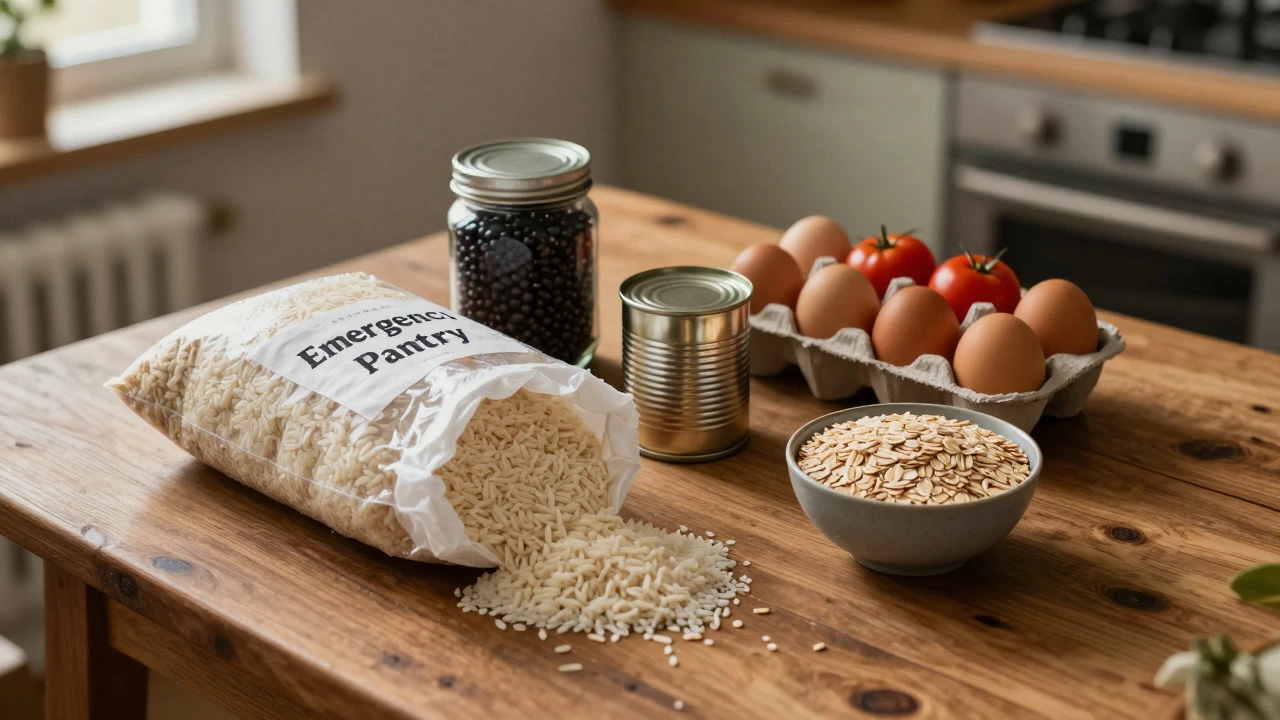
Before we jump into recipes, let’s talk about the foundation. If you have no food, the first step is to build a tiny, resilient pantry. You don’t need a full grocery store’s worth of items. You need shelf-stable basics that last months and require minimal preparation. Think of this as your safety net.
- Rice: White rice is cheaper and lasts longer than brown. A 5kg bag can feed one person for weeks if cooked in small batches.
- Dry Beans: Black beans, kidney beans, or chickpeas. They are high in protein and fiber, keeping you full for hours.
- Canned Tomatoes
- Eggs: The most affordable source of complete protein available. They fry, boil, or scramble in under five minutes.
- Oats: Perfect for breakfast, but also great for thickening soups or making porridge with added spices.
If you are starting from zero, check local community fridges or food banks in Manchester. Organizations like the Trussell Trust often distribute these exact items. Once you have this core kit, you can start mixing and matching. The key is variety through seasoning. A pinch of cumin changes the game entirely compared to plain salt.
Five Dinners That Cost Less Than £3 Per Serving
Let’s get down to business. Here are five specific meals that rely on the basics mentioned above. These are not fancy dishes; they are hearty, filling, and incredibly cheap.
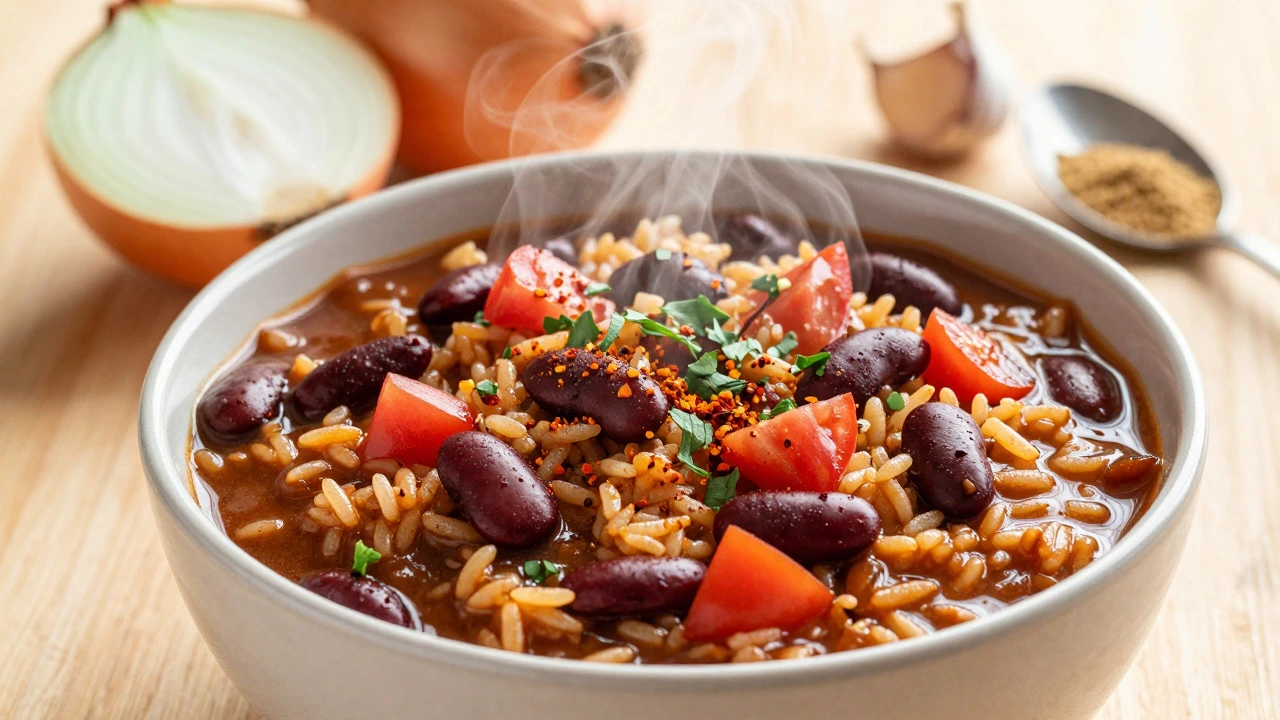
- Rice and Bean Chili: Sauté an onion (if you have one) with garlic powder. Add canned tomatoes, rinsed canned beans, and uncooked rice. Simmer until the rice is tender. Season with chili flakes and cumin. This serves two people for about £1.50.
- Garlic Butter Omelette: Two eggs, a splash of milk, and whatever vegetable scraps you have (celery ends, carrot tops). Fry in a bit of oil or butter. Serve with a slice of toast if you have bread. Total cost: under £1 per serving.
- Lentil Soup: Red lentils cook faster than green ones. Boil them with water, a bay leaf, and dried herbs. Mash some of the soup to thicken it. Add a spoonful of peanut butter for creaminess if you have it. It’s warm, comforting, and costs pennies per bowl.
- Pasta with Tomato Sauce: Use the cheapest pasta you can find. Make a quick sauce from canned tomatoes, salt, pepper, and oregano. Toss the pasta in the sauce. Add a sprinkle of parmesan if you’re feeling lucky, or just extra olive oil. Simple, fast, and satisfying.
- Stir-Fried Rice: Cook rice the night before and refrigerate it. In the morning, stir-fry it with frozen peas, corn, and soy sauce. Add a fried egg on top. This is a classic Asian-inspired dish that uses leftovers smartly and requires almost no fresh produce.
Notice a pattern? Most of these rely on heat and time, not expensive ingredients. The secret is patience. Cooking slowly allows flavors to meld, making simple foods taste complex.
Stretching Your Budget: Pro Tips for Saving More
Cooking cheaply is one thing; saving money while doing it is another skill. Here are some tactics used by experienced budget cooks.
First, buy in bulk when possible. A large bag of rice is significantly cheaper per kilogram than small packets. Same goes for dry beans and oats. Second, embrace seasonal vegetables. In August, courgettes, peppers, and tomatoes are at their peak and lowest price. Buy them in crates from local markets or discount supermarkets like Aldi or Lidl. Third, freeze everything you can. If you buy a whole chicken, roast it, then pull the meat off the bone. Freeze the meat for sandwiches and use the carcass to make stock. That one bird gives you three meals’ worth of value.
Also, don’t ignore discounts. Check the back of the shop for items nearing their best-before date. Canned goods and frozen foods are safe to eat long after the printed date. Just make sure the packaging isn’t damaged. Finally, cook once, eat twice. Make a big pot of soup or stew on Sunday. Eat half on Monday, freeze the rest for Wednesday. This reduces energy bills and food waste simultaneously.
When You Truly Have Nothing: Community Resources
Sometimes, even the cheapest ingredients feel out of reach. If you are in this situation, know that you are not alone. Manchester has a robust network of support systems designed exactly for this moment.
Start with local food banks. The Trussell Trust operates several distribution points across the city. You usually need a referral from a GP, social worker, or charity worker, but many centers offer walk-in days. Bring ID and proof of address if you have it, but don’t let lack of paperwork stop you from asking.
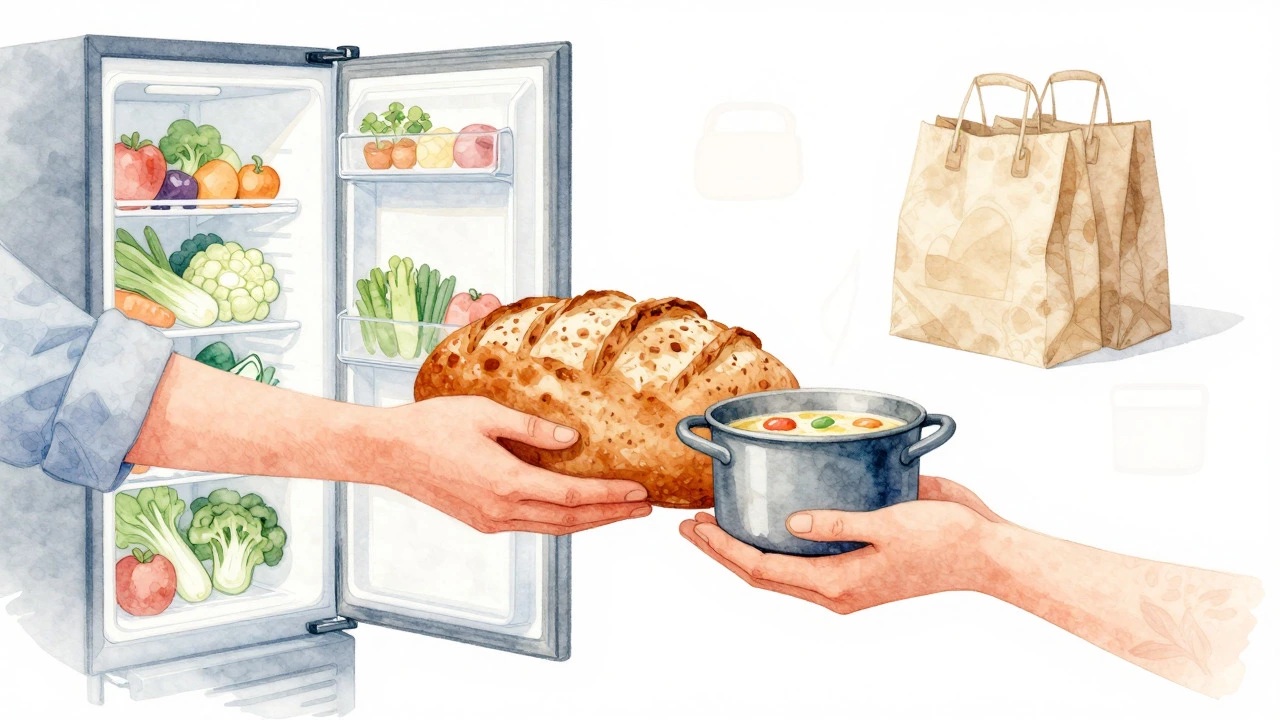
Community fridges are another excellent resource. These are refrigerators placed in public spaces where anyone can take food and anyone can donate surplus. Check apps like Too Good To Go or local Facebook groups for locations near you. Often, restaurants and cafes put out unsold food there, giving you access to fresh meals for free.
Don’t forget about meal trains. Many neighborhoods organize informal meal sharing during tough times. Ask neighbors if they have extra food. Most people are happy to share a casserole or a loaf of bread. It’s a human connection that comes with the calories.
Comparison of Low-Cost Meal Strategies
To help you decide which approach fits your current situation, here is a quick comparison of different budget cooking methods.
| Strategy | Average Cost per Meal | Time Required | Best For |
|---|---|---|---|
| Instant Noodles & Condiments | £0.50 - £1.00 | 5 minutes | Emergency, low energy |
| Batch Cooking (Beans/Rice) | £1.00 - £1.50 | 30-45 mins (prep), 5 mins (serve) | Weekly planning, savings |
| Community Fridge / Food Bank | £0.00 | Varies | No funds available |
| Seasonal Vegetable Roasts | £1.50 - £2.50 | 45-60 mins | Nutrient density, flavor |
As you can see, the trade-off is usually between time and cost. Batch cooking saves money but requires upfront effort. Instant solutions are fast but less nutritious. Mixing both approaches gives you the best of both worlds.
Making It Taste Good: The Power of Spices
One of the biggest mistakes people make when eating on a tight budget is assuming the food will taste bland. It doesn’t have to be. Spices are cheap and transformative. A small jar of smoked paprika, ground cumin, or dried oregano can cost less than £2 and last for months.
Try adding a dash of smoked paprika to your bean soup for a smoky depth. Use cumin in your rice dishes for warmth. Sprinkle dried oregano over tomato sauce for an Italian touch. Even black pepper and garlic powder make a huge difference. Invest in a small spice rack early on. It’s the highest return on investment in your entire kitchen.
Also, don’t underestimate the power of acidity. A squeeze of lemon juice (if you have one) or a splash of vinegar brightens up heavy, starchy meals. It makes plain rice and beans taste fresher and more vibrant. These small tweaks turn survival food into actual meals you’ll look forward to.
Frequently Asked Questions
What is the cheapest meal I can make right now?
If you have water and electricity, instant noodles with a boiled egg are among the cheapest options. However, if you have access to basic staples like rice and beans, a simple rice and bean chili is more nutritious and still costs under £1.50 per serving.
Where can I get free food in Manchester?
Check local Trussell Trust food bank locations for scheduled distribution days. Also, search for community fridges in your neighborhood using local social media groups or apps like Too Good To Go. Many churches and community centers also host weekly meal services.
How do I make plain rice interesting?
Add flavor during the cooking process. Use vegetable or chicken stock instead of water. Stir in a tablespoon of soy sauce, a pinch of turmeric, or a handful of frozen peas. Top with sesame seeds or a fried egg for texture and protein.
Are frozen vegetables okay for a budget diet?
Yes, absolutely. Frozen vegetables are picked at peak ripeness and flash-frozen, preserving nutrients. They are often cheaper than fresh out-of-season produce and don’t spoil, reducing waste. They are a staple for any budget-conscious cook.
How much should I spend on groceries each week?
There is no fixed number, but aim for 10% of your gross income as a general guideline. If you are on a very tight budget, focus on calorie-dense, nutrient-rich foods like grains, legumes, and seasonal vegetables to maximize nutrition per pound spent.