
Gluten Recovery Action Plan
When did it happen?
Select the timeframe since your accidental gluten exposure to get tailored advice.
Select a timeframe and click "Get My Recovery Plan" to see what your body needs right now.
Here is the hard truth that might surprise you: no food exists that actively "flushes" gluten out of your body like a drain unclogger. If you accidentally ate a slice of pizza or a bowl of pasta, drinking a gallon of water or eating a specific leafy green won't magically erase the gluten from your system. Your digestive tract doesn't work on an "undo" button.
However, while you can't speed up the chemical breakdown of gluten proteins, you can support your body's natural elimination processes. You can help move things along, reduce inflammation, and give your gut lining a break while it heals. This distinction matters because understanding how your body actually handles gluten changes how you react to mistakes.
The Reality of Gluten Digestion
To understand why "flushing" is a myth, we need to look at what happens when gluten enters your stomach. Gluten is a protein complex found in wheat, barley, and rye. For people with Celiac disease or non-celiac gluten sensitivity, this protein triggers an immune response or an inflammatory reaction in the small intestine.
Once you swallow gluten-containing food, it takes time for your body to process it. On average, it takes about 24 to 72 hours for food to pass through the entire digestive system. During this window, the gluten is breaking down in the stomach and small intestine. Once it reaches the large intestine, most of the damage-immune-wise-is already done. Eating more food doesn't push the previous meal out faster; in fact, overeating can slow down gastric emptying due to the gastrocolic reflex.
So, instead of looking for a magical eraser, think of your goal as creating an environment where your body can handle the aftermath efficiently. This means focusing on hydration, fiber balance, and anti-inflammatory nutrients.
Foods That Support Natural Elimination
While nothing "flushes" gluten, certain foods help keep your digestive tract moving smoothly. A healthy bowel movement frequency is key to getting waste out of your system without delay. Here are the best dietary allies for post-gluten exposure:
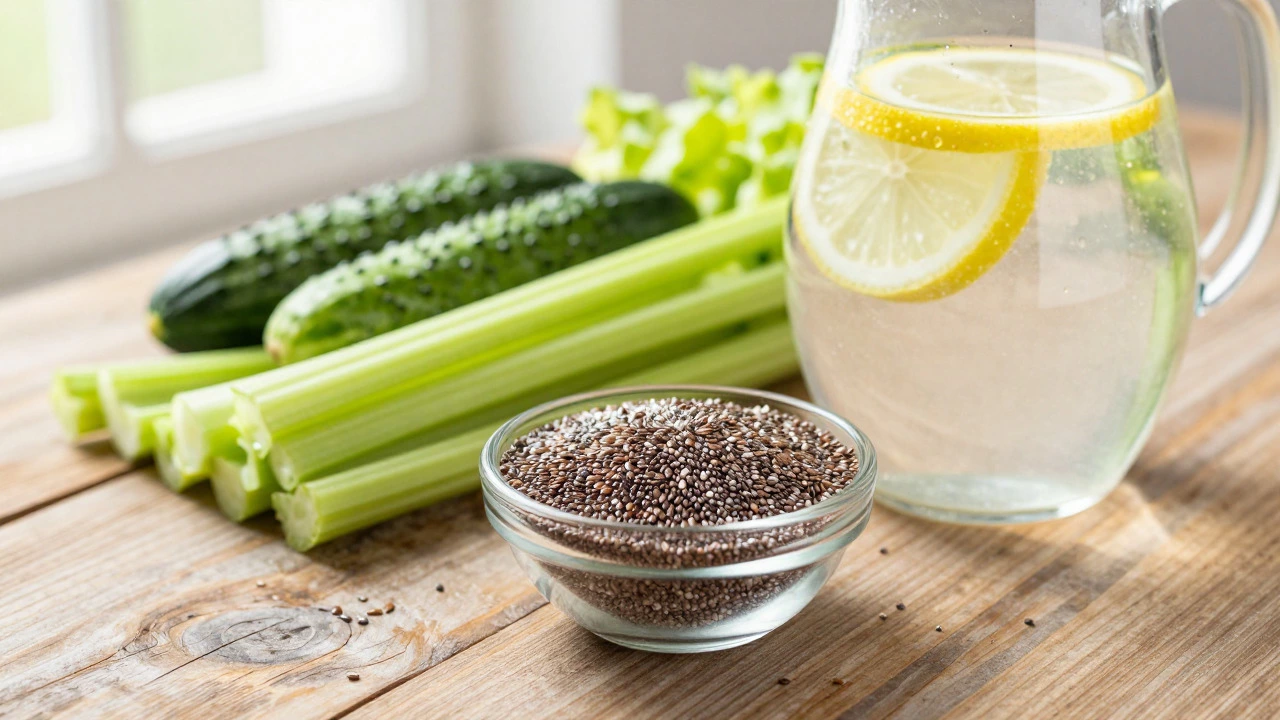
- Soluble Fiber Sources: Foods like oats (if certified gluten-free), chia seeds, and flaxseeds absorb water and form a gel-like substance. This helps regulate bowel movements, preventing both constipation (which keeps toxins longer) and diarrhea (which dehydrates you).
- Probiotic-Rich Fermented Foods: Sauerkraut, kimchi, kefir, and unsweetened yogurt introduce beneficial bacteria to your gut. These microbes help maintain the integrity of the gut lining, which may be compromised by gluten exposure. They don't remove gluten, but they help repair the barrier.
- Hydrating Vegetables: Cucumbers, celery, and zucchini have high water content. Staying hydrated is crucial because dehydration slows down digestion. When you're well-hydrated, your colon can move waste along more effectively.
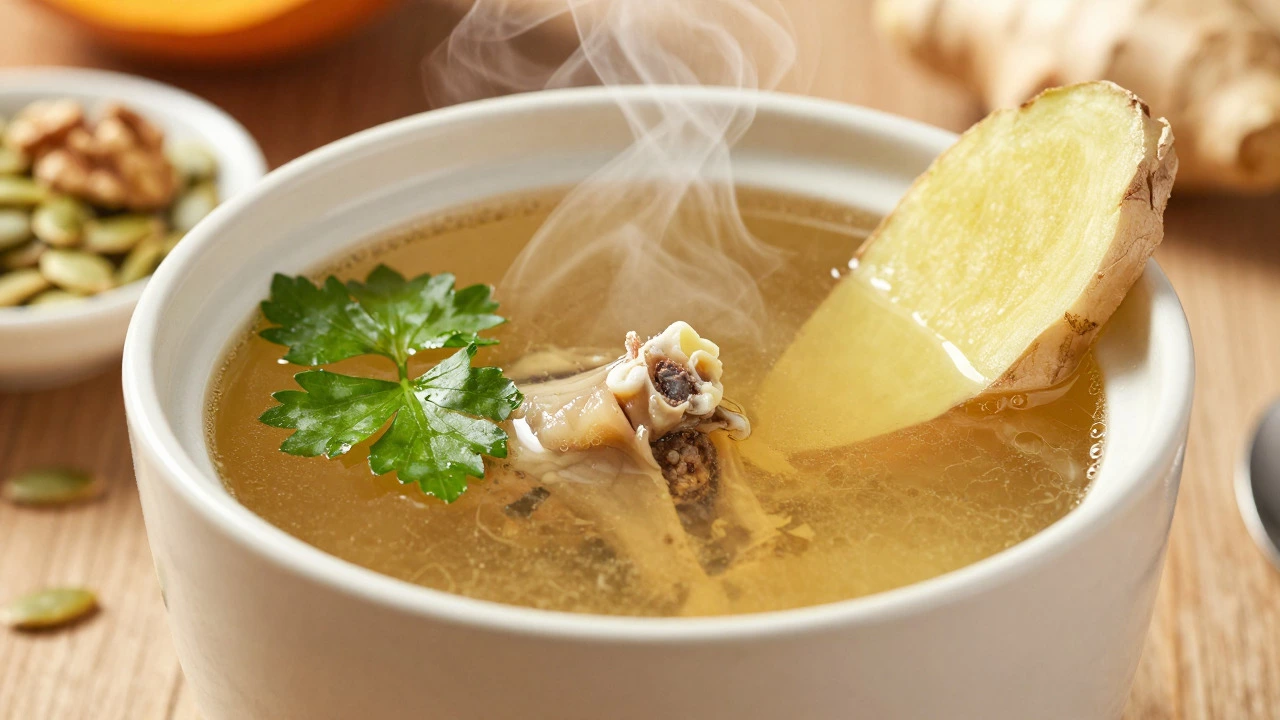
- Ginger: Known for its anti-nausea properties, ginger also stimulates saliva production and bile secretion, aiding in overall digestion. It can help soothe an upset stomach after a gluten slip-up.
If you suspect you've ingested gluten, prioritize these gentle, supportive foods rather than heavy, processed meals that require significant energy to digest.
Nutrients That Help Repair Gut Lining
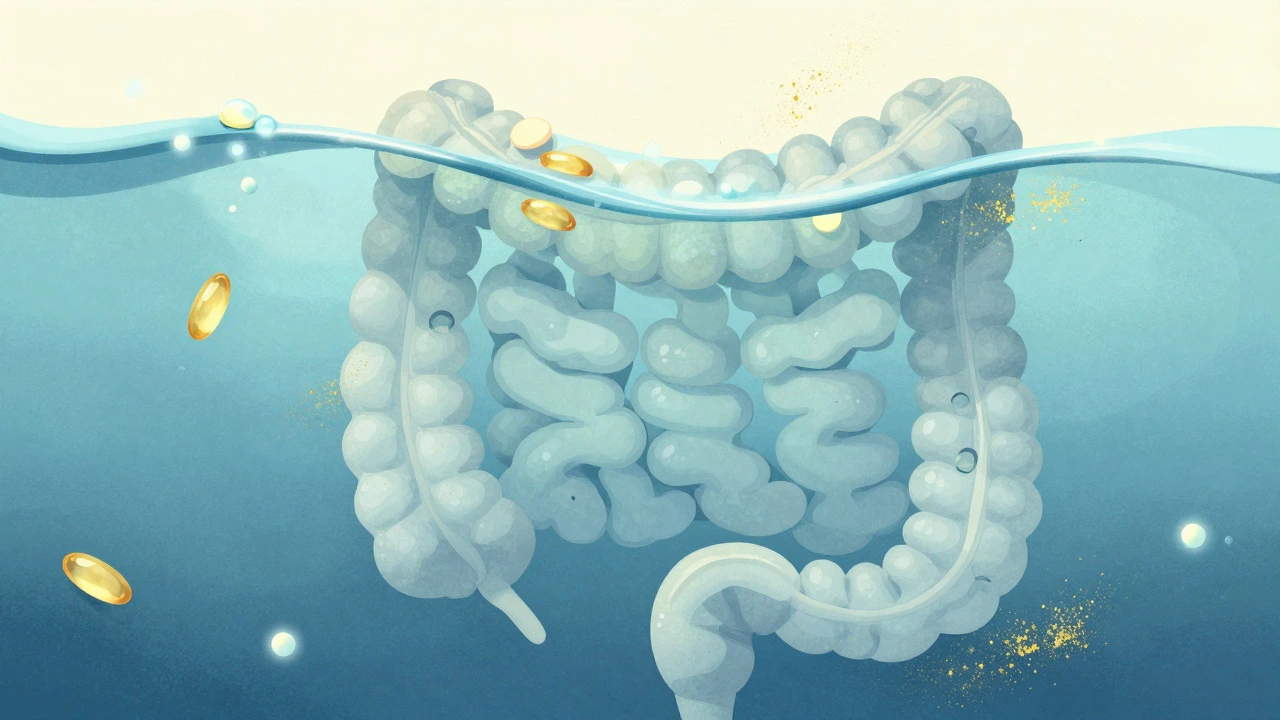
The real issue with gluten isn't just the presence of the protein; it's the damage it causes to the villi-the tiny finger-like projections in your small intestine that absorb nutrients. Supporting your body with specific nutrients can accelerate healing during the recovery period.
| Nutrient | Function | Food Sources |
|---|---|---|
| Zinc | Essential for repairing the intestinal lining and supporting immune function. | Pumpkin seeds, cashews, beef, lentils. |
| L-Glutamine | d>An amino acid that serves as primary fuel for enterocytes (intestinal cells).Bone broth, cabbage, parsley, spinach. | |
| Vitamin D | Reduces inflammation and supports immune regulation. | Fatty fish (salmon, mackerel), egg yolks, fortified plant milks. |
| Omega-3 Fatty Acids | Potent anti-inflammatory agents that calm gut irritation. | Chia seeds, walnuts, flaxseeds, sardines. |
Incorporating these into your next few meals doesn't remove the gluten, but it gives your body the building blocks it needs to bounce back faster. Think of it as sending reinforcements to a battlefield rather than trying to sweep away the debris.
What to Avoid Immediately After Accidental Ingestion
When you realize you've eaten gluten, your instinct might be to "cleanse" yourself. But some common cleansing practices can actually make things worse. Here’s what to skip:
- Heavy Dairy: Many people with gluten issues also have temporary lactose intolerance because the damaged gut lining struggles to produce lactase enzyme. Milk, cheese, and cream can cause bloating and diarrhea, compounding your symptoms.
- High-Fat Fried Foods: Fat slows down gastric emptying. While fats are healthy in general, fried foods right after gluten exposure can keep the irritant in your stomach longer, leading to nausea.
- Artificial Sweeteners: Sorbitol, mannitol, and xylitol (found in sugar-free gum and candies) are known gut irritants. They draw water into the intestines, potentially worsening diarrhea if you're already sensitive.
- Excessive Caffeine: Coffee and strong tea can stimulate the bowels too aggressively, leading to cramping and dehydration. Stick to herbal teas like chamomile or peppermint instead.
Your goal is stability, not stimulation. Keep meals simple, bland, and easy to digest for the next 24-48 hours.
Hydration: The Closest Thing to a Flush
If there is one thing that comes close to "flushing" your system, it is water. Hydration is critical for several reasons. First, it helps dilute stomach acid, reducing irritation. Second, it ensures that your kidneys can filter waste products efficiently. Third, and most importantly, it prevents the dehydration that often accompanies gluten-induced diarrhea.
Aim for clear fluids. Water is best, but electrolyte-rich drinks can help if you're losing fluids through frequent bathroom trips. Coconut water is a great natural option, providing potassium and magnesium without added sugars. Herbal teas like peppermint or ginger can also soothe the stomach while contributing to your fluid intake.
Don't chug gallons of water at once, which can lead to vomiting. Sip consistently throughout the day. Your body uses water to transport nutrients and eliminate waste, so keeping those pipes flowing is essential.
Managing Symptoms vs. Removing Gluten
It's important to separate symptom management from the actual presence of gluten. Some people feel better quickly after eating certain foods, not because the gluten is gone, but because their anxiety has decreased or their stomach has been soothed.
For example, bone broth is often recommended for gut healing. It contains collagen and glycine, which may help seal the gut lining. Drinking warm bone broth feels comforting and can settle nausea. However, the gluten is still being digested. The comfort you feel is real, but it's not evidence that the gluten has been "flushed." It's evidence that your body is receiving support.
Similarly, probiotics don't digest gluten. They compete with harmful bacteria and support the microbiome. A balanced microbiome is less reactive to stressors, including accidental gluten ingestion. So while they don't remove the trigger, they mitigate the fallout.
Practical Steps for the Next 24 Hours
If you've had a gluten accident, here is a practical plan to minimize discomfort and support recovery:
- Stop Eating Heavy Meals: Switch to light, easily digestible foods like rice, bananas, applesauce, and toast (gluten-free). This is the classic BRAT diet, designed for upset stomachs.
- Hydrate Strategically: Drink water, herbal tea, or electrolyte solutions. Avoid alcohol and caffeine.
- Rest: Digestion requires energy. Your body is working overtime to deal with the immune response. Take it easy and avoid intense exercise.
- Monitor Symptoms: Note any bloating, pain, or changes in bowel habits. This information is valuable for identifying hidden sources of gluten in the future.
- Reintroduce Probiotics: After the initial acute phase (first 12-24 hours), add fermented foods or a probiotic supplement to restore gut balance.
This approach isn't about magic fixes. It's about smart, supportive care that aligns with how your biology actually works.
Can activated charcoal remove gluten?
Activated charcoal is sometimes used to treat poisoning because it binds to toxins. However, studies show it is not effective for removing gluten specifically. It can bind to medications and nutrients, reducing their absorption. It's generally not recommended for routine gluten accidents unless advised by a doctor.
How long does gluten stay in the body?
Gluten itself is broken down and eliminated within 24 to 72 hours. However, the immune response and inflammation it triggers can last much longer, especially in people with Celiac disease. Symptoms may persist for days or even weeks depending on the amount ingested and individual sensitivity.
Does fasting help flush out gluten?
Fasting gives your digestive system a rest, which can reduce bloating and nausea. However, it doesn't speed up the elimination of gluten. In fact, prolonged fasting can weaken the gut lining. Short-term intermittent fasting might help some people manage symptoms, but refeeding with gentle, nutrient-dense foods is usually better for recovery.
Are there enzymes that break down gluten?
Yes, supplements containing DPP-IV (dipeptidyl peptidase IV) and other proteases claim to break down gluten peptides. While some users report reduced symptoms, scientific evidence is mixed. These enzymes are not a cure-all and should not be relied upon as a license to eat gluten. They may help with trace amounts but are unlikely to protect against significant exposure.
Why do I feel sick even after pooping?
Feeling sick after bowel movements is common because the damage is internal. The immune response affects the intestinal lining and can cause systemic inflammation. Even after the gluten has passed through your system, your body is still dealing with the aftermath, including depleted nutrients and irritated tissues. Rest and hydration are key during this phase.