
Nutrient Density Estimator
Select up to 3 foods from the list below to calculate their combined nutrient density score. The goal is to maximize nutrients while minimizing empty calories.
Spinach
~7 kcal / cup
Vitamin K, IronKale
~33 kcal / cup
Vit C, FiberSalmon
~200 kcal / 3oz
Omega-3sLentils
~230 kcal / cup
Protein, FiberBlueberries
~85 kcal / cup
AntioxidantsEggs
~70 kcal / large
Choline, ProteinYour Nutrient Density Score
You’ve probably seen headlines claiming kale is the ultimate superfood, or that blueberries hold the secret to eternal youth. But if you had to pick just one item from the grocery store aisle to keep you alive and thriving, what would it be? There isn’t a single magic bullet, but science points to a clear winner when we look at nutrient density. This concept measures how many vitamins, minerals, and antioxidants you get per calorie. By this metric, dark leafy greens, specifically spinach and kale, consistently rank at the top.
Why do these humble leaves beat out exotic berries or expensive supplements? It comes down to volume and variety. You can eat a massive bowl of spinach for almost zero calories while getting your daily dose of Vitamin K, folate, magnesium, and iron. Try doing that with almonds or avocados without hitting your calorie limit before you’re even full. The goal here isn’t to obsess over one ingredient, but to understand which foods give you the most bang for your buck nutritionally.
The Powerhouse: Why Dark Leafy Greens Win
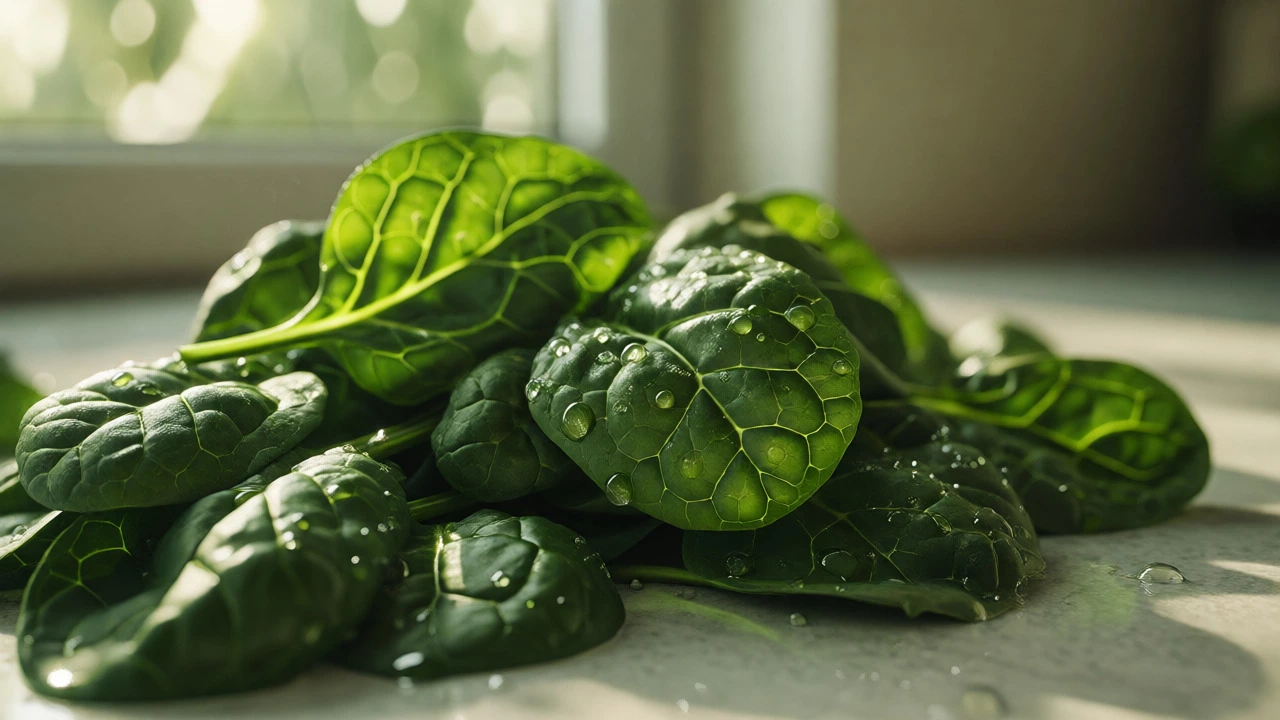
If we are strictly talking about the "#1" spot based on data, Spinach often takes the crown in various nutritional indices like the ANDI (Aggregate Nutrient Density Index) score. Spinach is packed with lutein, which protects your eyes, and nitrates that help lower blood pressure. It’s incredibly versatile, too. You can toss it into smoothies where you won’t even taste it, wilt it into pasta sauces, or sauté it with garlic as a side dish.
Kale is its close rival. While spinach wins on sheer versatility and mild flavor, kale offers more fiber and Vitamin C. Both belong to the brassica family (kale) or amaranth family (spinach), sharing similar health benefits. They reduce inflammation, support gut health, and provide essential micronutrients that most people lack. If you hate eating plain greens, blending them into fruit smoothies masks the earthy taste completely. This makes consistency easier, which matters more than perfection in any diet.
Beyond Greens: Other Top Contenders
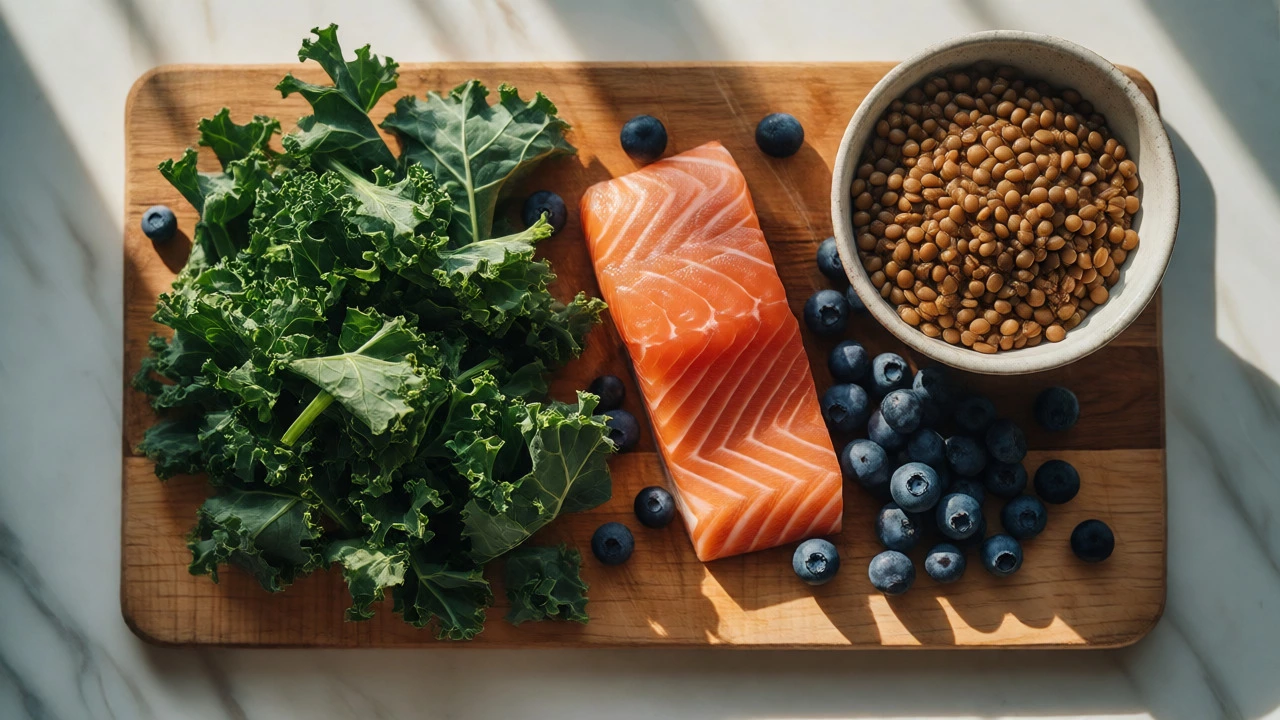
Nutrition isn’t a monolith. While greens dominate the density charts, other foods offer unique benefits that greens can’t match. For instance, Fatty Fish like salmon or mackerel provides Omega-3 fatty acids, crucial for brain health and reducing heart disease risk. You don’t get significant Omega-3s from plants alone, so fish holds a special place in the hierarchy.
Then there are Legumes such as lentils and black beans. They combine protein, fiber, and complex carbohydrates in a way few foods do. A cup of cooked lentils delivers about 18 grams of protein and 15 grams of fiber for under 250 calories. This combination stabilizes blood sugar levels better than almost any other plant-based food, making them a favorite among diabetics and athletes alike.
| Food Item | Primary Benefit | Calorie Cost (per serving) | Best For |
|---|---|---|---|
| Spinach | Vitamin K, Iron, Folate | ~7 kcal (1 cup raw) | Micronutrient boost, weight loss |
| Salmon | Omega-3s, Protein | ~200 kcal (3 oz) | Brain health, muscle repair |
| Lentils | Fiber, Plant Protein | ~230 kcal (1 cup cooked) | Blood sugar control, satiety |
| Blueberries | Antioxidants (Anthocyanins) | ~85 kcal (1 cup) | Cognitive function, anti-aging |
| Eggs | Choline, Complete Protein | ~70 kcal (1 large) | Satiety, brain development |
The Myth of the Single Superfood
Here is the uncomfortable truth: no single food contains every nutrient your body needs. If you ate nothing but spinach for a month, you’d likely develop deficiencies in B12, Vitamin D, and essential fats. The idea of a "superfood" is largely a marketing term. Real health comes from dietary diversity. However, prioritizing high-density foods ensures you hit those baseline requirements efficiently.
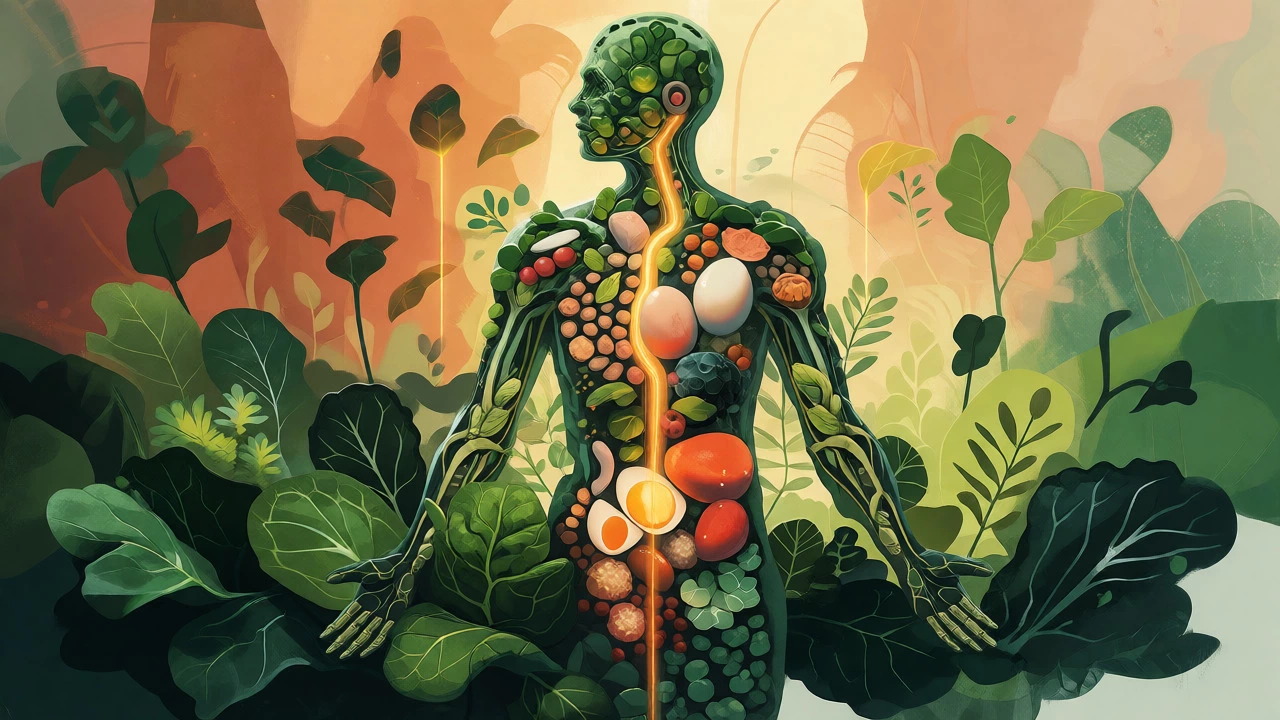
Think of your diet as a construction project. Leafy greens are the foundation-they take up little space but support everything else. Proteins like eggs or chicken are the structural beams. Healthy fats like olive oil are the insulation. You need all three, but if you had to choose the first layer to lay down, it’s the greens. They prevent chronic diseases associated with low vegetable intake, such as hypertension and type 2 diabetes.
How to Eat More of the Best Foods Daily
Knowing what’s healthy doesn’t mean you’ll actually eat it. The gap between intention and action is where most diets fail. Here is how to integrate these winners into your routine without feeling like you’re on a strict regimen:
- The Smoothie Hack: Start your day with a green smoothie. Blend one handful of spinach with a banana, a tablespoon of peanut butter, and almond milk. The sweetness of the banana hides the spinach entirely.
- Volume Eating: Fill half your plate with roasted vegetables before adding carbs or proteins. Use broccoli, Brussels sprouts, or kale. They add bulk and nutrients without adding many calories.
- Snack Smart: Replace chips with edamame or roasted chickpeas. These legumes offer crunch and protein, keeping you full longer than empty-calorie snacks.
- Flavor Matters: Plain boiled cabbage is tough to stick with. Roast your greens with olive oil, salt, and lemon juice. Fat helps absorb fat-soluble vitamins like A, D, E, and K found in vegetables.
Pitfalls to Avoid When Choosing Healthy Foods
Not all "healthy" labels are accurate. Many processed foods masquerade as health foods. Granola bars, for example, are often candy bars in disguise, loaded with added sugars and oils. Similarly, dried fruits concentrate natural sugars, making it easy to consume hundreds of calories in a small portion. Always check the ingredient list. If sugar appears in the first three ingredients, put it back.
Another trap is relying on supplements instead of whole foods. Research consistently shows that isolated vitamins in pills don’t replicate the benefits of eating an orange or a bowl of lentils. Whole foods contain synergistic compounds-fiber, water, and phytonutrients-that work together. Your body processes them differently than synthetic alternatives. Save your money for fresh produce rather than expensive powders.
Final Thoughts on Building a Nutritious Plate
So, is spinach the #1 healthiest food? Technically, yes, if you judge by nutrient-per-calorie ratio. But real health isn’t about worshipping one ingredient. It’s about building habits around accessible, affordable, and enjoyable foods. Prioritize dark leafy greens, incorporate fatty fish twice a week, and use legumes as your primary plant protein source. Do this consistently, and you’ll see tangible improvements in energy, digestion, and long-term health markers.
Is kale healthier than spinach?
Both are extremely healthy, but they have slight differences. Kale has more Vitamin C and fiber, while spinach is richer in iron and folate. Spinach is also milder in taste, making it easier to eat in larger quantities. For most people, spinach is more practical due to its versatility, but rotating both is ideal.
Can I get enough Omega-3s without eating fish?
It is difficult to get sufficient EPA and DHA (the active forms of Omega-3s) from plants alone. Flaxseeds and walnuts contain ALA, which your body converts poorly to EPA/DHA. If you don't eat fish, consider an algae-based supplement, which is a direct source of vegan Omega-3s.
Are frozen vegetables less healthy than fresh?
No, frozen vegetables are often just as nutritious, sometimes more so. They are picked at peak ripeness and flash-frozen immediately, locking in nutrients. Fresh produce loses nutrients during transport and storage time. Frozen options are convenient, affordable, and reduce waste.
Do superfoods really exist?
"Superfood" is a marketing term, not a scientific classification. While some foods like berries and leafy greens are exceptionally nutrient-dense, no single food prevents all diseases. A varied diet rich in whole foods is far more effective than relying on a few trendy ingredients.
How much spinach should I eat daily?
There is no strict upper limit for most healthy adults. Aim for at least two cups of raw leafy greens daily. If you have kidney issues or take blood thinners, consult your doctor, as the high vitamin K content in spinach can interact with certain medications.