

Vegan Skin Health Analyzer
Answer these quick questions about your current eating habits to identify potential triggers for "vegan face" (breakouts, dullness, or puffiness).
1. Your Plant Milk Choice
2. Main Carb Source
3. Omega-3 Intake
4. Zinc Sources
5. B12 Supplementation
6. Hydration & Gut Health
Recommended Actions:
You switched to a plant-based diet to feel better, maybe even to help your skin. But instead of a natural glow, you’re staring in the mirror at breakouts, dullness, or that puffy look people jokingly call "vegan face." It’s frustrating. You cut out dairy and meat, expecting miracles, but your complexion looks worse. Why does this happen? And more importantly, how do you fix it without giving up your ethics?
The term "vegan face" isn’t a medical diagnosis. It’s an internet shorthand for a specific set of skin issues-acne, dry patches, puffiness, or premature aging-that some people experience when they transition to a vegan diet. The good news? It’s rarely because plants are bad for you. It’s usually about what you’re eating instead of animal products, or what you’re missing entirely.
Why Your Skin Might Be Acting Up on Plants
First, let’s bust a myth. A well-planned vegan diet doesn’t inherently cause acne. In fact, removing inflammatory foods like processed meats can help many people. So why the breakout? Three main culprits are usually to blame: high-glycemic replacements, nutrient gaps, and hidden allergens.
When you swap cheese for cashew cream or chicken for tofu, you might be inadvertently increasing your intake of refined carbs and sugars. Think about it: vegan ice cream, store-bought almond milk with added sugar, and white flour pasta don’t just replace calories; they spike insulin. High insulin levels trigger oil production and inflammation, leading to acne. This is often called the "carb creep" effect.
Then there’s the nutrient side. Animal products are dense sources of zinc, omega-3 fatty acids, and vitamin B12. Zinc helps regulate oil and heal skin. Omega-3s reduce inflammation. If you aren’t actively replacing these with fortified foods or supplements, your skin barrier suffers. Dryness, redness, and slow healing are common signs of deficiency.
The Sugar and Starch Trap
If your vegan diet looks like a lot of pasta, bread, sugary oat milk lattes, and processed mock meats, your blood sugar is likely on a rollercoaster. Every time it spikes, your body releases insulin. Insulin stimulates androgen hormones, which tell your sebaceous glands to pump out more sebum (oil). More oil plus dead skin cells equals clogged pores.
To fix this, focus on low-glycemic index (GI) foods. Swap white rice for quinoa or buckwheat. Choose whole-grain sourdough over soft white sandwich bread. When buying plant milks, check the label for added cane sugar or agave. Unsweetened almond, soy, or pea protein milks are far better choices for your skin. This simple switch alone has cleared up stubborn jawline acne for many clients I’ve worked with.
| Skin-Aggravating Choice | Skin-Friendly Alternative | Why It Helps |
|---|---|---|
| Sweetened Oat Milk | Unsweetened Soy or Pea Milk | Lowers insulin spikes; soy offers complete protein. |
| White Bread Pasta | Lentil or Chickpea Pasta | Higher fiber slows sugar absorption; adds zinc. |
| Fruit Juice | Whole Berries or Apple Slices | Fiber regulates digestion and blood sugar. |
| Corn Chips | Pumpkin Seeds or Almonds | Healthy fats support skin barrier health. |
Nutrient Gaps That Show on Your Face
Your skin is an organ, and it needs building blocks. If you’re missing key nutrients, no amount of topical serum will fix the problem from the outside. Here are the big three vegans need to watch:
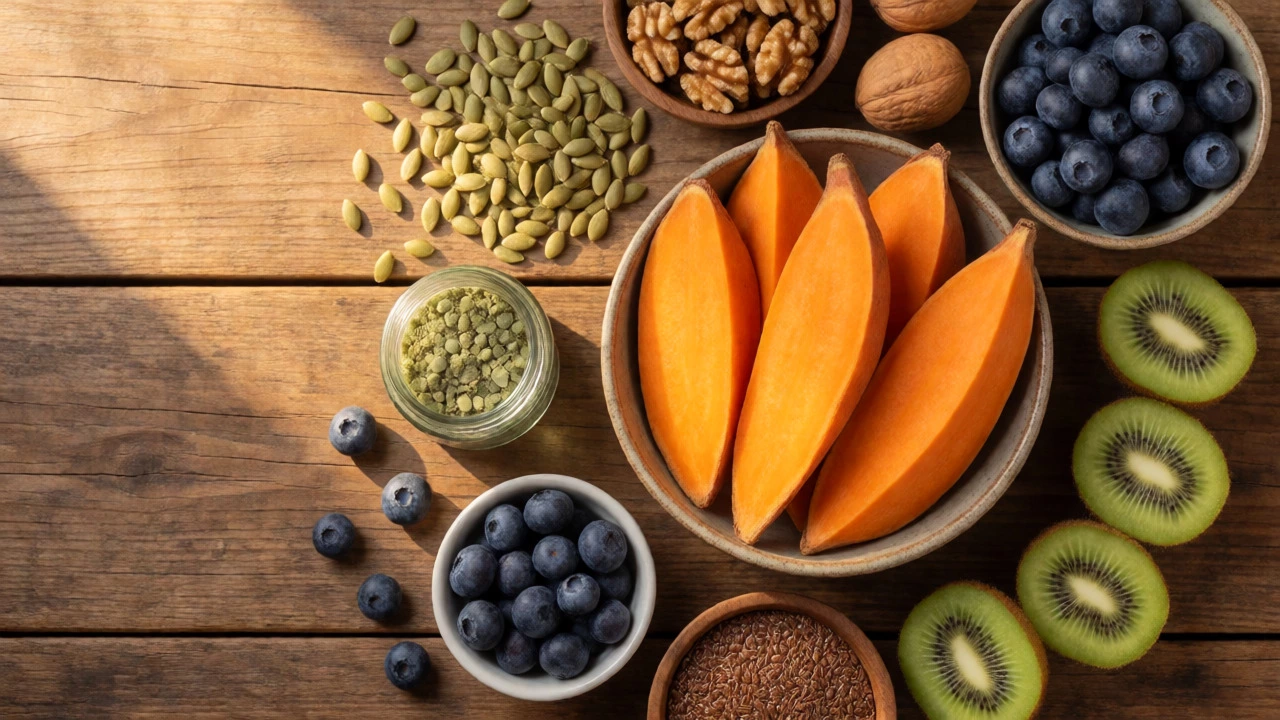
- Zinc: Crucial for wound healing and reducing inflammation. Vegans have lower zinc bioavailability because phytates in grains and legumes bind to zinc, blocking absorption. Eat pumpkin seeds, hemp seeds, and lentils. Consider soaking beans before cooking to reduce phytates.
- Omega-3 Fatty Acids: Most vegans rely on ALA (from flaxseeds, chia, walnuts), but conversion to EPA/DHA (the potent anti-inflammatory forms) is inefficient in humans. Take an algae-based omega-3 supplement. This directly combats redness and dryness.
- Vitamin B12: Deficiency here can cause hyperpigmentation and brittle nails. Since B12 is only found naturally in animal products, supplementation is non-negotiable for long-term vegans. Look for cyanocobalamin or methylcobalamin.
Don’t forget iron. Low ferritin stores (iron storage) can lead to pale, tired-looking skin. Pair iron-rich spinach or lentils with vitamin C (like lemon juice or bell peppers) to boost absorption by up to six times.
Hidden Allergens and Sensitivities
Here’s a curveball: you might be allergic to something you think is healthy. Gluten and soy are two of the most common triggers for eczema-like rashes or persistent acne in sensitive individuals. Many vegan staples rely heavily on wheat (seitan, tempeh, pasta) and soy (tofu, edamame, soy milk).
If you suspect a sensitivity, try an elimination diet. Cut out gluten and soy for three weeks. Keep everything else the same. If your skin clears up, reintroduce them one at a time every five days to see which one causes a flare-up. It’s tedious, but it works. Also, watch out for nightshades (tomatoes, potatoes, eggplant, peppers). While not a universal trigger, some people find they worsen inflammatory conditions like rosacea or cystic acne.
Gut Health Is Skin Health
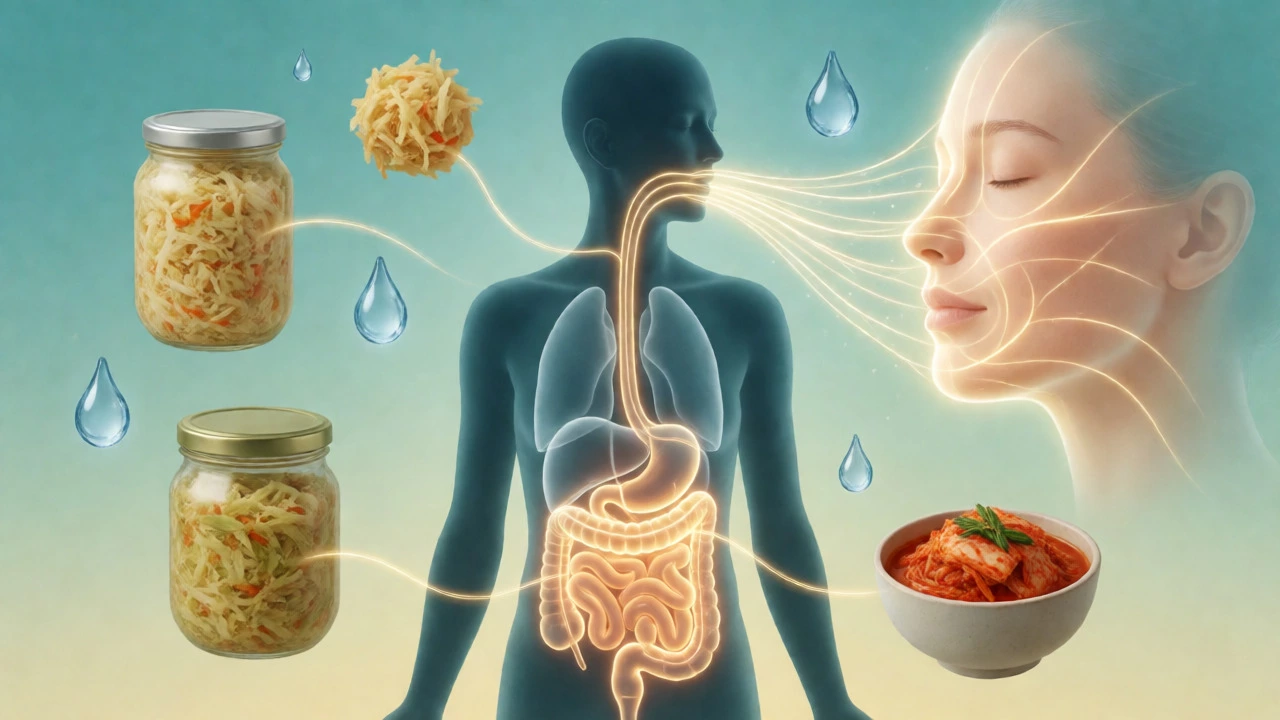
The gut-skin axis is real. A disrupted microbiome shows up on your face. A sudden shift to a high-fiber vegan diet can initially cause bloating and gas as your gut bacteria adjust. During this transition, your skin might act up too.
Support your gut with fermented foods. Sauerkraut, kimchi (check for fish sauce!), miso, and kombucha add beneficial bacteria. Avoid artificial sweeteners like sucralose or aspartame, often found in "diet" vegan snacks, as they can negatively alter gut flora. Probiotic supplements containing Lactobacillus and Bifidobacterium strains may also help calm systemic inflammation.
Hydration and Water-Soluble Vitamins
Dull, tight skin is often just dehydrated skin. Plant-based diets are high in potassium, which helps balance fluids, but if you’re not drinking enough water, your kidneys work overtime to excrete excess minerals, potentially leaving your skin parched. Aim for half your body weight in ounces of water daily.
Also, ensure you’re getting enough Vitamin C. It’s vital for collagen production. Without adequate collagen, skin loses elasticity and looks aged. Bell peppers, strawberries, kiwi, and broccoli are excellent vegan sources. Unlike supplements, food-based Vitamin C comes with antioxidants that protect against UV damage.
A Simple Action Plan for Clearer Skin
You don’t need to overhaul your life overnight. Start with these tweaks:
- Check your labels: Reduce added sugars in plant milks and sauces.
- Add a supplement: Start an algae-based omega-3 and a B12 complex.
- Increase zinc: Snack on pumpkin seeds daily.
- Test sensitivities: Try cutting gluten for two weeks to see if inflammation drops.
- Hydrate: Drink water consistently throughout the day, not just all at once.
Remember, skin turnover takes about 28 days. Give any dietary change at least four to six weeks before judging results. If problems persist, consult a dermatologist who understands plant-based nutrition. Sometimes, external treatments are needed alongside dietary fixes.
Is "vegan face" permanent?
No, it is not permanent. It is typically a reaction to nutritional imbalances, high glycemic foods, or allergies. Once you adjust your diet to include proper fats, proteins, and micronutrients, and reduce sugar intake, skin usually improves within 4-8 weeks.
Do I need to take collagen supplements?
Vegans cannot consume traditional collagen (which comes from animals). However, you can take plant-based collagen boosters containing amino acids like glycine, proline, and hydroxyproline, along with Vitamin C, to support your body's own collagen production.
Can soy cause acne?
For some people, yes. Soy contains phytoestrogens and is a common allergen. If you eat large amounts of tofu, tempeh, or soy milk and notice breakouts, try eliminating soy for a few weeks to see if your skin clears up.
What are the best vegan foods for glowing skin?
Focus on antioxidant-rich and healthy-fat foods. Avocados provide vitamin E and healthy fats. Sweet potatoes offer beta-carotene. Walnuts and flaxseeds supply omega-3s. Berries deliver Vitamin C and antioxidants to fight free radical damage.
Why is my skin dry even though I drink lots of water?
Dryness on a vegan diet is often due to a lack of essential fatty acids (omega-3 and omega-6) rather than dehydration. Ensure you are consuming sources like flaxseeds, chia seeds, walnuts, or taking an algae-based omega-3 supplement to strengthen your skin's lipid barrier.