
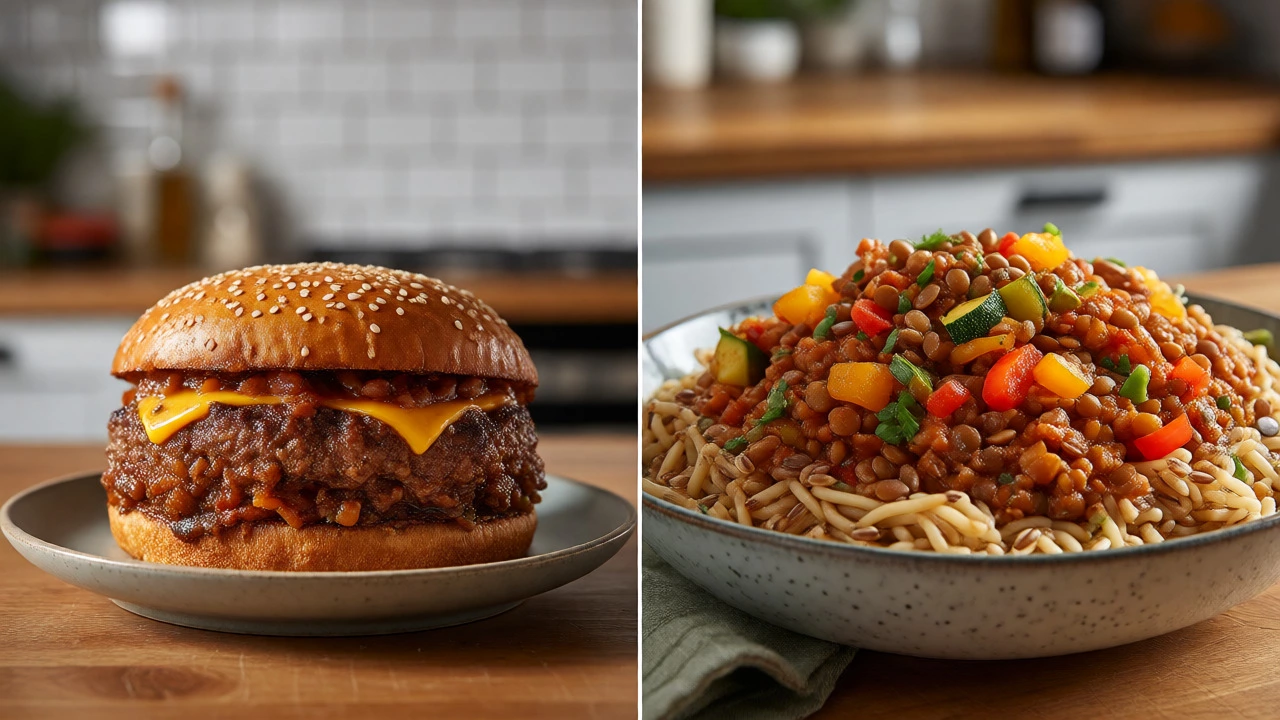
Vegetarian Weight Loss Simulator
Select a meal base to see how swapping meat for plant-based options affects calories, fiber, and satiety potential based on the article's data.
Select a food item above to view detailed metrics.
Why This Matters for Weight Loss
As highlighted in the article, Lentils offer significantly more volume and fiber per calorie compared to beef or cheese. Higher fiber intake improves satiety and gut health, which are key drivers for sustainable weight loss without feeling starved.
Here is a fact that might annoy your carnivorous friends: in a controlled study by the Physicians Committee for Responsible Medicine, participants on a vegan diet lost about 6.45 kg more than those who continued eating meat over 16 weeks. That’s not a rounding error; that’s a significant shift. But does this mean simply swapping a steak for a salad guarantees you’ll drop pounds faster? Not exactly. The reality is messier and more interesting.
If you are considering shifting towards vegetarianism to shed some weight, you need to understand why it often works-and where it fails. It isn’t magic. It’s biology, psychology, and the specific foods you choose. Let’s break down what actually happens when you cut out meat, using real data and practical examples from kitchens here in Manchester and beyond.
The Calorie Density Advantage
The primary reason vegetarians often lose weight faster comes down to calorie density. This concept measures how many calories are packed into a given volume of food. Plant-based whole foods-like vegetables, fruits, legumes, and whole grains-are naturally high in water and fiber but low in fat. Fat contains 9 calories per gram, while protein and carbs contain only 4. Meat, especially red meat, often carries more intramuscular fat than plant proteins like beans or tofu.
Consider a simple lunch comparison. A standard beef burger with cheese might clock in at 800-1,000 calories. A hearty lentil bolognese served over whole-grain pasta, loaded with veggies, might sit closer to 500-600 calories. You can eat a larger volume of the lentil dish for fewer calories. This phenomenon, known as volumetrics, helps you feel full without blowing your daily energy budget. When you reduce calorie density, you naturally consume less energy without feeling starved. That is the core mechanism driving faster initial weight loss in many plant-based diets.
Fiber Is Your Silent Partner
Meat has zero fiber. Plants have plenty. Dietary fiber plays a crucial role in weight management for two reasons: satiety and blood sugar control. Fiber slows down digestion, keeping you fuller for longer. It also blunts the spike in insulin that occurs after eating refined carbs. High insulin levels can promote fat storage, so keeping them stable is key.
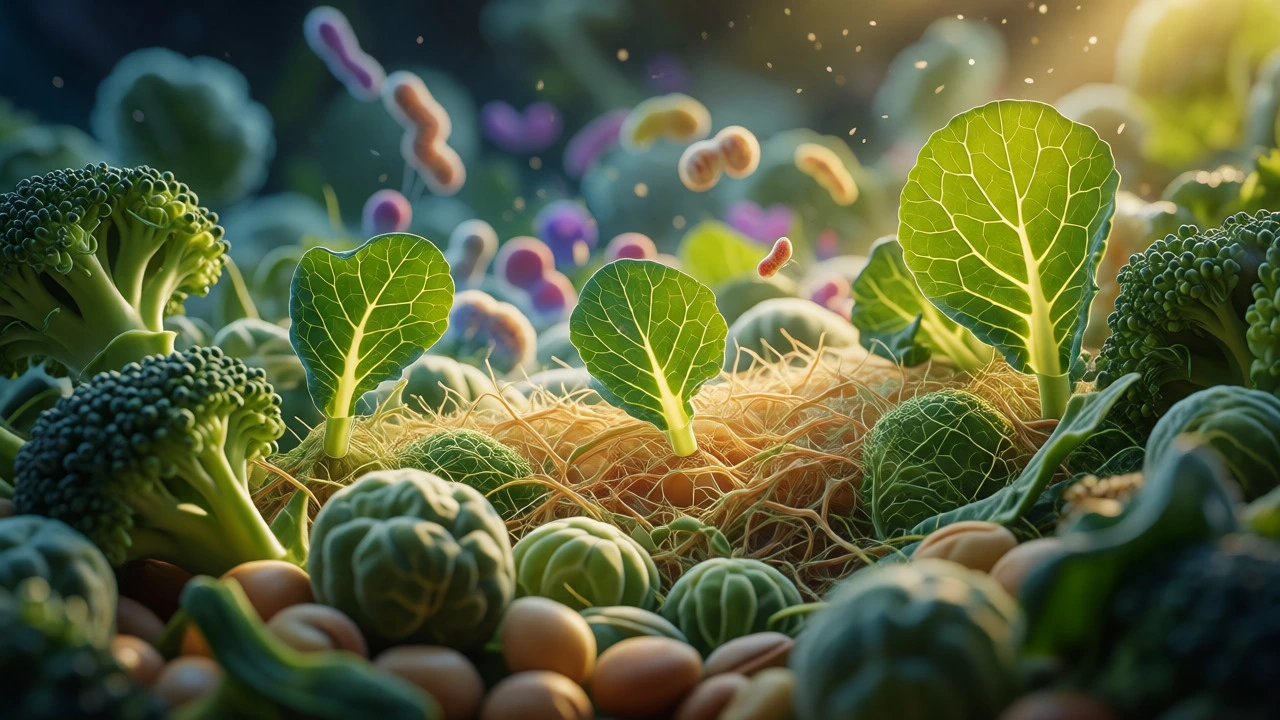
When you switch to a vegetarian diet, your fiber intake typically jumps from an average of 15 grams per day to 30+ grams if you are eating whole plants. This increase changes your gut microbiome. Research suggests that people with higher diversity of gut bacteria tend to be leaner. By feeding your gut bacteria with diverse plant fibers, you create an internal environment that favors leanness. However, this benefit disappears if you replace meat with highly processed vegetarian options like white bread or sugary snacks, which lack fiber entirely.
The "Vegetarian Junk Food" Trap
Here is where the assumption falls apart. Being vegetarian does not automatically make you healthy or thin. If you stop eating chicken but start eating more cheese, cream sauces, pastries, and sugary drinks, you will likely gain weight. In fact, many vegetarians struggle with weight because they rely too heavily on dairy and refined carbohydrates.
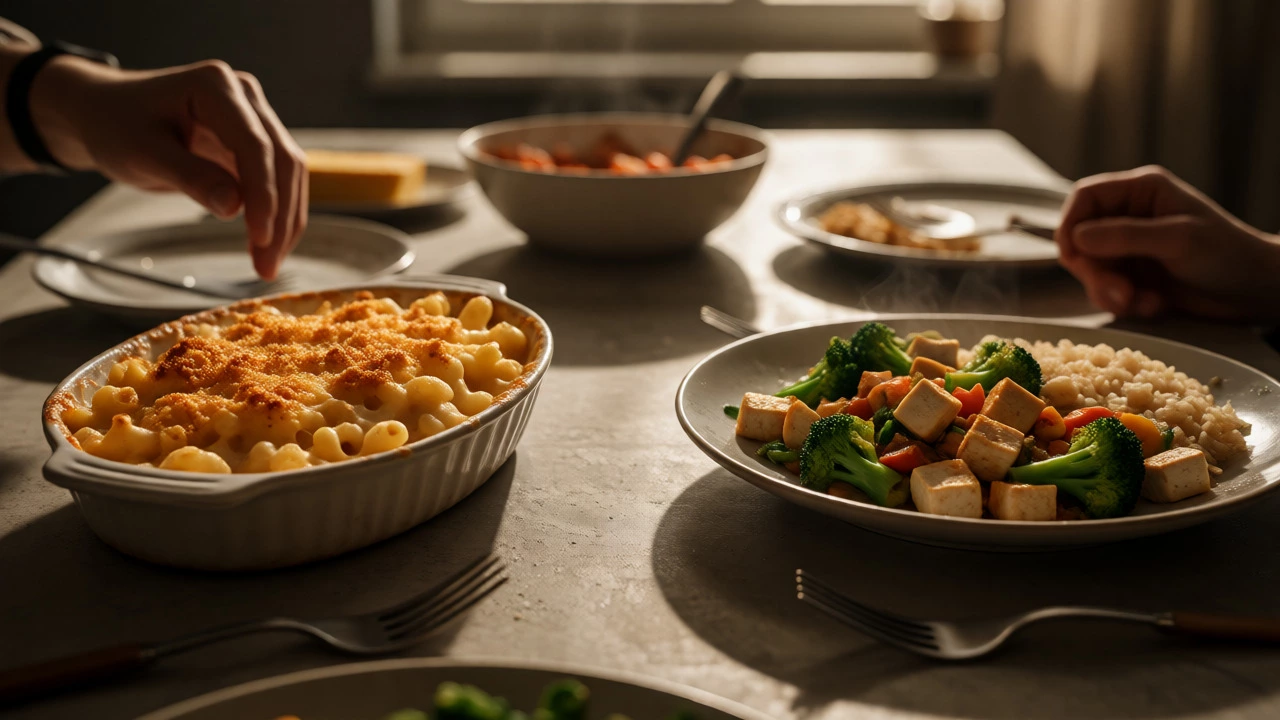
Think about the classic vegetarian meal: macaroni and cheese. Delicious, yes. But it is calorie-dense, low in fiber, and easy to overeat. Compare that to a stir-fry with tofu, broccoli, bell peppers, and brown rice. The latter offers similar satisfaction but with far better metabolic outcomes. The difference lies in the quality of the plant foods. A diet rich in whole plants supports weight loss; a diet rich in processed vegetarian substitutes may not.
| Food Item (100g) | Calories | Protein (g) | Fiber (g) | Saturated Fat (g) |
|---|---|---|---|---|
| Chicken Breast (cooked) | 165 | 31 | 0 | 1.0 |
| Lean Beef Steak (cooked) | 271 | 26 | 0 | 8.0 |
| Lentils (cooked) | 116 | 9 | 8 | 0.1 |
| Tofu (firm) | 144 | 17 | 2 | 2.3 |
| Cheddar Cheese | 403 | 25 | 0 | 19.0 |
This table highlights a critical insight: while animal proteins are concentrated sources of protein, they often come with saturated fat and no fiber. Plant proteins like lentils offer a trade-off-you get less protein per calorie, but you gain significant fiber and minimal saturated fat. For weight loss, the fiber and lower calorie density usually win out, provided you are meeting your protein needs through other means.
Metabolic Adaptation and Muscle Mass
One concern people raise is muscle loss. If you don’t eat enough protein, you might lose muscle mass along with fat, which slows down your metabolism. Vegetarians can absolutely build and maintain muscle, but it requires planning. You need to combine different plant proteins throughout the day to ensure you get all essential amino acids. Quinoa, soy products like tempeh, and combinations like rice and beans are excellent for this.
However, studies show that when vegetarians match the protein intake of meat-eaters, their body composition improvements are comparable. The advantage remains in the reduced inflammatory markers and improved insulin sensitivity associated with plant-based diets. Lower inflammation is linked to easier weight maintenance. Chronic inflammation can interfere with leptin signaling-the hormone that tells your brain you are full. By reducing inflammation through antioxidant-rich plant foods, you may find it easier to regulate appetite.
Practical Steps to Ensure Faster Weight Loss
If you want to leverage vegetarianism for weight loss, follow these evidence-based strategies:
- Prioritize Whole Foods: Focus on vegetables, fruits, whole grains, nuts, seeds, and legumes. Limit processed meat alternatives unless they are part of a balanced meal.
- Watch Dairy Intake: Cheese and cream are calorie bombs. Use strong flavors like aged cheddar or nutritional yeast to get big taste with smaller amounts.
- Increase Protein at Every Meal: Aim for 20-30 grams of protein per meal. Use Greek yogurt, eggs (if lacto-ovo), tofu, tempeh, edamame, or lentils.
- Bulk Up Meals: Add leafy greens, zucchini, or cauliflower to dishes to increase volume without adding significant calories.
- Track Hidden Calories: Nuts and avocados are healthy but calorie-dense. Measure portions initially to avoid unintentional overconsumption.
For example, instead of ordering a pizza with extra cheese, try a homemade version with a thin crust, tomato sauce, spinach, mushrooms, and a moderate amount of mozzarella. You save hundreds of calories and add nutrients. Or, swap a creamy pasta sauce for a pesto made with basil, olive oil, and walnuts-still fatty, but healthier fats and more flavor per bite, leading to less overall consumption.
Psychological Factors and Sustainability
Diet adherence is the biggest predictor of long-term success. Many people find vegetarianism easier to stick to because it feels less restrictive than counting every calorie. There is a moral or ethical component for some, which boosts motivation. Others appreciate the simplicity of avoiding certain meats. When a diet aligns with your values and tastes good, you are more likely to sustain it.
However, social pressure can be a hurdle. Navigating menus at restaurants in Manchester or elsewhere requires preparation. Knowing your go-to vegetarian meals helps prevent poor choices when hungry and rushed. Preparing vegetarian recipes in advance, such as chickpea curry or vegetable stir-fry, ensures you have healthy options ready. This reduces reliance on takeout, which is often higher in sodium and unhealthy fats.
Conclusion: It Depends on How You Do It
So, do vegetarians lose weight faster? Generally, yes, but only if they focus on whole, minimally processed plant foods. The combination of lower calorie density, higher fiber, and improved metabolic health creates a favorable environment for weight loss. If you replace meat with processed carbs and excessive dairy, you might see little change or even weight gain.
The best approach is not just removing meat, but adding nutrient-dense plants. Focus on variety, adequate protein, and mindful portion sizes. Start small-try one vegetarian day a week, then expand. Monitor how your body responds. For most people, the shift towards plant-forward eating brings benefits beyond the scale: better energy, clearer skin, and improved heart health. Weight loss becomes a natural side effect of eating well, rather than a forced restriction.
Can I lose weight on a vegetarian diet if I eat cheese?
Yes, but you must monitor portion sizes. Cheese is calorie-dense and high in saturated fat. Using it sparingly as a flavor enhancer rather than a main ingredient allows you to enjoy its taste without consuming excess calories. Opt for stronger-flavored cheeses so you can use less.
Is it hard to get enough protein as a vegetarian?
Not if you plan ahead. Foods like lentils, chickpeas, tofu, tempeh, quinoa, Greek yogurt, and eggs provide ample protein. Combining different sources throughout the day ensures you get all essential amino acids. Most vegetarians meet or exceed recommended protein intakes easily.
Why did I gain weight after becoming vegetarian?
This often happens due to increased consumption of refined carbohydrates, sugary snacks, or high-fat dairy products. Without meat, people sometimes compensate with comfort foods that are calorie-dense but low in satiety. Focus on whole foods and track your intake temporarily to identify hidden calories.
Are vegetarian meat substitutes good for weight loss?
It depends on the product. Some are highly processed and high in sodium or added fats. Others, like tofu or tempeh, are whole-food based and nutritious. Always check the nutrition label. Whole plant proteins are generally superior for weight management compared to ultra-processed mock meats.
How quickly can I expect to see results?
Individual results vary, but many people notice changes within 2-4 weeks if they adhere to a whole-food vegetarian diet. Initial weight loss may include water weight due to reduced inflammation and glycogen stores. Sustainable fat loss typically follows a steady pace of 0.5-1 kg per week.