
Blood Sugar-Friendly Dessert Calculator
Key Takeaways:
- Net carbs under 10g = Low impact
- Net carbs 10-15g = Moderate impact
- Net carbs over 15g = High impact
Ever reached for a sweet treat after dinner, only to feel sluggish, jittery, or guilty an hour later? You’re not alone. If you’re watching your blood sugar-whether because of prediabetes, diabetes, or just wanting to avoid energy crashes-you’ve probably stopped believing dessert is possible. But here’s the truth: you don’t need to give up sweets. You just need to rethink what dessert looks like.
Why Most Desserts Spike Blood Sugar
Most desserts are built on refined carbs and added sugars. A single slice of chocolate cake can pack 50 grams of sugar. That’s more than the daily limit recommended by the World Health Organization for added sugars. When you eat that, your blood sugar shoots up fast. Your pancreas dumps insulin to bring it down, often too hard. Then you crash. Hunger returns. Cravings grow. It’s a cycle. The real issue isn’t fruit or natural sweetness. It’s the isolated sugar-the kind stripped from its fiber and packed into cookies, cakes, and ice cream. That’s what spikes blood sugar. The good news? You can make desserts that satisfy your sweet tooth without triggering that spike.1. Chia Seed Pudding with Berries
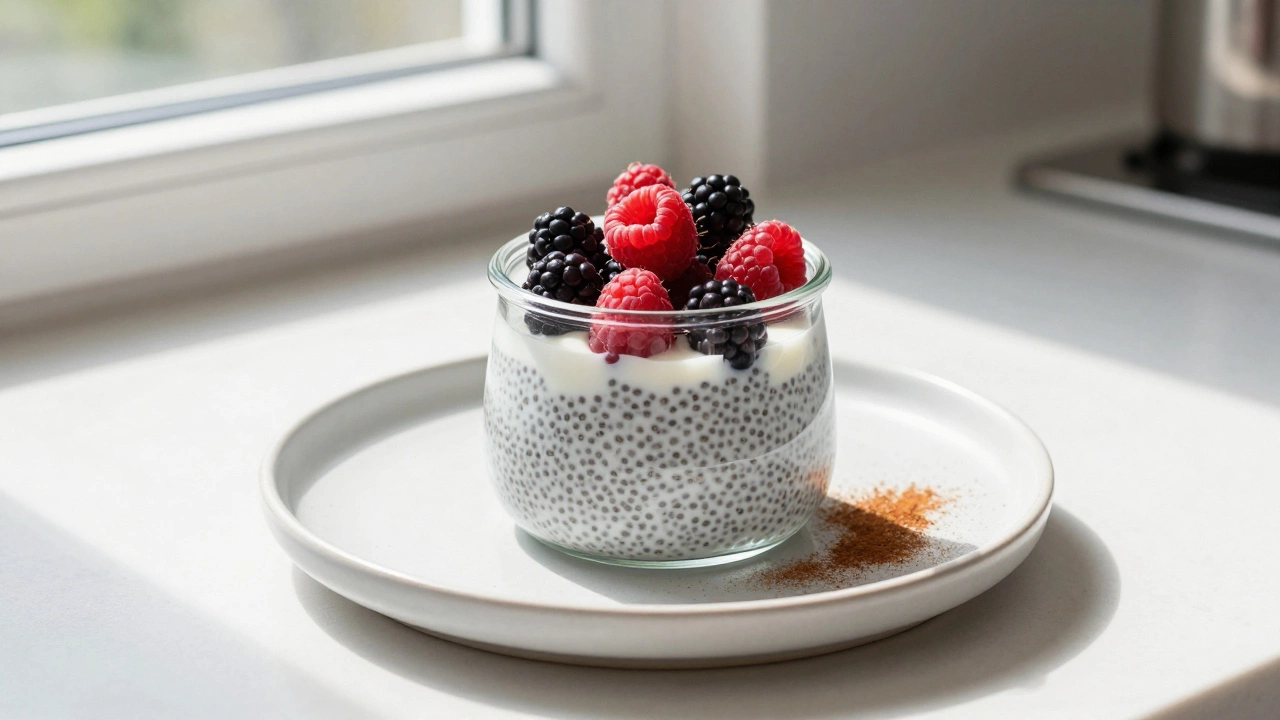
Chia seeds are a powerhouse for blood sugar control. They’re packed with fiber and omega-3s, and they absorb liquid to form a gel that slows digestion. That means sugar enters your bloodstream slowly. To make it: Mix 3 tablespoons of chia seeds with 1 cup of unsweetened almond milk, 1 teaspoon of vanilla extract, and a pinch of cinnamon. Let it sit overnight in the fridge. In the morning, top it with a half-cup of fresh raspberries or blackberries. These berries have low glycemic load-about 5 grams of sugar per half-cup-and high antioxidants. This dessert has under 10 grams of net carbs and 1 gram of added sugar (if you use a drop of stevia). It’s creamy, satisfying, and keeps you full for hours. No crash. No cravings.2. Dark Chocolate Avocado Mousse
This one surprises people. Avocado? In a chocolate dessert? Yes. And it works. Blend 1 ripe avocado, 1/4 cup unsweetened cocoa powder, 2 tablespoons of unsweetened almond milk, 1 teaspoon of vanilla, and 1-2 pitted Medjool dates (or 1/2 teaspoon of stevia if you want zero sugar). Blend until smooth. Chill for an hour. Top with crushed almonds or a sprinkle of sea salt. Avocados are high in healthy fats and fiber, which blunt sugar absorption. Cocoa powder is naturally low in sugar and rich in flavonoids that may improve insulin sensitivity. A serving has about 12 grams of carbs, but 8 of those come from fiber. Net carbs: 4 grams. That’s less than half a banana.3. Baked Cinnamon Apples with Walnuts
Apples aren’t sugar bombs-they’re fiber-rich, whole foods. When you bake them, their natural sugars caramelize slightly, making them taste sweeter without adding anything. Core two medium apples (Fuji or Honeycrisp work well), sprinkle them with 1/2 teaspoon of cinnamon and a pinch of nutmeg. Place them in a baking dish with a tablespoon of water. Bake at 375°F for 30 minutes. Top with 2 tablespoons of chopped walnuts. Cinnamon helps improve insulin response. Walnuts add healthy fats and protein to slow sugar absorption. One baked apple has about 18 grams of sugar, but it’s bound in fiber and eaten with fat. That changes everything. Your blood sugar rises gently, not sharply.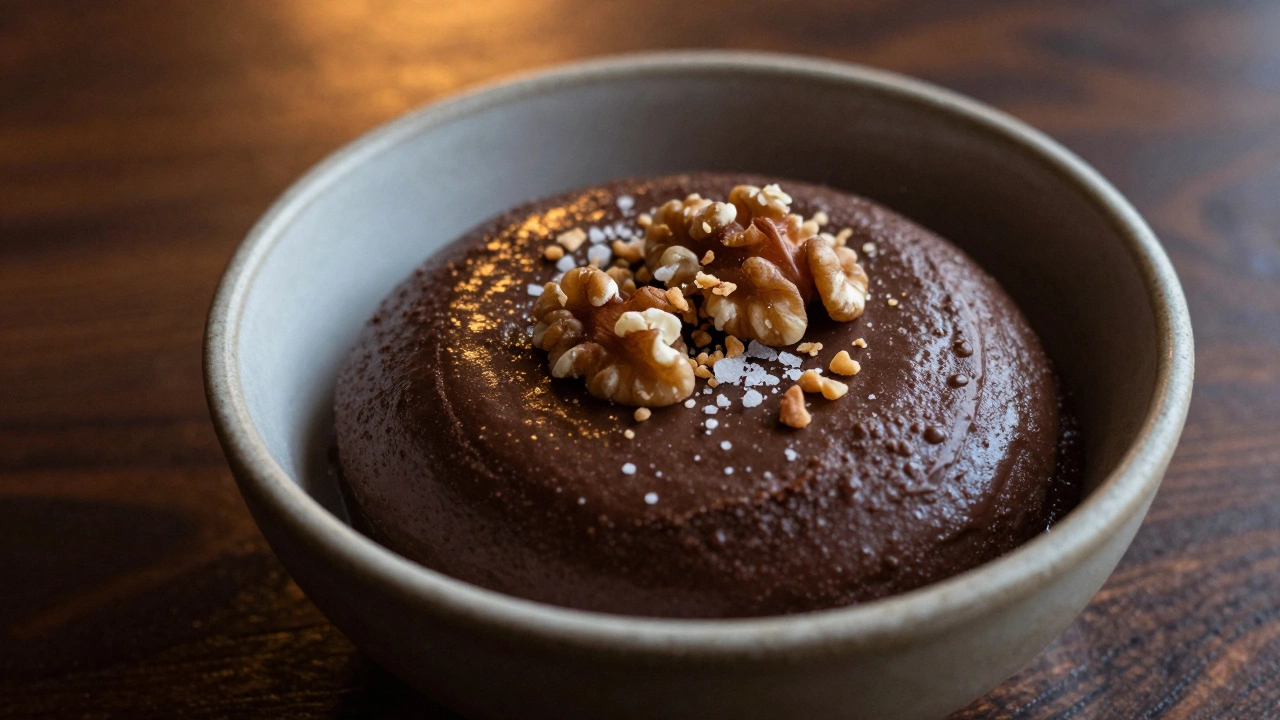
4. Greek Yogurt Parfait with Flaxseed and Stevia
Not all yogurt is created equal. Stick to plain, full-fat Greek yogurt. It has twice the protein of regular yogurt and far less sugar. A 6-ounce serving has about 6 grams of natural sugar (lactose) and 15 grams of protein. Sweeten it with a few drops of liquid stevia (no aftertaste if you use a quality brand). Add 1 tablespoon of ground flaxseed and a handful of blueberries. Flaxseed adds fiber and omega-3s. Blueberries are among the lowest-sugar berries and high in anthocyanins, which studies link to better glucose control. This parfait has under 8 grams of net carbs and keeps you full for hours. It’s like dessert and breakfast rolled into one.5. Coconut Date Balls (No-Bake)
These are simple, portable, and taste like candy. Blend 1 cup of pitted Medjool dates, 1/2 cup of unsweetened shredded coconut, 1 tablespoon of almond butter, and 1 teaspoon of vanilla. Roll into balls. Chill. Dates are high in sugar-but they’re also high in fiber and minerals. When eaten with fat (coconut, almond butter), the sugar release is gradual. Each ball has about 3 grams of net carbs. Eat two, and you’ve got a satisfying treat with no spike. Skip the chocolate coating. Even dark chocolate can have added sugar. If you must dip them, use 100% cacao nibs instead.6. Sugar-Free Panna Cotta with Raspberry Coulis
Panna cotta is an Italian custard. Traditionally, it’s sweetened with sugar. But you can make it with erythritol or monk fruit sweetener-both have zero glycemic impact. Heat 1 cup of heavy cream with 1/4 cup of erythritol and 1 teaspoon of vanilla until steaming. Remove from heat. Stir in 1 teaspoon of gelatin that’s been bloomed in cold water. Pour into ramekins. Chill for 4 hours. For the coulis: Blend 1 cup of fresh raspberries with 1 teaspoon of lemon juice and 1/2 teaspoon of monk fruit sweetener. Strain out the seeds. Spoon over the panna cotta. This dessert has under 2 grams of net carbs per serving. The cream provides fat, the berries provide fiber and antioxidants, and the sweeteners don’t affect insulin. It’s elegant, rich, and guilt-free.7. Frozen Banana ‘Ice Cream’ with Peanut Butter Swirl
This is the dessert that made me stop craving real ice cream. Freeze 2 ripe bananas (peeled and sliced) for at least 6 hours. Blend them in a food processor until smooth-it turns into creamy, soft-serve texture. Add 1 tablespoon of natural peanut butter (just peanuts and salt) and swirl it in with a knife. Top with a sprinkle of cinnamon or cacao nibs. Bananas are higher in sugar than other fruits, but freezing them and blending them slowly changes how your body processes them. The fiber and resistant starch in frozen bananas slow sugar absorption. Peanut butter adds fat and protein. One serving has about 15 grams of sugar, but with 4 grams of fiber and 3 grams of protein, it’s a balanced treat.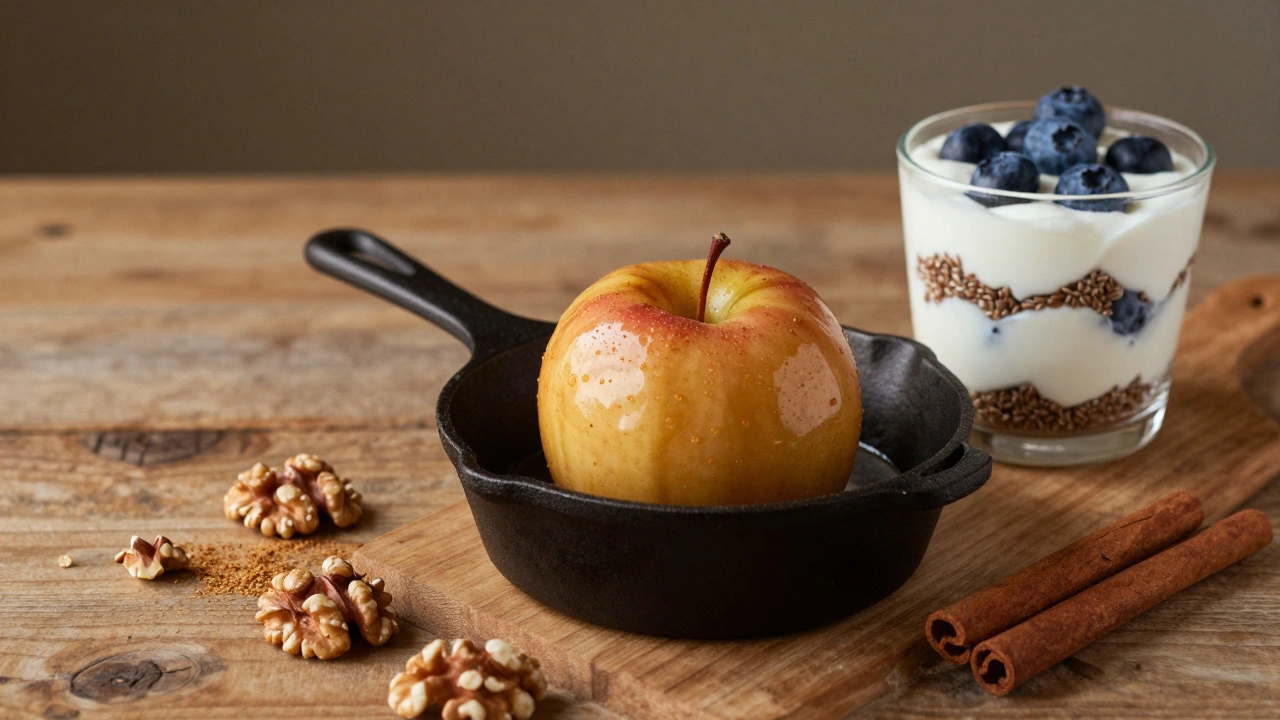
What to Avoid (Even If It’s ‘Healthy’)
Not everything labeled ‘natural’ is blood sugar friendly. - **Honey, maple syrup, agave**: These are still concentrated sugars. They may be less processed, but they still spike insulin. - **Fruit juices**: Even 100% orange juice removes the fiber. A glass has 20+ grams of sugar in minutes. - **‘Sugar-free’ candies with maltitol**: Maltitol is a sugar alcohol that can raise blood sugar and cause bloating. - **Granola bars**: Even the ‘healthy’ ones are sugar bombs in disguise. Check labels-many have 15+ grams of sugar per bar. Stick to whole foods. If you can’t recognize the ingredients, skip it.How to Make Any Dessert Blood Sugar Friendly
You don’t need a recipe for every dessert. You need a formula:- Start with fiber: Chia, flax, oats, berries, apples
- Add fat: Coconut, nuts, seeds, avocado, full-fat dairy
- Include protein: Greek yogurt, nut butter, cottage cheese
- Use low-glycemic sweeteners sparingly: Stevia, monk fruit, erythritol
- Never eat sugar alone. Always pair it with fat or protein.
Real Results, Real People
A 2023 study in the Journal of Nutrition and Metabolism tracked 120 people with prediabetes who replaced one daily sugary dessert with a low-glycemic alternative for 8 weeks. The group saw an average 12% drop in fasting blood sugar and 18% reduction in post-meal spikes. They also lost an average of 3.5 pounds-not from dieting, but from reduced cravings and better hunger control. You don’t need to be perfect. One sugar-free dessert a day, consistently, makes a measurable difference.Final Tip: Eat Mindfully
Even the best low-sugar dessert won’t help if you eat it while scrolling on your phone. Sit down. Use a real plate. Taste each bite. Slow down. Your brain needs 20 minutes to register fullness. When you eat slowly, you’ll feel satisfied with less. Dessert doesn’t have to be a mistake. It can be part of a healthy routine-if you choose wisely.Can I eat fruit as a dessert if I’m watching my blood sugar?
Yes, but choose wisely. Berries (raspberries, blackberries, blueberries), apples, and pears are low in sugar and high in fiber. Avoid dried fruit, bananas, and mangoes as daily desserts-they’re higher in sugar. Always pair fruit with a source of fat or protein, like nuts or yogurt, to slow sugar absorption.
Are artificial sweeteners safe for blood sugar control?
Stevia, monk fruit, and erythritol are safe and don’t raise blood sugar. Avoid aspartame and sucralose if you notice they trigger cravings. Some people find that even non-caloric sweeteners can keep the brain expecting sugar, which may increase appetite. Use them sparingly and focus on whole-food sweetness when possible.
What’s the best low-sugar dessert for kids?
Frozen banana ‘ice cream’ is a hit. Blend frozen banana with a spoon of peanut butter and a dash of cinnamon. It tastes like dessert but has fiber, healthy fats, and no added sugar. Chia pudding with berries is another favorite-kids love the texture. Avoid flavored yogurts and fruit snacks; they’re loaded with hidden sugar.
Can I have dessert after every meal?
It’s possible, but not always necessary. If your meals are balanced with protein, fat, and fiber, you’ll naturally crave less sugar. Try having dessert 3-4 times a week instead of daily. When you do, keep portions small. One serving of chia pudding or two coconut date balls is enough. Less is often more when it comes to sweet treats.
Why does my blood sugar still rise after eating ‘sugar-free’ desserts?
Some ‘sugar-free’ products use maltitol, sorbitol, or other sugar alcohols that can raise blood sugar. Always check the nutrition label for total carbs and fiber. Net carbs = total carbs minus fiber. If net carbs are over 10 grams per serving, it’s likely still affecting your levels. Stick to desserts made with whole foods and low-glycemic sweeteners like stevia or monk fruit.