
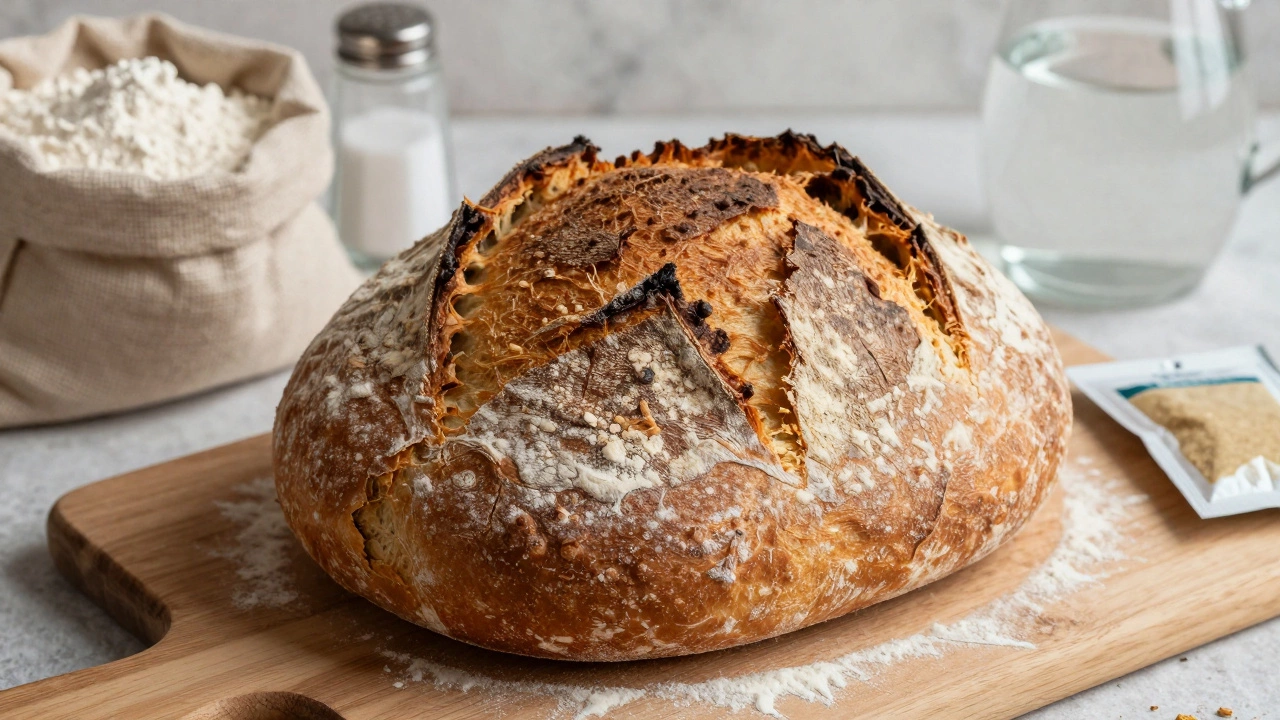
Not all bread is vegan. That’s the simple truth. You might grab a loaf thinking it’s harmless, only to find out later it contains honey, milk, butter, or even egg wash. If you’re eating vegan, you need to know what to look for-and what to avoid. The good news? Most basic breads are naturally vegan. The tricky part is the extras-ingredients that sneak in during processing, branding, or fancy recipes.
What Makes Bread Non-Vegan?
Bread doesn’t need animal products to be good. The classic four: flour, water, salt, and yeast-those are all plant-based. But many commercial loaves add things you wouldn’t expect. Honey is a common one. It’s sweet, natural, and often listed as a ‘natural sweetener,’ but it’s made by bees. That’s not vegan. Then there’s milk, butter, whey, casein, and lactose-all dairy. Even egg wash, used to give bread a shiny crust, is an animal product.
Some breads use L-cysteine, an amino acid that softens dough. It’s often made from duck feathers or human hair. While synthetic versions exist, most brands don’t label the source. If you’re strict about veganism, you might want to avoid bread with unexplained additives like this.
Also watch out for mono- and diglycerides. These emulsifiers can come from either plants or animals. Unless the label says ‘plant-based,’ assume the worst. Same with glycerin-it can be derived from animal fat. Labels don’t always tell the full story.
Which Breads Are Usually Vegan?
Many traditional breads are naturally vegan. Here’s what you can safely eat most of the time:
- Sourdough - Just flour, water, salt, and wild yeast. No additives. Always vegan unless someone adds butter or milk to the starter.
- Baguettes - French-style, crusty loaves made with just the basic four ingredients. Check the label, but most are safe.
- Italian bread - Similar to baguettes. Plain versions are vegan.
- Whole wheat bread - If it’s simple and doesn’t list dairy or honey, it’s likely vegan.
- Rye bread - Typically made with rye flour, water, yeast, and salt. Usually vegan.
- Flatbreads - Tortillas, pita, naan (some versions), and roti. Naan often has yogurt or ghee, so skip it unless labeled vegan.
These are the breads you’ll find in most bakeries and grocery stores. But always check the ingredients. Even if it looks simple, a brand might have added honey for flavor or milk for texture.
Store-Bought Vegan Bread Brands You Can Trust
If you’re short on time, buying bread is easier than making it. Here are some widely available brands that consistently make vegan breads in the UK and US:
- Warburtons - Most of their sliced white, brown, and wholemeal loaves are vegan. Check the label-some multigrain versions have milk powder.
- Thompson’s - Their wholemeal and seeded loaves are vegan. No honey, no dairy.
- Shipton Mill - Organic, stoneground breads. All their standard loaves are vegan.
- Arnold Bread (US) - Many of their sandwich loaves are vegan. Avoid the ‘Butter’ or ‘Honey’ varieties.
- Food for Life - Specializes in sprouted grain breads. All are certified vegan and gluten-free.
- Whole Foods 365 - Their house brand has several vegan options. Look for the vegan logo.
Always double-check. Brands change recipes. A bread that was vegan last month might have added milk this month. The best practice? Scan the ingredients list every time you buy.
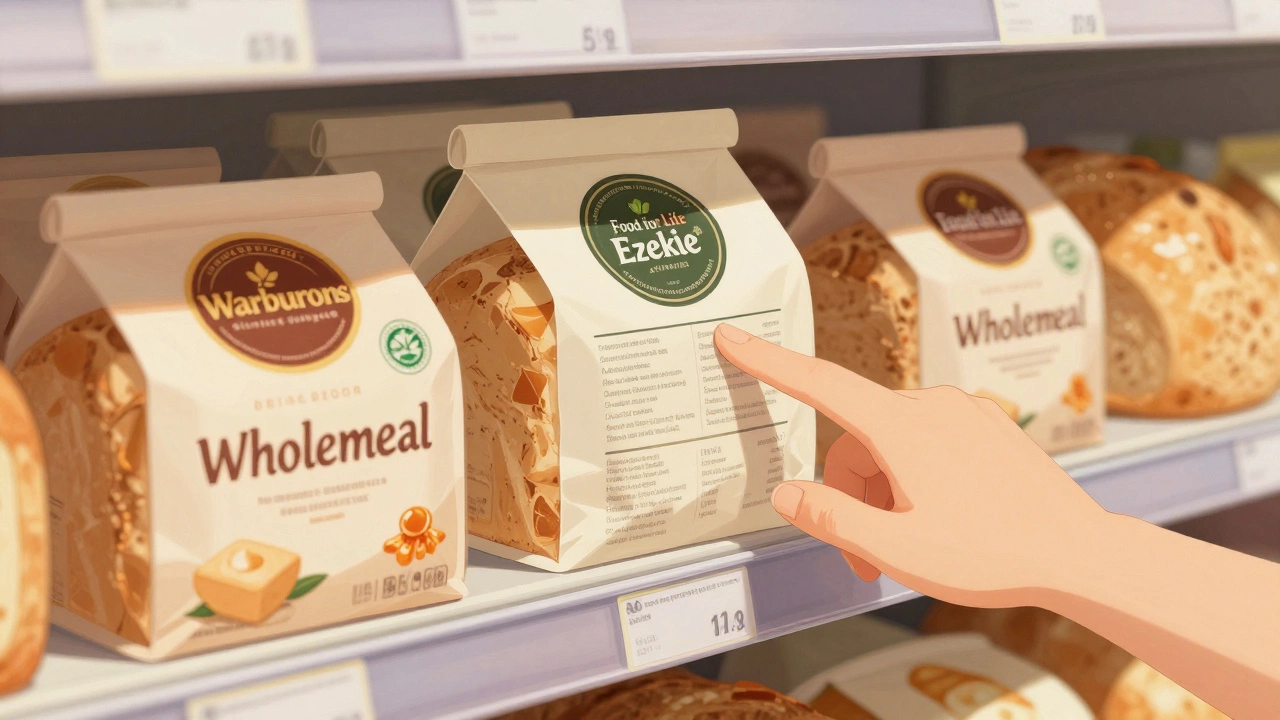
What to Look for on the Label
You don’t need a chemistry degree to read a bread label. Here’s a quick cheat sheet:
- AVOID: milk, butter, cream, whey, casein, lactose, honey, eggs, egg wash, gelatin, L-cysteine (unless specified as synthetic), mono- and diglycerides (if not labeled plant-based), glycerin (if not specified as vegetable).
- SAFE: flour (wheat, rye, spelt, barley), water, salt, yeast, sourdough starter, olive oil, sunflower oil, molasses, maple syrup, agave, cane sugar.
Some labels say ‘suitable for vegetarians’-that doesn’t mean vegan. Vegetarian breads can still contain dairy or honey. Look for the vegan logo (like the Vegan Society sunflower) or read the full ingredients list.
How to Make Your Own Vegan Bread
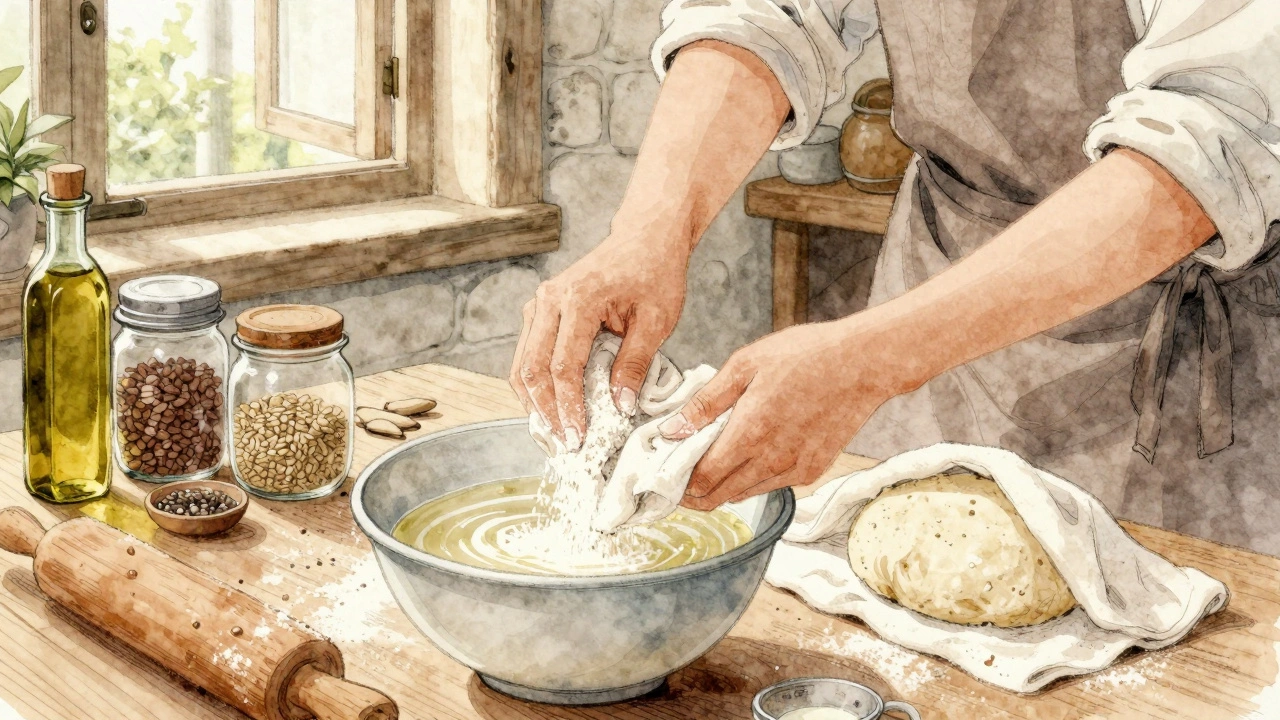
Want total control? Make your own. It’s easier than you think. Here’s a basic recipe:
- Combine 500g strong white bread flour, 7g fast-action yeast, and 10g salt in a large bowl.
- Add 300ml warm water and 1 tbsp olive oil. Mix until a shaggy dough forms.
- Knead for 10 minutes until smooth and elastic.
- Let rise in a covered bowl for 1-2 hours, until doubled.
- Shape into a loaf, place in a greased tin, and let rise another 30 minutes.
- Bake at 220°C (425°F) for 25-30 minutes until golden and hollow-sounding when tapped.
That’s it. No eggs. No milk. No honey. Just flour, water, salt, yeast, and oil. You can add seeds, herbs, or whole grains if you like. This loaf will last 3-4 days, or freeze it for longer.
Common Myths About Vegan Bread
Let’s clear up a few misunderstandings:
- Myth: All artisan breads are vegan. Truth: Many bakeries brush loaves with butter or egg wash for shine. Always ask.
- Myth: Gluten-free bread is automatically vegan. Truth: Many use eggs or dairy to bind the dough. Check the label.
- Myth: Brown bread is healthier and vegan. Truth: Brown just means it’s made with whole grain. It can still have honey or milk.
- Myth: If it says ‘no artificial ingredients,’ it’s vegan. Truth: Honey and milk are natural-but not vegan.
Don’t assume. Always check.
Where to Find Vegan Bread in the UK
Across Manchester, London, Bristol, and beyond, vegan bread is easier to find than ever. Independent bakeries often label their products clearly. Look for:
- Local vegan bakeries (like Bread Ahead in London or Manchester Vegan Bakery)
- Health food stores like Holland & Barrett or Planet Organic
- Supermarkets with dedicated vegan sections (Tesco, Sainsbury’s, Asda)
- Farmers’ markets-many small producers make vegan loaves daily
Ask staff. Most are happy to help. If you’re unsure, say: ‘Is this bread made without dairy, eggs, or honey?’ You’ll get a straight answer.
What to Do If You Accidentally Eat Non-Vegan Bread
Mistakes happen. Maybe you grabbed a loaf without checking. Maybe your partner bought it. Don’t panic. Veganism isn’t about perfection-it’s about intention. One slice won’t undo your efforts. Learn from it. Next time, scan the label. Keep a list of safe brands in your phone. Or better yet, bake your own.
It’s not about guilt. It’s about awareness.
Final Thoughts
Vegan bread isn’t a niche product anymore. It’s everywhere. From supermarket shelves to corner bakeries, you’ve got options. The key is knowing what to look for-and what to skip. Stick to simple ingredients. When in doubt, read the label. When you’re unsure, ask. And if you want total control, making your own is easy, cheap, and satisfying.
Most bread is vegan. You just have to know which ones.
Is sourdough bread always vegan?
Yes, traditional sourdough is always vegan. It’s made with just flour, water, salt, and a wild yeast starter. No animals involved. But some bakeries add butter, milk, or honey to the dough for flavor or texture. Always check the ingredients if you’re buying it from a shop.
Can I eat bread that says ‘vegetarian’?
Not necessarily. ‘Vegetarian’ means no meat, but it can still contain dairy, eggs, or honey-all of which are not vegan. Look for the word ‘vegan’ on the label or check the full ingredients list for animal-derived ingredients.
Is whole grain bread vegan?
Whole grain bread is usually vegan, but not always. Some brands add honey, milk powder, or butter to improve taste or shelf life. Always read the label. The term ‘whole grain’ refers to the type of flour used, not the other ingredients.
Does gluten-free bread contain dairy?
Many gluten-free breads use eggs or milk to bind the dough since gluten isn’t there to hold it together. Brands like Udi’s and Glutino often include dairy or eggs. Always check the ingredients. Look for gluten-free and vegan-certified brands like Food for Life or Canyon Bakehouse.
Are bagels vegan?
Plain bagels are usually vegan, made with flour, water, yeast, and salt. But many are brushed with egg wash for shine, or contain dairy in the dough. Sesame, poppy, and everything bagels are often vegan, but check the label. Avoid ‘butter’ or ‘honey’ flavored varieties.
What’s the best vegan bread for sandwiches?
Warburtons Wholemeal, Thompson’s Seeded, or Food for Life Ezekiel Sprouted Grain are excellent choices. They’re soft, hold up well with fillings, and are widely available in UK supermarkets. For a chewier texture, try a sourdough or rye loaf.