
Ultimate Flavor Profile Calculator
Adjust the sliders to match your dish's characteristics. The tool calculates a "Taste Score" based on the science of cravings described in the article.
Analysis Result
Balanced Dish
Your dish has a standard profile. Try adding more texture or umami to elevate it.
Stop me if you’ve heard this one before: a room full of people arguing over whether pizza, sushi, or grandma’s lasagna holds the title for the absolute best thing on Earth. It’s a debate that has no winner because taste isn’t just biology; it’s memory, chemistry, and culture all mashed together. When you ask what is the tastiest food ever, you aren’t asking for a menu item. You’re asking for an experience that hits every receptor in your mouth while triggering a warm, fuzzy feeling in your brain.
We often think of "tasty" as purely sweet or salty, but the real magic happens when we understand the mechanics of flavor. From the science of umami to the psychological pull of nostalgia, let’s break down why certain dishes feel like they were made specifically for you, and how you can recreate that sensation in your own kitchen.
The Chemistry of Craving: Why Some Foods Hit Different
To understand why a bowl of ramen or a slice of cheesecake feels so good, we have to look at the five basic tastes our tongues detect: sweet, sour, salty, bitter, and umami. For decades, Western cuisine focused heavily on the first three. But modern food science has elevated Umami to the status of a superpower. Known as the "fifth taste," umami is the savory, meaty depth found in mushrooms, aged cheeses, soy sauce, and cured meats.
Umami works by binding to specific receptors on your tongue that signal satisfaction to your brain. It doesn’t just add flavor; it rounds out other tastes. A tomato sauce might taste sharp and acidic on its own, but add a pinch of Parmesan cheese (packed with glutamates) and suddenly it tastes complete. This synergy is why many of the world’s most beloved comfort foods rely on ingredients rich in nucleotides and amino acids. When you eat a burger topped with melted cheddar and pickles, you are experiencing a chemical reaction designed to keep you eating. That’s not a coincidence; it’s biochemistry.
Nostalgia: The Secret Ingredient in Every Bite
If science explains the mechanics, psychology explains the emotion. The tastiest food ever is almost always tied to a specific moment in your life. This is known as the Proustian effect, where a sensory trigger-usually smell or taste-unlocks a vivid memory. For someone growing up in Manchester during a rainy winter, a hot pot of shepherd’s pie isn’t just minced lamb and potatoes. It’s safety, warmth, and family dinners.
Think about the last time you ate something that felt "perfect." Was it the most expensive meal you’ve ever had? Probably not. It was likely something simple: a grilled cheese sandwich dipped in tomato soup, or a bowl of instant noodles with an egg cracked into the broth. These foods work because they bypass your critical thinking and go straight to your emotional center. They remind you of times when you were cared for, relaxed, or happy. This is why "comfort food" is such a powerful category. It’s not about nutrition; it’s about emotional regulation. When stress levels rise, our brains crave high-carb, high-fat foods that provide quick energy and dopamine hits. We aren’t just hungry; we’re seeking comfort.
Texture and Temperature: The Physical Experience of Eating
You can have the perfect seasoning profile, but if the texture is off, the dish fails. Texture is half the battle in creating the ultimate tasty experience. Humans are wired to enjoy contrast. Think about the crunch of a taco shell against the softness of the meat, or the creamy interior of a baked potato versus its crispy skin. This variety keeps the brain engaged. Monotonous textures, like mushy vegetables or dry bread, quickly become unappetizing because they offer little sensory stimulation.
Temperature plays a huge role here too. There’s a reason hot chocolate feels better on a cold day than on a hot one. Thermal contrast enhances flavor perception. Warm foods tend to release more aromatic compounds, which travel through the retronasal passage to your olfactory bulb. Since smell accounts for up to 80% of what we perceive as taste, a hot dish literally smells stronger and tastes richer than a cold version of the same ingredients. However, cold foods have their place. The refreshing snap of a chilled strawberry or the cool smoothness of ice cream provides a different kind of satisfaction, often associated with relief and refreshment rather than sustenance.

Global Contenders for the Title
While personal preference rules supreme, some dishes consistently rank high across cultures due to their balanced profiles of fat, salt, carbs, and umami. Let’s look at a few heavy hitters that often make the list for "best food ever":
- Pizza: The holy trinity of carbohydrates, fat (cheese), and acidity (tomato). It’s customizable, shareable, and hits every taste bud. The charred crust adds a smoky bitterness that balances the sweetness of the cheese.
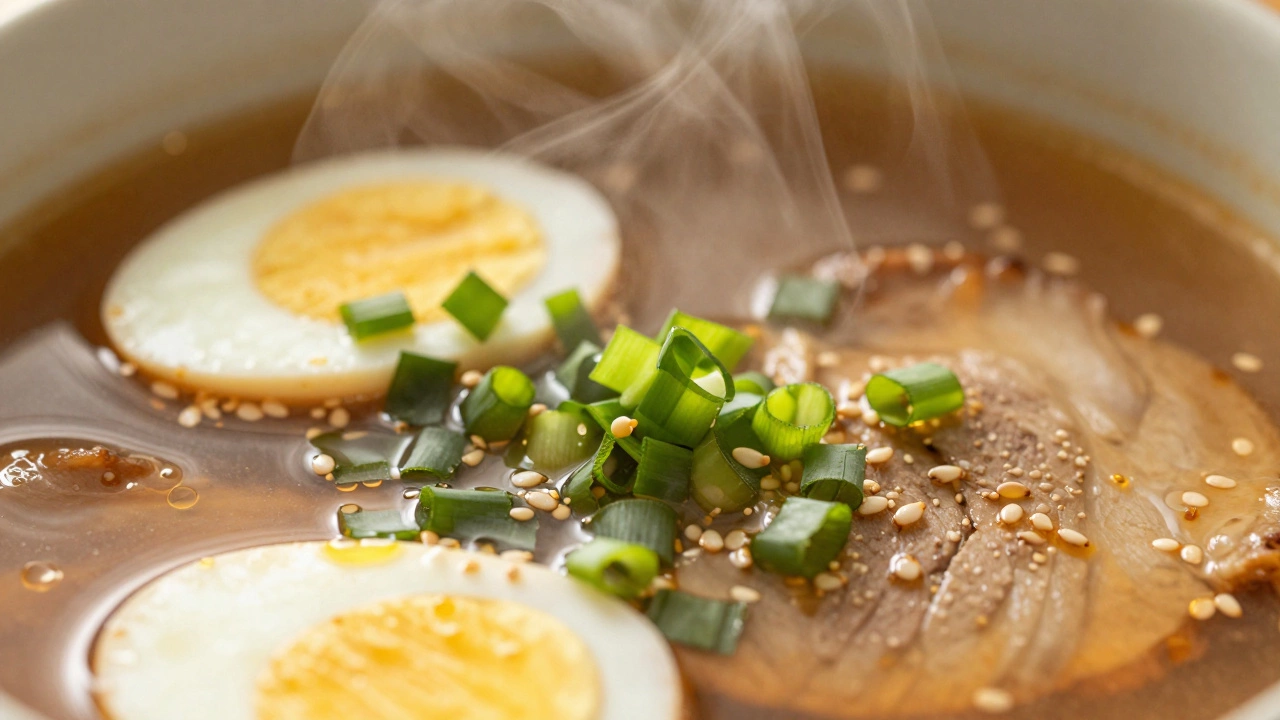
- Ramen: A masterclass in umami. The broth, simmered for hours with bones and seafood, creates a deep savory base. The noodles provide chewiness, while toppings like soft-boiled eggs and pork belly add richness and protein.
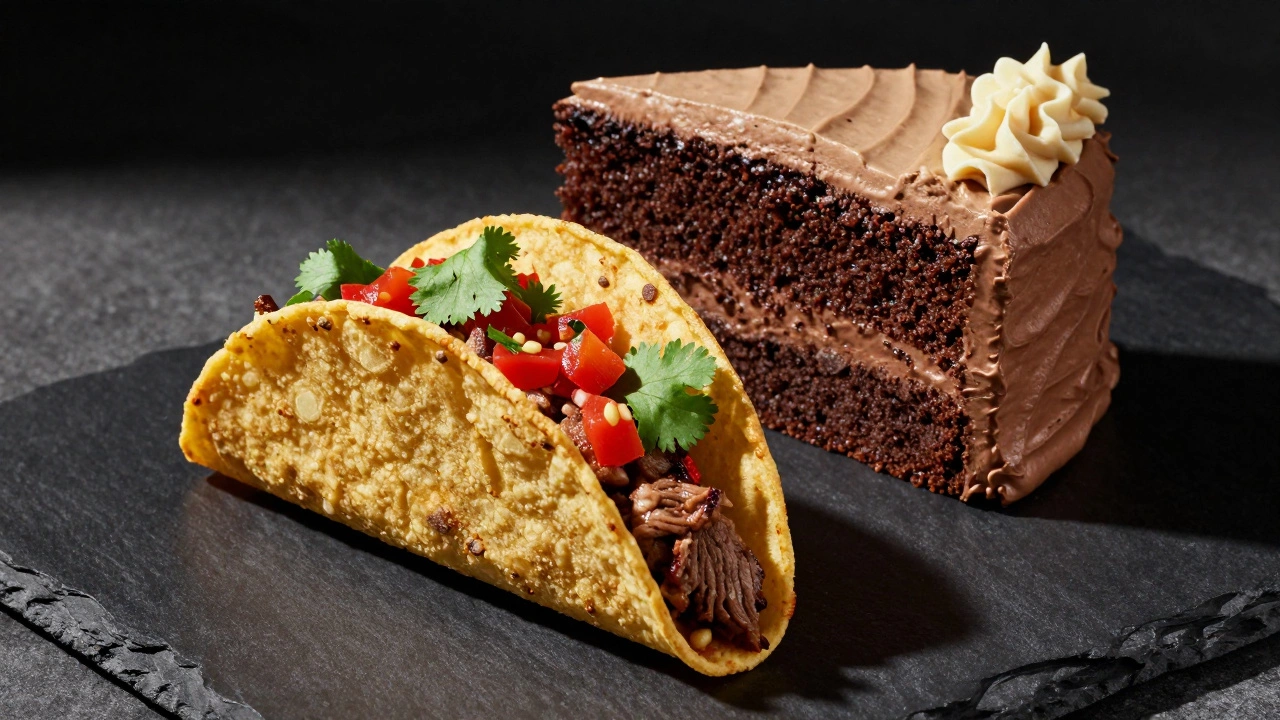
- Tacos: Perfect portion control with maximum flavor density. The combination of fresh cilantro, spicy salsa, tender meat, and crunchy tortilla offers a complex interplay of heat, acid, fat, and crunch in every bite.
- Chocolate Cake: On the sweet side, dense chocolate cake wins because of the Maillard reaction-the chemical browning process that creates hundreds of new flavor compounds. Paired with buttercream, it’s a calorie-dense joy bomb.
Notice a pattern? These foods are rarely "healthy" in the strictest sense. They are engineered for pleasure. They combine multiple textures, temperatures, and flavor profiles to create a holistic experience that satisfies both the body and the mind.
How to Make Your Own "Tastiest Ever" Dish
You don’t need a Michelin star to create a dish that feels like the best thing you’ve ever eaten. You just need to apply these principles to your favorite comfort foods. Here is a simple framework to upgrade any meal:
- Add Umami Boosters: If your dish tastes flat, it’s likely missing depth. Add a splash of soy sauce to stews, grate Parmesan into soups, or use dried mushrooms in risottos. These ingredients contain glutamates that will make everything taste "more" without adding extra salt.
- Balance Acidity: Fat makes food rich, but too much fat coats the tongue and dulls the senses. Cut through heaviness with acid. Squeeze lemon juice over fatty fish, add vinegar to dressings, or toss tomatoes into pasta sauces. Acid brightens flavors and makes them pop.
- Create Textural Contrast: Never serve a dish that is entirely soft or entirely hard. If you’re making a creamy mac and cheese, bake it until the top is crispy. If you’re serving a soft stew, garnish with crunchy seeds or fresh herbs. The surprise of a crunch keeps you interested.
- Control Temperature: Serve hot foods piping hot and cold foods ice-cold. Lukewarm food is the enemy of enjoyment. Let your cast iron skillet get screaming hot before searing meat, and chill your glassware before pouring drinks.
The Role of Freshness and Seasonality
Even the best technique can’t save poor ingredients. The tastiest food ever is often simply the freshest food available. Vegetables picked at peak ripeness contain higher sugar levels and more vibrant flavors than those shipped halfway around the world. In England, a strawberry harvested in June tastes completely different from one imported in December. The local, seasonal produce supports not just better flavor but also sustainability.
Cooking with what’s in season forces creativity and ensures quality. Instead of forcing a summer salad in winter, embrace hearty root vegetables, slow-cooked roasts, and warming spices. Aligning your cooking with the natural rhythm of the year means your ingredients are doing the heavy lifting, allowing you to focus on technique and balance rather than masking bad flavors with heavy sauces.
| Element | Function | Examples |
|---|---|---|
| Umami | Adds depth and savory satisfaction | Mushrooms, Soy Sauce, Parmesan, Tomatoes |
| Acidity | Brightens flavors and cuts through fat | Lemon Juice, Vinegar, Pickles, Citrus Zest |
| Texture | Provides sensory engagement and contrast | Crispy skins, Crunchy nuts, Creamy sauces |
| Fat | Carries flavor and creates mouthfeel | Olive Oil, Butter, Cheese, Avocado |
| Nostalgia | Triggers emotional connection and memory | Childhood favorites, Family recipes, Cultural staples |
Conclusion: Taste is Personal, But Principles are Universal
So, what is the tastiest food ever? It’s whatever makes you close your eyes and sigh after the first bite. It’s the dish that reminds you of who you are and where you come from. While we can analyze the chemistry of glutamates and the psychology of nostalgia, the final verdict always rests on your palate. Use these insights to explore new flavors, refine your cooking techniques, and appreciate the complexity behind your favorite meals. The next time you sit down to eat, pay attention to the textures, the temperatures, and the memories. You might just find that the tastiest food ever is the one you’re holding right now.
Is there a scientifically proven "tastiest" food?
No single food is scientifically proven to be the tastiest because taste is subjective and influenced by genetics, culture, and personal history. However, foods high in fat, sugar, and salt are universally appealing because they provided essential energy sources for human evolution. Dishes that combine these elements with umami and textural contrast tend to score highest in general preference studies.
Why do comfort foods taste better when I'm stressed?
Stress triggers the release of cortisol, which increases cravings for high-calorie, high-fat, and high-sugar foods. These foods stimulate the brain's reward system, releasing dopamine and providing temporary relief from anxiety. Additionally, comfort foods are often linked to positive childhood memories, offering emotional security alongside physical nourishment.
What is umami and how can I add it to my cooking?
Umami is the fifth basic taste, described as savory or meaty. It comes from amino acids like glutamate. To add umami to your cooking, incorporate ingredients such as mushrooms, aged cheeses (like Parmesan), soy sauce, miso paste, tomatoes, and cured meats. These ingredients enhance the overall depth and satisfaction of a dish without needing extra salt.
Does temperature really affect how food tastes?
Yes, temperature significantly impacts flavor perception. Hot foods release more volatile aromatic compounds, which reach your olfactory receptors via the retronasal passage, enhancing the perceived intensity of the flavor. Cold foods suppress some aromas but highlight freshness and crispness. Serving food at the correct temperature is crucial for maximizing its taste potential.
Can I make healthy food taste as good as junk food?
You can certainly make healthy food delicious by focusing on technique and flavor layering. Use umami-rich ingredients to add depth, balance fats with acids to brighten flavors, and ensure proper textural contrast. While junk food is engineered for hyper-palatability, using fresh, high-quality ingredients and mastering seasoning can create meals that are both nutritious and deeply satisfying.