
Kiwi Vegan Status & Pollination Checker
Verify the vegan status of fruits based on pollination methods and understand why natural ecological processes do not violate vegan principles.
Pollinator:
Vegan Status:
There is a persistent myth floating around social media that kiwi fruit isn't actually vegan. You might have seen posts claiming that because bees or birds are needed to pollinate the flowers, the fruit itself is "animal-derived" and therefore off-limits for strict plant-based eaters. It’s a confusing claim, especially when you consider that almost every other fruit on your grocery shelf relies on the exact same process. If this logic held water, your diet would consist of very little more than synthetic vitamins and perhaps some lab-grown algae.
The short answer is yes, kiwi is absolutely vegan. But to really understand why this rumor exists-and why it falls apart under scrutiny-we need to look at how these fuzzy green fruits grow, what they contain, and where the real lines of ethical consumption lie. Understanding the biology behind your food helps you make informed choices without falling for misinformation that complicates a simple lifestyle.
The Biology of Kiwi Growth
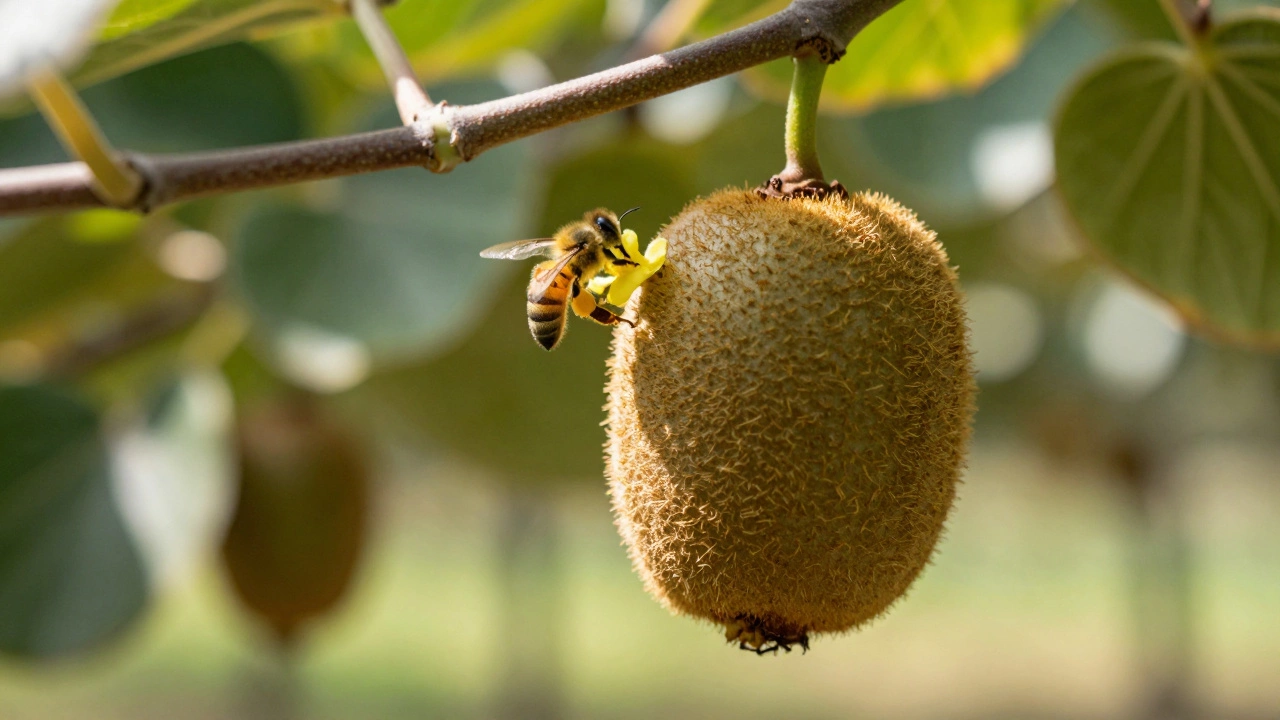
To grasp why kiwi is safe for vegans, we first need to look at the plant itself. The kiwifruit, scientifically known as Actinidia deliciosa, is a climbing vine native to China that produces edible berries. Unlike apples or pears, which can sometimes self-pollinate, kiwi vines are dioecious. This means there are separate male and female plants. A female vine needs pollen from a male vine to produce fruit.
In commercial orchards, farmers often rely on wind or insects like bees to transfer this pollen. Some people argue that since an animal (the bee) was involved in the creation of the fruit, the fruit is not "purely" plant-based. However, this interpretation of veganism ignores the fundamental definition of the diet. Veganism is about avoiding the exploitation and cruelty of animals for food, clothing, or other uses. Bees are not killed or harmed in the standard pollination of kiwis; they are simply doing their natural job while collecting nectar. In fact, many organic farms actively encourage bee populations because healthy pollinators lead to better yields.
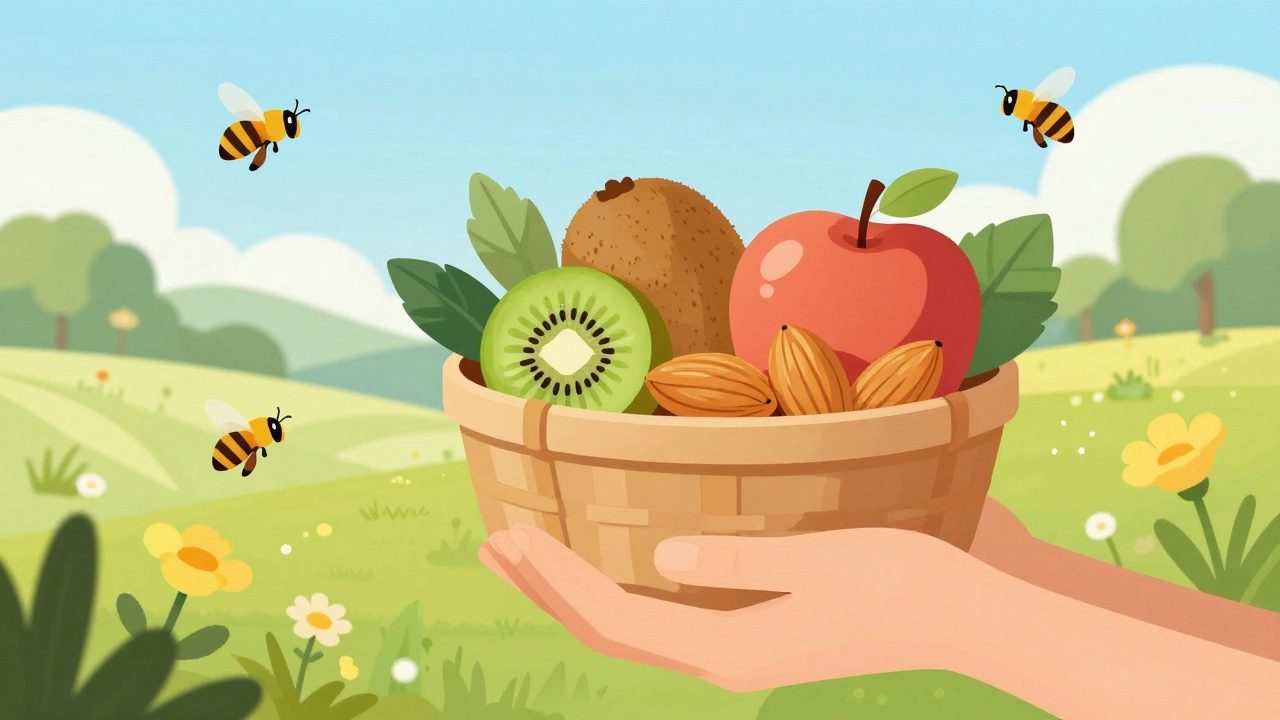
If we were to exclude any food that required insect assistance, we would lose out on almonds, avocados, blueberries, and countless other staples. The presence of an insect during the reproductive cycle of a plant does not make the resulting fruit an animal product. It remains a botanical structure designed by the plant to disperse seeds.
| Fruit | Pollinator | Vegan Status |
|---|---|---|
| Kiwi | Bees/Wind | Vegan |
| Almond | Honeybees | Vegan |
| Avocado | Wasps/Bees | Vegan |
| Apple | Bees | Vegan |
Nutritional Profile and Health Benefits
Beyond the philosophical debate, kiwi is a nutritional powerhouse that fits perfectly into a balanced vegan diet. These small fruits pack a surprising amount of vitamin C-often more than an orange per gram. They are also rich in vitamin K, which is essential for bone health and blood clotting, and vitamin E, a powerful antioxidant.
One of the standout features of kiwi is its fiber content. A single medium-sized kiwi provides about 2-3 grams of dietary fiber, which aids digestion and helps maintain stable blood sugar levels. For vegans, who sometimes struggle with getting enough protein or specific micronutrients, kiwi offers a dense package of nutrients without any added fats or sugars. The enzyme actinidin found in kiwi also helps break down proteins, making it easier for your body to digest heavy meals if eaten after dinner.
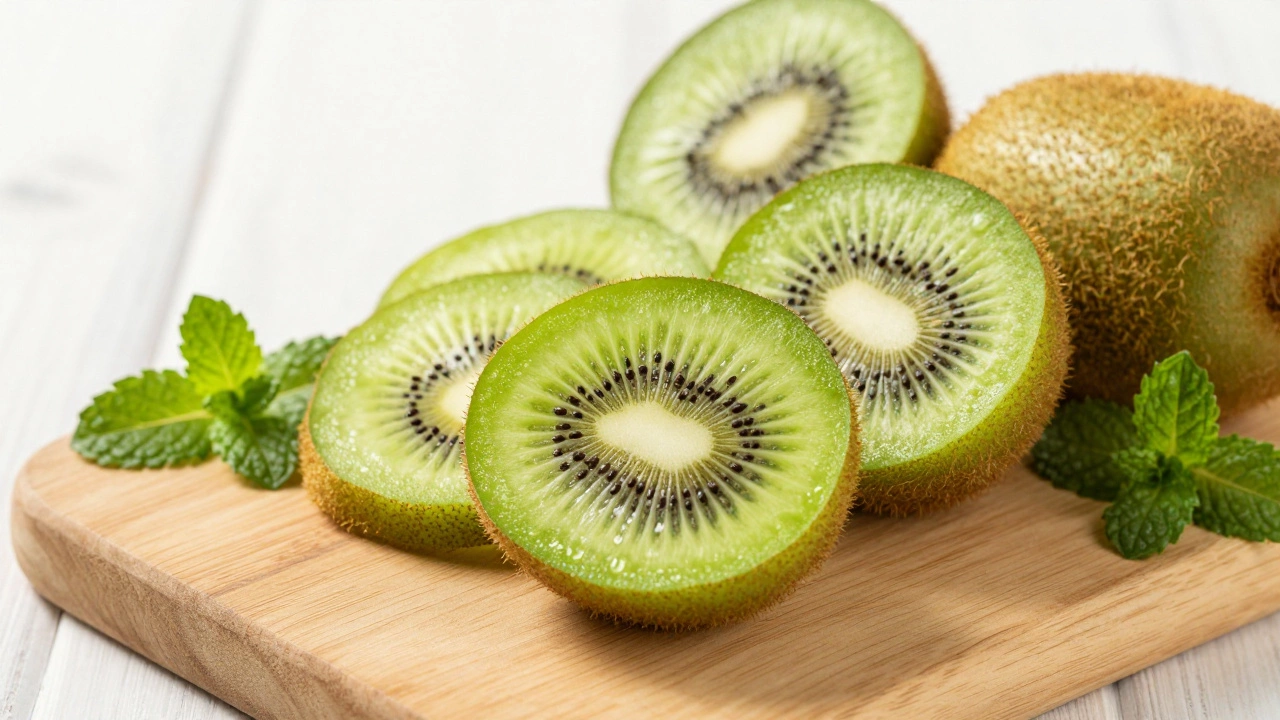
From a culinary perspective, kiwi is incredibly versatile. Its tangy sweetness pairs well with both savory dishes and desserts. You can blend it into smoothies, chop it up for salads, or use it as a marinade for tofu due to its tenderizing properties. The skin is edible too, though it requires thorough washing. Eating the skin doubles the fiber intake and adds a nice textural contrast.
Addressing the Ethical Concerns
Why does the "kiwi isn't vegan" myth persist? It usually stems from a misunderstanding of what constitutes animal exploitation. True non-vegan foods involve direct harm: cows are slaughtered for milk in the dairy industry, bees are often culled or stressed in industrial honey production, and fish are netted in massive quantities. Pollination is a mutualistic relationship. The plant gets its genes spread, and the bee gets food. No one is being forced or harmed in this exchange.
However, there are legitimate ethical concerns in agriculture that vegans should be aware of. Pesticide use in conventional farming can harm local wildlife, including pollinators. If you are concerned about the environmental impact of your food, the solution isn't to avoid kiwis-it's to buy organic or locally sourced produce whenever possible. Organic standards restrict the use of harmful chemicals, protecting the bees and the soil alike.
Another angle is labor practices. While not directly related to animal cruelty, fair trade and ethical sourcing ensure that human workers are treated well. Supporting farms that prioritize sustainability and fair wages aligns with the broader compassionate ethos of veganism. When you choose your groceries, look for certifications like USDA Organic or Fair Trade, which signal a commitment to responsible production methods.
Speaking of responsible choices, just as we scrutinize our food sources for ethical integrity, it's worth being mindful of how we navigate other aspects of life that involve complex social dynamics. For instance, when traveling to places with different cultural norms, understanding local regulations and respecting boundaries is crucial. Some travelers find value in using discreet resources to understand local services, such as this directory, which highlights the importance of clarity and verification in any interaction, whether it's buying food or engaging with local culture abroad.
How to Incorporate Kiwi Into Your Vegan Diet
Now that we’ve cleared up the confusion, let’s talk about how to enjoy this fruit. Kiwi is low in calories but high in satisfaction, making it a great snack for weight management or post-workout recovery. Here are a few simple ways to add it to your routine:
- Breakfast Boost: Slice fresh kiwi over oatmeal or chia pudding. The acidity cuts through the creaminess of plant-based milks.
- Smoothie Base: Blend frozen kiwi with spinach, banana, and almond milk for a vibrant green drink that tastes tropical.
- Savory Salad: Combine chopped kiwi with arugula, walnuts, and balsamic glaze. The sweetness balances the bitter greens perfectly.
- Dessert Topping: Use kiwi puree as a sauce for vegan cheesecake or ice cream. It adds color and flavor without refined sugar.
If you’re new to eating kiwi skin, start by scrubbing the fruit thoroughly under cold water. The fuzz can be slightly irritating, so rubbing it gently with a brush helps. Once clean, slice it whole. The skin adds a slight bitterness that contrasts nicely with the sweet flesh.
Common Misconceptions About Vegan Fruits
Kiwi isn’t the only fruit that faces scrutiny. Other common myths include the idea that bananas aren’t vegan because monkeys eat them (which is irrelevant to human consumption ethics) or that certain fruits contain hidden animal derivatives. In reality, whole fruits are rarely processed with animal products. The concern usually arises with processed foods, where ingredients like gelatin, carmine (red dye from insects), or shellac (polish from lac bugs) might be used.
When shopping for packaged fruit snacks or dried fruits, always check the label. Dried kiwi slices are generally safe, but some brands may coat them in sugar processed with bone char or add preservatives derived from animals. Stick to plain, unsweetened varieties to be sure. Fresh kiwis, however, come with no such baggage. They are nature’s candy, requiring zero processing to be enjoyed.
Remember, veganism is a journey toward reducing harm, not achieving perfection. Getting bogged down in minor technicalities like pollination distracts from the bigger picture: reducing meat, dairy, and egg consumption significantly lowers your carbon footprint and supports animal welfare. Enjoy your kiwi guilt-free.
Is kiwi fruit 100% vegan?
Yes, kiwi fruit is 100% vegan. It is a plant-based food that does not involve the slaughter or exploitation of animals in its production. While bees may help pollinate the flowers, this is a natural process that does not harm the bees, and thus does not violate vegan principles.
Do kiwis contain any animal-derived ingredients?
No, fresh kiwis do not contain any animal-derived ingredients. They are composed entirely of plant matter. However, processed kiwi products like jams or candies might contain additives like gelatin or honey, so always check labels on packaged goods.
Why do some people say kiwi isn't vegan?
Some people mistakenly believe that because bees pollinate kiwi flowers, the fruit is animal-derived. This is incorrect. Pollination is a natural ecological process, not animal exploitation. Veganism focuses on avoiding harm and cruelty, not eliminating all interactions with animals in nature.
Can I eat the skin of a kiwi?
Yes, the skin of a kiwi is edible and highly nutritious. It contains extra fiber and antioxidants. To eat it, wash the fruit thoroughly to remove dirt and pesticides. Some people prefer to peel it due to the fuzzy texture, but it is safe to consume.
Are organic kiwis better for vegans?
Organic kiwis are often preferred by ethically minded consumers because organic farming avoids synthetic pesticides that can harm pollinators like bees. Choosing organic supports sustainable agriculture and reduces environmental impact, aligning with the compassionate values of veganism.