
Easy Dinner Decision Helper
Select your current situation to get a personalized recipe recommendation.
Recommended Recipe:
Why this works for you:
Key Metrics:
Ingredients Needed:
Simple Steps:
You walk through the front door, drop your keys on the table, and hit that wall of exhaustion. The last thing you want to do is stare at a blank fridge and wonder, what is the easiest thing to cook for dinner? You don’t have time for a twenty-ingredient marinade or a recipe that requires three different pans. You need food that tastes good, comes together in under thirty minutes, and doesn’t require a culinary degree.
The truth is, the "easiest" meal isn't about complexity; it's about strategy. It’s about choosing ingredients that do the heavy lifting for you. When you strip away the fuss, you find that the best dinners are often just a protein, a carb, and a vegetable, tossed together with some smart seasoning. Here is how to master the art of the effortless evening meal without sacrificing flavor.
The Golden Rule: One-Pan Wonders
If there is one secret to easy cooking, it is minimizing cleanup. Fewer dishes mean less stress. A sheet pan dinner is the ultimate hack for this. You take a large baking tray, line it with parchment paper (non-negotiable for easy cleanup), and pile everything on. The oven does all the work while you sit down with a glass of wine or scroll through your phone.
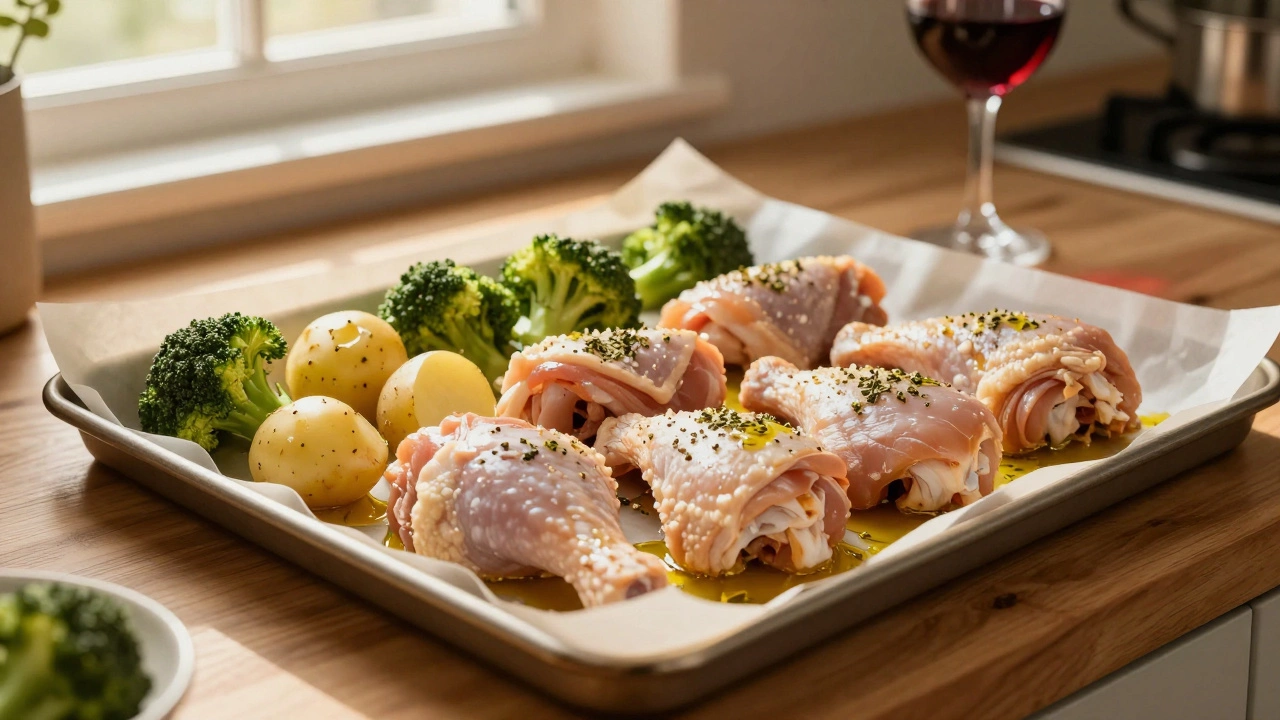
Sheet Pan Chicken and Veggies is a classic combination where chicken thighs roast alongside broccoli and potatoes, absorbing flavors from olive oil, garlic, and lemon. Why chicken thighs? They are forgiving. Unlike breast meat, which dries out if you look at it wrong, thighs stay juicy even if you accidentally leave them in the oven five minutes too long. Cut baby potatoes into quarters so they cook evenly with the vegetables. Toss everything in olive oil, salt, pepper, and dried oregano. Roast at 400°F (200°C) for about 25 minutes. That’s it. Dinner is served, and you only washed one tray.
The 10-Minute Pasta Fix
Sometimes the oven feels like too much effort. In those moments, pasta is your best friend. But we aren’t talking about boiling water, draining noodles, and making a separate sauce. We are talking about finishing the pasta directly in the sauce. This method creates a creamy texture using just the starchy pasta water, eliminating the need for heavy cream or cheese.
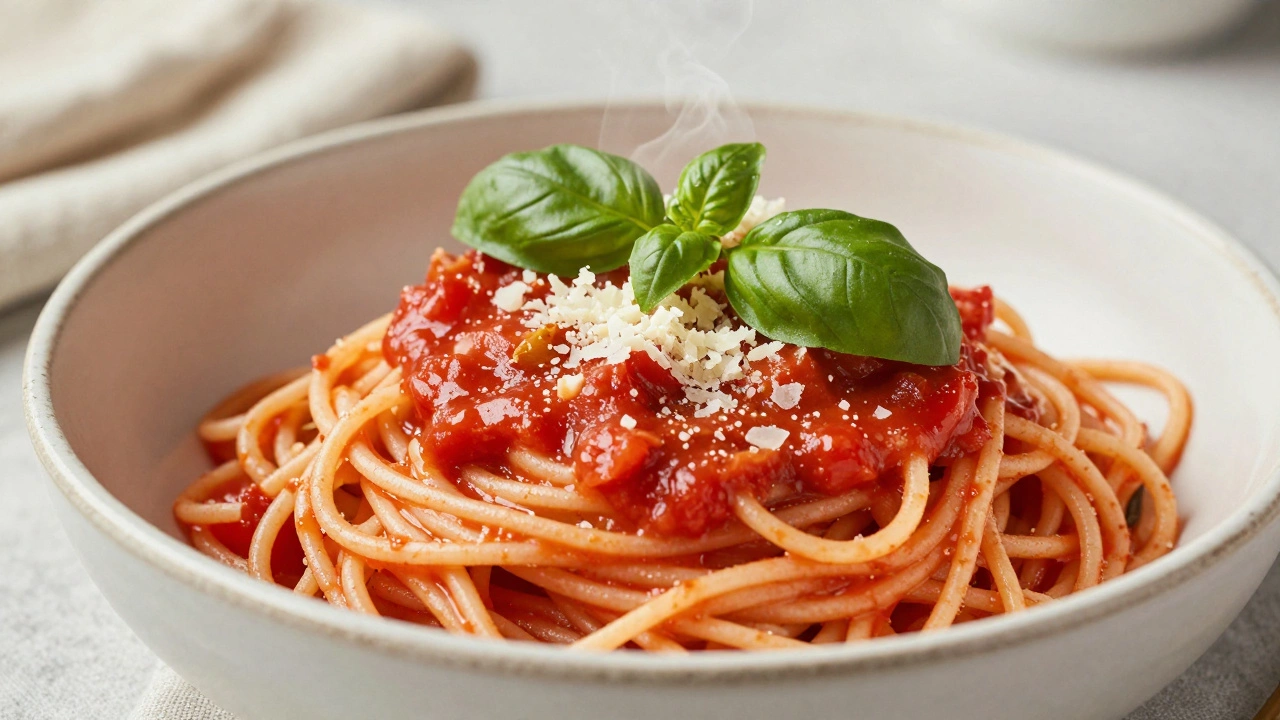
Start by sautéing garlic in a little olive oil until it smells amazing. Add canned crushed tomatoes, a pinch of red pepper flakes, and salt. While that simmers, boil your pasta. When the pasta is almost done, scoop out a cup of the cloudy cooking water before draining. Toss the drained pasta into the tomato sauce along with a splash of that reserved water. Stir vigorously. The starch emulsifies with the oil and tomatoes, creating a glossy, cohesive sauce that clings to every noodle. Top with fresh basil or parmesan if you have it, but honestly, it’s delicious plain. This technique works with any shape of pasta, but spaghetti or penne tend to hold the sauce best.
Stir-Fry: The Art of Leftovers
Do you have random vegetables wilting in the crisper drawer? A half-used bag of rice? That is not trash; that is a stir-fry waiting to happen. Stir-frying is arguably the fastest cooking method because it relies on high heat and small cuts of food. Everything cooks in minutes.
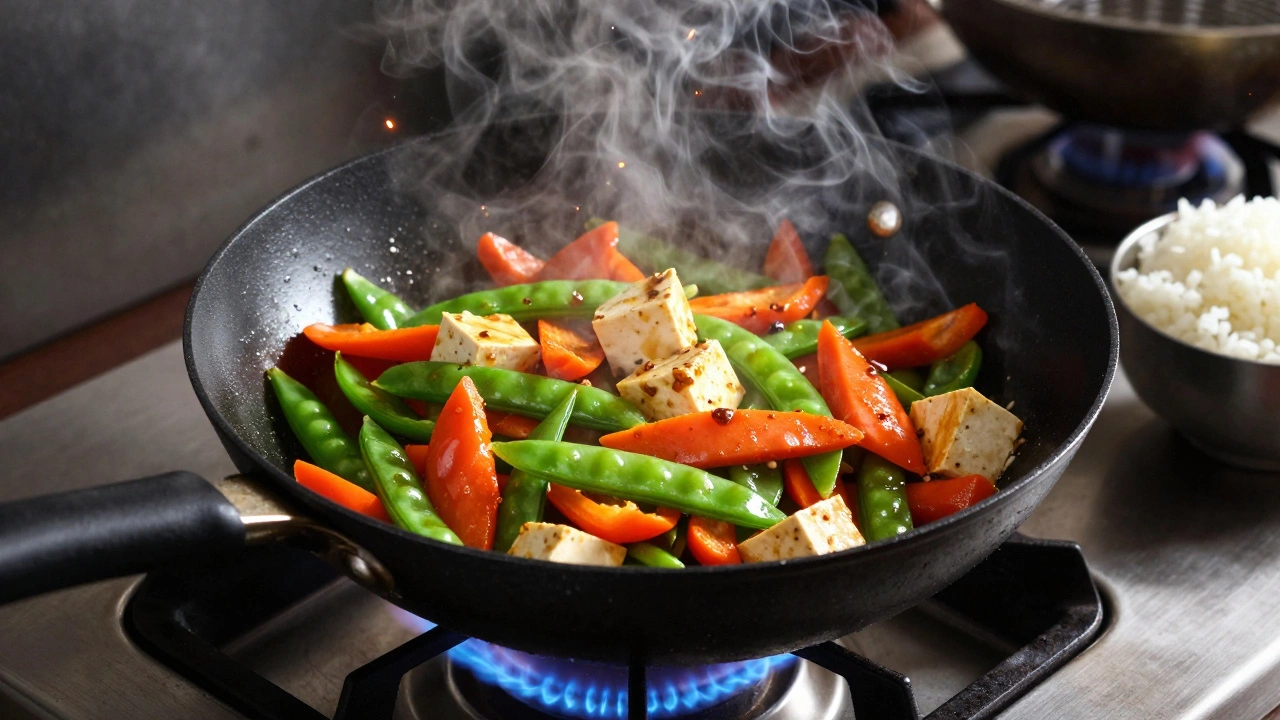
Veggie Stir-Fry is a flexible meal built around a wok or large skillet, combining chopped vegetables, protein, and a savory sauce over rice. Heat a generous amount of oil in a wok or large frying pan until it shimmers. Add your proteins-chicken strips, tofu cubes, or shrimp-and cook until browned. Remove them and set aside. Toss in your veggies: bell peppers, carrots, snap peas, or cabbage. Stir constantly for three to four minutes. Return the protein to the pan and pour in your sauce. A simple mix of soy sauce, ginger, garlic, and a teaspoon of honey or sesame oil works wonders. Serve over microwaveable rice or leftover cooked rice. The beauty here is flexibility. If you only have zucchini and mushrooms, use those. If you have no protein, add an egg at the end for a scramble effect.
Breakfast for Dinner: The Cheat Code
Let’s be honest: breakfast foods are designed to be easy. Eggs are versatile, cheap, and cook quickly. Scrambled eggs, omelets, or frittatas are perfect for when you have zero energy but still want something substantial.
A Simple Veggie Omelet is a protein-rich dish made by whisking eggs with milk, pouring into a buttered pan, and folding over fillings like cheese, spinach, and diced ham. Whisk two or three eggs with a splash of milk and a pinch of salt. Pour into a non-stick pan over medium-low heat. Let the edges set, then lift them slightly to let the uncooked egg flow underneath. Once the bottom is golden but the top is still slightly wet, sprinkle on cheese and any other fillings you like. Fold it in half and slide it onto a plate. Pair it with toast or a side of fruit, and you have a balanced meal that took less than ten minutes to make. It’s comforting, familiar, and requires almost no mental load.
Salads That Actually Fill You Up
Salad gets a bad rap as a "diet food," but a well-constructed salad can be a hearty main course. The key is balance. You need greens, crunch, protein, fat, and acid. Without these elements, you’ll be hungry an hour later.
Take a base of mixed greens or kale. Add a hard-boiled egg or canned chickpeas for protein. Throw in some nuts or seeds for crunch and healthy fats. Then, dress it properly. Olive oil and vinegar are fine, but a jarred vinaigrette saves time and often tastes better because chefs have already balanced the acidity and sweetness. A classic Caesar salad is another option. Use pre-washed romaine, toss with store-bought dressing, and add croutons and parmesan. It’s essentially a deconstructed sandwich that feels lighter but satisfies the same cravings.
| Meal Type | Prep Time | Cook Time | Cleanup Level | Best For |
|---|---|---|---|---|
| Sheet Pan Chicken | 10 mins | 25 mins | Low (1 tray) | Hands-off cooking |
| Pasta in Sauce | 5 mins | 15 mins | Medium (pot + pan) | Speed and comfort |
| Stir-Fry | 10 mins | 10 mins | Medium (wok + bowls) | Using leftovers |
| Omelet | 5 mins | 5 mins | Very Low (1 pan) | Zero energy days |
| Hearty Salad | 10 mins | 0 mins | Very Low (bowl) | No-cook preference |
Stock Your Kitchen for Success
Even the easiest recipes fail if you don’t have the basics. To make these meals truly effortless, keep a few staple items in your pantry and freezer. Canned beans, lentils, and tomatoes are lifesavers. Frozen vegetables are just as nutritious as fresh ones and require no chopping. Keep a bottle of good olive oil, soy sauce, and basic spices like salt, pepper, garlic powder, and Italian herbs. With these items on hand, you can throw together a meal regardless of what’s in the fridge.
Don’t underestimate the power of pre-cut produce. Yes, it costs a bit more per pound, but you are paying for convenience. If buying pre-chopped onions or sliced mushrooms means you actually cook dinner instead of ordering takeout, it’s worth the extra dollar. Similarly, rotisserie chickens from the grocery store are a game-changer. Shred the meat and use it in salads, tacos, or pasta the next day. It’s a shortcut that buys you time and reduces waste.
Overcoming the Mental Block
Sometimes the hardest part of cooking isn’t the physical act; it’s the decision fatigue. Standing in the kitchen wondering what to make can be more exhausting than the cooking itself. Combat this by having a "default" menu. Pick three or four recipes that you know you can make blindfolded. When you’re tired, don’t browse Pinterest. Just pick one of your defaults. Rotate them weekly so you don’t get bored, but keep the list short. This reduces the cognitive load and makes starting feel less daunting.
Also, give yourself permission to keep it simple. You don’t need to garnish. You don’t need to plate perfectly. Food that is eaten straight from the pot is still food. The goal is nourishment and satisfaction, not perfection. Embrace the mess, embrace the simplicity, and remember that the easiest thing to cook is whatever gets you fed with the least amount of stress.
What is the absolute fastest meal I can make?
A scrambled egg on toast or a tuna melt sandwich are likely the fastest options, taking under 10 minutes from start to finish. These require minimal prep, few utensils, and common pantry staples.
Can I make easy dinners vegetarian?
Absolutely. Swap chicken for chickpeas, tofu, or paneer in any of the recipes above. Sheet pan roasted vegetables with hummus, or a bean-based chili, are also excellent vegetarian options that require minimal effort.
How do I reduce cleanup time?
Use parchment paper for baking sheets, cook in one pot or pan whenever possible, and soak dirty dishes immediately after eating. Using disposable aluminum foil trays for roasting can also eliminate scrubbing.
Is frozen food healthy for quick dinners?
Yes, most frozen vegetables and fruits are flash-frozen at peak ripeness, retaining most of their nutrients. They are often healthier than fresh produce that has sat in transit and storage for weeks. Look for brands with no added sauces or excessive sodium.
What should I do if I have no appetite but need to eat?
Opt for bland, easy-to-digest foods like toast, crackers, or plain rice. Smoothies are also great because they provide nutrition without requiring chewing or digestion effort. Sometimes, just having something light helps reset your hunger cues.