

Dessert Health Impact Analyzer
Analysis Complete
Your dessert profile has been evaluated.
Picture this: you’ve just finished a balanced dinner. You’re full, satisfied, and ready for the evening. Then, someone slides a plate of rich, creamy tiramisu or a towering chocolate cake toward you. Your brain screams “yes,” but your body might be screaming “no.” We all love sweets. They bring joy, comfort, and celebration. But not all desserts are created equal. Some leave you feeling energized and happy; others crash your blood sugar, spike inflammation, and make you regret that second slice by morning.
The question isn’t whether you should eat dessert-it’s what desserts to avoid if you want to keep your energy stable, your waistline manageable, and your long-term health intact. This isn’t about deprivation. It’s about making smarter choices so you can enjoy sweetness without the side effects.
The Sugar Crash Culprits
Let’s start with the most obvious offender: pure sugar. When I say “pure sugar,” I’m talking about desserts where refined white sugar is the primary ingredient, often paired with refined flour. Think cheap candy bars, mass-produced cookies, and those neon-colored fruit gummies. These treats cause a rapid spike in blood glucose, followed by a sharp drop. That’s the dreaded “sugar crash.” You feel jittery, then exhausted, then hungry again within an hour. It’s a vicious cycle.
Why does this happen? Refined sugars lack fiber, protein, and fat-the nutrients that slow down digestion. Without them, sugar hits your bloodstream like a freight train. Over time, these repeated spikes contribute to insulin resistance, type 2 diabetes, and chronic inflammation. If you’re looking at what desserts to avoid, any treat with “high-fructose corn syrup” or “cane sugar” as the first two ingredients should raise a red flag.
A simple rule of thumb: if a dessert makes you crave more sugar within 30 minutes, it’s likely too refined. Opt for options with natural sweeteners like dates, honey, or maple syrup, which come packaged with trace minerals and slower-digesting carbohydrates.
Trans Fats and Hydrogenated Oils
Next on the blacklist are trans fats. You’ll find them lurking in many commercial pastries, donuts, and pre-packaged cakes. Manufacturers use partially hydrogenated oils because they’re cheap, shelf-stable, and create that flaky, buttery texture we love. But the human body doesn’t know how to process them efficiently. Trans fats raise LDL (bad) cholesterol while lowering HDL (good) cholesterol. They also promote systemic inflammation, which is linked to heart disease, arthritis, and even cognitive decline.
Check the ingredient list. If you see “partially hydrogenated oil,” put it back. Even small amounts matter. A single glazed donut can contain up to 2 grams of trans fat, which exceeds the daily limit recommended by health organizations. Instead, look for desserts made with real butter, coconut oil, or olive oil. Yes, olive oil in brownies sounds strange, but it creates a moist, fudgy texture without the inflammatory baggage.
Artificial Sweeteners and “Diet” Desserts
Here’s a twist: some “healthy” desserts are actually worse for you than the real thing. Many diet cakes, sugar-free chocolates, and light ice creams rely on artificial sweeteners like aspartame, sucralose, and saccharin. While they save calories, they can disrupt your gut microbiome and confuse your brain’s reward system. Studies suggest that regular consumption of artificial sweeteners may increase cravings for sweet foods later in the day, leading to overeating overall.
Moreover, your taste buds adapt. If you’re constantly exposed to super-sweet artificial flavors, naturally sweet foods like berries or apples start tasting bland. This pushes you toward more processed snacks. If you must have a low-calorie treat, choose stevia or monk fruit extract, which are plant-based and less disruptive to metabolism. But honestly, a small piece of dark chocolate (70% cocoa or higher) satisfies cravings better than most diet alternatives.

High-Fat, Low-Nutrient Cream-Based Treats
Cream is delicious, but not when it’s the star of the show. Heavy cream, whipped toppings, and cream cheese fillings pack dense calories with minimal nutritional value. A single serving of cheesecake can contain 500+ calories, mostly from saturated fat and sugar. While saturated fat isn’t inherently evil, excessive intake raises cardiovascular risk, especially when combined with refined carbs.
This doesn’t mean you should banish all dairy. Greek yogurt parfaits, cottage cheese bowls with fruit, or small portions of ricotta-filled cannoli offer protein and calcium alongside sweetness. The key is balance. If a dessert is 90% fat and sugar with no fiber or protein, it’s a metabolic dead end. Save those indulgences for special occasions, not daily habits.
Processed Fruit Snacks and Juices
Fruit sounds healthy, right? So why do dried fruit leathers, fruit roll-ups, and bottled fruit juices belong on the avoid list? Because processing strips away fiber and concentrates sugar. An apple has about 19 grams of sugar and 4 grams of fiber. Apple juice? Same sugar, zero fiber. Your body absorbs that sugar instantly, causing the same blood glucose spike as soda.
Dried fruits like raisins or mango slices are fine in moderation, but beware of added sugars and sulfites. Many commercial brands coat them in sugar or preservatives to extend shelf life. Stick to plain, unsweetened dried fruits or fresh whole fruits. Pair them with nuts or seeds to slow digestion and stabilize blood sugar.
Hidden Sugars in Savory-Sweet Combinations
Sometimes, the worst offenders aren’t labeled as desserts at all. BBQ chicken wings, ketchup-heavy pasta sauces, and sweet-and-sour stir-fries often contain hidden sugars. But in the realm of sweets, watch out for flavored yogurts, granola bars, and “health” cereals marketed as breakfast items. Many contain as much sugar as candy. Always read the nutrition label. If total sugars exceed 10 grams per serving, consider it a dessert, not a snack.
| Dessert to Avoid | Why It’s Problematic | Healthier Alternative |
|---|---|---|
| Commercial Cookies | High in refined sugar, trans fats, and preservatives | Oatmeal Raisin Cookies made with whole oats, walnuts, and minimal honey |
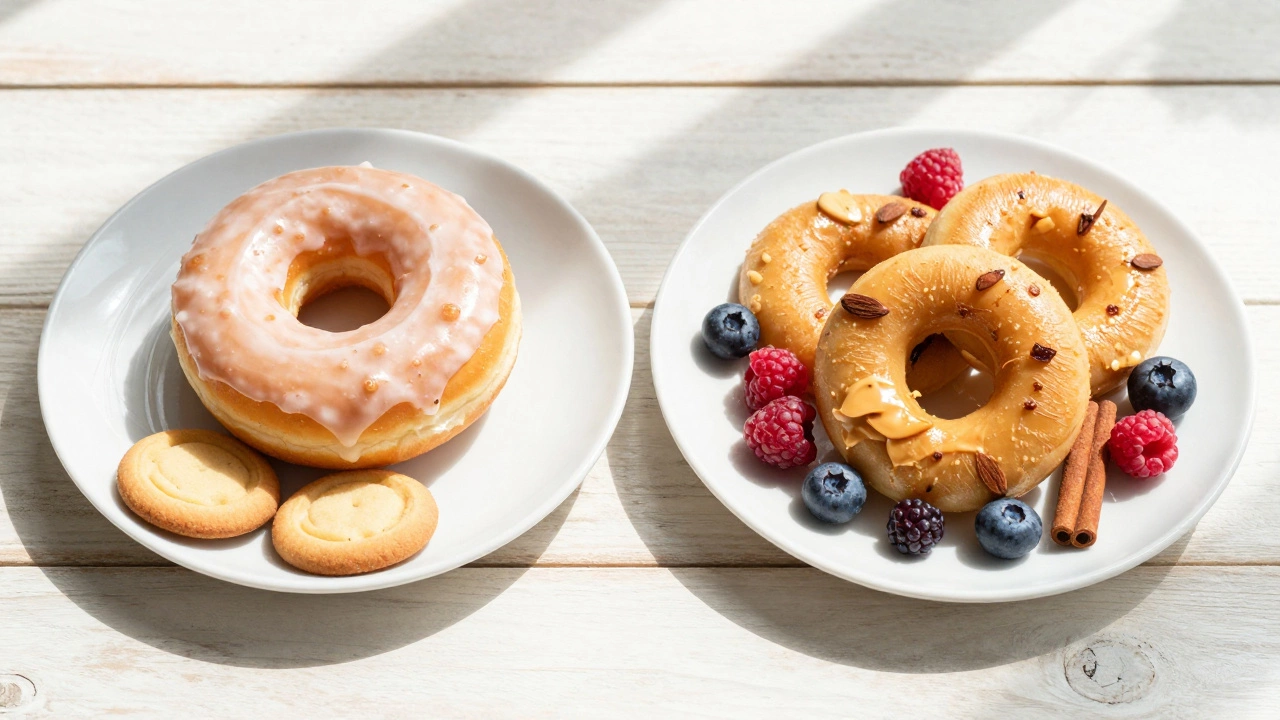
| Glazed Donuts | Contains partially hydrogenated oils and empty calories | Baked apple rings with cinnamon and almond butter |
| Sugar-Free Gummy Bears | Artificial sweeteners disrupt gut health and increase cravings | Frozen banana bites dipped in dark chocolate |
| Cheesecake | High saturated fat and sugar content | Greek yogurt mousse with berries and mint |
| Fruit Roll-Ups | Concentrated sugar, no fiber, artificial colors | Fresh strawberry slices with a dollop of whipped coconut cream |
How to Make Smarter Choices
Avoiding bad desserts isn’t about giving up pleasure. It’s about upgrading your options. Start by reading labels. Look for short ingredient lists with recognizable items. Prioritize desserts with fiber, protein, or healthy fats-these slow sugar absorption and keep you full. Bake at home using whole wheat flour, almond flour, or oat flour instead of white flour. Swap half the sugar for mashed bananas, applesauce, or grated zucchini.
Portion control matters too. A small square of high-quality dark chocolate provides antioxidants and satisfaction without the sugar overload. Share large desserts with friends. Eat dessert after a meal, not on an empty stomach, to blunt the glucose spike. And remember, consistency beats perfection. One indulgent dessert won’t ruin your health, but daily habits will.
Final Thoughts on Sweet Temptations
We live in a world designed to make us overconsume sugar. From vending machines to social media ads, every corner pushes processed sweets. But you have the power to choose differently. By knowing what desserts to avoid, you protect your energy, your mood, and your long-term well-being. Focus on whole-food ingredients, natural sweeteners, and mindful portions. Your body will thank you with sustained vitality, clearer skin, and better sleep. And yes, you’ll still enjoy dessert-just the kind that nourishes rather than depletes.
Are all sugary desserts bad for you?
Not necessarily. Occasional consumption of sugary desserts is fine for most people. The problem arises with frequent, large-portion intake. Choose desserts with natural sugars and pair them with protein or fat to slow absorption. Moderation and context matter more than absolute avoidance.
Can I eat dessert if I have diabetes?
Yes, but carefully. Focus on low-glycemic options like berries, dark chocolate, or nut-based treats. Avoid refined sugars and white flour. Monitor portion sizes and check blood glucose levels afterward. Consult your healthcare provider for personalized advice.
What’s the healthiest dessert option?
Fresh fruit topped with nuts, seeds, or a spoonful of Greek yogurt. It provides fiber, vitamins, healthy fats, and protein. For something richer, try baked pears with cinnamon and walnuts or chia seed pudding made with almond milk and vanilla.
Do artificial sweeteners help with weight loss?
Evidence is mixed. While they reduce calorie intake initially, they may increase cravings and disrupt gut bacteria, potentially leading to weight gain over time. Natural alternatives like stevia or monk fruit are safer, but whole-food desserts remain the best choice for sustainable health.
How often should I indulge in unhealthy desserts?
Aim for once or twice a week at most. Treat these as occasional pleasures, not daily staples. Balance indulgences with nutrient-dense meals throughout the week. Listen to your body-if you feel sluggish or bloated after, scale back next time.
Is homemade dessert always healthier?
Usually, yes. Homemade desserts let you control ingredients, avoiding preservatives, trans fats, and excess sugar. However, recipes vary. A homemade cookie loaded with butter and sugar isn’t automatically healthy. Focus on whole grains, natural sweeteners, and added nutrients like nuts or fruits.
What desserts are safe for gluten-sensitive individuals?
Many naturally gluten-free desserts exist, such as fruit salads, rice pudding, cornstarch-based puddings, and almond flour cakes. Always verify labels for cross-contamination if celiac disease is a concern. Avoid wheat-based crusts, breading, and thickeners.
Can I replace sugar with honey in baking?
Yes, but adjust quantities. Honey is sweeter and wetter than sugar. Use about ¾ cup honey for every 1 cup of sugar, and reduce other liquids in the recipe by 2-3 tablespoons. Lower oven temperature by 25°F to prevent over-browning.