
The Ultimate Comfort Food Calculator
Analyze Your Dish
Ready to Analyze
Fill out the form to discover why your dish makes the list.
Ask ten people what the best dish ever is, and you will get ten different answers. One person will swear by their grandmother’s lasagna. Another will claim that a perfect bowl of ramen changes lives. A third might argue that nothing beats a simple grilled cheese on a rainy Tuesday. There is no single scientific fact that declares one meal the ultimate winner. However, there is a pattern. The dishes we call "the best" share specific traits: they trigger deep emotional memories, they balance flavors in a satisfying way, and they often require a touch of care to make.
This isn't just about hunger. It is about connection. When we talk about the best dish ever, we are usually talking about the last time we felt truly cared for. In this guide, we explore why certain foods stick with us, look at the top contenders from around the world, and show you how to recreate that magic in your own kitchen.
The Psychology Behind Our Favorite Meals
Why do some meals feel like a hug while others are just fuel? It comes down to something called the Proustian effect. This is when a smell or taste triggers a vivid memory. If you grew up eating chicken soup when you were sick, that specific blend of carrots, celery, and broth will always taste better than any fancy restaurant version. Your brain links the flavor to safety and comfort.
Beyond memory, there is chemistry. The best dishes usually hit a sweet spot between fat, salt, and carbohydrates. Think about pizza. You have the salty cured meat, the fatty cheese, and the carb-heavy crust. This combination releases dopamine in the brain. It feels good. But if every meal was just high-fat and high-salt, we would get bored. The "best" dishes also have contrast. Acid cuts through fat (like lemon on fish). Heat balances sweetness (like chili in chocolate). Texture matters too. A creamy risotto needs a crunchy breadcrumb topping. A soft burger needs a crisp bun. Without these contrasts, even delicious food can feel flat.
Global Contenders for the Title
If we look at food surveys and cultural impact, a few dishes consistently rise to the top. These aren't just popular; they are foundational to how many cultures view hospitality and love.
| Dish | Origin | Key Flavor Profile | Why It Wins |
|---|---|---|---|
| Pizza Napoletana | Italy | Savory, tangy, chewy | Perfectly balanced simplicity; sharesable nature |
| Japanese Ramen | Japan | Umami-rich, brothy, comforting | Deep complexity; warm and soothing in cold weather |
| Indian Butter Chicken | India | Creamy, spiced, slightly sweet | Rich texture; pairs perfectly with rice or naan |
| French Coq au Vin | France | Earthy, wine-infused, tender | Slow-cooked depth; feels luxurious yet rustic |
| Mexican Mole Poblano | Mexico | Complex, spicy, chocolate-hinted | Incredible layering of spices; festive tradition |
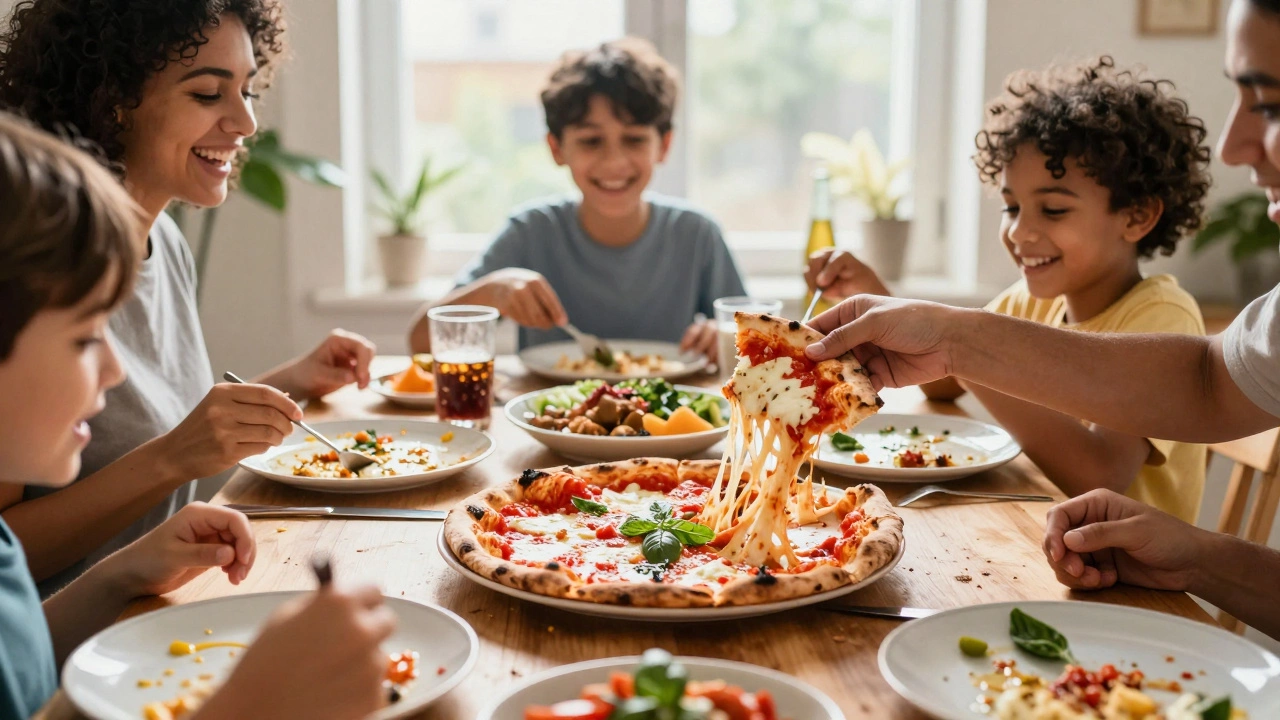
Pizza, specifically Neapolitan style, often wins global polls. Why? Because it is accessible. It doesn't require exotic ingredients. Just flour, water, yeast, tomatoes, and cheese. Yet, getting it right is hard. The dough needs time to ferment. The oven needs intense heat. When done well, it is light, airy, and deeply flavorful. It represents the joy of sharing. You rarely eat a whole pizza alone. It brings people together.
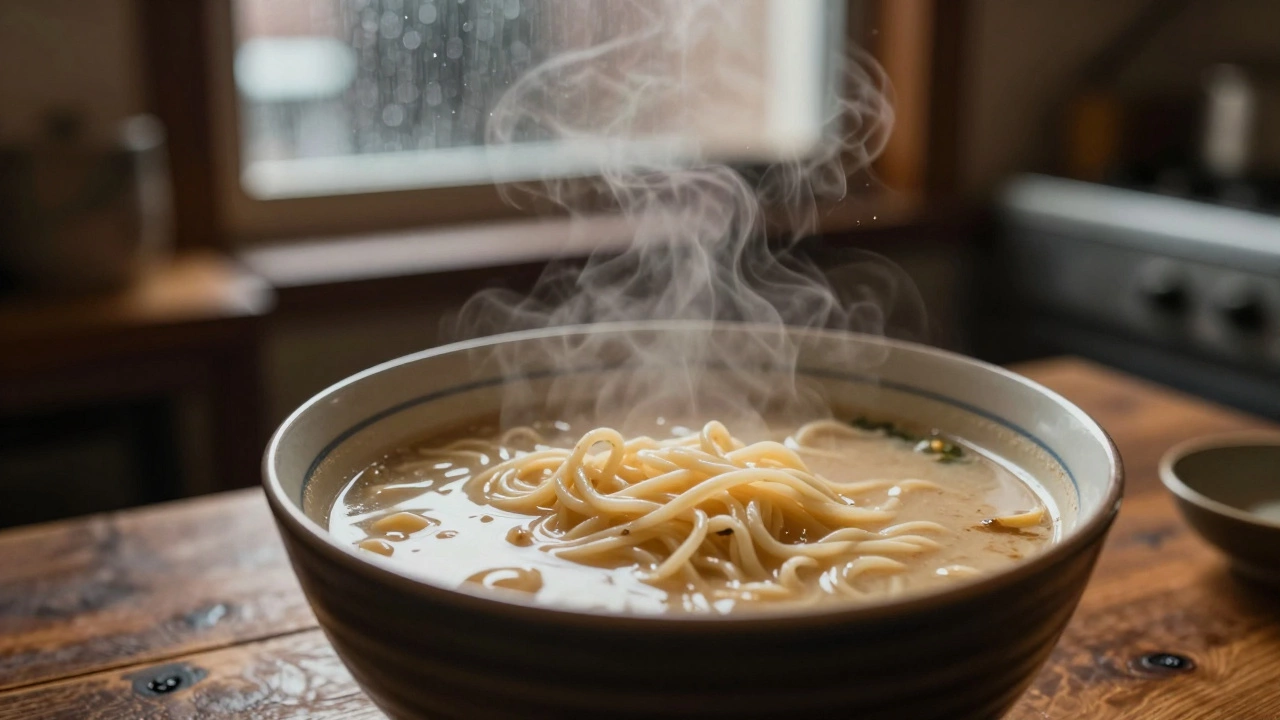
Ramen takes a different approach. It is about patience. A proper tonkotsu broth simmers for twelve hours or more. The pork bones break down into a milky, rich liquid packed with collagen. That richness coats the throat and warms the body. For many, especially in colder climates like Manchester where I live, a hot bowl of ramen is the definition of comfort. It is solitary but not lonely. It is a moment of pause.
The Role of Technique in Greatness
You can buy expensive ingredients, but technique makes the dish. Many home cooks think the secret to the best meal is truffle oil or wagyu beef. Usually, it is not. It is knowing how to handle heat and time.
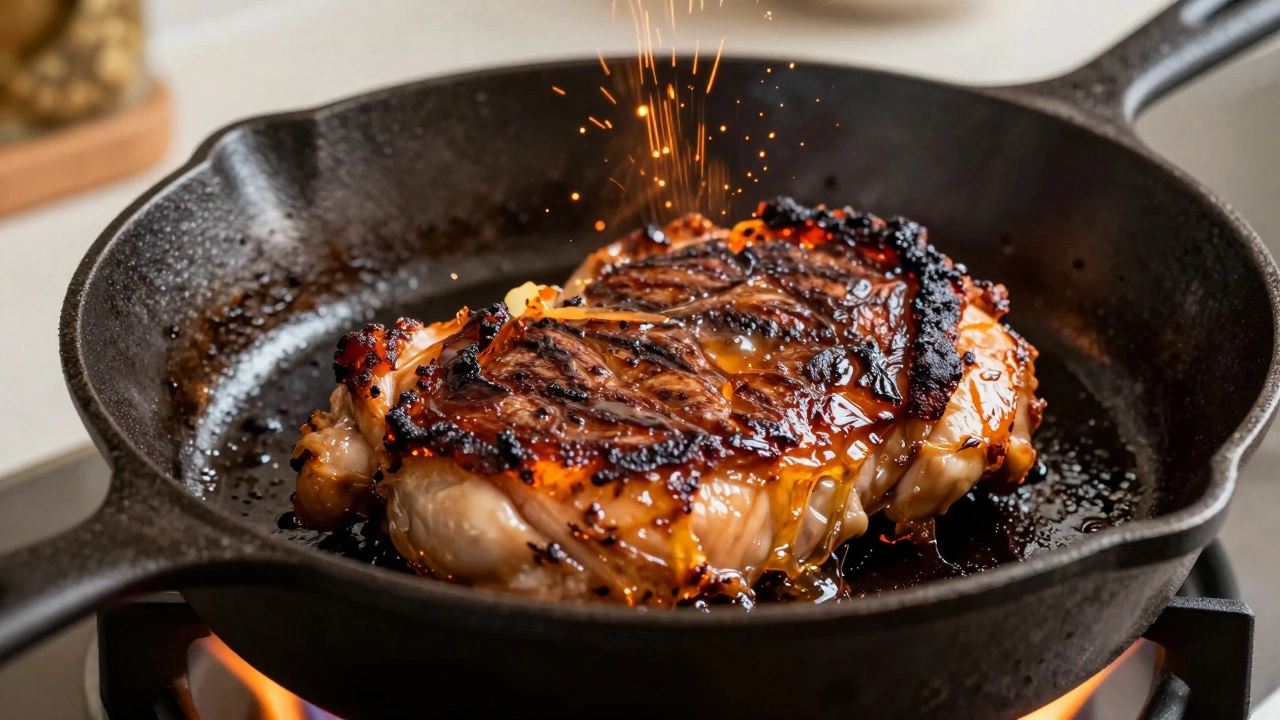
Take searing. When you cook a steak or a piece of chicken, you want a brown crust. This is the Maillard reaction. It creates hundreds of new flavor compounds that don't exist in raw meat. If you crowd the pan, the temperature drops, and you steam the food instead of browning it. Steamed chicken tastes bland. Searred chicken tastes savory and complex. This small step separates a good dinner from a great one.
Another key technique is resting. After roasting a chicken or baking a cake, you must let it rest. If you cut into a roast immediately, all the juices run out onto the plate. The meat becomes dry. By waiting ten minutes, the juices redistribute. The result is moist, tender meat. It seems simple, but skipping this step ruins many otherwise perfect dishes.
Recreating Comfort at Home
You don't need a professional kitchen to make the best dish ever. You need attention to detail. Here are three principles to elevate your everyday cooking.
- Season in layers. Don't just add salt at the end. Salt the onions as they sweat. Salt the pasta water. Season the meat before it hits the pan. Each layer builds depth. At the end, taste and adjust. Most restaurant food tastes better because it is properly seasoned throughout the process, not just on top.
- Use acid wisely. If your dish feels heavy or dull, it probably needs acid. A splash of vinegar in a stew brightens the flavors. Lemon juice over fish makes it taste fresher. Acid wakes up the palate. Keep a bottle of white wine vinegar and some lemons on hand. They are cheap insurance against boring food.
- Embrace imperfection. The best comfort food isn't Instagram-perfect. It is messy. It is eaten with hands. It spills. When you cook for yourself or loved ones, focus on the experience, not the presentation. A burnt edge on a grilled cheese adds crunch. A broken sauce can be fixed with a whisk and a bit of butter. Cooking is forgiving if you stay curious.
Why Nostalgia Beats Novelty
We live in an age of food trends. Every year, there is a new superfood or viral recipe. But trends fade. Classics remain. The reason macaroni and cheese has been popular for decades is not because it is healthy. It is because it is consistent. It delivers what it promises every time.
When deciding what to cook, ask yourself: What did I eat when I was happy? Was it birthday cake? Sunday roast? Street tacos? Revisit those flavors. Modernize them if you want-use higher quality ingredients, add a fresh herb garnish-but keep the core identity intact. The best dish ever is subjective, but it is always personal. It is the meal that tells you, "You are safe here."
Finding Your Personal Winner
To find your own answer, try a "taste test" weekend. Pick three dishes from different cultures that sound appealing. Cook them from scratch. Pay attention to how you feel while eating them. Do you feel energized? Relaxed? Happy? Note which one lingers in your mind the next day. That lingering feeling is your clue. The best dish is the one that stays with you long after the plate is clean.
Is there scientifically a best tasting food?
No single food is scientifically proven to be the "best" because taste is highly subjective and influenced by genetics, culture, and memory. However, foods that combine fat, salt, and carbs often trigger strong dopamine responses, making them universally appealing to many people.
What makes a dish feel like comfort food?
Comfort food typically features warm temperatures, soft textures, and familiar flavors associated with positive memories. Ingredients like dairy, grains, and slow-cooked meats are common because they provide satiety and a sense of security.
How can I improve my home cooking quickly?
Focus on seasoning in layers, using acid to brighten flavors, and mastering basic techniques like searing and resting meat. These small adjustments have a bigger impact than buying expensive ingredients.
Why does homemade food often taste better than restaurant food?
Homemade food often tastes better due to the emotional connection and nostalgia involved. Additionally, home cooks may use higher quality, fresher ingredients without preservatives, and tailor flavors to personal preference rather than mass appeal.
What is the most popular dish in the world?
Pizza is widely considered the most popular dish globally due to its versatility, accessibility, and cross-cultural appeal. Other top contenders include pasta, sushi, and burgers, depending on the region and demographic surveyed.