
Satiety Meal Calculator
Ever eaten a massive plate of pasta only to be hungry again two hours later? You are not alone. We have all been there-stuffed after dinner, then raiding the fridge before bed because that carb-heavy load vanished from our stomachs like smoke. If you are looking for the most filling meal, the answer isn’t just about portion size. It is about biology.
We spend hours planning family dinners, trying to hit the sweet spot where everyone is satisfied, energy levels stay steady, and nobody asks for seconds (or thirds) an hour later. The secret lies in understanding what actually signals your brain to stop eating. It is not just calories; it is the combination of protein, fiber, and water content that creates true satiety.
The Anatomy of a Full Stomach
To find the most filling meal, we first need to understand why some foods keep us full while others don’t. This comes down to three main factors: volume, nutrient density, and digestion speed.
Volume matters more than you might think. A bowl of vegetable soup takes up more space in your stomach than a slice of pizza with the same calorie count. Your stomach has stretch receptors that send signals to your brain saying, "Hey, I am full." When you eat low-volume, high-calorie foods like nuts or cheese, those receptors barely twitch. But when you eat high-water-content foods like soups, salads, and fruits, you physically fill up without overloading on energy.
Then there is the Satiety Index. Researchers at the University of Sydney conducted a famous study where they fed people different breakfasts and asked them to rate their hunger levels every 15 minutes. Boiled potatoes scored highest-not because they are exciting, but because they digest slowly and provide sustained energy. Eggs came in second. White bread? It crashed hard. Understanding this helps us build meals that last.
The Golden Trio: Protein, Fiber, and Fat
If you want to construct the ultimate filling meal, you need to balance three macronutrients. Think of them as a team working together to keep hunger at bay.
- Protein is the king of satiety. It reduces levels of ghrelin (the hunger hormone) and boosts peptide YY (a hormone that makes you feel full). Aim for at least 20-30 grams per meal. Chicken breast, lentils, Greek yogurt, and tofu are excellent sources.
- Fiber is the slow-digesting filler. Soluble fiber absorbs water and forms a gel in your gut, slowing down digestion. Insoluble fiber adds bulk. Vegetables, legumes, whole grains, and berries are packed with it.
- Healthy Fats are the satisfaction anchors. Fat slows gastric emptying, meaning food stays in your stomach longer. Avocado, olive oil, nuts, and seeds add richness and prolong fullness.
A meal lacking one of these will likely leave you wanting more. For example, a salad with no protein or fat might taste healthy, but you will be hungry in an hour. Add grilled chicken and an avocado dressing, and suddenly it becomes a meal that lasts until bedtime.
Top Contenders for the Most Filling Meal
So, what does this look like on a plate? Here are some specific meal ideas that maximize satiety while keeping things delicious and family-friendly.
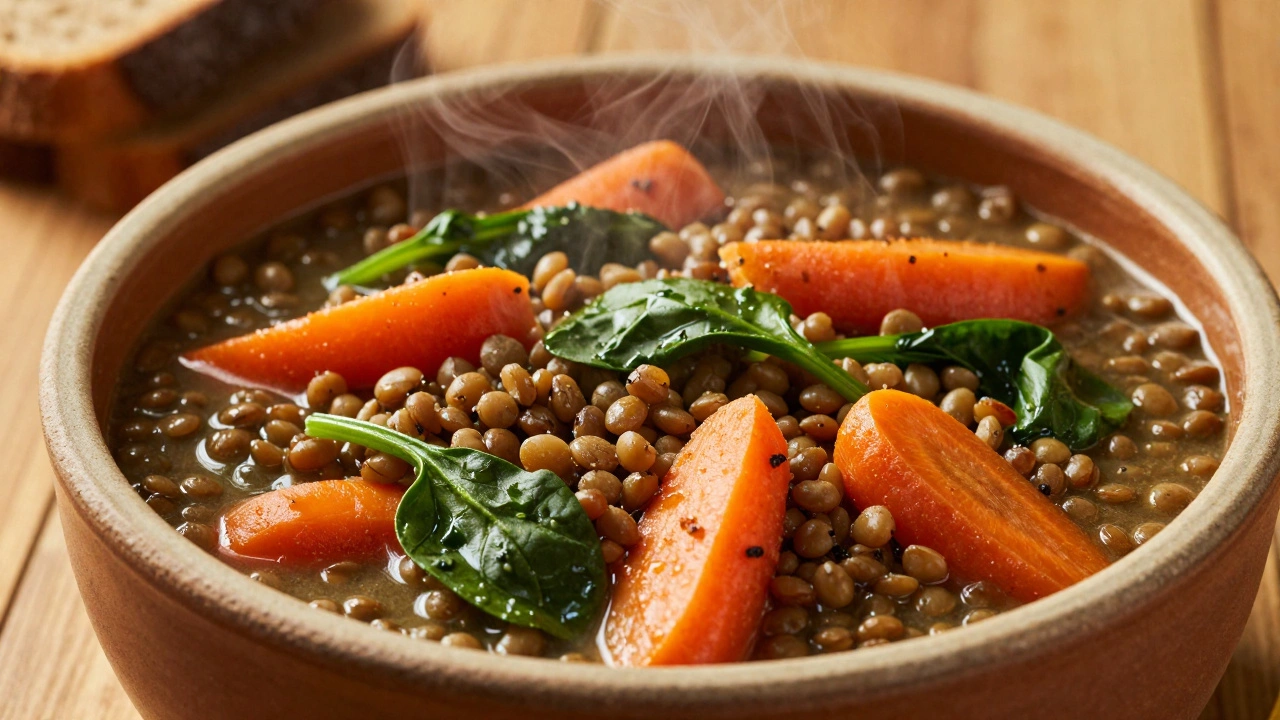
1. Lentil and Vegetable Stew
Lentils are a powerhouse. They are loaded with both protein and fiber. A hearty stew made with brown or green lentils, carrots, celery, onions, and spinach offers incredible volume and nutrient density. The liquid base adds volume, stretching the stomach walls, while the lentils provide slow-release energy. Serve this with a small side of whole-grain bread for dipping, and you have a meal that can easily last four to five hours.
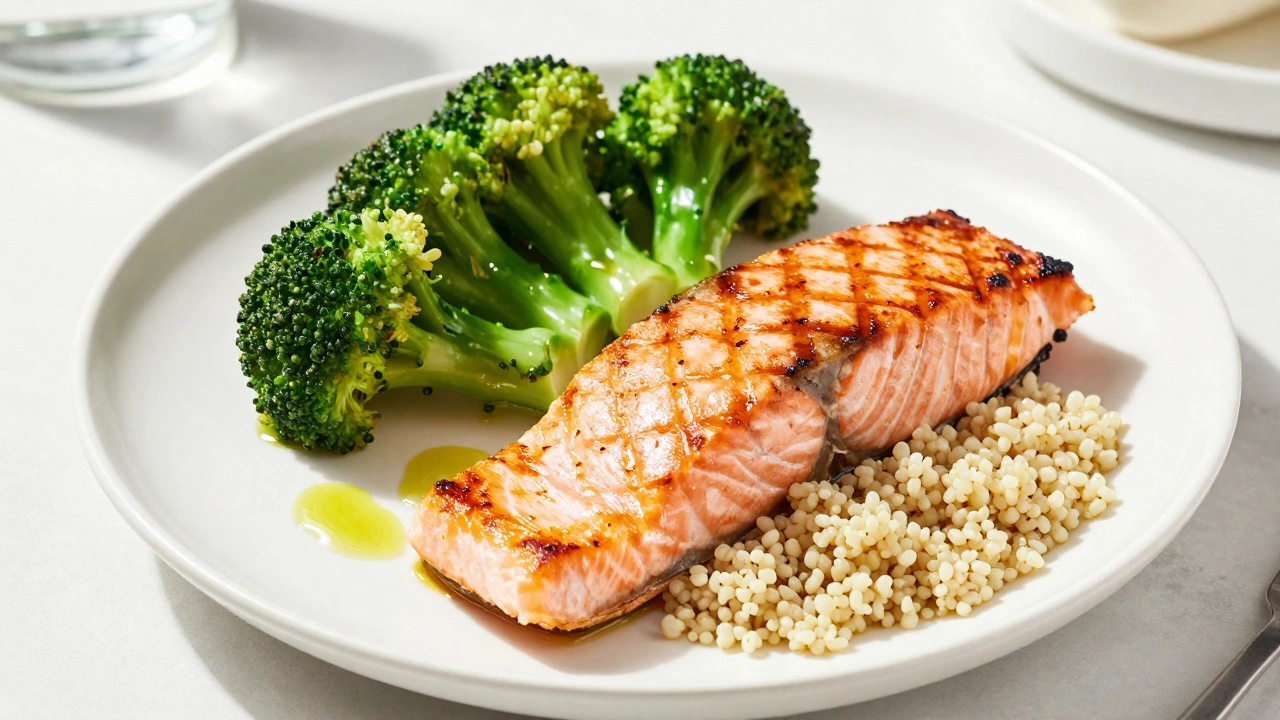
2. Grilled Salmon with Quinoa and Roasted Broccoli
Fatty fish like salmon provides omega-3 fatty acids which help regulate appetite hormones. Pair it with quinoa, a complete protein grain, and roasted broccoli, which is high in fiber and water content. This combination hits all the right notes: high-quality protein, complex carbs, and fibrous vegetables. It is elegant enough for a nice night in but simple enough for a busy weeknight.
3. Chickpea and Spinach Curry
Chickpeas are another legume superstar. They are dense, chewy, and take time to digest. Cooking them in a tomato-based curry with turmeric, cumin, and fresh spinach creates a flavorful dish that is incredibly satisfying. The spices also play a role; studies suggest that spicy foods can slightly increase metabolism and reduce appetite. Serve this over cauliflower rice if you want to boost volume further without adding too many carbs.
4. Turkey and Sweet Potato Bowl
Sweet potatoes have a lower glycemic index than white potatoes, meaning they release sugar into your bloodstream more slowly. Combined with lean ground turkey and a mix of sautéed kale and bell peppers, this bowl provides a balanced mix of macros. The sweetness of the potato satisfies cravings, while the protein and greens keep you grounded.
| Ingredient | Protein (per 100g) | Fiber (per 100g) | Satiety Score (High/Med/Low) | Digestion Speed |
|---|---|---|---|---|
| White Rice | 2.7g | 0.4g | Low | Fast |
| Brown Lentils | 9.0g | 7.9g | High | Slow |
| Chicken Breast | 31g | 0g | High | Medium |
| Broccoli | 2.8g | 2.6g | Medium | Medium |
| Avocado | 2.0g | 6.7g | High | Slow |
Hydration: The Hidden Factor
Often, we mistake thirst for hunger. Before reaching for a snack, drink a large glass of water. Incorporating water-rich foods into your meals is another strategy. Cucumbers, zucchini, tomatoes, and melons are over 90% water. Adding these to your dishes increases the total volume of food you eat without significantly increasing calories. A big salad with lots of leafy greens and cucumbers, topped with a protein source, is a classic way to achieve this.
Also, consider starting your meal with a broth-based soup or a glass of water. Studies show that consuming liquid calories (like soda or juice) does not register as "fullness" in the brain as well as solid food does. However, drinking water *before* a meal can reduce overall intake by making you feel fuller faster.
Mindful Eating Practices
Even the most filling meal won’t work if you inhale it in five minutes. It takes approximately 20 minutes for your brain to receive the signal from your gut that you are full. If you eat quickly, you are likely to overeat before that signal arrives.
Try these simple techniques:
- Put your fork down between bites.
- Chew thoroughly. This aids digestion and gives your brain more time to process.
- Eliminate distractions. No phones or TV during dinner. Focus on the taste and texture of the food.
- Use smaller plates. It sounds counterintuitive, but a half-full large plate looks less satisfying than a full small plate, tricking your brain into feeling more rewarded.
Customizing for Your Family
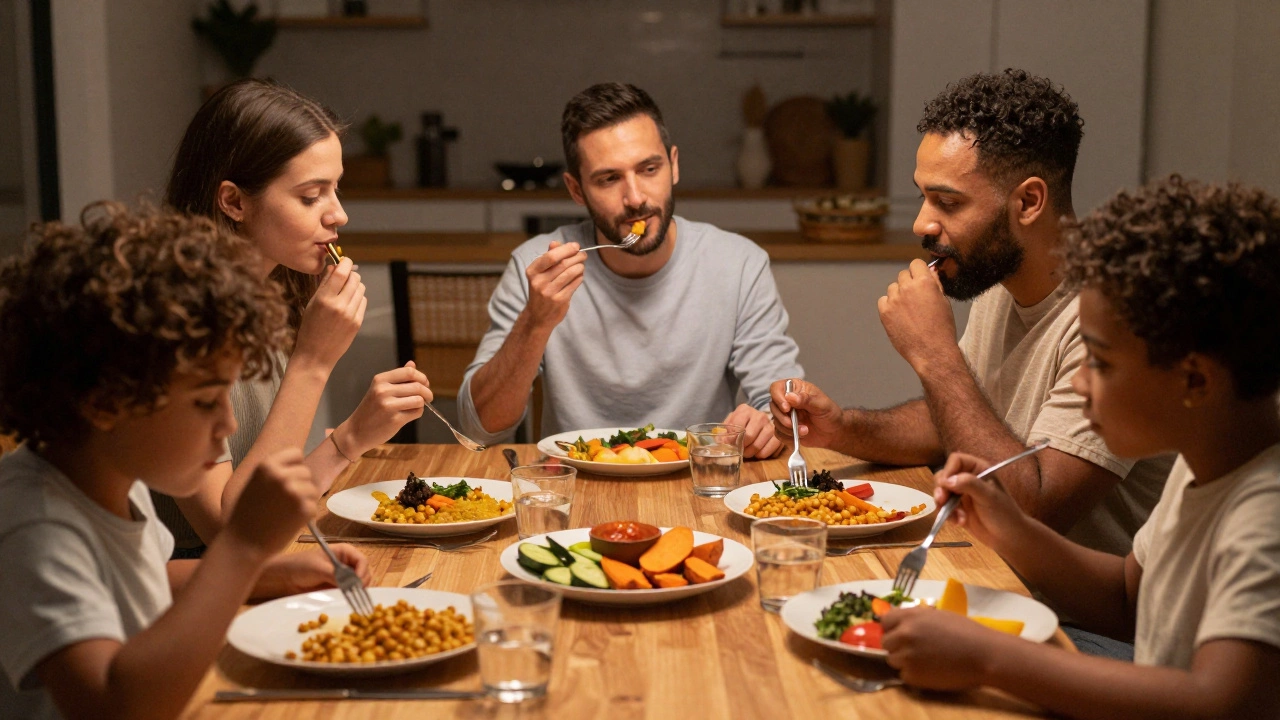
Every family is different. Kids might need more carbohydrates for energy, while adults might benefit from higher protein intakes to maintain muscle mass. The key is flexibility. If your child refuses lentils, try hiding them in a bolognese sauce. If your partner loves carbs, swap white pasta for chickpea pasta, which has significantly more protein and fiber.
Experiment with textures. Crunchy elements like nuts or seeds can add satisfaction without adding much volume. Creamy elements like hummus or guacamole provide fat and richness. Variety keeps meals interesting and prevents palate fatigue, which can sometimes lead to overeating.
Common Mistakes to Avoid
One major error is relying solely on "healthy" fats like nuts and avocados for fullness. While nutritious, they are calorie-dense and low in volume. A handful of almonds might satisfy a craving momentarily, but it won’t keep you full for hours. Always pair fats with fiber and protein.
Another mistake is skipping breakfast or lunch to "save" calories for dinner. This often leads to extreme hunger, causing you to make poor food choices and overeat at night. Regular, balanced meals throughout the day help regulate blood sugar and prevent bingeing.
Finally, avoid highly processed foods labeled "low fat." These products often replace fat with sugar or refined carbohydrates to improve taste. Sugar spikes insulin, which can lead to a rapid drop in blood sugar and renewed hunger shortly after eating.
What is the single most filling food?
According to the Satiety Index study, boiled potatoes are the most filling food per calorie. However, for a complete meal, a combination of lean protein (like chicken or fish), high-fiber vegetables (like broccoli or lentils), and healthy fats (like olive oil or avocado) creates the longest-lasting sense of fullness.
Why do I get hungry so fast after eating carbs?
Refined carbohydrates like white bread, pasta, and sugary snacks cause a rapid spike in blood sugar. Your body releases insulin to manage this spike, which can lead to a subsequent crash in blood sugar levels. This drop triggers hunger signals in your brain, making you crave more food quickly. Opting for complex carbs like whole grains, legumes, and vegetables helps stabilize blood sugar.
Can drinking water help me feel full?
Yes. Drinking water before or during a meal can add volume to your stomach, triggering stretch receptors that signal fullness. Additionally, many people confuse thirst with hunger. Ensuring you are hydrated can prevent unnecessary snacking.
What are good high-protein vegetarian meals?
Excellent vegetarian options include lentil stews, chickpea curries, tofu stir-fries, bean burgers, and quinoa bowls with black beans. Greek yogurt parfaits with nuts and seeds are also great for breakfast or snacks. These foods provide substantial protein and fiber to keep you satiated.
How long should a meal keep me full?
A balanced meal containing protein, fiber, and healthy fats should typically keep you full for 3 to 5 hours. If you are hungry sooner, consider adding more fiber-rich vegetables or increasing the protein portion in your next meal. Individual metabolism and activity levels also play a role.