
Sweet Roots Timeline Explorer
Explore the rich history of iconic American desserts with roots in African American culture. Click through each era to discover how these beloved treats came to be.
Dessert Name
Description goes here.
When you think of the sweet treats that define American comfort food, names like pecan pie, banana pudding, and red velvet cake usually come to mind. But how often do we pause to ask who actually put these ingredients together in the first place? The truth is, many of the most beloved desserts in the United States were born from the ingenuity, resilience, and creativity of Black cooks, chefs, and home bakers. These aren't just recipes; they are edible histories that tell stories of migration, resourcefulness, and cultural fusion.
For centuries, enslaved Africans brought with them a deep knowledge of cooking techniques, spices, and ingredients that would fundamentally reshape Southern cuisine. When forced into bondage, they adapted their culinary traditions using what was available, creating dishes that were not only delicious but also served as a form of resistance and identity preservation. Today, understanding the origins of these desserts helps us appreciate the depth of African American culinary heritage, which is a rich tapestry of flavors and techniques developed through centuries of adaptation and innovation. It’s time to give credit where it’s due and explore the specific desserts that Black people created or significantly transformed.
The Birth of Pecan Pie in the South
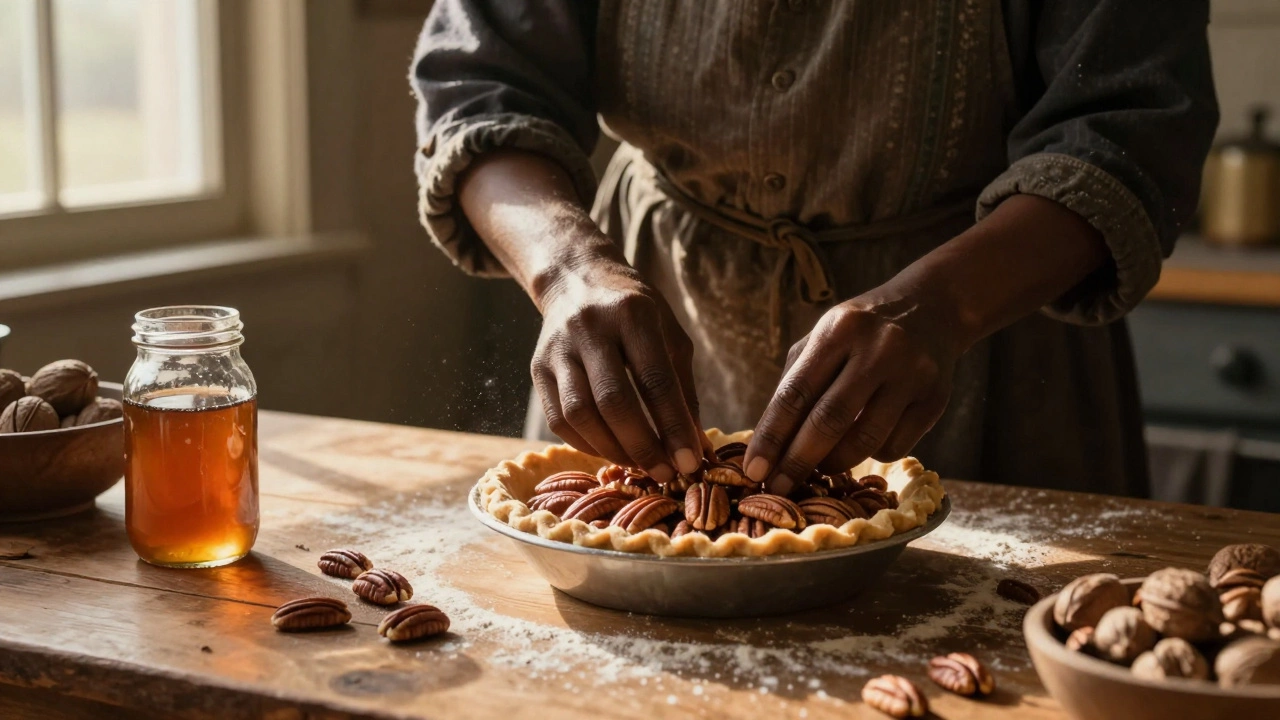
If there is one dessert that screams "Southern hospitality," it’s pecan pie. Yet, its roots are deeply tied to the labor and creativity of Black cooks in the antebellum South. Pecans are native to North America, growing wild along riverbanks from Texas to Maine. However, it was enslaved Africans who recognized the potential of these nuts and began incorporating them into their cooking. They had long used similar nuts in West African cuisines, so the transition felt natural.
Before pecan pie became a staple at Thanksgiving tables across the country, it was known simply as "pecan tart" or "nut pie." Enslaved cooks experimented with corn syrup-a byproduct of sugar refining-and combined it with eggs, butter, and pecans to create a filling that was both rich and affordable. This wasn’t just about making something sweet; it was about maximizing limited resources. By using leftover crusts and abundant local nuts, they created a dish that could feed large families without wasting ingredients.
One fascinating detail is that early versions of this pie didn’t always have the gooey texture we know today. Some historical accounts suggest that the original recipes were drier, more like a crumbly tart. Over time, as corn syrup production increased and became cheaper, the filling evolved into the sticky, caramel-like consistency we associate with modern pecan pie. This evolution shows how economic factors influenced culinary development, but it also highlights the role of Black cooks in perfecting the balance between sweetness and nuttiness.
- Key Ingredient: Corn syrup (later replaced partially by maple syrup or honey in modern variations)
- Origin Story: Adapted from West African nut-based desserts using locally grown pecans
- Cultural Impact: Became a symbol of Southern hospitality and family gatherings
Banana Pudding: A Depression-Era Classic
Move forward a few decades to the Great Depression, and you’ll find another iconic dessert emerging from Black kitchens: banana pudding. While bananas weren’t native to the American South, they became widely available in the early 20th century due to improved transportation networks. For Black families struggling during hard times, bananas offered an inexpensive yet nutritious option for creating something special.
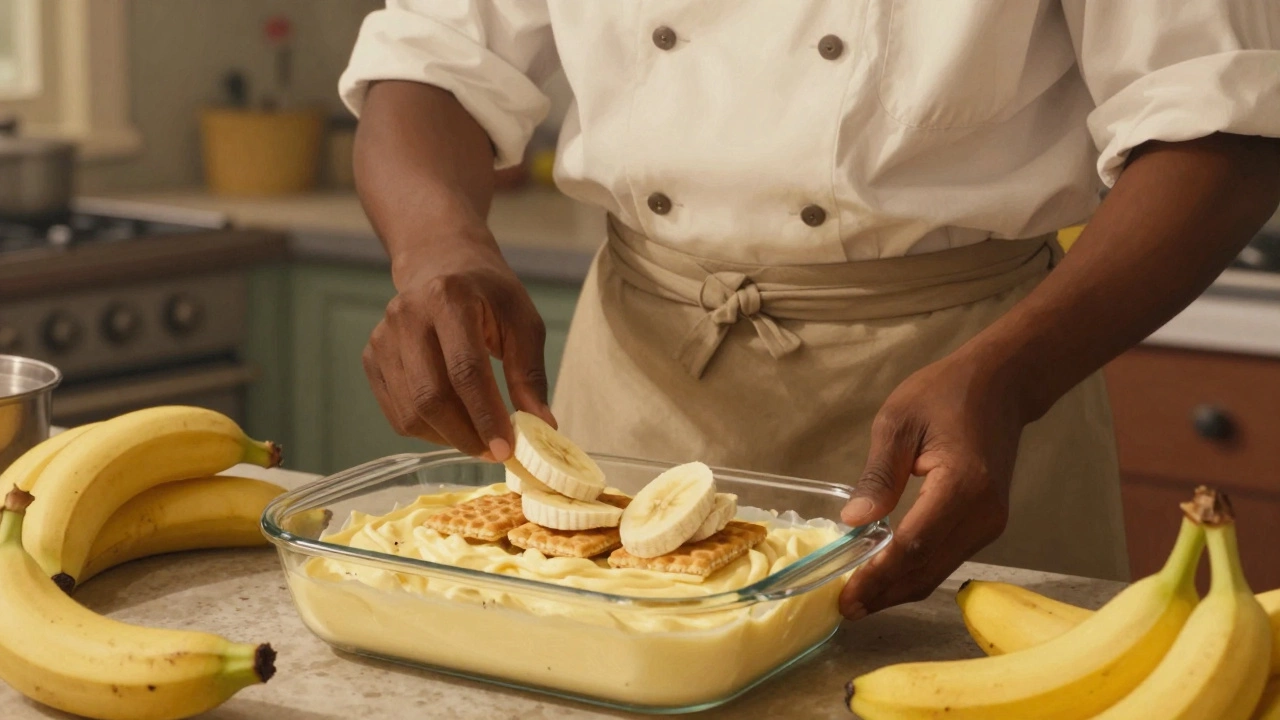
The story goes that a Black cook named Mary Landis created the first version of banana pudding in Memphis, Tennessee, around the 1930s. She layered sliced bananas with vanilla wafers and creamy custard, creating a no-bake dessert that required minimal effort but delivered maximum satisfaction. What made this recipe revolutionary was its simplicity. During a time when fresh fruit was scarce and expensive, bananas provided a reliable source of sweetness and flavor.
What’s interesting about banana pudding is how it reflects broader social changes. As Black communities moved northward during the Great Migration, they carried their recipes with them. Banana pudding spread beyond the South, becoming popular in cities like Chicago, Detroit, and New York. Each region added its own twist-some preferred whipped cream instead of meringue, while others substituted graham crackers for vanilla wafers. Despite these variations, the core concept remained the same: layering simple ingredients to create something extraordinary.
| Era | Main Ingredients | Topping Style |
|---|---|---|
| 1930s Original | Fresh bananas, vanilla wafers, custard | Meringue |
| Post-WWII | Canned bananas, Nilla wafers, instant pudding mix | Whipped topping |
| Modern Variations | Organic bananas, gluten-free cookies, dairy-free custard | Chocolate shavings or caramel drizzle |
Red Velvet Cake: From Humble Beginnings to Icon Status
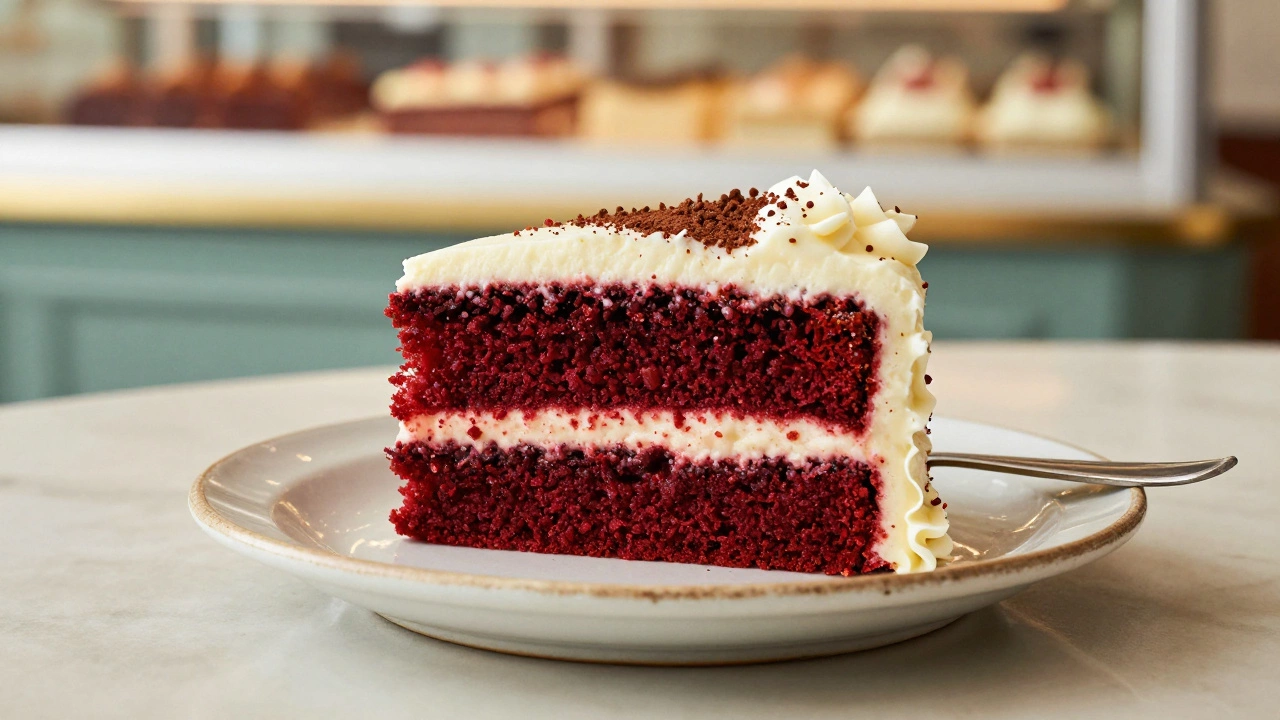
Now let’s talk about red velvet cake, a dessert that has become synonymous with celebrations everywhere. But did you know that its origins trace back to Black-owned bakeries in the mid-20th century? Before red dye No. 40 existed, the vibrant color came from a chemical reaction between cocoa powder and buttermilk. This natural reddish hue gave the cake its distinctive appearance, even though it looked nothing like the bright red cakes we see today.
In the 1940s and 1950s, several Black-owned confectioneries started experimenting with this technique. One notable example is the Magnolia Bakery in Harlem, which gained fame for its unique take on red velvet cake. Unlike traditional chocolate cakes, red velvet relied heavily on buttermilk and vinegar to enhance the tangy flavor profile. This combination resulted in a moist, tender crumb that stood out among other baked goods of the era.
As commercial food coloring became more accessible, bakers began adding artificial red dye to intensify the visual appeal. While some purists argue that this detracts from the authenticity of the recipe, there’s no denying that red velvet cake captured the imagination of consumers nationwide. Its popularity soared after being featured in magazines and television shows, cementing its status as a classic American dessert.
- Original Color Source: Reaction between cocoa powder and acidic ingredients like buttermilk
- Flavor Profile: Tangy, slightly sweet, with subtle hints of chocolate
- Modern Twist: Use of beet juice or food coloring for deeper red tones
Sweet Potato Pie: Celebrating Heritage Through Flavor
No discussion of Black-created desserts would be complete without mentioning sweet potato pie. Often mistaken for pumpkin pie, sweet potato pie holds a special place in African American culture because it connects directly to ancestral farming practices. Sweet potatoes were originally cultivated in Central and South America but were introduced to Africa by European explorers. Enslaved Africans quickly adopted them as a staple crop, recognizing their nutritional value and versatility.
In the post-emancipation period, sweet potatoes became a symbol of self-sufficiency for newly freed communities. Families grew them in backyard gardens and used them to make pies that celebrated their independence. The preparation process involved roasting the tubers until soft, then mashing them with sugar, spices, and sometimes molasses. The result was a dense, flavorful pie that tasted distinctly different from its pumpkin counterpart.
Today, sweet potato pie remains a centerpiece at holiday meals throughout the Black community. It represents continuity and pride in heritage. Many families pass down secret recipes handed over generations, each variation reflecting personal preferences and regional influences. Whether topped with marshmallows or served plain, sweet potato pie continues to evoke nostalgia and joy.
Conclusion: Honoring Culinary Legacy
These desserts-pecan pie, banana pudding, red velvet cake, and sweet potato pie-are more than just tasty treats. They represent the creativity, perseverance, and cultural contributions of Black individuals who shaped American cuisine. By acknowledging their origins, we honor the legacy of those who came before us and ensure that future generations understand the importance of diversity in food culture.
So next time you enjoy a slice of pecan pie or dig into a bowl of banana pudding, take a moment to reflect on the journey these desserts took to reach your plate. And perhaps consider trying your hand at recreating one of these classics yourself-you might discover new layers of meaning along the way.
Who invented pecan pie?
While no single person can claim invention, pecan pie was developed by enslaved Africans in the South who combined native pecans with corn syrup and other available ingredients.
Why is banana pudding associated with Black culture?
Banana pudding became popular among Black families during the Great Depression due to its affordability and ease of preparation. It later spread across the country via the Great Migration.
How did red velvet cake get its name?
The name comes from the reddish tint produced by the reaction between cocoa powder and buttermilk. Later, artificial food coloring enhanced the effect.
Is sweet potato pie the same as pumpkin pie?
No, although they share similarities. Sweet potato pie uses mashed sweet potatoes instead of pumpkin puree, resulting in a denser texture and sweeter taste.
Where can I find authentic recipes for these desserts?
Look for cookbooks authored by Black chefs or historians specializing in African American cuisine. Online platforms featuring user-generated content may also offer valuable insights.