
Most of us treat breakfast like an afterthought. We grab a sugary granola bar on the way out the door, or worse, skip it entirely because we’re “not hungry.” But what if that quick fix is actually sabotaging your energy levels, your mood, and even your long-term health? The truth is, there isn’t one single magic bowl that works for everyone. However, nutrition science points to a very specific formula for the healthiest breakfast you can eat every day without getting bored.
The goal isn't just to fill your stomach; it's to stabilize your blood sugar, keep you full until lunch, and provide steady fuel for your brain. If you’ve ever experienced that mid-morning crash where you reach for coffee number three or snack on junk food, your breakfast likely lacked the right balance of nutrients. Let’s break down exactly what that plate should look like, why it matters, and how to build it quickly in the morning.
The Golden Rule: Protein, Fiber, and Healthy Fats
If you take nothing else from this guide, remember this trio: protein, fiber, and healthy fats. This combination is the holy grail of morning meals. Here is why each component is non-negotiable.
Protein is the building block of muscle and a key driver of satiety (feeling full). When you eat protein first thing in the morning, it triggers hormones that signal to your brain that you are satisfied. Studies consistently show that high-protein breakfasts lead to lower calorie intake later in the day. Without enough protein, you’re more likely to overeat at lunch.
Fiber is a type of carbohydrate that your body cannot digest, found in plants. It slows down digestion, preventing rapid spikes in blood sugar. Think of fiber as a brake pedal for your glucose levels. Soluble fiber, found in oats and apples, also helps lower cholesterol.
Healthy Fats are nutrients essential for brain function and hormone production. Unlike carbs, fats don’t cause insulin spikes. They provide sustained energy. Sources like avocado, nuts, seeds, and olive oil make your meal feel richer and more satisfying.
When you combine these three, you create a metabolic buffer. Your energy stays stable, your cravings stay low, and your focus remains sharp. Most traditional breakfasts fail because they are heavy on refined carbohydrates (toast, cereal, pastries) and light on protein and fat.
Top 5 Daily Breakfast Templates
You don’t need a new recipe every day. You need a system. Here are five reliable templates that hit the protein-fiber-fat trifecta. Rotate through them to keep things interesting while maintaining nutritional consistency.
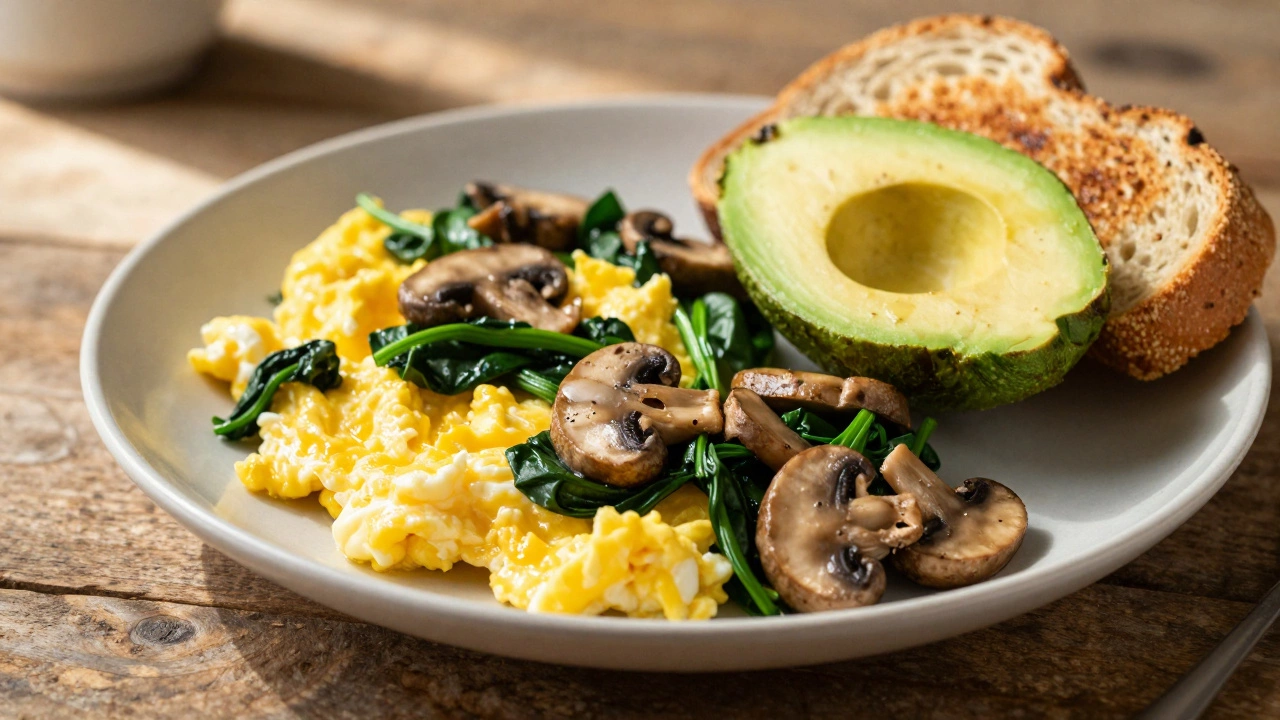
- The Savory Egg Plate: Two eggs (or egg whites if you prefer less cholesterol) scrambled with spinach and mushrooms, served with half an avocado and a slice of whole-grain toast. This provides about 20g of protein, 10g of fiber, and plenty of heart-healthy fats.
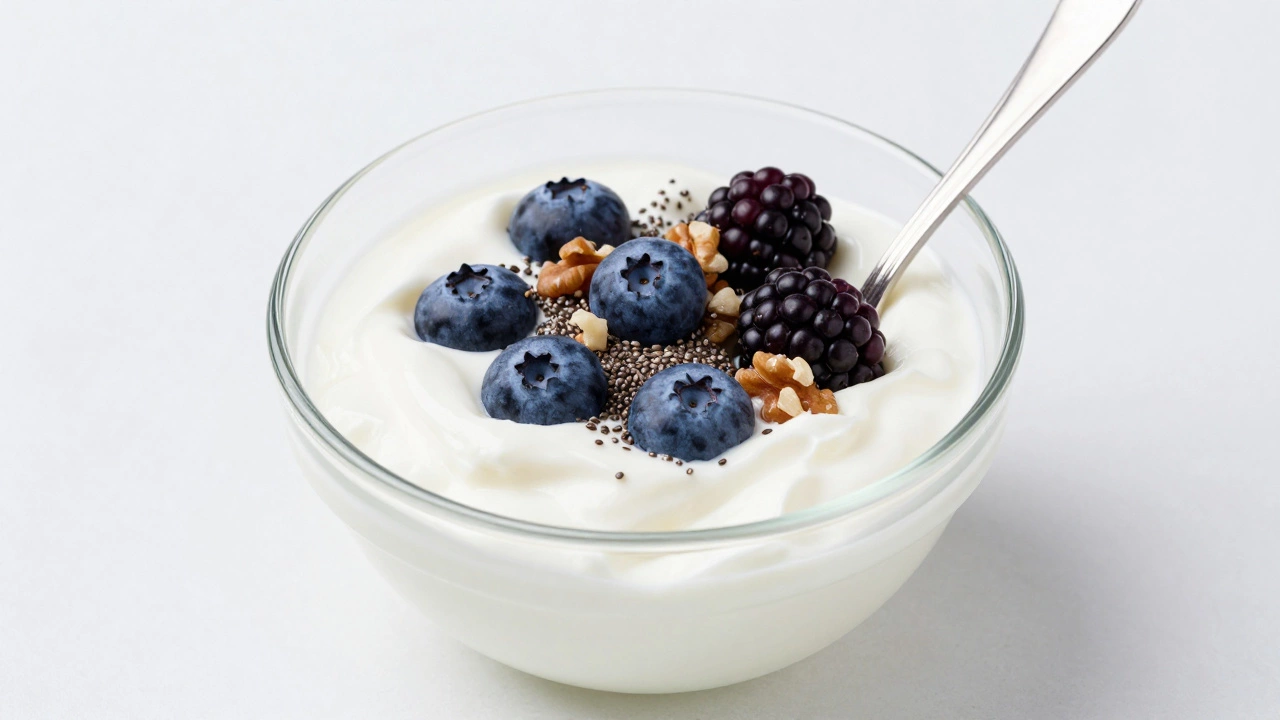
- Greek Yogurt Power Bowl: One cup of plain, unsweetened Greek yogurt mixed with a tablespoon of chia seeds or flaxseeds, topped with a handful of berries and a sprinkle of walnuts. Greek yogurt is packed with casein protein, which digests slowly, keeping you full for hours.
- Overnight Oats Upgrade: Traditional oatmeal is often too carb-heavy. Fix it by mixing rolled oats with protein powder or cottage cheese, adding almond milk, and topping with peanut butter and sliced banana. The added protein transforms a simple grain dish into a balanced meal.
- Smoothie with Substance: A smoothie can be a liquid meal replacement, but only if it’s built right. Blend a scoop of protein powder, a handful of kale or spinach, frozen berries, a tablespoon of hemp hearts, and water or unsweetened soy milk. Avoid fruit juice bases, which add unnecessary sugar.
- Cottage Cheese & Fruit: Simple and effective. Half a cup of low-fat cottage cheese paired with pineapple chunks or peaches. Cottage cheese is incredibly high in protein and low in calories, making it a staple for many fitness enthusiasts.
What to Avoid: The Hidden Sugars
It’s easy to fall into the trap of “healthy” marketing. Many cereals, flavored yogurts, and granola bars are loaded with added sugars. Even natural sources of sugar, like fruit juices or large amounts of dried fruit, can spike your insulin when eaten alone in the morning.
Check the label. If sugar is one of the first three ingredients, put it back. Aim for less than 5 grams of added sugar per serving. Instead of sweetening your yogurt with honey, use cinnamon or vanilla extract. Instead of maple syrup on your pancakes, top them with fresh berries and a dollop of Greek yogurt.
| Breakfast Item | Protein (g) | Fiber (g) | Added Sugar (g) | Verdict |
|---|---|---|---|---|
| Instant Oatmeal Packet | 3 | 2 | 10+ | Poor |
| Flavored Yogurt | 15 | 0 | 15+ | Mixed |
| Bagel with Cream Cheese | 10 | 2 | 5 | Average |
| Eggs & Avocado Toast | 20 | 8 | 0 | Excellent |
| Greek Yogurt with Berries | 17 | 4 | 0 | Excellent |
Timing Matters: When Should You Eat?
For most people, eating within an hour of waking up helps regulate cortisol levels and kickstarts metabolism. However, intermittent fasting has gained popularity, suggesting that delaying breakfast until later in the day can have benefits. There is no one-size-fits-all answer here. Listen to your body. If you wake up starving, eat. If you aren’t hungry until 10 AM, wait. The key is consistency. Try to eat your first meal at roughly the same time each day to help regulate your circadian rhythm.
Prepping for Success
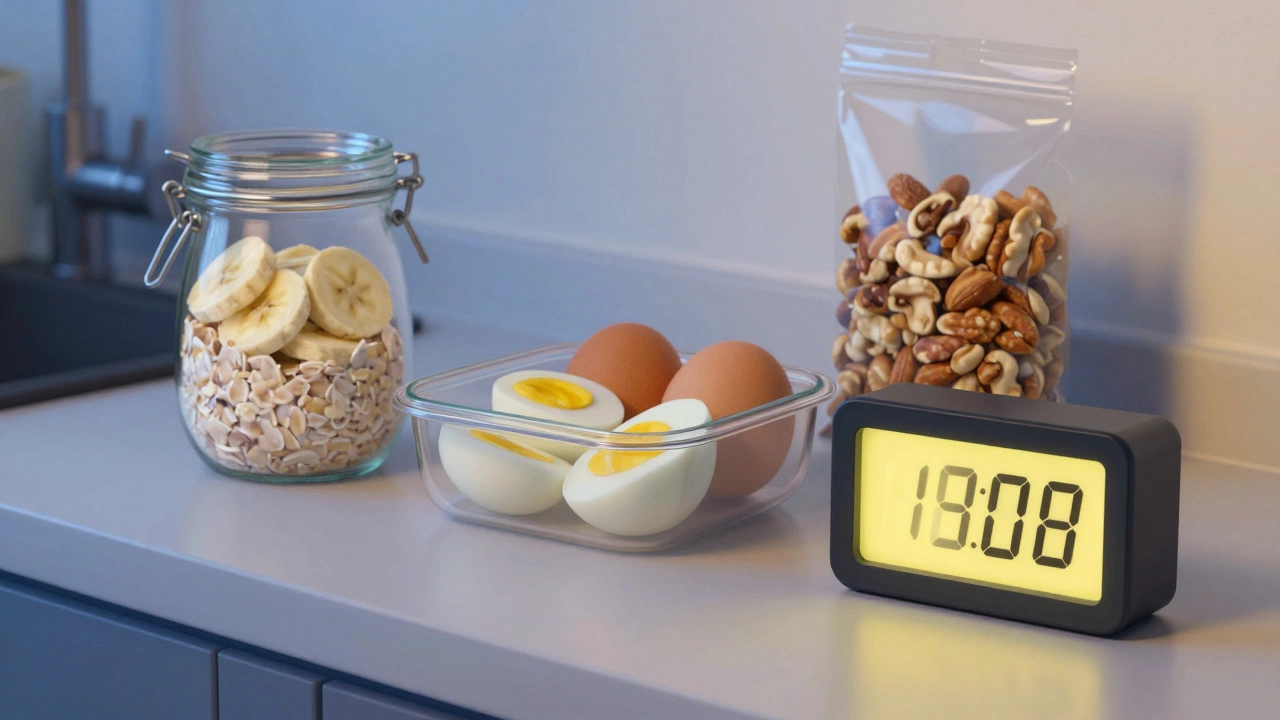
The biggest barrier to a healthy breakfast is time. On busy mornings, convenience wins. To ensure you stick to your plan, prep ahead. Hard-boil a batch of eggs on Sunday. Portion out overnight oats in jars. Wash and chop vegetables for scrambles in advance. Keep single-serving packets of nuts or seeds in your bag. By removing the friction, you make the healthy choice the easy choice.
Adapting for Dietary Needs
This framework works for almost any diet. For vegetarians, eggs, dairy, tofu, and legumes are excellent protein sources. For vegans, focus on tempeh, edamame, lentils, and plant-based protein powders. Gluten-free individuals can swap wheat bread for rice cakes, corn tortillas, or gluten-free oats. The principle remains the same: prioritize protein and fiber, limit processed carbs.
Is skipping breakfast bad for you?
Not necessarily. Recent research suggests that intermittent fasting, which involves skipping breakfast, can be beneficial for some people. However, if you skip breakfast, ensure you are still meeting your daily nutrient needs. For children, athletes, or those with diabetes, skipping breakfast may not be advisable due to energy and blood sugar management requirements.
Can I drink coffee before eating?
Yes, black coffee is fine. It contains negligible calories and may even boost metabolism. However, avoid loading it with sugar, syrups, or heavy creamers, as these can spike blood sugar. If you find that coffee on an empty stomach causes acidity or jitters, try having a small piece of food with it first.
What is the best source of protein for breakfast?
Eggs are considered a complete protein source, meaning they contain all nine essential amino acids. Other great options include Greek yogurt, cottage cheese, turkey sausage, tofu, and protein powders derived from whey, pea, or soy. Aim for at least 15-20 grams of protein in your morning meal.
How much fiber should I aim for at breakfast?
Aim for at least 5-10 grams of fiber at breakfast. This contributes significantly to the recommended daily intake of 25-30 grams. Good sources include oats, chia seeds, flaxseeds, berries, and vegetables like spinach or peppers.
Are breakfast cereals healthy?
Most commercial breakfast cereals are highly processed and high in sugar, making them a poor choice for a daily habit. Look for cereals with minimal ingredients, such as plain shredded wheat or high-fiber bran flakes, and always check the sugar content. Pairing cereal with milk or yogurt adds protein, but whole food options like eggs or yogurt bowls are generally superior.