

Meal Digestibility Analyzer
Select the components of your meal to see how they impact digestion speed and what tips can help.
Ever eaten a massive salad or a greasy burger and felt like your stomach was staging a protest within an hour? You aren't alone. While we often hear that "everything you eat gets digested eventually," some foods take significantly longer to break down than others. This delay isn't just about fullness; it can lead to bloating, gas, discomfort, and even nutrient malabsorption if your gut is constantly working overtime.
Understanding which foods are the hardest for your stomach to digest can help you make smarter choices, especially if you're prone to digestive issues or simply want to feel lighter and more energetic. It’s not just about avoiding certain items entirely, but knowing how they interact with your body’s natural processes.
Quick Summary: Key Takeaways
- Fatty and fried foods are generally the hardest to digest because fat slows down stomach emptying significantly.
- High-fiber foods, particularly insoluble fiber from raw vegetables and skins, can be difficult for sensitive stomachs to break down.
- Legumes and cruciferous vegetables contain complex sugars (raffinose) that ferment in the gut, causing gas and bloating.
- Processed meats and gluten-heavy products often require more enzymatic effort and can irritate the intestinal lining.
- Spicy foods don’t necessarily take longer to digest, but they can irritate the stomach lining, mimicking indigestion symptoms.
The Science Behind Slow Digestion
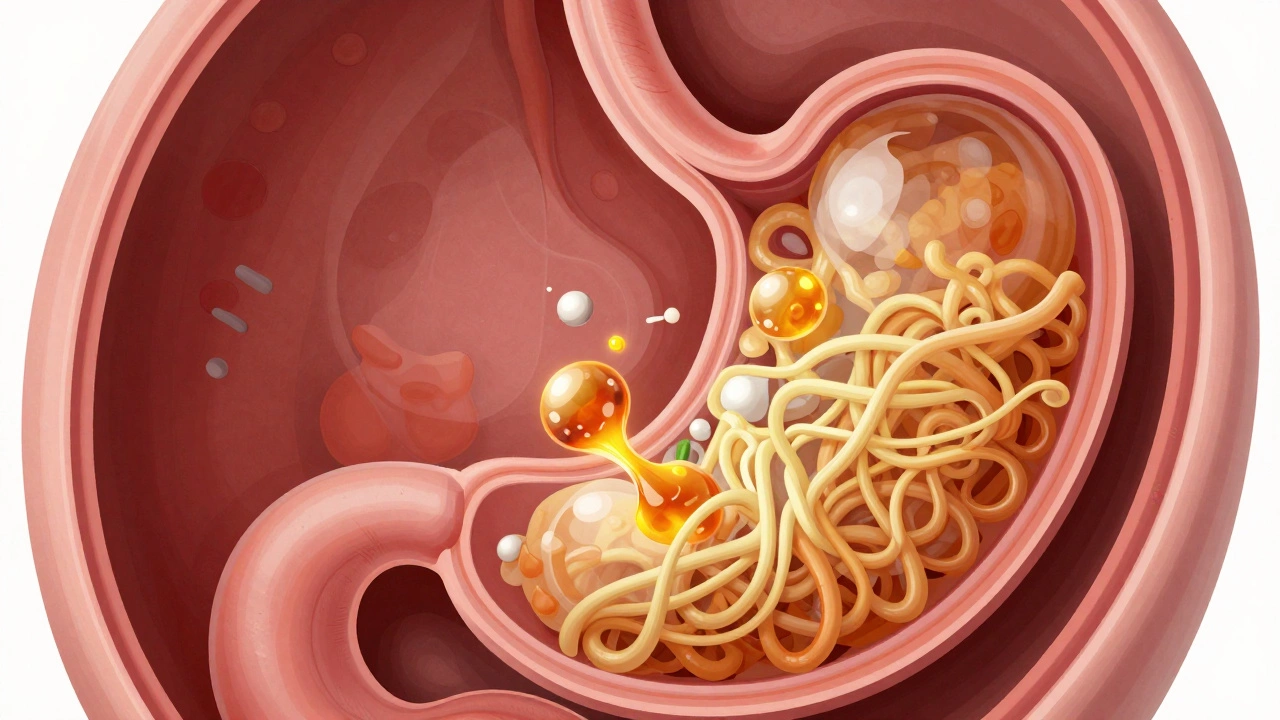
To understand why some foods sit heavy in your stomach, we need to look at the mechanics of digestion. Your stomach acts as a mixing bowl, using acid and enzymes to break food into a semi-liquid substance called chyme. Once this chyme is ready, it moves into the small intestine for further breakdown and nutrient absorption.
The speed at which food leaves your stomach-known as gastric emptying-is largely determined by its composition. Fat is the primary factor that slows down gastric emptying. When fatty foods enter your stomach, your body releases hormones like cholecystokinin (CCK) to signal the stomach to slow down. This allows time for your gallbladder and pancreas to release bile and enzymes needed to break down the fat. This process is essential, but it means that a high-fat meal will stay in your stomach much longer than a low-fat one.
Protein also takes longer to digest than carbohydrates, but it’s usually easier on the stomach than fat unless consumed in very large quantities. Carbohydrates, especially simple sugars, move through the stomach quickly. However, complex carbohydrates and fibers can pose challenges depending on their type and your individual gut microbiome.
The Top Contenders: Foods That Stall Your Digestion
Not all hard-to-digest foods are created equal. Some cause mechanical difficulty due to their structure, while others create chemical challenges due to their composition. Here are the most common culprits.
1. Fatty and Fried Foods
If there’s one category that consistently tops the list of hardest-to-digest foods, it’s high-fat content. Think about a crispy chicken fryer basket, a cheeseburger with extra mayo, or a creamy pasta sauce. These foods are delicious, but they’re digestive roadblocks.
Fat delays the release of gastrin, a hormone that stimulates stomach acid production. This means your stomach has to work harder and longer to break down these meals. For people with conditions like gallstones or pancreatic insufficiency, high-fat meals can trigger significant pain and nausea. Even for healthy individuals, a high-fat meal can leave you feeling sluggish and bloated for hours.
- Fried foods: French fries, onion rings, fried chicken.
- Fatty cuts of meat: Ribeye steak, pork belly, bacon.
- Full-fat dairy: Whole milk, cream, butter, ice cream.
- Processed snacks: Chips, pastries, cookies made with shortening.
2. High-Fiber Vegetables and Raw Produce
Fiber is crucial for long-term gut health, but it’s not always easy to digest in the short term. There are two types of fiber: soluble and insoluble. Soluble fiber dissolves in water and forms a gel-like substance, which is generally gentler. Insoluble fiber, found in the walls of plant cells, does not dissolve and adds bulk to stool.
Insoluble fiber is found in wheat bran, cauliflower, cucumbers, and green beans. For many people, especially those with irritable bowel syndrome (IBS) or sensitive stomachs, insoluble fiber can be abrasive and difficult to break down. Eating large amounts of raw vegetables without chewing them thoroughly can lead to undigested particles reaching the colon, where bacteria ferment them, producing gas.
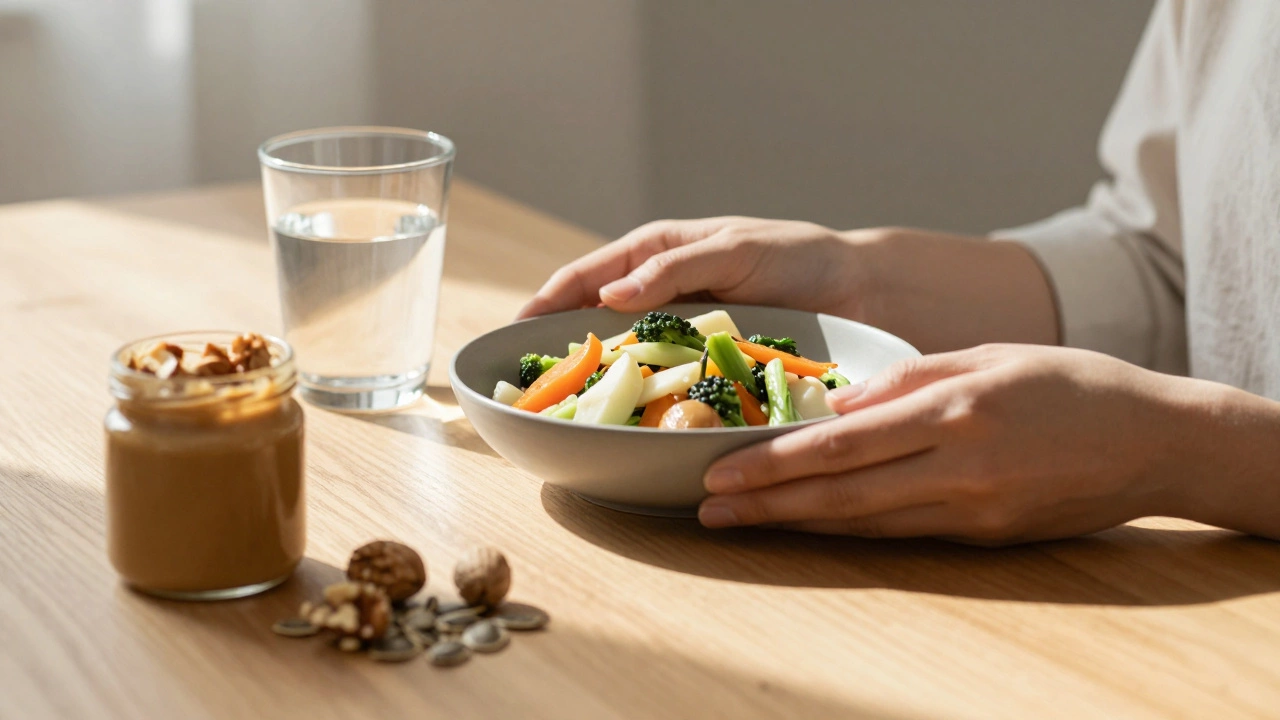
Cooking vegetables breaks down some of the tough cellulose structures, making them easier to digest. If you find raw salads leaving you bloated, try steaming or sautéing your veggies instead.
3. Legumes and Cruciferous Vegetables
Beans, lentils, chickpeas, broccoli, cabbage, and Brussels sprouts are nutritional powerhouses, but they are notorious for causing gas and bloating. Why? Because they contain complex carbohydrates called oligosaccharides, specifically raffinose.
Humans lack the enzyme alpha-galactosidase needed to break down raffinose in the small intestine. As a result, these sugars pass undigested into the large intestine, where gut bacteria feast on them. This fermentation process produces hydrogen, carbon dioxide, and methane-gases that cause discomfort, cramping, and flatulence.
Soaking dried beans before cooking and rinsing canned beans thoroughly can remove some of these sugars. Starting with smaller portions and gradually increasing intake can also help your gut bacteria adapt over time.
4. Gluten-Containing Grains
Gluten is a protein found in wheat, barley, and rye. For most people, gluten is easily digested. However, for those with celiac disease or non-celiac gluten sensitivity, gluten triggers an immune response that damages the lining of the small intestine. This damage impairs digestion and nutrient absorption, leading to severe bloating, diarrhea, and fatigue.
Even without a diagnosed sensitivity, highly processed gluten-rich foods like white bread, pastries, and pizza dough can be dense and difficult to break down, especially when combined with fats and sugars. The combination of refined carbs and fat creates a sticky mixture that slows gastric emptying.
5. Spicy Foods
There’s a common misconception that spicy foods are hard to digest. In reality, capsaicin-the compound that makes chili peppers hot-doesn’t significantly slow down digestion. Instead, it can irritate the stomach lining and esophagus, causing heartburn, acid reflux, and a burning sensation that feels like indigestion.
If you have gastroesophageal reflux disease (GERD) or peptic ulcers, spicy foods can exacerbate symptoms. However, for most people, spice tolerance varies, and moderate amounts may not cause any digestive issues.
Other Notable Culprits
Beyond the main categories, several other foods can challenge your digestive system:
- Artificial sweeteners: Sugar alcohols like sorbitol, mannitol, and xylitol (found in sugar-free gum and candies) are poorly absorbed in the small intestine. They draw water into the gut and ferment in the colon, leading to bloating and diarrhea.
- Lactose: Many adults lose the ability to produce lactase, the enzyme needed to digest lactose in milk. Undigested lactose ferments in the gut, causing gas and cramps.
- Red meat: Red meat contains long-chain fatty acids and complex proteins that take longer to break down than poultry or fish. It also requires more stomach acid, which can be problematic for those with low acid levels.
- Nuts and seeds: While nutritious, whole nuts and seeds have hard outer shells that are difficult to break down. Chewing them thoroughly is essential, or consider using nut butters for easier digestion.
How to Make Hard-to-Digest Foods Easier on Your Stomach
You don’t have to eliminate these foods entirely. With some adjustments, you can enjoy them with less discomfort.
- Chew thoroughly: Digestion starts in the mouth. Breaking food down mechanically reduces the workload on your stomach.
- Cook your vegetables: Steaming, boiling, or roasting softens fiber and breaks down cell walls, making nutrients more accessible.
- Choose lean proteins: Opt for skinless chicken, turkey, fish, or plant-based proteins like tofu instead of fatty red meats.
- Limit fried foods: Bake, grill, or air-fry instead of deep-frying to reduce fat content.
- Soak legumes: Soak dried beans overnight and discard the soaking water before cooking to reduce oligosaccharides.
- Eat smaller meals: Large meals overwhelm your digestive system. Smaller, more frequent meals are easier to manage.
- Stay hydrated: Water helps break down food and keeps things moving smoothly through your digestive tract.
- Consider digestive enzymes: Over-the-counter supplements like lactase or alpha-galactosidase can help if you struggle with specific foods.
When to Seek Medical Advice
Occasional bloating or gas after a heavy meal is normal. However, if you experience persistent digestive issues, it might be time to consult a healthcare provider. Symptoms like chronic abdominal pain, unexplained weight loss, blood in stool, or severe constipation/diarrhea could indicate underlying conditions like IBS, inflammatory bowel disease (IBD), celiac disease, or food intolerances.
A registered dietitian can help you identify trigger foods and develop a balanced eating plan that supports your gut health without unnecessary restrictions.
Comparison: Easy vs. Hard to Digest Foods
| Food Category | Digestion Speed | Common Issues | Tips for Better Digestion |
|---|---|---|---|
| Lean Proteins (Fish, Chicken) | Moderate | Minimal | Grill or bake; avoid heavy sauces. |
| Fatty Meats (Steak, Bacon) | Slow | Bloating, sluggishness | Choose lean cuts; portion control. |
| Cooked Vegetables | Moderate to Fast | Gas (if cruciferous) | Steam or roast; chew well. |
| Raw Salads | Slow (for sensitive guts) | Bloating, undigested bits | Massage kale; mix with cooked veggies. |
| Legumes (Beans, Lentils) | Slow | Gas, bloating | Soak, rinse, start with small portions. |
| White Bread/Pasta | Fast | Sugar spikes, quick hunger | Pair with protein/fat to slow absorption. |
| Whole Grains | Moderate | Bloating (if high fiber) | Increase fiber intake gradually. |
Frequently Asked Questions
Is it true that spicy food causes ulcers?
No, spicy food does not cause ulcers. Ulcers are primarily caused by Helicobacter pylori infection or long-term use of NSAIDs (like ibuprofen). However, spicy foods can irritate existing ulcers or cause heartburn, making symptoms worse.
Why do I feel bloated after eating healthy foods like salads?
Salads often contain raw, high-fiber vegetables that are difficult to break down. If you’re not used to high fiber intake or don’t chew thoroughly, your gut bacteria may ferment the undigested fiber, producing gas. Try cooking your veggies or massaging leafy greens to soften them.
Does drinking water help with digestion?
Yes, water is essential for digestion. It helps break down food so your body can absorb nutrients and keeps things moving through your digestive tract, preventing constipation. Aim for adequate hydration throughout the day, but avoid drinking large amounts during meals, which can dilute stomach acid.
Can stress affect how well I digest food?
Absolutely. Stress activates the sympathetic nervous system (fight-or-flight), which diverts blood flow away from the digestive system. This can slow down digestion, leading to bloating, cramps, and irregular bowel movements. Practicing relaxation techniques while eating can improve digestion.
Are artificial sweeteners bad for gut health?
Some artificial sweeteners, particularly sugar alcohols like sorbitol and mannitol, can cause digestive distress because they are poorly absorbed. They can draw water into the intestines and ferment, causing gas and diarrhea. Moderation is key, and opting for natural sweeteners or real sugar in small amounts may be better tolerated by some.
How long does it take for food to fully digest?
Complete digestion typically takes 24 to 72 hours, depending on the food and individual factors. Simple carbohydrates may pass through the stomach in 2-4 hours, while high-fat or high-protein meals can take 6+ hours to leave the stomach. Total transit time includes passage through the small and large intestines.
Should I avoid gluten if I don’t have celiac disease?
Unless you have a diagnosed gluten sensitivity or celiac disease, there’s no need to avoid gluten. Whole grains containing gluten provide important nutrients like fiber, B vitamins, and minerals. If you suspect sensitivity, consult a doctor before eliminating gluten, as self-diagnosis can lead to nutritional deficiencies.