
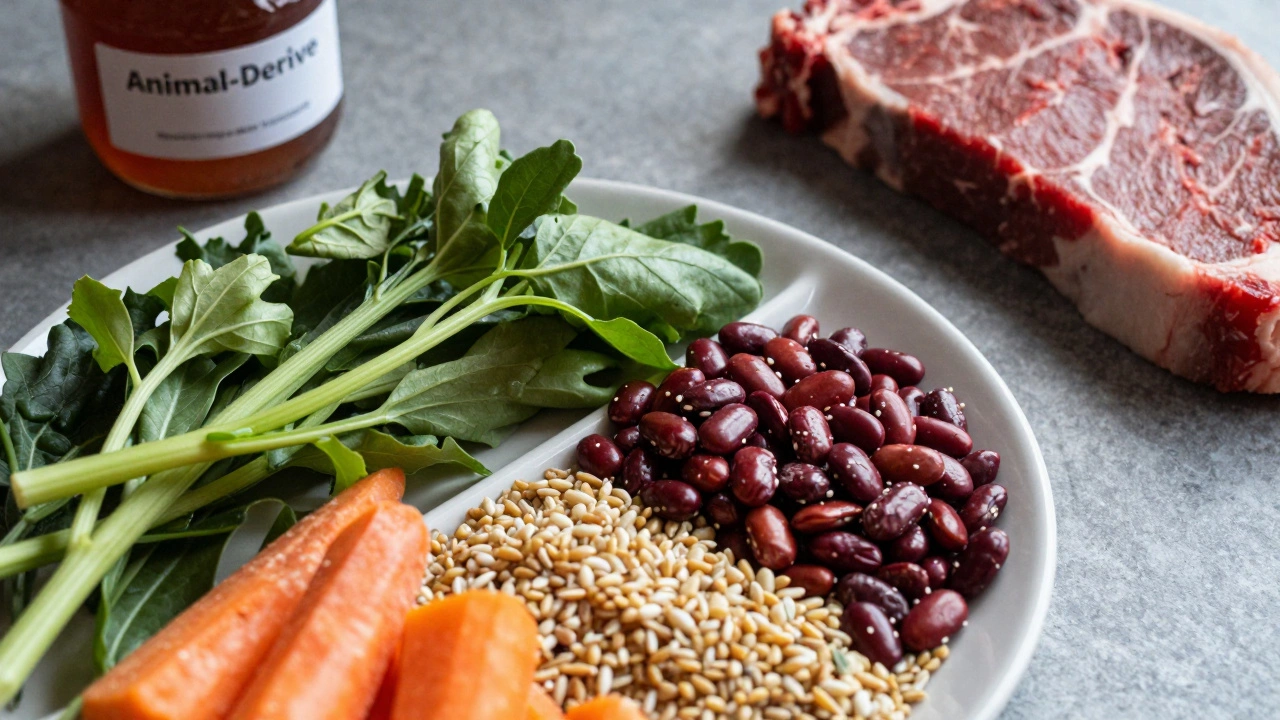
Vegetarian Food Checker
Check if a Food is Vegetarian-Friendly
Enter a food item or ingredient to see if it's vegetarian-friendly. This tool checks for meat and animal-derived gelatin, which are universally avoided by vegetarians.
Enter a food item and click "Check" to see if it's vegetarian-friendly.
What Do Vegetarians Avoid?
- Meat: All animal flesh including beef, pork, lamb, chicken, turkey, fish, and shellfish
- Animal-derived gelatin: Made from animal bones and skin (found in gummies, marshmallows, and processed foods)
Note: Some vegetarians also avoid dairy and eggs, but meat and gelatin are universally avoided.
When someone says they’re vegetarian, it’s easy to assume they just don’t eat meat. But that’s only part of the story. Many people don’t realize that vegetarianism isn’t just about skipping the burger or chicken breast-it’s about avoiding entire categories of animal-derived ingredients. So what are two foods a vegetarian would not eat? The answer is simpler than you think: meat and animal-derived gelatin.
Meat: The Clear Line
Meat is the most obvious thing vegetarians avoid. That includes beef, pork, lamb, chicken, turkey, duck, fish, and shellfish. It’s not a gray area. If an animal was killed to make it, vegetarians won’t eat it. This isn’t about health or ethics alone-it’s a foundational rule. Vegetarian diets are built around plants, grains, legumes, and dairy (for some), but they stop where animal slaughter begins.
Even small amounts of meat can break the rule. A vegetarian won’t eat chicken broth in soup, bacon bits on a salad, or fish sauce in stir-fry. It’s not about taste-it’s about consistency. Many vegetarians choose this lifestyle because they don’t want to support animal farming or killing. So even if the meat is just a flavoring, it’s still a product of animal death.
Animal-Derived Gelatin: The Hidden Trap
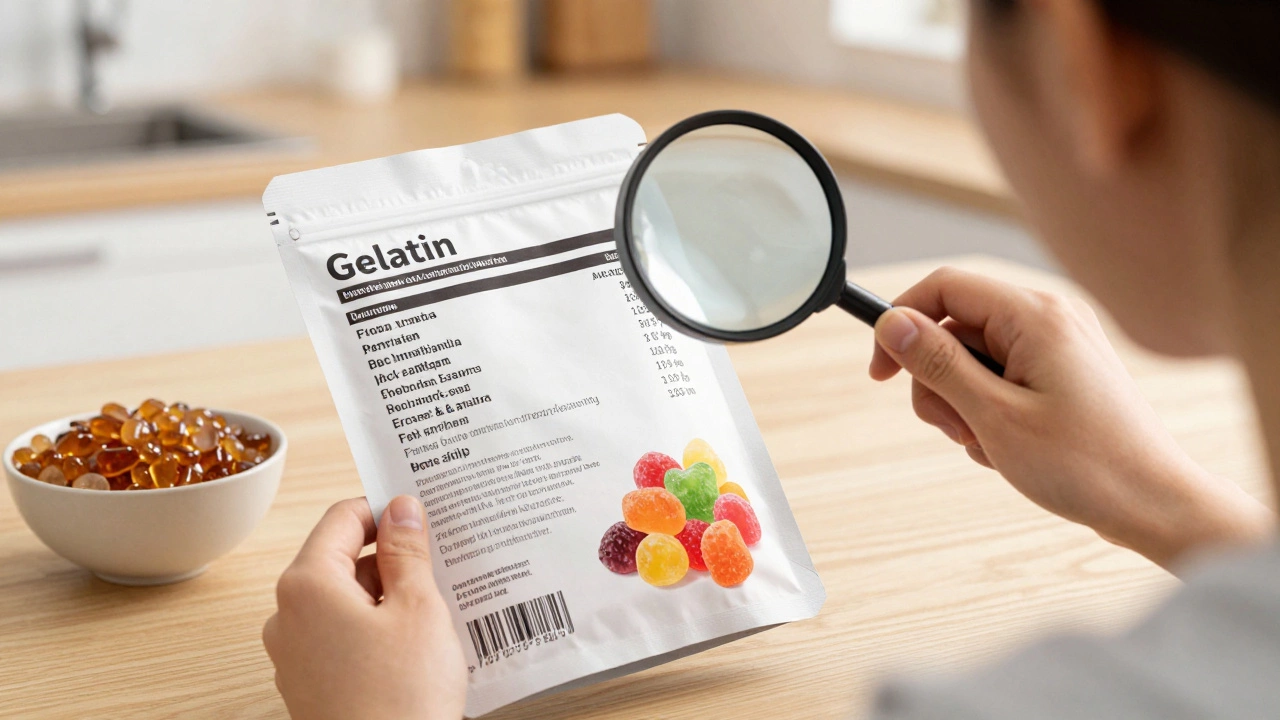
If meat is the obvious no, then gelatin is the sneaky one. Gelatin comes from boiling animal bones, skin, and connective tissue-usually from cows or pigs. You’ll find it in gummy candies, marshmallows, Jell-O, some yogurts, and even certain types of wine and beer used as clarifying agents. Most people don’t realize gelatin is animal-based. If you’ve ever eaten a gummy bear and thought, "This is just sugar and flavor," you were probably eating a product made from animal parts.
Vegetarians avoid gelatin because it’s directly tied to the meat industry. Even if the animal wasn’t killed for its gelatin, the production still relies on slaughterhouse byproducts. That’s why many vegetarian brands use alternatives like pectin (from fruit) or agar-agar (from seaweed). If you’re buying something labeled "vegetarian," check the ingredients. If it says "gelatin," it’s not vegetarian.
What About Dairy and Eggs?
This is where confusion sets in. Some vegetarians eat dairy and eggs. Others don’t. That’s because vegetarian isn’t one single rule-it’s a spectrum. Lacto-vegetarians eat dairy but not eggs. Ovo-vegetarians eat eggs but not dairy. Lacto-ovo vegetarians eat both. The key difference? These foods don’t require killing the animal. Milk comes from cows that are still alive. Eggs come from hens that aren’t slaughtered to produce them.
So while vegetarians avoid meat and gelatin, they often still consume animal byproducts. That’s why veganism exists-it removes all animal products, including honey, casein, and whey. But for vegetarians, the line is drawn at death. If the animal didn’t die for it, it’s usually okay.
What About Broth, Stock, and Flavorings?
Many packaged soups, sauces, and seasonings contain hidden animal ingredients. Chicken stock, beef extract, and fish-based flavorings are common in processed foods. A vegetarian might eat a bowl of pasta with tomato sauce, only to later find out it had chicken broth in it. That’s why reading labels matters. Look for phrases like "natural flavorings," "hydrolyzed protein," or "animal-derived enzymes." These can all be red flags.
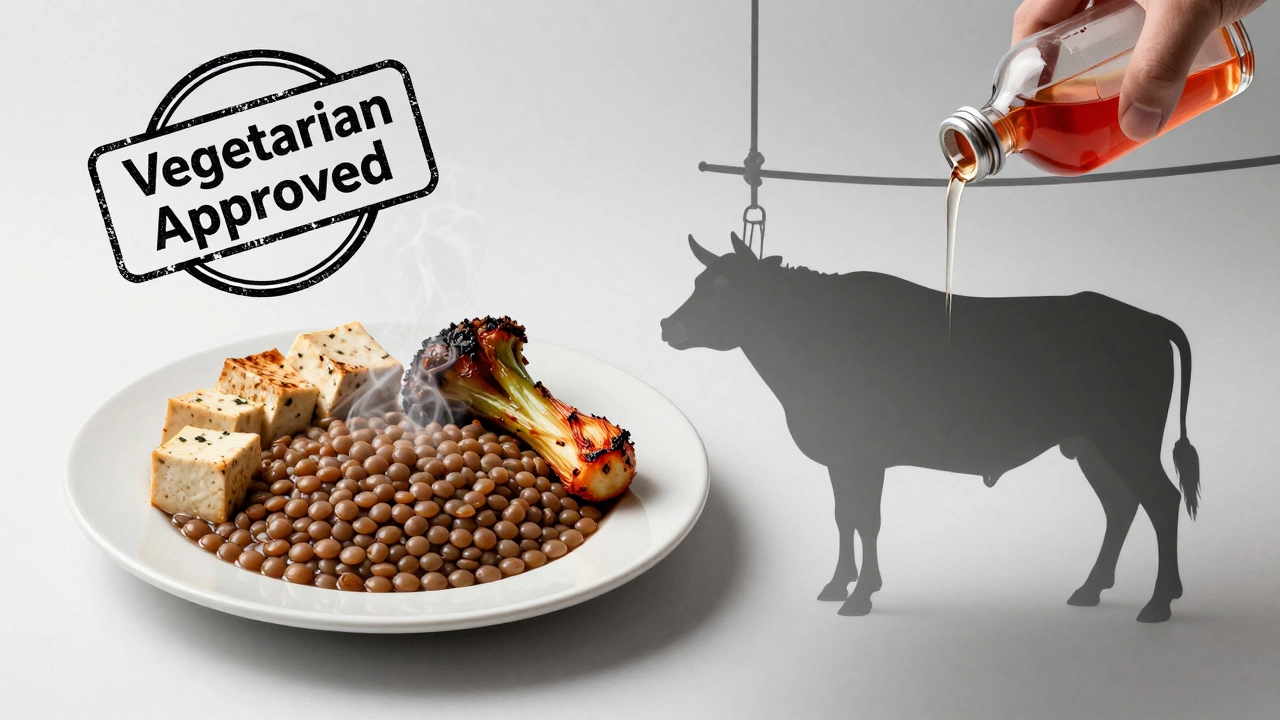
Some brands now clearly label their products as "vegetarian" or "vegan." If you’re unsure, look for certifications like the Vegetarian Society Approved stamp. In the UK, that’s a reliable sign. In the US, check for the Vegan Society logo or the Halal certification (which excludes pork but not necessarily other meats).
Common Mistakes Vegetarians Make
Even people who think they’re following a vegetarian diet can slip up. Here are three common mistakes:
- Eating cheese made with animal rennet (some cheeses use enzymes from calf stomachs).
- Drinking wine or beer fined with fish bladder (isinglass) or egg whites.
- Using butter or lard in cooking, thinking they’re "plant-based" because they’re not meat.
These aren’t deal-breakers for everyone, but they’re still animal-derived. Many vegetarians choose to avoid them. Others don’t mind. It’s personal. But if you’re asking what vegetarians avoid, the two universal answers are still meat and gelatin.
How to Spot Vegetarian-Friendly Foods
Here’s a quick way to check if something’s vegetarian:
- Look for meat, poultry, fish, or shellfish in the ingredients.
- Check for gelatin, casein, whey, or rennet.
- Look for a vegetarian certification label.
- If it’s a processed food, ask: "Did this come from an animal that was killed?" If yes, it’s not vegetarian.
Most whole foods-beans, rice, vegetables, fruits, nuts, tofu, lentils-are automatically vegetarian. The trouble starts with processed items. That’s why many vegetarians cook at home. It’s easier to control what goes in.
Why This Matters
Knowing what vegetarians avoid isn’t just about rules-it’s about respect. If you’re cooking for someone who’s vegetarian, serving them a dish with hidden meat or gelatin isn’t just a mistake. It’s dismissive. It says, "I didn’t take your choice seriously."
That’s why clarity matters. Two things are non-negotiable: no meat, no gelatin. Everything else? That’s up to the individual. But if you’re trying to understand vegetarianism, start there. Those two foods define the boundary.
Do vegetarians eat fish?
No. Vegetarians do not eat fish or any other seafood. People who eat fish but avoid other meats are called pescatarians, not vegetarians. Vegetarian diets exclude all animals that were killed for food, including fish.
Is honey vegetarian?
It depends. Most vegetarians eat honey because bees aren’t killed to produce it. However, vegans avoid honey because it’s an animal product made by insects. Some vegetarians also choose to avoid honey for ethical reasons, but it’s not a universal rule.
Can vegetarians eat cheese?
Some cheeses are vegetarian, some aren’t. Many hard cheeses use animal rennet, which comes from a calf’s stomach. Vegetarian cheeses use microbial or plant-based rennet. Always check the label or look for "vegetarian rennet" on the packaging.
What about marshmallows?
Most traditional marshmallows contain gelatin and are not vegetarian. However, there are vegan and vegetarian versions made with plant-based gelling agents like agar or carrageenan. Always check the ingredients list.
Are all plant-based foods automatically vegetarian?
Not always. Some plant-based products are processed with animal-derived ingredients-like wine fined with egg whites or bread glazed with milk. Just because something is plant-based doesn’t mean it’s vegetarian. Always read labels.