
Recovery Meal Planner
Select your primary symptom below to get a personalized menu of what to eat and what to avoid.
Select a symptom above to see recommendations.
You know that specific heaviness in your chest when you’re fighting off a cold, or the hollow ache of nausea during a stomach bug. It’s not just about being hungry; it’s about finding something that won’t make things worse while actually helping you heal. We’ve all heard the old wives’ tales-chicken soup cures everything, citrus boosts immunity-but do they hold up under scrutiny? Or are we just feeding into nostalgia?
The truth is, when you are sick, your body is diverting energy away from digestion and toward your immune system. This means heavy, greasy, or highly processed foods can feel like a burden rather than fuel. The goal isn't just 'eating'; it's strategic nourishment. You need foods that are easy to digest, hydrating, and packed with nutrients that support inflammation reduction and tissue repair.
The Science Behind "Sick" Food
Before we get to the recipes, let’s look at why certain foods work. When you have a fever, your metabolic rate increases, burning more calories even if you aren’t moving. However, your appetite usually drops. This creates a tricky balance: you need energy, but you can’t force-feed yourself a steak dinner.
Bland diets are nutritional approaches focusing on low-fiber, low-fat, and non-irritating foods to soothe the digestive tract. This concept dates back centuries because it works. Foods high in water content help replace fluids lost through sweat or vomiting. Electrolytes like sodium and potassium are crucial for maintaining cellular function when you’re dehydrated.
Furthermore, anti-inflammatory compounds found in ginger, garlic, and turmeric don’t just taste good; they actively reduce swelling in mucous membranes and calm an upset stomach. Understanding these mechanisms helps you choose the right meal based on your specific symptoms, whether it’s a respiratory issue or gastrointestinal distress.
Best Foods for Colds and Flu
If you’re dealing with congestion, sore throat, and fatigue, your priority is hydration and soothing irritation. Here are the top contenders:
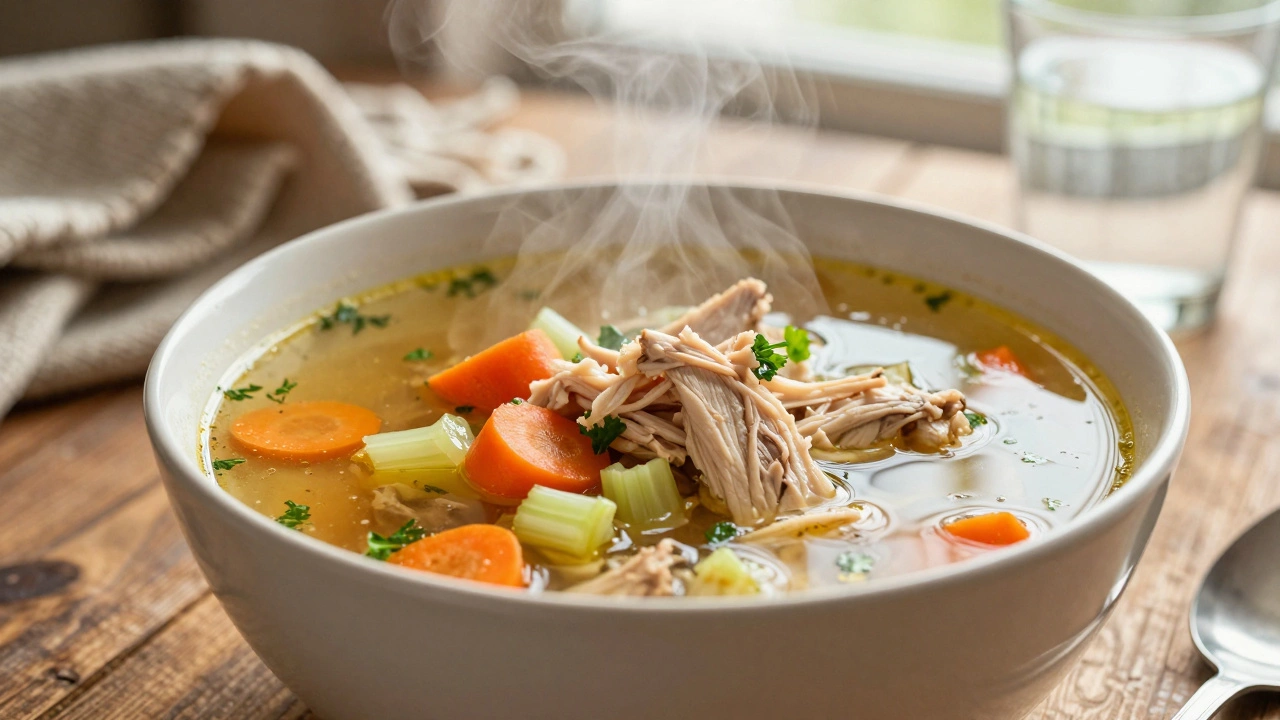
- Chicken Soup: It’s not a myth. Studies suggest that chicken soup contains amino acids that may inhibit neutrophil migration, which reduces inflammation in the respiratory tract. The steam also helps clear nasal passages.
- Ginger Tea: Gingerol, the active compound in ginger, has potent anti-nausea and anti-inflammatory properties. It warms the body and can break up mucus.
- Honey and Lemon: Honey acts as a natural cough suppressant (often more effective than over-the-counter syrups), while lemon provides vitamin C and cuts through phlegm. Note: Never give honey to children under one year old due to botulism risk.
- Warm Broths: Bone broth or vegetable stock replenishes electrolytes and provides collagen, which supports gut health.
Avoid dairy if you find it thickens your mucus. While science is mixed on this, many people report feeling more congested after consuming milk or cheese when sick. Stick to plant-based milks or skip the dairy entirely until you recover.
Nourishing Options for Stomach Bugs and Nausea
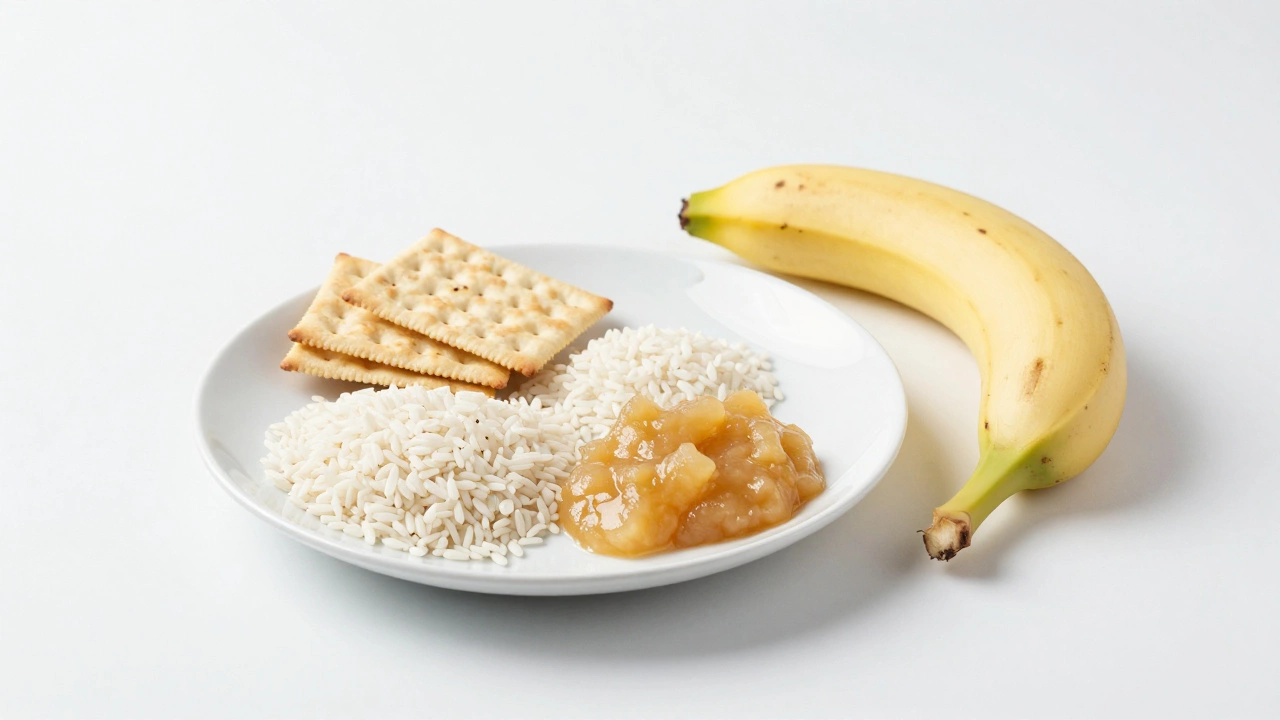
When your stomach is turning, the last thing you want is a complex meal. The BRAT diet (Bananas, Rice, Applesauce, Toast) is outdated in its exclusivity but still offers valuable principles. You need binding foods that settle the stomach and provide simple carbohydrates for quick energy.
- Plain White Rice: Easy to digest and low in fiber, making it gentle on an irritated gut.
- Crackers or Dry Toast: Absorbs excess stomach acid and provides bland carbs.
- Applesauce: Contains pectin, a soluble fiber that can help firm up stool and soothe the digestive tract.
- Boiled Potatoes: Without skin or butter, potatoes are a great source of potassium, which you lose quickly during vomiting or diarrhea.
Reintroduce solid foods slowly. Start with sips of water or electrolyte drinks, then move to dry crackers, and only then progress to rice or applesauce. If you eat too fast or too much, you risk triggering another round of nausea.
Immune-Boosting Ingredients to Keep on Hand
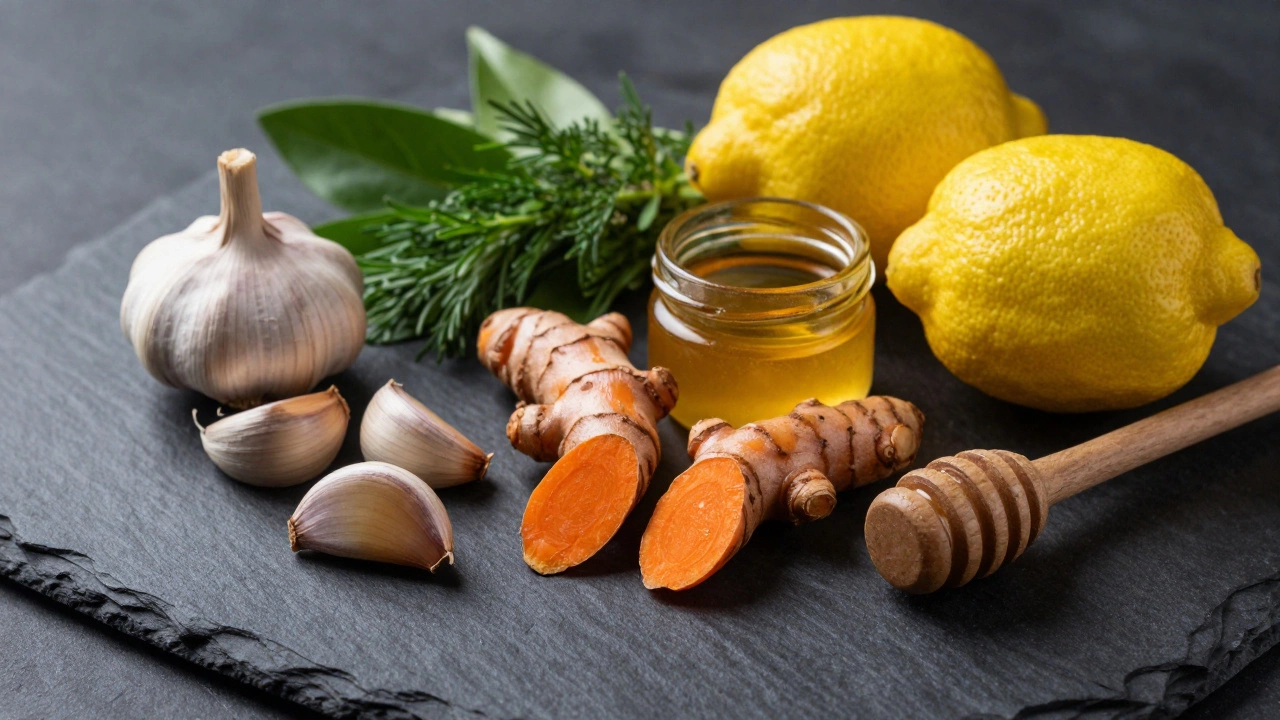
Prevention is better than cure, but having the right ingredients ready when you start feeling under the weather can shorten the duration of illness. These items should be staples in any kitchen focused on wellness:
| Food Item | Key Nutrient | Primary Benefit |
|---|---|---|
| Garlic | Allicin | Antimicrobial and antiviral properties |
| Turmeric | Curcumin | Powerful anti-inflammatory agent |
| Citrus Fruits | Vitamin C | Supports white blood cell function |
| Leafy Greens | Vitamins A, C, K | Strengthens immune response and antioxidant defense |
| Yogurt (with probiotics) | Lactobacillus | Restores healthy gut bacteria after antibiotics or illness |
Incorporate these into your daily diet, not just when you’re sick. For example, add minced garlic to your morning eggs or sprinkle turmeric into your oatmeal. Consistent intake builds resilience over time.
Simple Recipes for Recovery
Here are three easy-to-make meals that require minimal effort but deliver maximum comfort and nutrition.
1. Classic Healing Chicken Soup
This isn’t your average canned soup. Homemade allows you to control the salt and include medicinal herbs.
Ingredients:
- 1 lb chicken thighs (bone-in for richer broth)
- 4 cups low-sodium chicken broth
- 2 carrots, chopped
- 2 celery stalks, chopped
- 1 onion, diced
- 2 cloves garlic, minced
- 1 tsp fresh ginger, grated
- Parsley and black pepper to taste
Instructions:
- In a large pot, simmer the chicken in broth for 30 minutes until cooked through.
- Remove chicken, shred the meat, and discard bones/skin.
- Add carrots, celery, onion, garlic, and ginger to the pot. Simmer for 15 minutes until vegetables are tender.
- Return shredded chicken to the pot. Season with parsley and pepper. Serve hot with a squeeze of lemon.
2. Ginger-Turmeric Golden Milk Latte
Perfect for nighttime when you’re congested and can’t sleep.
Ingredients:
- 1 cup almond milk (or any milk of choice)
- 1/2 tsp turmeric powder
- 1/4 tsp ground ginger
- Pinch of black pepper (enhances turmeric absorption)
- 1 tsp honey
Instructions:
- Heat milk in a small saucepan over medium heat.
- Whisk in turmeric, ginger, and black pepper.
- Simmer for 2-3 minutes (do not boil).
- Remove from heat, stir in honey, and drink warm.
3. Gentle Avocado and Banana Smoothie
Ideal for post-stomach bug recovery when chewing is difficult.
Ingredients:
- 1 ripe banana
- 1/2 avocado
- 1 cup coconut water (for electrolytes)
- 1 tbsp chia seeds (optional, for omega-3s)
Instructions:
- Blend all ingredients until smooth.
- Sip slowly. The avocado adds creaminess without dairy, and the banana provides potassium.
Foods to Avoid When Sick
Just as some foods help, others can hinder your recovery. Avoid these common pitfalls:
- High-Sugar Foods: Sugar can suppress immune function temporarily. Skip the candy bars and sugary sodas.
- Fried and Greasy Foods: Hard to digest and likely to trigger nausea.
- Spicy Foods: Can irritate an already sensitive stomach or worsen acid reflux.
- Alcohol: Dehydrates the body and interferes with medication. Give your liver a break.
- Rough Textures: Raw salads or crunchy nuts can irritate a sore throat. Opt for soft, cooked vegetables instead.
Tailoring Meals to Specific Symptoms
Not all sickness is created equal. Adjust your menu based on what you’re experiencing:
- Sore Throat: Stick to cool or room-temperature foods like yogurt, smoothies, or ice pops. Hot liquids might sting. Soft textures are key.
- Diarrhea: Focus on binding foods like bananas, white rice, and applesauce. Avoid high-fiber foods like whole grains and raw veggies until stools normalize.
- Constipation (from dehydration): Increase fluid intake and add soluble fiber gradually, such as oats or peeled fruits.
- Fatigue: Prioritize protein-rich but easy-to-digest options like scrambled eggs, tofu, or lentil soup to maintain strength without taxing digestion.
The Role of Hydration
Water is the most critical component of recovery. Aim for at least 8-10 glasses a day, more if you have a fever. If plain water tastes bad, try herbal teas, diluted fruit juices, or broths. Electrolyte solutions are vital if you’ve been vomiting or sweating heavily, as they replace lost salts faster than water alone.
Listen to your body. If you’re not hungry, don’t force it. Sip fluids frequently. Small, frequent meals are better than three large ones when you’re recovering. Your body will signal when it’s ready for more substantial food.
Is chicken soup really effective for colds?
Yes, research suggests chicken soup has mild anti-inflammatory effects that can ease respiratory symptoms. The warmth and steam also help clear nasal congestion, while the broth provides hydration and electrolytes.
What should I eat if I have no appetite?
Focus on hydration first. Try sipping broths, herbal teas, or electrolyte drinks. If you can eat, choose bland, easy-to-digest foods like crackers, toast, or applesauce. Don’t worry about balanced meals until your appetite returns.
Can dairy make mucus worse?
While scientific evidence is inconclusive, many people report increased congestion after consuming dairy. If you notice this effect, switch to plant-based alternatives like almond or oat milk during illness.
How long does it take to recover with proper nutrition?
Most viral illnesses resolve within 7-10 days. Proper nutrition and hydration can shorten this period by supporting your immune system and preventing complications like dehydration.
Are there any supplements that help when sick?
Vitamin C and Zinc are commonly used, though evidence varies. Vitamin D deficiency is linked to increased susceptibility to infections. Consult your doctor before starting new supplements, especially if you take other medications.