
Italian Pasta Master Quiz
Select a dish to review its authentic ingredients and common mistakes, then test yourself with our quick trivia challenge below.
Carbonara
RomeRagù
BolognaCacio e Pepe
Abruzzo/RomeLasagne
Emilia-RomagnaAuthentic Ingredients
Common Mistakes
Loading question...
Quiz Complete!
Your Score: 0 / 4
You might think you know Italian food. But ask ten people for their favorite Italian pasta dishes, and you will get ten different answers. Some will say pizza (which is not pasta). Others might mention ravioli or gnocchi. But if you ask a Roman nonna or a Bolognese chef, they will point you toward four specific plates that define the country's culinary soul. These are not just recipes; they are cultural icons with strict rules, heated debates, and centuries of history behind them.
Why does this matter? Because getting these four right means understanding how Italian cooking actually works. It is about simplicity, quality ingredients, and technique over complexity. If you can master Carbonara, Ragù alla Bolognese, Lasagna, and Cacio e Pepe, you have cracked the code on authentic Italian home cooking. Let’s break down what makes each one famous, where people usually mess up, and how to make them properly in your own kitchen.
Carbonara: The Creamless Cream Sauce
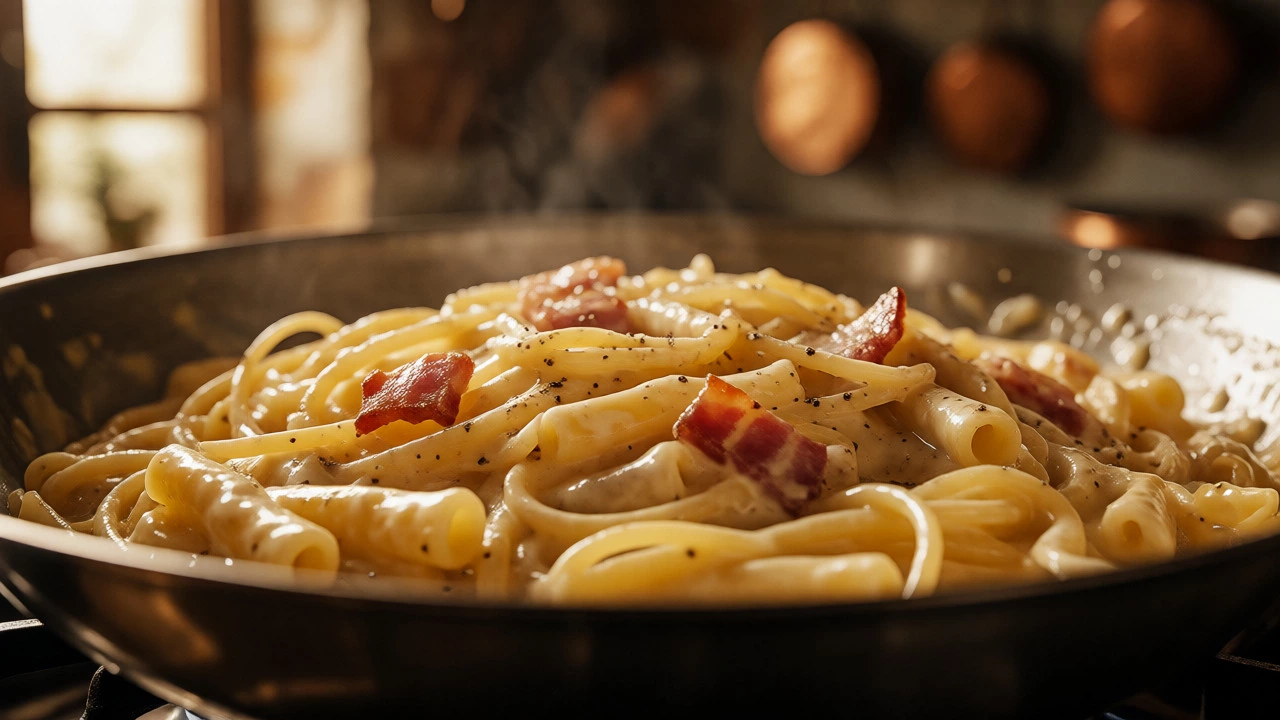
Carbonara is probably the most misunderstood dish in Italy. Walk into any restaurant outside Rome, and you will likely see heavy cream in the pan. A true Roman would faint at the sight. Carbonara is a pasta dish from Rome made with eggs, hard cheese, cured pork, and black pepper. There is no cream involved. Ever.
The magic happens through emulsion. You cook guanciale (cured pork cheek) until it is crispy but still tender. Then, you whisk egg yolks with Pecorino Romano cheese. When you toss hot pasta into the pan, the residual heat cooks the eggs gently, turning them into a glossy, creamy sauce without scrambling them. It is a delicate dance. Too much heat, and you get scrambled eggs on noodles. Too little, and it stays runny.
- Pork: Use guanciale. Pancetta is an acceptable substitute if you cannot find guanciale, but bacon is too smoky and soft.
- Cheese: Pecorino Romano is sharp and salty. Parmigiano Reggiano is milder. Traditionalists use only Pecorino; many modern cooks use a 50/50 mix.
- Pasta: Rigatoni or spaghetti work best because they hold the sauce well.
If you are making this at home, turn off the heat before adding the egg mixture. Stir vigorously. The goal is a sauce that coats every strand like silk, not a pool of yellow liquid.
Ragù alla Bolognese: The Slow-Simmered Classic
In America, we call it "Spaghetti Bolognese." In Bologna, they look at you funny. First, the sauce is called Ragù, not Bolognese sauce. Second, it is rarely served with spaghetti. The traditional pairing is Tagliatelle. Why? Because flat, wide ribbons grip the thick, meaty sauce better than thin strands do.
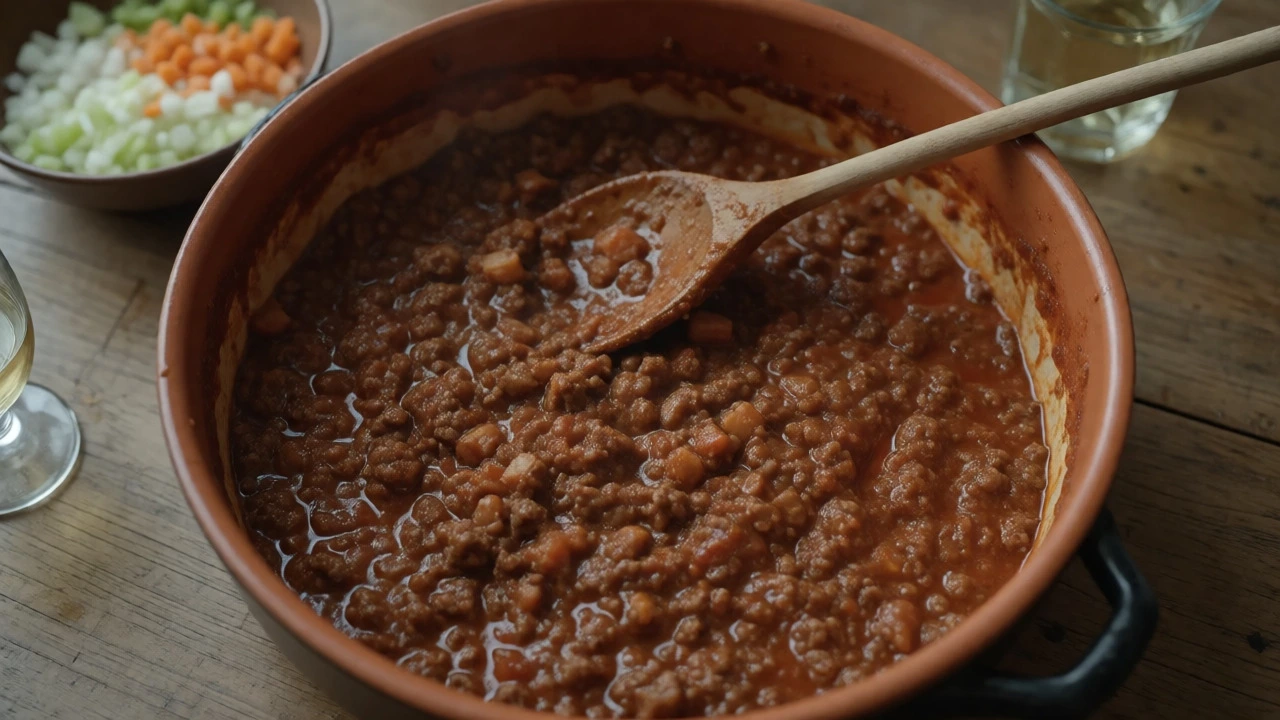
Ragù alla Bolognese is a meat-based sauce originating from the Emilia-Romagna region. Unlike quick tomato sauces, this one takes hours to develop its deep flavor profile. It starts with a soffritto-a finely chopped mix of onion, carrot, and celery cooked slowly in butter or olive oil. Then comes the meat. Traditionally, this is a mix of beef and pancetta, though some recipes include pork or veal.
The key ingredient often missing in shortcuts is milk. Yes, milk. Adding a splash of milk early in the cooking process tenderizes the meat and cuts the acidity of the tomatoes. After adding white wine and tomato paste or passata, you let it simmer for at least two to three hours. Low and slow. The result is a rich, brownish-red sauce that tastes complex and savory, not just like ketchup with meatballs.
| Dish | Authentic Ingredient | Common Mistake |
|---|---|---|
| Carbonara | Guanciale & Eggs | Bacon & Heavy Cream |
| Ragù | Milk & White Wine | Garlic & Red Wine Only |
| Cacio e Pepe | Pecorino & Black Pepper | Parmesan & Butter |
| Lasagna | Green Spinach Pasta | Boxed Dry Noodles |
Cacio e Pepe: Simplicity at Its Peak
If Carbonara is tricky, Cacio e Pepe is terrifyingly simple. It translates literally to "Cheese and Pepper." That is it. No garlic, no herbs, no tomato, no meat. Just Tonnarelli (a thicker spaghetti), Pecorino Romano, and lots of freshly cracked black pepper.
The challenge here is texture. If you add cold water to the cheese, it clumps. If you add too much hot water, it separates into oil and solids. The secret lies in starch. You must reserve a cup of starchy pasta water before draining. This cloudy liquid acts as an emulsifier, binding the fat from the cheese and the pepper into a creamy consistency.
To make it work, toast the black pepper in a dry pan first to release its oils. Then, create a paste with the Pecorino and a bit of warm pasta water. Toss the hot pasta with the pepper and gradually add the cheese paste, stirring constantly off the heat. It should look like melted ice cream-smooth and glossy. If it looks grainy, you added too much heat or not enough water. Keep practicing. It is the ultimate test of a cook’s control.
Lasagna: The Layered Masterpiece
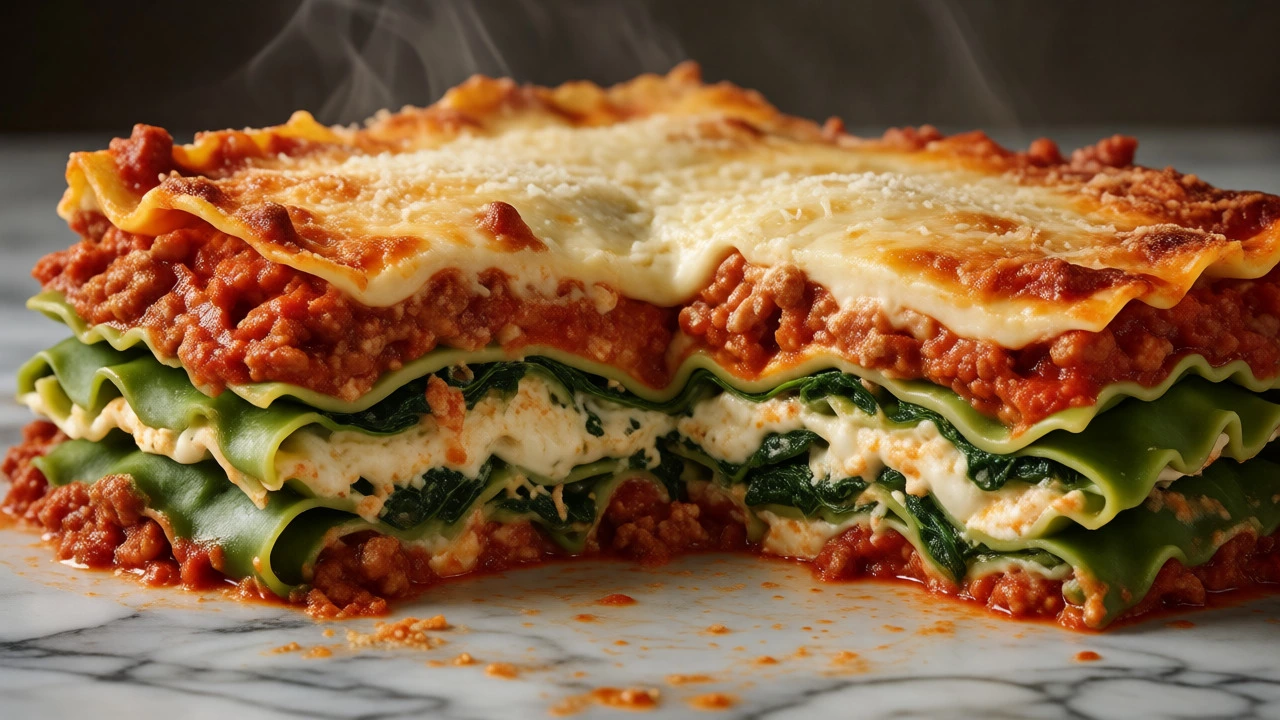
When people hear "lasagna," they often picture a dry, rubbery block of cheese and meat from a cafeteria tray. Real Italian lasagna, specifically Lasagne alla Bolognese, is a moist, layered comfort food that requires patience. It consists of green spinach pasta sheets, Ragù alla Bolognese, and Besciamella (béchamel sauce).
Note the spelling: Lasagne (plural) when referring to the pasta sheets, Lasagna (singular) when referring to the baked dish. The structure is crucial. You need a base layer of ragù to prevent sticking. Then a sheet of pasta. Then more ragù. Then a generous layer of béchamel. Then a sprinkle of Parmigiano Reggiano. Repeat.
The béchamel is the glue. Made from butter, flour, and milk, it provides moisture and richness. Without it, the dish dries out in the oven. Bake it covered for the first part to steam the layers, then uncover to brown the top. Let it rest for at least 15 minutes after baking. If you cut it immediately, it falls apart. Resting allows the sauces to set slightly, giving you clean, beautiful slices.
Why These Four?
You might wonder why we picked these four. What about Fettuccine Alfredo? Or Pesto Genovese? While those are popular globally, they don’t hold the same regional dominance in everyday Italian dining as these four. Carbonara represents Rome’s resourcefulness. Ragù represents Bologna’s agricultural wealth. Cacio e Pepe showcases the rustic Abruzzo tradition. Lasagna embodies the festive Sunday lunch culture of Emilia-Romagna.
Mastering these dishes teaches you fundamental techniques: emulsification (Carbonara/Cacio e Pepe), long braising (Ragù), and layering/baking (Lasagna). Once you understand the principles behind these classics, you can improvise with other shapes and local ingredients while keeping the soul of the dish intact.
Frequently Asked Questions
Can I use bacon instead of guanciale in Carbonara?
You can, but it changes the taste significantly. Guanciale has a unique funky, fermented flavor and higher fat content that renders differently. Bacon is smokier and leaner. If you must use bacon, choose unsmoked pancetta if possible, or accept that the dish will taste different from the Roman original.
Is there really no garlic in authentic Bolognese sauce?
Correct. The official recipe registered by the Camera di Commercio di Bologna does not include garlic. The sweetness comes from the carrot and onion in the soffritto. Garlic tends to overpower the delicate balance of meat and dairy in a traditional ragù.
Why does my Cacio e Pepe turn clumpy?
Clumping happens when the cheese hits high heat directly or when you don't use enough starchy pasta water. Always remove the pan from the heat before adding the cheese mixture. Whisk the cheese with warm (not boiling) pasta water to create a slurry first, then combine with the pasta.
Do Italians eat spaghetti with meatballs?
Rarely. Spaghetti with meatballs is largely an Italian-American invention. In Italy, meatballs (polpette) are usually eaten as a second course (secondo) on their own, or sometimes with tomato sauce and bread. They are not typically tossed with spaghetti.
What type of cheese is best for Lasagna?
Parmigiano Reggiano is the standard for sprinkling between layers and on top. Mozzarella is sometimes used in southern variations, but in Bologna, the focus is on the richness of the ragù and béchamel, with Parmigiano providing the salty, umami kick.