
Nutrient-Dense Foods: Eat More Nutrition, Less Filler
When we talk about nutrient-dense foods, foods that deliver high levels of vitamins, minerals, and other beneficial compounds with relatively few calories. Also known as power foods, they’re the foundation of eating well without overeating. These aren’t fancy superfoods or expensive supplements—they’re real, whole things like leafy greens, eggs, beans, lean meats, nuts, and seasonal vegetables that your grandparents would recognize. The goal isn’t to eat less, but to eat better—so every bite works harder for your body.
What makes a food nutrient-dense isn’t just one thing. It’s the vitamin-rich foods, foods high in essential vitamins like A, C, D, and K that support immunity, vision, and bone health, combined with mineral-rich foods, sources of iron, zinc, magnesium, and calcium that keep your muscles, nerves, and blood functioning. These foods also tend to be high in fiber and antioxidants, which help reduce inflammation and keep your digestion steady. You won’t find them in boxes with long ingredient lists. You’ll find them in the produce section, the meat counter, and your pantry if you stock beans, oats, or seeds.
People often think eating healthy means giving up flavor or spending hours cooking. But that’s not true. The best nutrient-dense meals are simple: a piece of chicken cooked with olive oil and herbs, a bowl of lentils with tomatoes and garlic, or scrambled eggs with spinach and mushrooms. These are the kinds of recipes you’ll find in our collection—meals that don’t just fill you up, but actually nourish you. You’ll see how to make chicken tender and juicy using methods that lock in nutrients, not just moisture. You’ll learn how to choose safe, gluten-free grains like rice that don’t sacrifice nutrition. And you’ll find out why plant-based meals, when done right, can be just as rich in protein and minerals as meat-based ones.
There’s no magic formula. It’s about stacking good choices. One meal at a time. One ingredient at a time. Whether you’re cooking for one, feeding a family, or just trying to feel better after a long day, the right foods make all the difference. Below, you’ll find real recipes and practical tips from home cooks and chefs who’ve figured out how to make nutrient-dense eating simple, affordable, and actually enjoyable—no fancy tools or strict diets required.
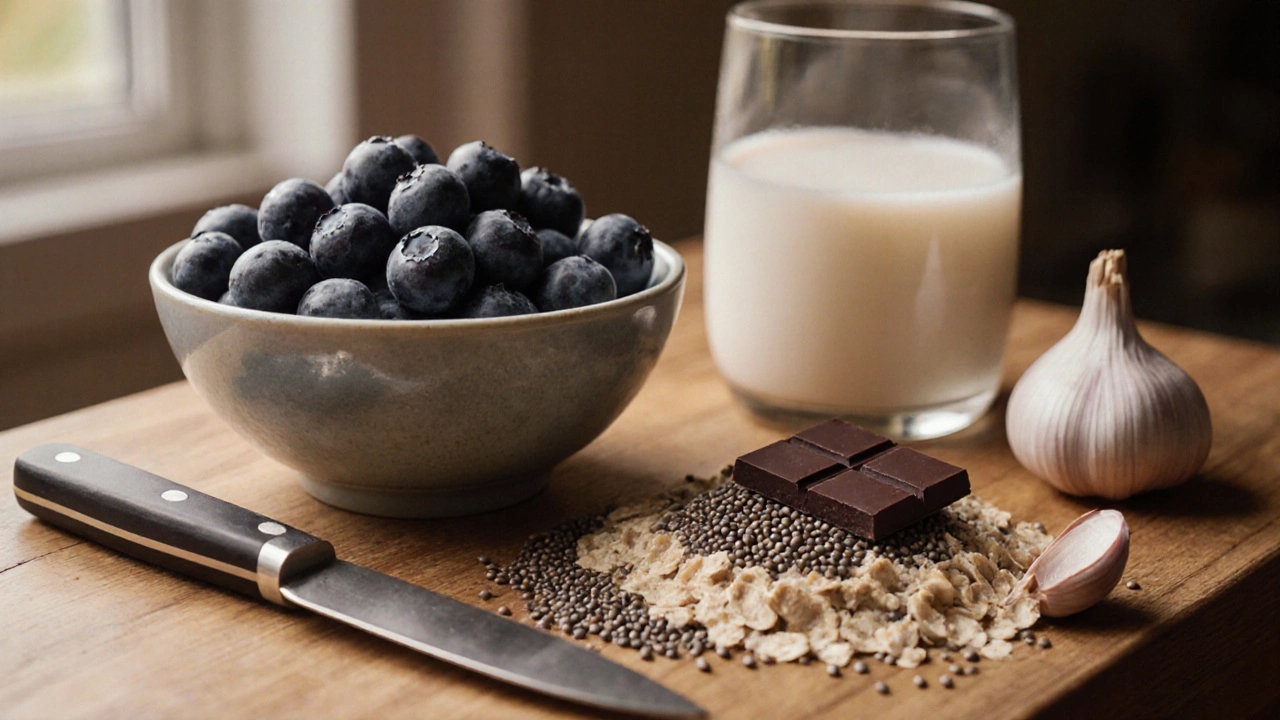
What Are the 7 Superfoods You Should Be Eating Every Day?
Discover the seven most effective superfoods backed by science-blueberries, kale, salmon, quinoa, chia seeds, dark chocolate, and garlic-and learn how to easily add them to your daily meals for lasting health benefits.
More Detail