
Dessert Pairing Calculator
Find Your Perfect Dessert Side
Select your dessert to discover complementary side dishes based on flavor science and texture contrast.
Recommended Pairings
Your dessert needs:
Most people think of dessert as the sweet ending to a meal - a slice of cake, a scoop of ice cream, or a warm brownie. But what if the dessert itself isn’t the whole story? The right side dish can turn an ordinary dessert into something unforgettable. It’s not about adding more sugar. It’s about balance - texture, temperature, and flavor contrast.
Why Side Dishes Matter With Desserts
Think of dessert like a song. The main melody is the sweet treat - maybe a rich chocolate tart or a light lemon sorbet. But the harmony? That’s the side dish. A scoop of vanilla bean ice cream beside warm apple pie isn’t just tradition. It’s science. The cold cream melts slightly, softening the pie’s crust and cutting through the sweetness. The same way a pinch of salt makes chocolate taste deeper, a side dish can lift the entire experience.
Many home bakers skip this step because they assume dessert stands alone. But if you’ve ever had a slice of warm bread pudding with a dollop of tart cranberry sauce, you know the difference. The side doesn’t compete. It completes.
Classic Dessert Side Dishes Everyone Loves
Some pairings have lasted for generations because they just work. Here are the most common ones you’ll find in homes, cafes, and restaurants:
- Whipped cream - Simple, light, and versatile. It’s not just for pies. Try it with berry crisps, poached pears, or even chocolate mousse. Use heavy cream with a touch of vanilla and a sprinkle of sugar - no need for store-bought spray.
- Vanilla ice cream - The universal dessert sidekick. It’s the go-to for hot desserts like bread pudding, peach cobbler, or molten chocolate cake. The contrast between hot and cold is what makes it magical.
- Crème fraîche or sour cream - Often overlooked, these add a subtle tang that cuts through rich desserts. They’re perfect with blueberry muffins, carrot cake, or a dense cheesecake.
- Fresh berries - Strawberries, raspberries, or blackberries add brightness and acidity. Serve them on the side of a sweet tart or fold them into yogurt to balance out a honey-glazed dessert.
- Sea salt flakes - Not a side dish in the traditional sense, but a sprinkle on top of caramel, chocolate, or butterscotch can transform it. It’s a trick chefs use to make sweetness pop.
- Toasted nuts - Almonds, pecans, or walnuts add crunch and earthiness. Sprinkle them over banana cream pie, apple crisp, or even a simple vanilla pudding.
Unexpected But Brilliant Pairings
Some side dishes break the mold - and they’re worth trying. These aren’t just random combos. They’re based on flavor science and regional traditions.
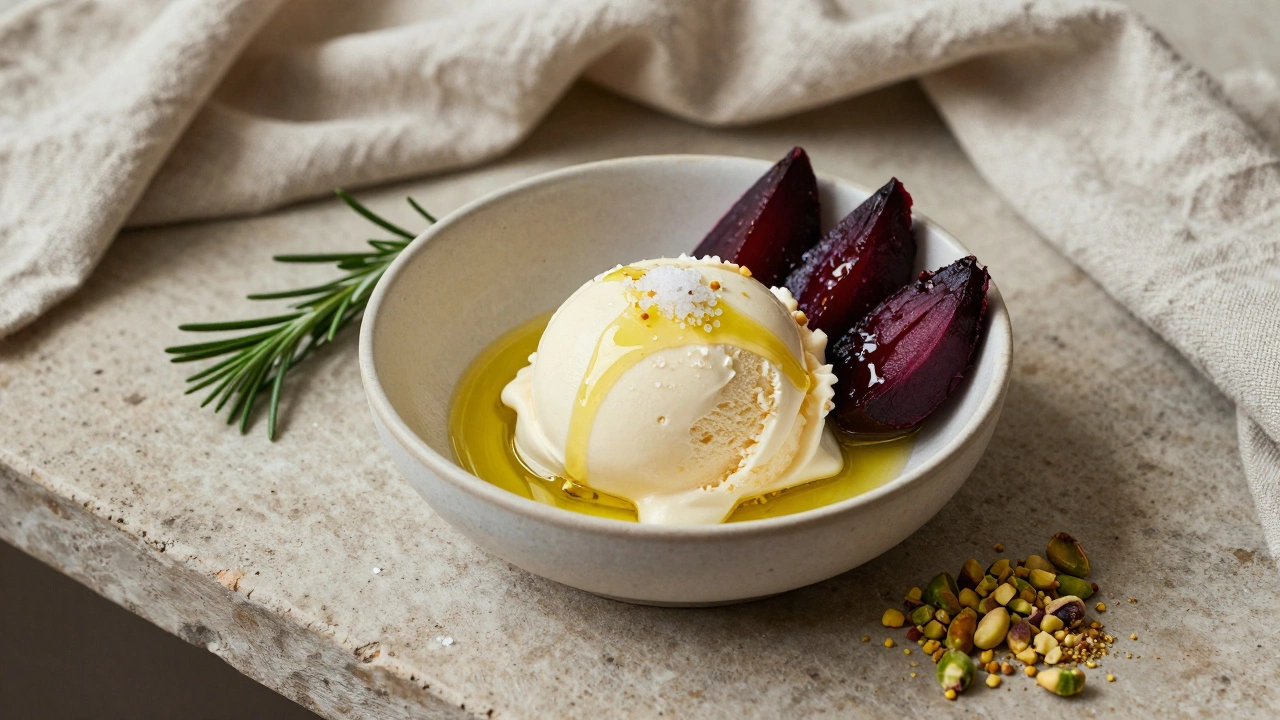
- Warm olive oil drizzle over vanilla gelato - Popular in Italy, a high-quality extra virgin olive oil adds fruity notes and a silky texture. It sounds strange until you taste it. Try it with a scoop of plain gelato and a pinch of flaky salt.
- Roasted vegetables with honey-glazed desserts - Yes, really. Roasted beets or carrots with a honey glaze can be served alongside a spice cake or gingerbread. The earthy sweetness mirrors the dessert without overpowering it.
- Herb-infused cream - A whisper of rosemary or thyme whipped into cream adds depth to fruit tarts or custards. It’s subtle, but it changes everything.
- Dark chocolate shavings on citrus desserts - A lemon tart with a few curls of 70% dark chocolate? The bitterness balances the tartness. It’s a classic in French patisseries.

Temperature and Texture Play
The best dessert sides don’t just taste good - they feel good. Texture contrast is just as important as flavor.
Think about this: a warm, gooey chocolate lava cake is amazing on its own. But add a scoop of cold, firm vanilla ice cream and a sprinkle of crunchy sea salt? Now it’s a full sensory experience. The cream melts slowly, the salt crunches, and the cake oozes. That’s why restaurants serve desserts with multiple elements.
Here’s a quick rule: if your dessert is soft, add something crunchy. If it’s cold, add something warm. If it’s sweet, add something tart or salty. It’s not complicated. It’s just intentional.
How to Choose the Right Side for Your Dessert
Not every dessert needs a side. But if you want to elevate it, ask yourself three questions:
- Is it too sweet? - If yes, add acidity (berries, citrus, yogurt) or salt (flakes, caramel sauce).
- Is it too heavy? - Lighten it with whipped cream, a fruit compote, or a crisp cookie on the side.
- Is it too simple? - Add texture. Toasted nuts, crumbled shortbread, or a drizzle of balsamic reduction can make a plain dessert feel special.
For example: a plain vanilla panna cotta? Add a spoonful of raspberry coulis and a few crushed pistachios. Instant upgrade. No extra baking. Just smart pairing.
What to Avoid
Some side dishes fight with dessert instead of helping it.
- Don’t serve another sweet dessert - Two cakes, two pies, or ice cream with a cookie? That’s overload. Stick to one star.
- Avoid overly spicy sides - Chili or hot sauce might work with savory dishes, but they clash with most desserts unless you’re going for a very specific flavor profile (like Mexican hot chocolate).
- Don’t overdo the garnish - A single mint leaf is fine. A whole bouquet of herbs? It looks like a salad.
The goal isn’t to fill the plate. It’s to enhance what’s already there.
Seasonal Ideas for Every Time of Year
What works in July might not feel right in December. Adjust your sides with the seasons.
- Spring - Fresh strawberries with a balsamic drizzle beside a light almond cake.
- Summer - Grilled peaches with a scoop of mascarpone and a sprinkle of black pepper.
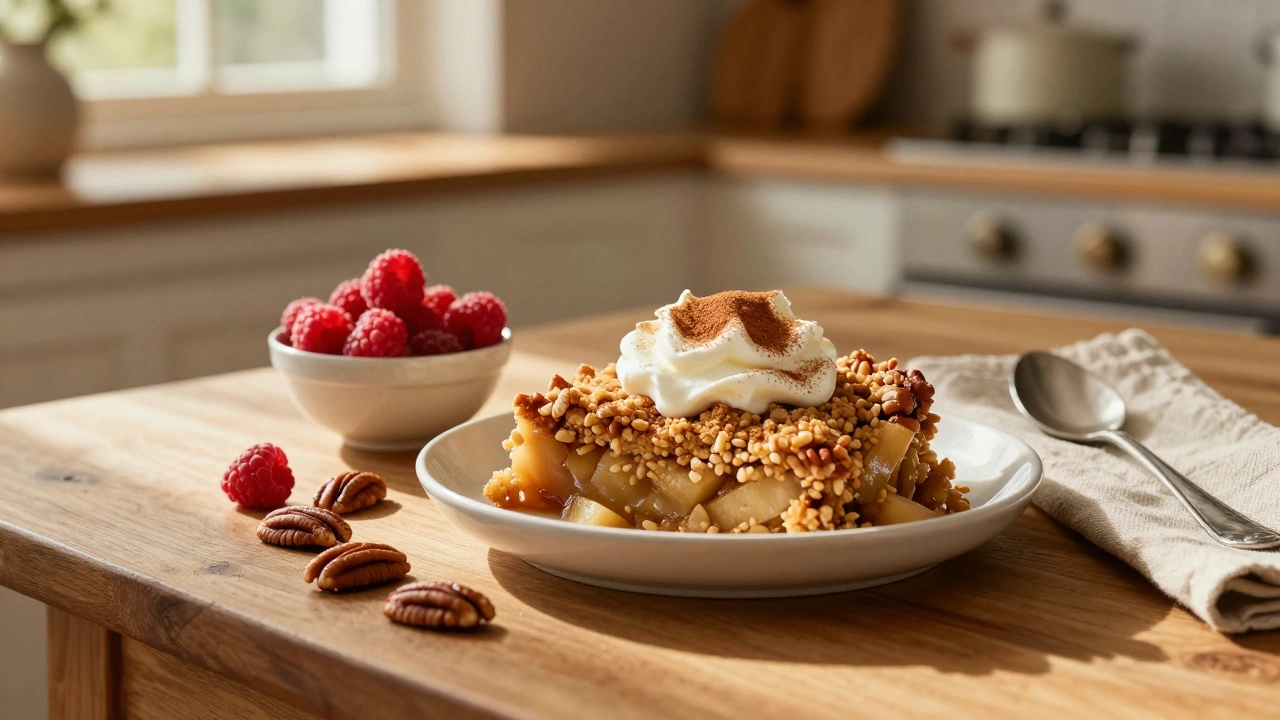
- Fall - Warm apple crisp with a dollop of cinnamon-spiked whipped cream and a few toasted pecans.
- Winter - Dark chocolate fondue with orange zest and a side of candied citrus peel.
Seasonal sides don’t need to be fancy. They just need to feel right for the moment.
Final Thought: Dessert Is a Team Sport
There’s no rule that says dessert has to be served alone. In fact, the best dessert experiences are layered - not just in flavor, but in thought. A side dish isn’t an afterthought. It’s a deliberate choice that turns a good dessert into a memorable one.
You don’t need a chef’s degree to do it. Just pay attention. Taste. Adjust. And remember: sometimes, the smallest addition makes the biggest difference.
What are the most common side dishes served with dessert?
The most common dessert side dishes include whipped cream, vanilla ice cream, fresh berries, crème fraîche, toasted nuts, and sea salt flakes. These add texture, temperature contrast, or flavor balance to sweet desserts without overwhelming them.
Can you serve savory items with dessert?
Yes - and it’s more common than you think. Roasted beets with honey glaze can pair well with spice cake, and a drizzle of high-quality olive oil on vanilla gelato is a classic Italian combination. The key is using savory elements that enhance, not compete with, the dessert’s sweetness.
Should you always serve a side with dessert?
No. Many desserts are perfect on their own - think a perfectly baked chocolate chip cookie or a simple fruit tart. But if the dessert feels too sweet, too heavy, or too plain, a well-chosen side can elevate it significantly.
What’s the best side dish for chocolate cake?
Vanilla ice cream is the classic choice - the cold cream cuts through the richness. For something more sophisticated, try dark chocolate shavings, a sprinkle of sea salt, or a spoonful of tart raspberry coulis. Each adds depth without competing.
How do you make a dessert side dish without extra work?
Use what you already have. A handful of fresh berries, a dollop of store-bought whipped cream, a sprinkle of nuts, or a pinch of flaky salt takes seconds. The goal isn’t complexity - it’s contrast. Even a small addition makes a big difference.