
Diabetic Honey Portion Calculator
Estimate how a specific amount of honey affects your daily carbohydrate intake and blood sugar response.
Input Your Details
Nutritional Breakdown
- Carbohydrates 0g
- Estimated Calories 0 kcal
- Glycemic Index Estimate N/A
Daily Budget Status
Budget Used: 0%
Remaining Allowance: 0g
Recommendation
Enter details to see personalized advice.
Select options and click "Calculate Impact" to view results.
You’re standing in the kitchen, spoon hovering over a jar of raw honey, wondering if you can drizzle it over your Greek yogurt without wrecking your blood glucose levels. It’s a common dilemma. We’ve been told our whole lives that sugar is the enemy, but then health blogs start praising honey as a "superfood." So, which is it? Is honey actually safe for people managing diabetes, or is it just white sugar with a fancy marketing team?
The short answer isn’t a simple yes or no. It depends on your current blood sugar control, the type of honey, and how much you use. But here’s the good news: you don’t have to banish sweetness from your life forever. You just need to be smarter about it.
The Quick Verdict: What You Need to Know Now
| Feature | Table Sugar (Sucrose) | Raw Honey | Diabetic Impact |
|---|---|---|---|
| Glycemic Index (GI) | ~65 | ~45-58 (varies by flower source) | Honey raises blood sugar slower than refined sugar. |
| Calories per tsp | 16 kcal | 21 kcal | Honey is denser; you might use less due to higher sweetness perception. |
| Nutrients | None (empty calories) | Trace antioxidants, enzymes, minerals | Honey offers minor anti-inflammatory benefits. |
| Processing | Highly refined | Can be raw/unprocessed | Raw honey retains more beneficial compounds. |
- Honey is not "free": It still spikes blood sugar. Treat it like any other carbohydrate.
- It beats refined sugar: Thanks to its lower Glycemic Index (GI) and trace nutrients, it’s a better choice than white sugar.
- Portion is king: One teaspoon is manageable for many; three tablespoons are not.
- Type matters: Raw, unfiltered honey is superior to processed commercial brands.
Why Honey Isn’t Just Another Sugar
To understand why honey gets a pass sometimes, you have to look at what’s actually inside the jar. White table sugar is pure sucrose-a disaccharide made of equal parts glucose and fructose. When you eat it, your body breaks it down instantly, flooding your bloodstream with glucose. This causes that sharp spike in blood sugar followed by a crash.
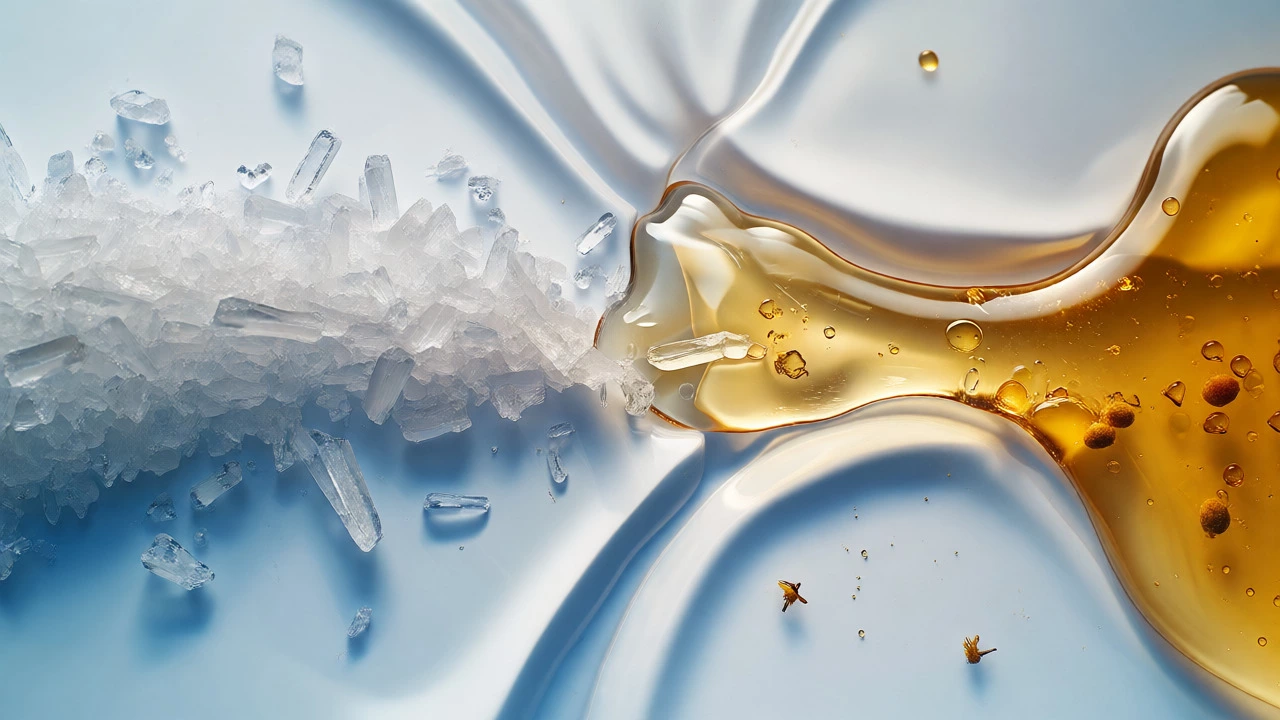
Raw Honey is different. While it also contains glucose and fructose, the ratio varies depending on the flowers the bees visited. More importantly, it contains water, pollen, enzymes, and phenolic compounds. These components slow down digestion slightly. The result? A gentler rise in blood glucose compared to an equivalent amount of sucrose.
Think of it this way: If refined sugar is a sprint, honey is a brisk walk. Both get you to the same place (high blood sugar), but the walk gives your insulin time to catch up. For someone with Type 2 Diabetes, whose insulin response is already sluggish, this timing difference is crucial.
The Glycemic Index Game
You’ve probably heard of the Glycemic Index (GI). It measures how quickly a food raises blood sugar. Pure glucose has a GI of 100. White sugar sits around 65. Honey ranges from 45 to 58, depending on the floral source.
Here’s where it gets interesting. Acacia honey has a low GI (around 32) because it’s high in fructose, which doesn’t require insulin to enter cells. Clover honey, however, is higher in glucose and hits closer to a GI of 55. If you’re sensitive to carbs, choosing a low-GI honey like Acacia or Buckwheat can make a tangible difference in your post-meal readings.
But don’t let the number fool you. A low GI doesn’t mean "low carb." A tablespoon of honey still packs about 17 grams of carbohydrates. That’s nearly half of the typical 30-gram carb allowance for a snack in many diabetic meal plans. Always count the carbs first, worry about the GI second.
Real Benefits Beyond the Taste
If honey were only about taste, we’d stick to artificial sweeteners. But research suggests real physiological benefits. Studies published in journals like Phytotherapy Research indicate that regular, moderate consumption of raw honey may improve lipid profiles-lowering LDL (bad) cholesterol and triglycerides while raising HDL (good) cholesterol. Since people with diabetes are at higher risk for heart disease, this is a significant plus.
There’s also evidence regarding inflammation. Chronic inflammation drives insulin resistance. The antioxidants in honey, such as flavonoids and phenolic acids, act as scavengers for free radicals. They don’t cure diabetes, but they help create a healthier internal environment for your cells to respond to insulin.
One caveat: Most studies showing these benefits involve controlled doses, often 1-2 tablespoons daily, replacing other sugars. If you add honey on top of your usual sugar intake, you’re just adding calories and carbs, negating the benefits.
How to Use Honey Without Spiking Your Glucose
So, you want to use honey. How do you do it safely? Here is a practical framework I use when advising clients in my practice.
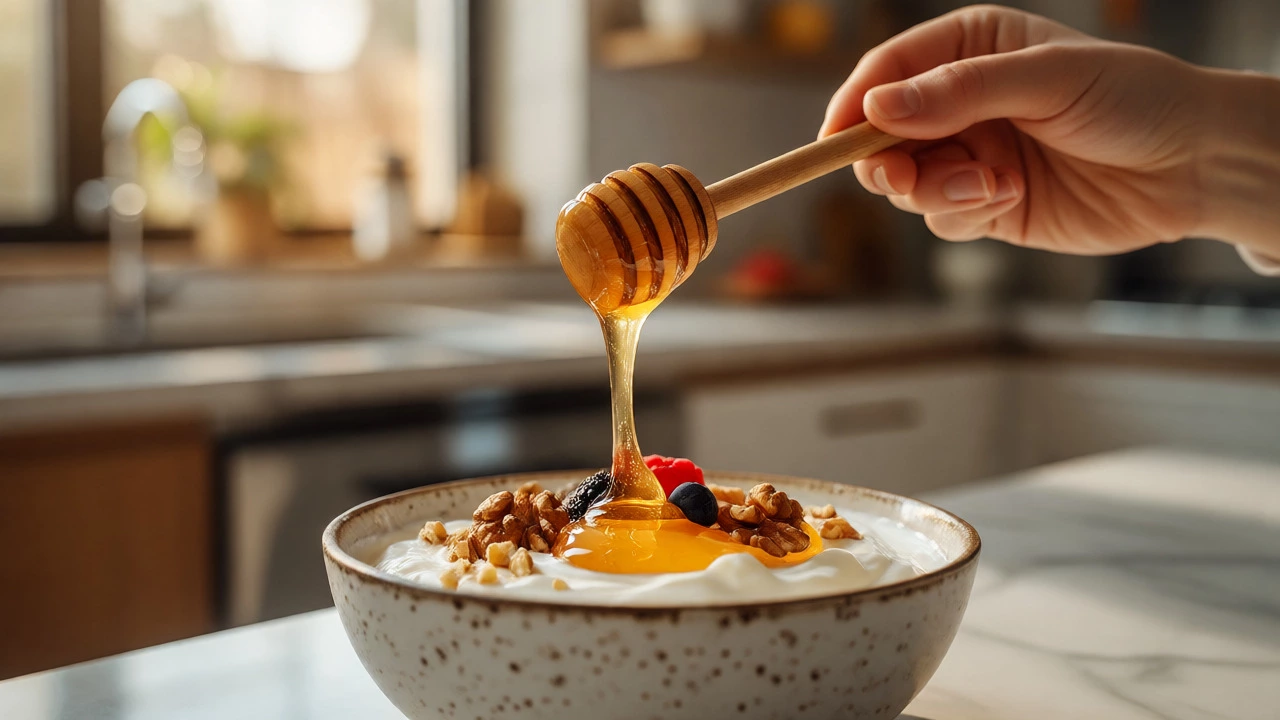
- Pair it with protein or fat: Never eat honey alone. Drizzling it on plain toast causes a spike. Drizzling it on Greek yogurt with walnuts slows absorption. The fat and fiber buffer the sugar rush.
- Measure strictly: Use a measuring spoon, not a random dip. One level teaspoon is roughly 5g of carbs. Stick to one or two teaspoons max per serving.
- Choose raw over pasteurized: Pasteurization destroys the enzymes and reduces antioxidant activity. Look for labels that say "raw," "unfiltered," or "cold-pressed." Avoid anything labeled "blended" or with added corn syrup.
- Monitor your CGM or meter: Everyone reacts differently. Test your blood sugar two hours after consuming honey. If it stays within your target range, you’re good. If it jumps 50+ points, cut the portion in half next time.

Honey vs. Other Natural Sweeteners
Honey isn’t the only player in town. How does it stack up against maple syrup, agave, and stevia? Let’s break it down.
| Sweetener | Glycemic Index | Carbs per Tbsp | Best For |
|---|---|---|---|
| Honey | 45-58 | 17g | Baking, tea, glazes (flavor depth). |
| Maple Syrup | 54 | 13g | Oats, pancakes (lower calorie density). |
| Agave Nectar | 15-30 | 16g | Cold drinks (very high fructose, bad for liver in excess). |
| Stevia | 0 | 0g | Zero-carb needs, baking (can have bitter aftertaste). |
| Monk Fruit | 0 | 0g | Desserts, beverages (clean taste). |
Notice Agave? It has a super low GI, which looks great on paper. But it’s almost entirely fructose. High fructose intake can lead to fatty liver issues and increased uric acid, which is risky for diabetics who often have metabolic syndrome. Stevia and Monk Fruit are technically "better" for blood sugar control because they have zero impact. But if you crave the mouthfeel and flavor of real sugar, honey is the best compromise between taste and metabolic health.
Common Pitfalls to Avoid
I see people make the same mistakes repeatedly. First, the "Health Halo" effect. Because honey is natural, people assume it’s healthy in unlimited quantities. It’s not. It’s calorie-dense. Gaining weight makes insulin resistance worse. Keep your total caloric intake in check.
Second, buying fake honey. Many supermarket "honeys" are actually corn syrup blends with a splash of real honey for color. Check the ingredient list. It should say "Honey" and nothing else. If it lists high-fructose corn syrup, put it back.
Third, ignoring individual tolerance. Some Type 1 diabetics handle small amounts of honey well, especially if their basal rates are dialed in. Others find even a teaspoon throws them off all day. There is no universal rule. Your continuous glucose monitor (CGM) data is your best friend here.
Delicious Ways to Include Honey in a Diabetic Diet
You don’t need elaborate recipes. Simple swaps work best. Try stirring half a teaspoon of cinnamon-infused honey into warm oatmeal instead of brown sugar. The cinnamon adds another layer of blood-sugar stabilization. Or, use a tiny bit of lemon-honey dressing on a spinach salad with grilled chicken. The acidity of the lemon further blunts the glycemic response.
For dessert lovers, try dark chocolate (85% cocoa or higher) with a single drop of high-quality Manuka honey on top. The bitterness of the chocolate balances the sweetness, so you need less honey to satisfy the craving.
Can Type 1 diabetics eat honey?
Yes, but it requires careful insulin dosing. Because honey affects blood sugar similarly to other carbs, you must count the grams of carbohydrates accurately and adjust your bolus insulin accordingly. Start with very small amounts to test your personal sensitivity.
Is raw honey better than regular honey for diabetes?
Generally, yes. Raw honey retains enzymes and antioxidants that are destroyed during pasteurization. These compounds may offer slight anti-inflammatory benefits and a marginally lower glycemic impact compared to heavily processed commercial honeys.
How much honey can a diabetic have per day?
There is no fixed limit, but most experts suggest limiting added sugars to under 25-50 grams per day. For honey specifically, staying under 1-2 teaspoons (5-10 grams of carbs) per day is a safe starting point for most people, provided it fits within your total carbohydrate budget.
Does honey raise blood sugar faster than fruit?
Usually, yes. Whole fruits contain fiber, which significantly slows sugar absorption. Honey lacks fiber. Even though honey has a lower GI than some tropical fruits, the lack of buffering fiber means it can hit the bloodstream quicker than an apple or pear eaten whole.
What is the best type of honey for diabetics?
Look for monofloral honeys with a known low GI, such as Acacia, Chestnut, or Buckwheat honey. Acacia is particularly popular because its high fructose content results in a slower blood sugar rise compared to clover or wildflower blends.