
Weight Loss Dinner Builder
Select your base protein, add vegetables, and choose a sauce to see if your dinner meets the "High Protein + High Fiber + Low Refined Carbs" criteria for effective weight loss.
Select ingredients to see your estimated calories and weight loss score.
Your Dinner Profile
Why this works:
You’ve probably heard the old saying that you shouldn’t eat after 6 PM. But let’s be honest: skipping dinner often leads to a midnight raid on the biscuit tin, which is far worse for your waistline than a well-plated meal. The truth is, there isn’t one single "magic" dinner that melts fat while you sleep. Instead, the best dinner for weight loss is a strategic combination of high protein, fiber-rich vegetables, and controlled portion sizes that keeps you full without spiking your blood sugar before bed.
Think about it. If you eat a heavy pasta carbonara at 8 PM, your body spends the night digesting fats and refined carbs rather than resting or repairing muscle. But if you eat a grilled salmon fillet with roasted broccoli, you’re giving your metabolism the right tools to keep working efficiently overnight. This article breaks down exactly what makes a dinner effective for shedding pounds, gives you concrete examples you can cook tonight, and explains why timing matters more than you think.
The Science Behind Your Evening Meal
Your metabolism doesn’t shut off when you go to bed, but it does slow down. During sleep, your body focuses on repair and hormone regulation. Insulin sensitivity-how well your cells respond to insulin-drops slightly in the evening compared to the morning. This means your body is less efficient at processing carbohydrates late at night. If you load up on bread or sugary sauces, that energy has nowhere to go except storage as fat.
However, protein behaves differently. Protein is a macronutrient essential for muscle repair and satiety. It requires more energy to digest than carbs or fats (a process called the thermic effect of food). Eating lean protein at dinner helps preserve muscle mass while you lose fat. Muscle tissue burns more calories at rest than fat tissue does, so keeping your muscles happy directly supports your weight loss goals.
Fiber is the other hero here. Vegetables add volume to your plate without adding many calories. A big bowl of spinach takes up space in your stomach, sending signals to your brain that you are full. This prevents overeating later in the evening. So, the formula is simple: High Protein + High Fiber + Low Refined Carbs = Effective Weight Loss Dinner.
Top 5 Dinner Ideas That Actually Work
Forget bland chicken breasts boiled until they taste like cardboard. You need flavor to stick with this lifestyle. Here are five specific dinner concepts that hit the sweet spot of nutrition and satisfaction.
| Dish Type | Key Ingredients | Approx. Calories | Why It Works |
|---|---|---|---|
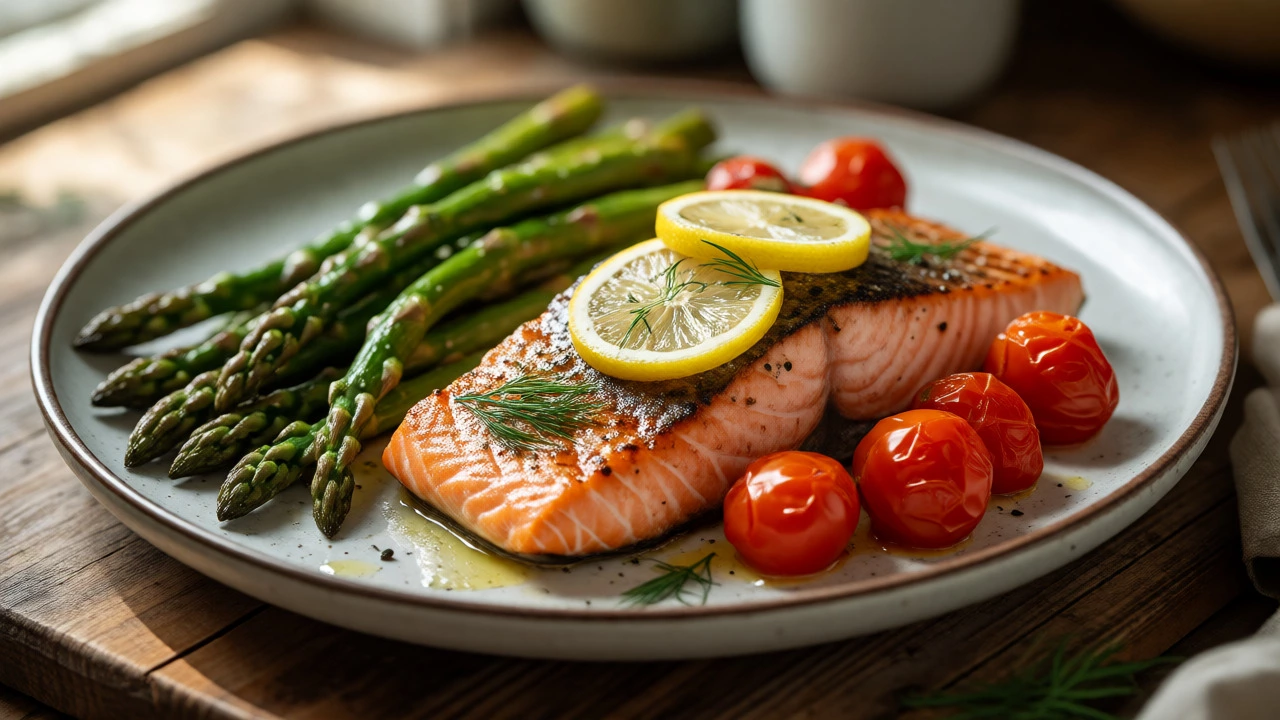
| Grilled Salmon & Asparagus | Salmon, lemon, olive oil, asparagus | 350-400 kcal | Omega-3s reduce inflammation; high satiety from fat/protein combo. |
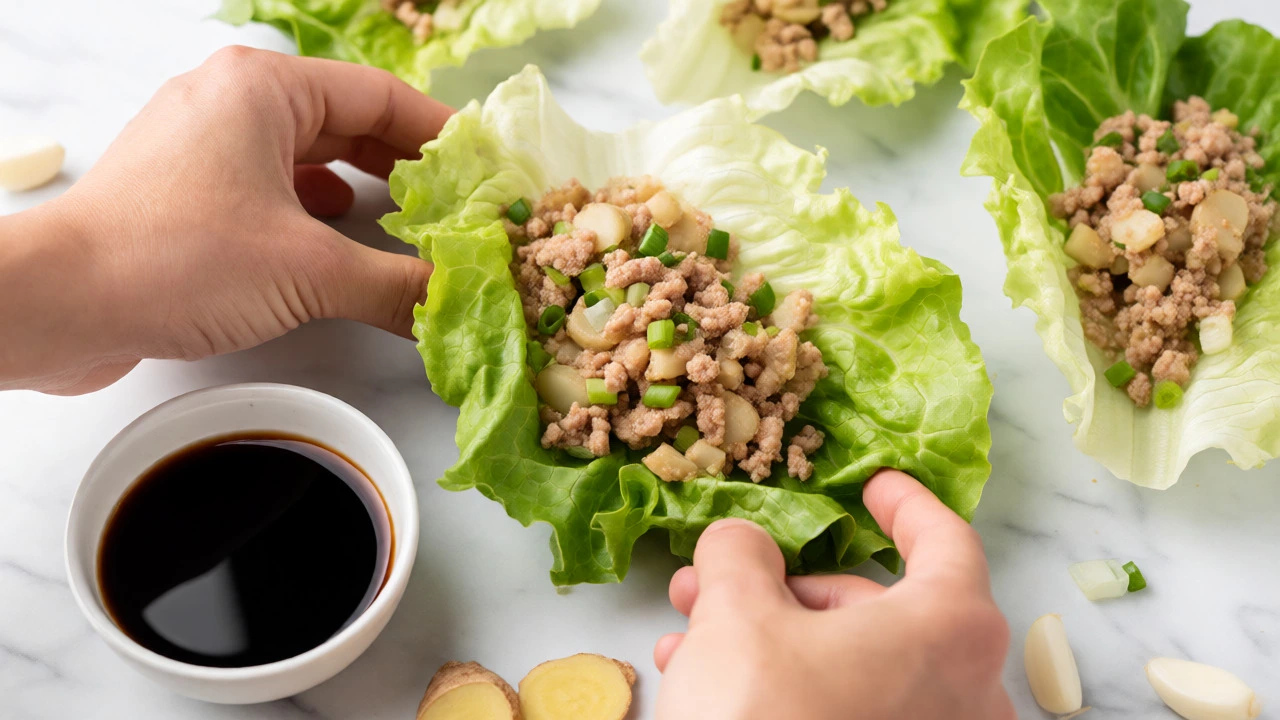
| Turkey Lettuce Wraps | Lean ground turkey, water chestnuts, soy sauce, romaine lettuce | 250-300 kcal | Low carb, high crunch factor, feels like a treat without the buns. |
| Zucchini Noodle Bolognese | Zucchini, lean beef mince, tomato sauce, herbs | 300-350 kcal | Cuts out heavy pasta carbs while keeping the comfort food vibe. |
| Lentil Soup | Green lentils, carrots, celery, broth, cumin | 250-300 kcal | High fiber stabilizes blood sugar; very filling for low cost. |
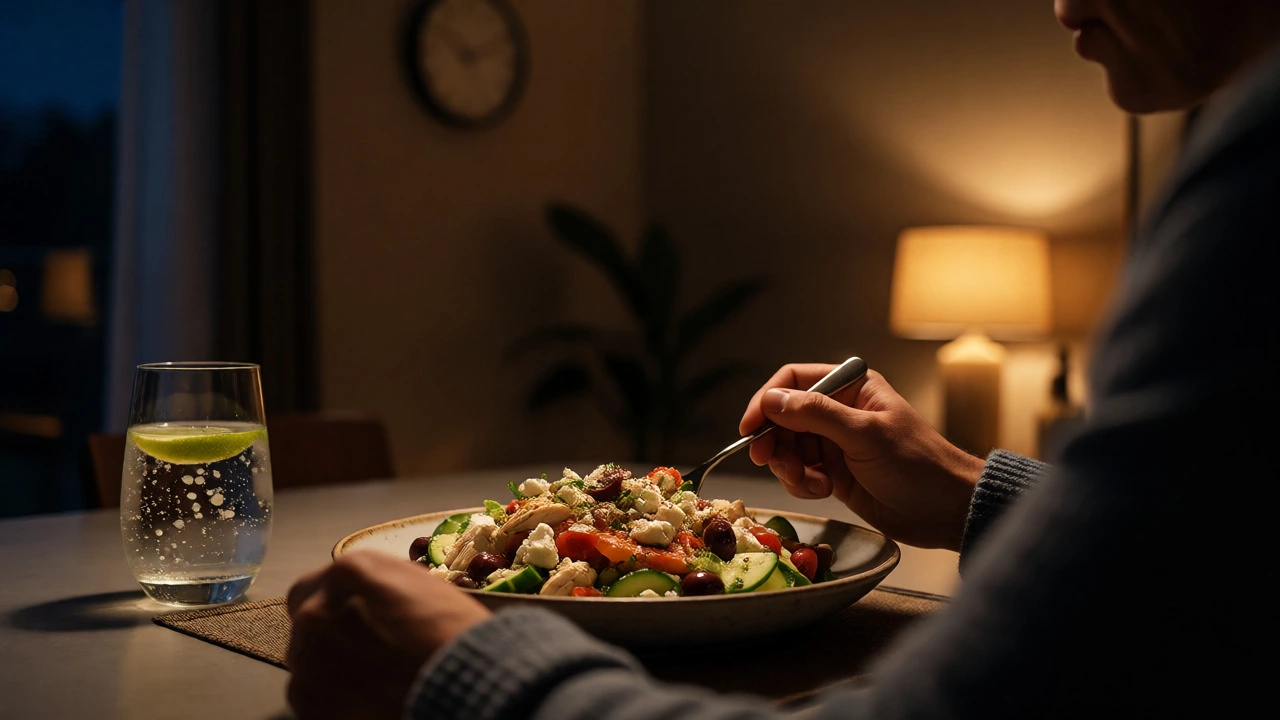
| Greek Chicken Salad | Grilled chicken, cucumber, tomatoes, feta, olives, oregano | 350-400 kcal | Fresh ingredients hydrate; feta provides strong flavor with small portions. |
1. Grilled Salmon with Roasted Vegetables
Salmon is expensive, yes, but it’s worth the investment for dinner. Why? Because it’s packed with Omega-3 fatty acids. Research suggests these healthy fats may help regulate hunger hormones like leptin. Pair it with non-starchy veggies like asparagus, zucchini, or Brussels sprouts. Toss them in a teaspoon of olive oil and roast them alongside the fish. One pan, minimal cleanup, maximum nutrient density.
2. Turkey Lettuce Wraps
If you crave something savory and saucy, skip the hamburger bun. Use large butter lettuce leaves as wraps. Cook lean ground turkey with garlic, ginger, and a splash of low-sodium soy sauce. Add chopped water chestnuts for crunch. The result is a meal that feels indulgent but clocks in under 300 calories. It’s perfect for those nights when you want Chinese takeout vibes without the fried rice guilt.
3. Zucchini Noodles (Zoodles) with Lean Meat Sauce
Pasta is the enemy of most diets because it’s calorie-dense and easy to overeat. Spiralize some zucchini into noodles. Sauté lean ground beef or turkey with onions and garlic, then mix in sugar-free marinara sauce. Serve the meat sauce over the warm zoodles. You get the texture and flavor profile of spaghetti but cut the carbohydrate load by nearly 80%. Just don’t overcook the zoodles-they should stay al dente.
4. Hearty Lentil Soup
Lentils are a powerhouse. They are cheap, shelf-stable, and incredibly filling due to their high fiber and protein content. Make a big batch on Sunday using green or brown lentils, carrots, celery, and vegetable broth. Season heavily with cumin and paprika for depth. Eat a small bowl with a side salad. It warms you up, satisfies cravings, and keeps you full until morning.
5. Greek Chicken Salad
This isn’t just a lunch idea. For dinner, make sure the chicken is grilled and seasoned well. Mix chopped cucumbers, cherry tomatoes, red onion, kalamata olives, and a modest amount of feta cheese. Dress it with olive oil and red wine vinegar. The key here is portion control on the feta and olives, as both are calorie-dense. It’s fresh, hydrating, and requires zero cooking time beyond grilling the chicken.
Timing Matters: When Should You Eat?
We mentioned earlier that insulin sensitivity drops in the evening. So, when is the ideal time to eat? Aim to finish your last major meal at least three hours before bedtime. If you go to bed at 11 PM, try to eat by 7:30 or 8 PM. This window allows your body to complete primary digestion before you lie down, reducing acid reflux and allowing growth hormone release during sleep to focus on fat burning rather than digestion.
What if you’re genuinely hungry an hour before bed? Don’t starve yourself. Have a small snack rich in casein protein, like cottage cheese or a handful of almonds. Casein digests slowly, providing a steady stream of amino acids to your muscles overnight without spiking insulin significantly.
Pitfalls to Avoid
Even with good intentions, people sabotage their dinners. Here are common traps:
- The "Healthy" Dressing Trap: Many store-bought dressings are loaded with sugar and seed oils. Always check labels. Stick to homemade vinaigrettes or simple olive oil and lemon juice.
- Drinking Your Calories: Wine is popular with dinner, but alcohol halts fat burning. Your liver prioritizes metabolizing alcohol over burning fat. Limit yourself to one glass or swap for sparkling water with lime.
- Ignoring Portion Sizes: Avocado and nuts are healthy fats, but they are calorie bombs. Half an avocado is fine; two avocados might undo your calorie deficit.
- Eating Too Fast: It takes about 20 minutes for your brain to register fullness. Put your fork down between bites. Chew thoroughly. Enjoy the meal.
Building a Sustainable Routine
You don’t need to reinvent your kitchen every night. Batch cooking is your friend. Prep proteins and chop veggies on the weekend. When Tuesday rolls around and you’re exhausted, having ready-to-go components means you’ll choose the grilled chicken and broccoli over ordering pizza. Consistency beats perfection. If you miss the mark one night, just reset the next day. Weight loss is a marathon, not a sprint, and your dinner plate is your daily checkpoint.
Remember, the best diet is the one you can stick to. If you hate eating plain steamed fish, find a way to season it deliciously. Experiment with spices like turmeric, chili flakes, and smoked paprika. They add zero calories but massive flavor. Keep your meals varied so you don’t get bored, but keep the structure consistent: lean protein, plenty of greens, and mindful portions.
Is it true that eating carbs at night causes weight gain?
Not necessarily. Total daily calorie intake matters most. However, insulin sensitivity is lower at night, so your body may store excess carbs as fat more easily than in the morning. Reducing refined carbs at dinner can help manage blood sugar and hunger levels, but complex carbs like quinoa or sweet potatoes are fine in moderation.
How many calories should I eat for dinner to lose weight?
It depends on your total daily goal, but generally, aiming for 300-500 calories for dinner is a safe range for most adults seeking weight loss. Ensure this meal includes at least 20-30 grams of protein to maximize satiety and muscle preservation.
Can I eat fruit for dinner?
Yes, but be mindful of type and quantity. Berries, apples, and pears are great choices due to high fiber and lower sugar content compared to tropical fruits like mangoes or grapes. Pair fruit with a source of protein or fat, such as Greek yogurt or nuts, to slow sugar absorption.
What is the worst dinner for weight loss?
Meals high in refined carbohydrates and saturated fats are typically the worst offenders. Examples include creamy pastas, deep-fried foods, and heavy cream-based sauces. These are calorie-dense, low in nutrients, and can lead to sluggish digestion and poor sleep quality.
Should I take supplements with my weight loss dinner?
Whole foods are always superior. However, if you struggle to meet protein needs, a whey or plant-based protein shake can be a convenient addition. Magnesium supplements taken at night may also support better sleep, which indirectly aids weight loss by regulating hunger hormones.