
Gluten Danger Detector
Start typing above to scan the database for hidden gluten risks.
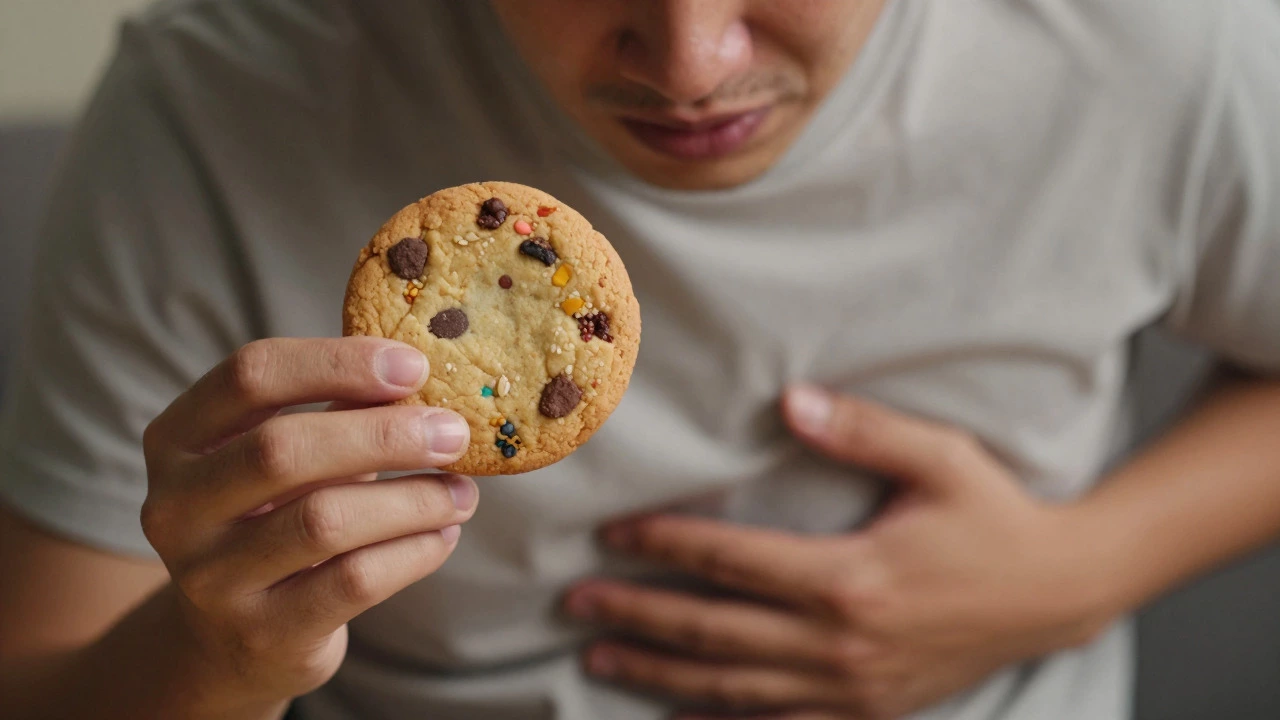
Imagine biting into a delicious-looking cookie, only to feel your stomach churn an hour later. For the millions of people living with gluten intolerance, which includes those with non-celiac gluten sensitivity and celiac disease, this isn't just a bad meal-it’s a health crisis. You might think you know what contains gluten. Bread, pasta, beer? Easy. But the real danger lies in the shadows: the sauces, the snacks, and the processed foods that look innocent but are packed with wheat, barley, or rye.
Finding out exactly which foods to avoid is the first step toward feeling better. It’s not just about swapping bread for rice; it’s about understanding how gluten hides in plain sight. This guide breaks down the worst offenders, from obvious staples to sneaky culprits, so you can navigate grocery aisles and restaurant menus with confidence.
The Big Three: Obvious Gluten Sources
Before we get into the tricky stuff, let’s address the elephants in the room. If you have gluten intolerance, these three grains are your primary enemies. They contain proteins that trigger inflammation in sensitive individuals.
- Wheat: This is the most common source. It’s not just in bread. Wheat flour is in everything from pizza crusts to thickening agents in soups. Even "wheat-free" labels can be misleading if they don’t specify "gluten-free," as other grains might still be present.
- Barley: Often found in soups, stews, and malt vinegar. Barley has a high gluten content and is frequently used in beer brewing, making most beers off-limits unless specifically labeled gluten-free.
- Rye: Common in dark breads and some cereals. Rye is often mixed with wheat to improve texture, so even small amounts can cause significant reactions.
Avoiding these entirely seems simple until you realize how deeply embedded they are in our food supply. That’s why reading labels isn’t just a suggestion; it’s a survival skill.
Sneaky Sauces and Condiments
You’ve got your grilled chicken and roasted veggies ready. Then you reach for the soy sauce. Stop. Most traditional soy sauce is made from fermented soybeans and wheat. It’s one of the most common mistakes people make when starting a gluten-free diet.
Sauces are notorious for hiding gluten because manufacturers use it as a thickener or flavor enhancer. Here are the usual suspects:
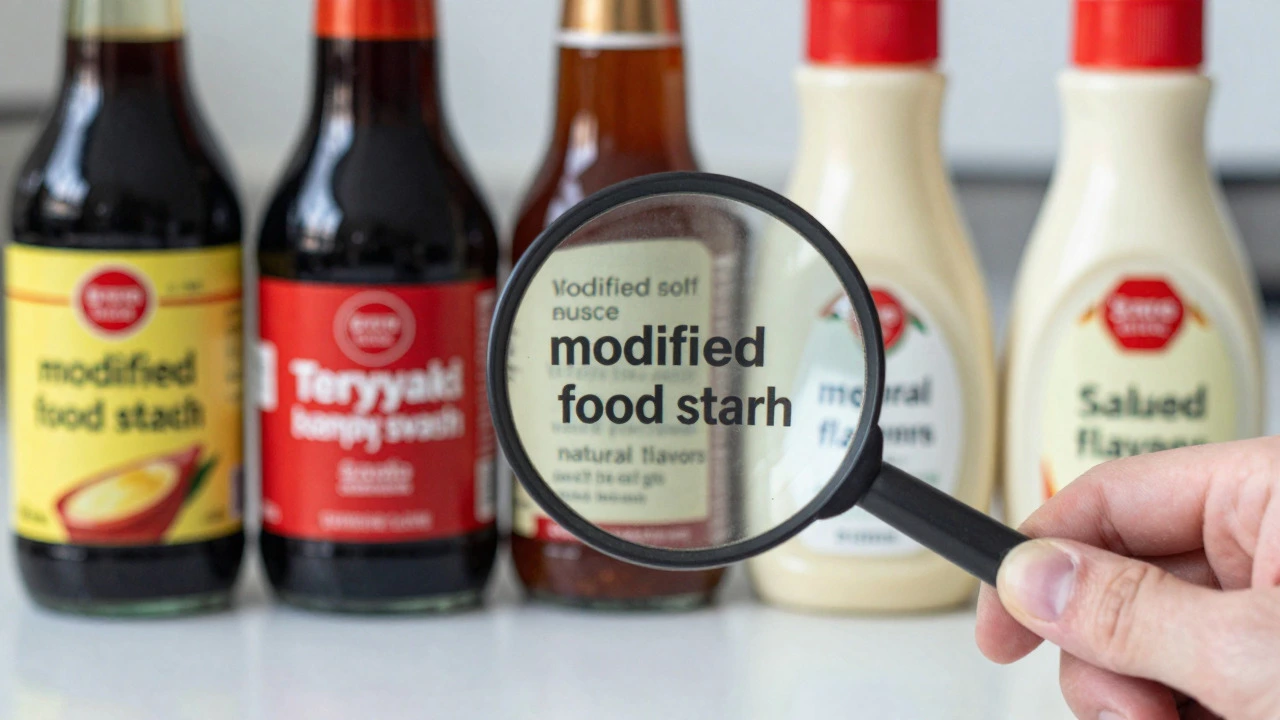
- Gravy: Almost all pre-made gravies use wheat flour to thicken. Check the ingredients list carefully. If you see "modified food starch" without specifying corn or potato, assume it’s wheat.
- Teriyaki Sauce: Like soy sauce, teriyaki usually contains wheat. Look for tamari instead, which is a Japanese soy sauce alternative that is often gluten-free (but always check the label).
- French Dressing: Many salad dressings use wheat-based stabilizers. Creamy dressings are particularly risky due to added thickeners.
- Malt Vinegar: Made from barley, malt vinegar contains gluten. Distilled white vinegar is generally safe because the distillation process removes gluten proteins, but malt vinegar is a definite no-go.
When dining out, ask questions. A drizzle of sauce on a side dish can ruin an otherwise safe meal. Always opt for oil and vinegar combinations when in doubt.
Processed Snacks and Baked Goods
Snacking should be easy, but for those with gluten intolerance, it’s a minefield. Processed snacks rely heavily on wheat flour for structure and crunch. Even if a snack doesn’t taste like bread, it likely contains gluten.
| Food Item | Why It’s Risky | Safe Alternative |
|---|---|---|
| Pretzels | Made primarily from wheat flour | Popcorn (air-popped) |
| Candy Bars | Often contain cookies, crisps, or malt | Dark chocolate (check for wheat derivatives) |
| Chips & Crackers | Flavorings often include wheat-based seasonings | Vegetable chips or rice cakes |
| Granola Bars | Usually bound with oats or wheat flour | Certified gluten-free granola bars |
Even natural flavors can be derived from gluten-containing grains. Manufacturers aren’t always required to list every sub-ingredient, so vague terms like "natural flavoring" should raise a red flag. When buying snacks, look for the certified gluten-free seal. This certification means the product has been tested and contains less than 20 parts per million (ppm) of gluten, the threshold considered safe for most people with celiac disease.
The Oat Controversy
Oats are naturally gluten-free. So why are they often banned on strict gluten-free diets? The answer is cross-contamination. Oats are frequently grown, harvested, and processed alongside wheat, barley, and rye. Tiny bits of gluten can end up in oat products during production.
If you want to eat oats, you must buy ones labeled "certified gluten-free." Regular oats from the bulk bin or standard grocery aisle are risky. Even then, some people with celiac disease react to avenin, a protein in oats that is structurally similar to gluten. Start slowly if you’re reintroducing oats, and monitor your body’s response.
Restaurant Risks: Cross-Contamination
Eating out adds another layer of complexity. Even if a menu item looks safe, the kitchen environment might not be. Cross-contamination happens when gluten-free food touches surfaces, utensils, or fryers that have handled gluten-containing foods.
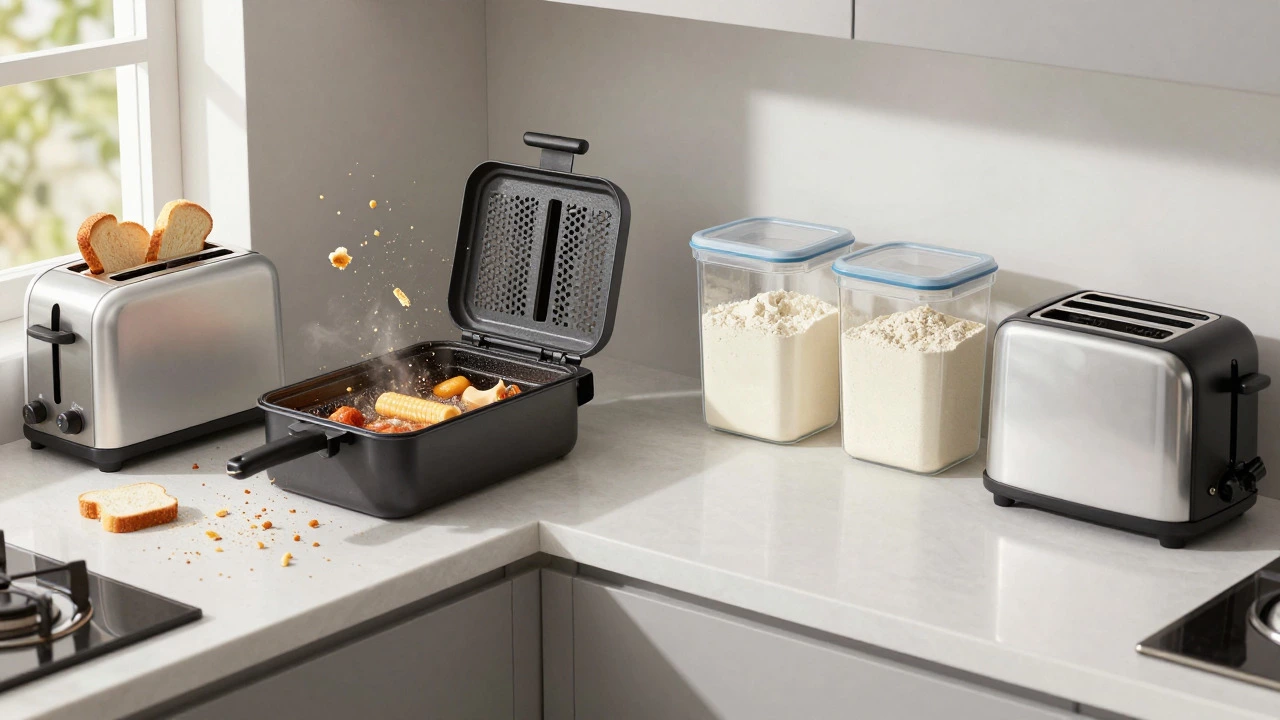
- Deep Fryers: Fries cooked in the same oil as onion rings or breaded chicken are contaminated. The gluten proteins survive the heat and transfer to the fries. Ask for baked fries instead.
- Toasters: Shared toasters are a major issue. Crumbs from previous toastings linger in the slots. Request fresh bread heated in a pan or foil rather than toasted.
- Condiment Jars: Double-dipping knives spread gluten. Ask for single-serve packets or freshly squeezed lemon wedges.
Communicate clearly with your server. Say, "I have a medical condition called celiac disease/gluten intolerance. I need to avoid cross-contamination." This signals seriousness and prompts the kitchen to take extra precautions.
Hidden Gluten in Medications and Supplements
It’s not just food. Gluten can hide in pills. Some medications use wheat starch as a binder to hold the tablet together. While the amount is small, it can add up over time.
Always check the inactive ingredients list on medication packaging. If it lists "wheat starch" or "barley extract," talk to your pharmacist about alternatives. Many brands now offer gluten-free versions of common drugs, but you have to ask for them.
Building a Safe Kitchen
Preventing accidental exposure starts at home. If you live with someone who eats gluten, you need strategies to keep your food safe.
- Dedicated Toaster: Buy a second toaster exclusively for gluten-free bread. Label it clearly.
- Separate Storage: Keep gluten-free flours and pastas in sealed containers away from wheat products. Use the top shelf for gluten-free items to prevent crumbs from falling down.
- Clean Surfaces: Wipe down cutting boards, counters, and appliances before preparing gluten-free meals. Gluten particles can linger on porous surfaces like wood.
- Bread Crumb Vacuum: Use a handheld vacuum to clean cracks and crevices where crumbs hide. Regular sweeping misses these spots.
These steps might seem excessive, but they make a huge difference in reducing symptoms. Consistency is key. One slip-up can set back weeks of healing.
Reading Labels Like a Pro
In many countries, including the US and EU, laws require clear labeling of gluten-containing grains. However, loopholes exist. Here’s what to look for:
- "May Contain Wheat": This warning indicates potential cross-contamination. If you’re highly sensitive, treat this as a gluten-containing product.
- Modified Food Starch: In the US, if it’s from wheat, it must say "wheat." In other regions, it might just say "modified food starch." Assume it’s wheat unless specified otherwise.
- Natural Flavors: Vague and potentially risky. Contact the manufacturer if unsure.
- Hydrolyzed Vegetable Protein (HVP): Can be derived from wheat. Check the source.
Don’t trust front-of-pack claims alone. Turn the package around and read the full ingredient list. If something looks suspicious, put it back. There are plenty of safe options available.
Is rice safe for people with gluten intolerance?
Yes, rice is naturally gluten-free and generally safe. However, always check for cross-contamination warnings on packaged rice products, especially flavored rice mixes which may contain wheat-based seasonings.
Can I drink regular beer if I have gluten intolerance?
Most regular beers are made from barley or wheat and contain gluten. People with celiac disease should avoid them. Those with non-celiac gluten sensitivity might tolerate some beers, but it’s risky. Look for beers brewed from sorghum, rice, or millet, which are labeled gluten-free.
Are potatoes gluten-free?
Plain potatoes are naturally gluten-free. The danger comes from preparation. Fried potatoes (like french fries) are often cooked in shared fryers with breaded foods. Mashed potatoes sometimes contain wheat-based additives. Stick to boiled, baked, or air-fried potatoes prepared in a clean environment.
What does "gluten-free" mean legally?
In the US and many other countries, "gluten-free" means the product contains less than 20 parts per million (ppm) of gluten. This level is considered safe for most people with celiac disease. Products labeled "wheat-free" may still contain barley or rye, so they are not necessarily gluten-free.
How long does it take for gluten to leave my system?
Symptoms can appear within hours or days after ingestion. For gut healing, it varies by individual. Some people feel better in a few days, while others with severe damage may take months or years on a strict gluten-free diet. Consistency is crucial for long-term recovery.