
Gluten-Free Meal Safety Checker
Build Your Plate
Select one option from each category to analyze your meal.
Ready to Check
Select ingredients above and click "Check Meal Safety" to see if your meal is suitable for a gluten-free lifestyle.
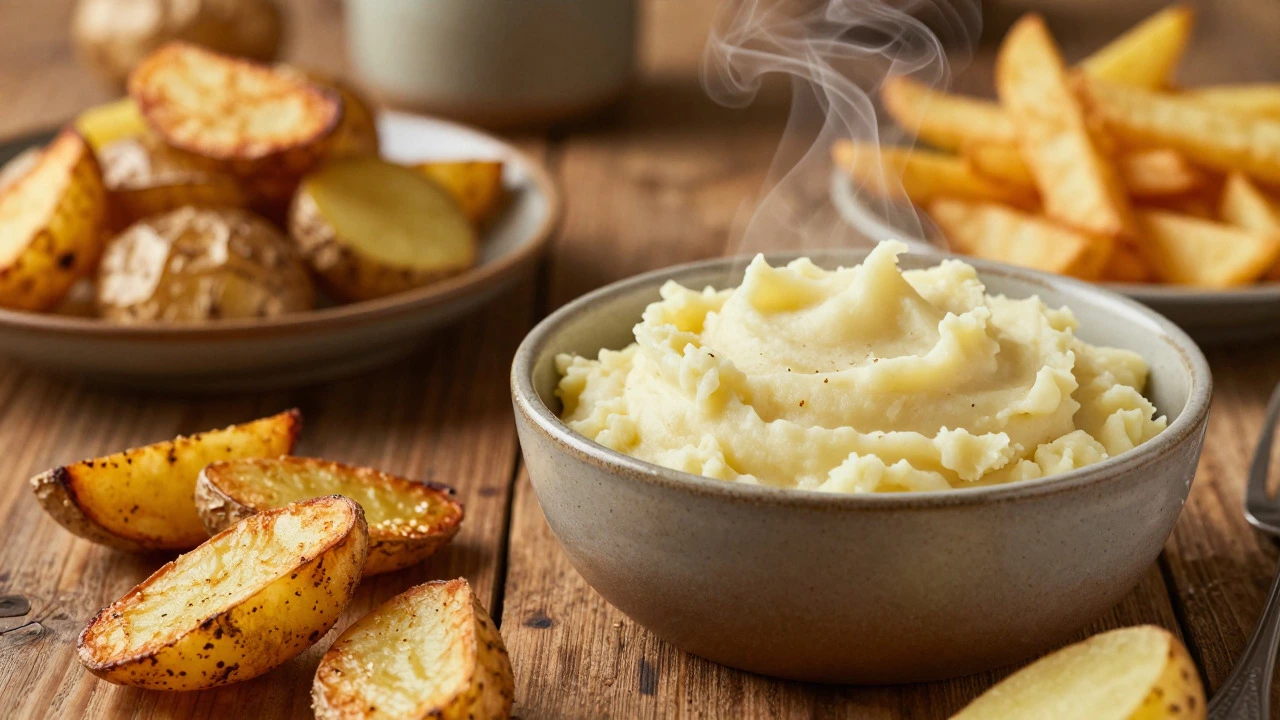
Walk into any supermarket aisle today, and you’ll see a wall of products screaming "Gluten-Free." It’s everywhere. But if you ask people what the single most popular gluten-free food is, the answer isn’t one specific dish. It’s actually a category of ingredients that have quietly taken over our pantries: potatoes.
Wait, really? Potatoes? Yes. Whether it’s mashed, fried, or roasted, potatoes are the universal comfort food for anyone avoiding wheat. They are naturally gluten-free, cheap, available year-round, and versatile enough to be a side dish, a main course, or even a base for baking flour. But the world of gluten-free eating is much bigger than just spuds. Let’s break down what people are actually eating, why they’re choosing these foods, and how to build a meal plan that doesn’t feel like a punishment.
The Undisputed Champion: Why Potatoes Rule the GF World
If we look at global consumption data and survey results from celiac support groups, potatoes consistently rank as the top substitute for bread and pasta. This makes sense. For decades, bread was the default carb source. When you remove wheat, you need something that fills that void. Potatoes do exactly that.
They are a root vegetable, which means they contain no gluten proteins (gliadin and glutenin) found in wheat, barley, and rye. Unlike some processed gluten-free alternatives that can taste chalky or gritty, potatoes retain their natural texture and flavor. You can make everything from gnocchi to thickening agents for soups using potato starch. In the UK alone, where I live, the average person eats about 50kg of potatoes a year. For those on a gluten-free diet, that number likely doubles because they become the primary carbohydrate source.
But popularity also comes down to accessibility. You don’t need a specialty store to buy potatoes. They are in every grocery shop, often cheaper per pound than rice or quinoa, and they keep well in a cool, dark place. This convenience drives their massive popularity among families trying to accommodate a mix of gluten-eaters and gluten-free eaters.
The Grain Alternatives: Rice, Quinoa, and Corn
While potatoes are the king of vegetables, grains still play a huge role in daily diets. The good news is that several ancient and modern grains are naturally free of gluten. These aren’t just niche health foods anymore; they are mainstream staples.
| Grain | Primary Use | Nutritional Highlight | Texture Profile |
|---|---|---|---|
| Rice | Bases, Flours, Snacks | Low fat, easy digestion | Soft, neutral flavor |
| Quinoa | Salads, Bowls, Breakfast | Complete protein, high fiber | Slightly nutty, fluffy |
| Corn (Maize) | Breads, Tortillas, Polenta | Vitamin A, antioxidants | Crumbly when baked, firm when boiled |
| Buckwheat | Pancakes, Noodles (Soba) | High magnesium, heart-healthy | Earthy, robust flavor |
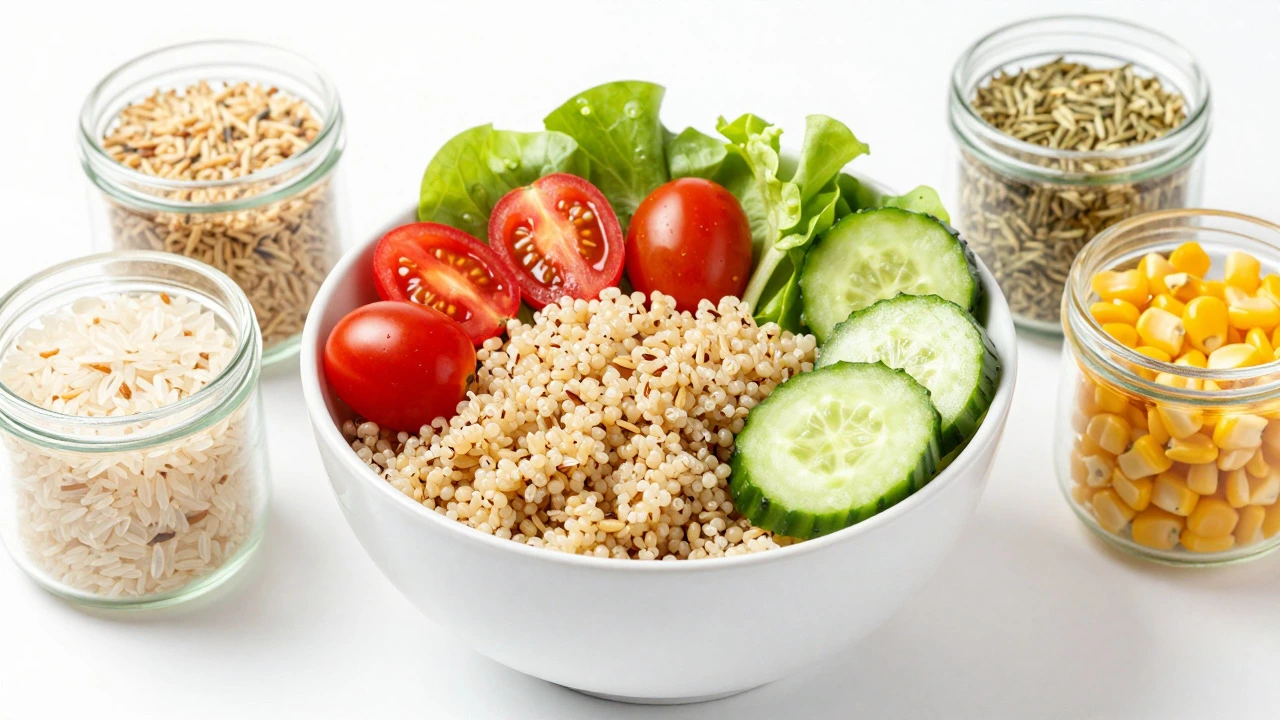
Rice is probably the second most consumed gluten-free food globally. From white jasmine rice to brown basmati, it’s a blank canvas that absorbs sauces and spices beautifully. It’s the go-to for Asian cuisines, which are largely gluten-free by nature (though you must watch out for soy sauce). Rice flour has also revolutionized gluten-free baking, allowing for lighter breads and pastries that mimic traditional wheat textures.
Quinoa has seen a meteoric rise in popularity since the early 2010s. It’s not technically a grain but a seed, and it’s prized because it’s a complete protein, meaning it contains all nine essential amino acids. For vegetarians and vegans who are also gluten-free, quinoa is a nutritional powerhouse. It adds a slight crunch and a nutty taste to salads, making meals feel more substantial without needing heavy carbs.
Corn remains a staple, especially in Latin American and Southern European diets. Polenta, tortillas, and cornbread are beloved dishes that require zero modification for a gluten-free lifestyle. However, corn can be harder to digest for some people with sensitive guts, so it’s important to listen to your body.
Fruits and Vegetables: The Naturally Safe Zone
It’s easy to forget that the majority of whole foods are naturally gluten-free. Fruits and vegetables don’t contain gluten unless they are processed with additives or coated in batter. This includes apples, bananas, berries, leafy greens, carrots, broccoli, and bell peppers.
The popularity of these foods in the gluten-free community stems from the "clean eating" trend. Many people diagnosed with celiac disease or non-celiac gluten sensitivity choose to focus on whole, unprocessed foods to reduce inflammation and improve gut health. A plate of grilled chicken with steamed broccoli and sweet potatoes is not only safe but highly nutritious.
One caveat to keep in mind is cross-contamination. If you’re buying pre-cut fruits or vegetables from a deli counter, check if they are prepared in a shared space with breaded items. Whole produce, however, is generally safe. Washing them thoroughly removes any potential surface contaminants from handling or transport.
Proteins: Meat, Fish, and Eggs
When you strip away the breading, marinades, and sauces, plain meats are inherently gluten-free. Chicken breast, beef steak, salmon fillets, and eggs are all excellent choices. The challenge lies in preparation. Many restaurant dishes coat proteins in flour before frying or use soy sauce (which contains wheat) in stir-fries.
At home, this is easy to control. Seasoning meat with herbs, spices, lemon juice, and olive oil creates flavorful meals without risking gluten exposure. Eggs are particularly versatile; they can be scrambled, poached, or used as binders in gluten-free baking. Many gluten-free bread recipes rely heavily on eggs or xanthan gum to provide structure, since gluten is missing to hold the dough together.
Dairy products like milk, cheese, and yogurt are also naturally gluten-free, provided they don’t have added flavors or thickeners that might contain malt or wheat derivatives. Always read the label on flavored yogurts or processed cheeses.
The Rise of Processed Gluten-Free Products
In recent years, the market for processed gluten-free foods has exploded. We’re talking about gluten-free cookies, crackers, pizza crusts, and even beer. While convenient, these products often come with trade-offs. To mimic the texture of wheat, manufacturers add extra fats, sugars, and starches like tapioca or potato starch. This can make some gluten-free packaged foods higher in calories and lower in fiber than their wheat counterparts.
Popularity here is driven by nostalgia and convenience. People miss the taste of a chocolate chip cookie or a slice of pepperoni pizza. Brands like Schär, Ryvita, and Schar have become household names by offering products that closely resemble traditional favorites. However, nutritionists often recommend limiting these processed items and focusing on whole foods instead.
If you do buy processed gluten-free goods, look for certifications. In the UK and EU, the Crossed Grain symbol indicates that the product has been tested and contains less than 20 parts per million (ppm) of gluten, which is considered safe for most celiacs. In the US, the Gluten-Free Certification Organization (GFCO) seal is a trusted indicator.
Hidden Dangers: Where Gluten Hides
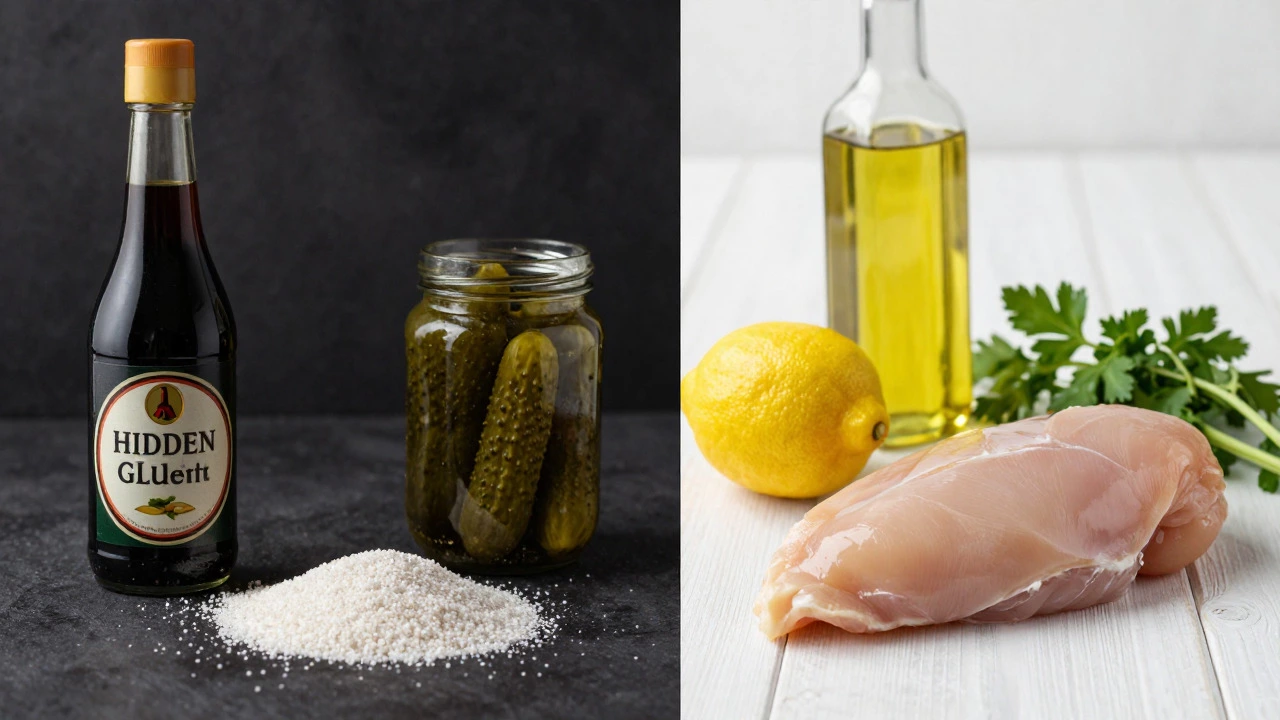
Knowing what is popular is half the battle. The other half is knowing what to avoid. Gluten hides in unexpected places. Soy sauce, teriyaki sauce, and hoisin sauce often contain wheat as a filler. Malt vinegar, derived from barley, is a common trap in pickles and salad dressings. Even oats, while naturally gluten-free, are frequently contaminated during processing with wheat, barley, or rye. Always look for oats labeled "certified gluten-free."
Medications and supplements can also contain gluten as a binding agent. If you take regular medication, check with your pharmacist to ensure your pills are gluten-free. Lip balms and toothpaste are rarely swallowed, but some cautious individuals prefer gluten-free versions to avoid accidental ingestion.
Building a Sustainable Gluten-Free Lifestyle
Adopting a gluten-free diet doesn’t mean giving up flavor or variety. It means becoming a more mindful eater. Start by stocking your pantry with the essentials: potatoes, rice, quinoa, corn, fresh produce, and lean proteins. Experiment with new spices and cooking methods to keep meals interesting. Join online communities or local support groups to share recipes and tips. The gluten-free community is vast and incredibly supportive, always eager to help newcomers navigate the challenges.
Remember, the goal isn’t just to avoid gluten; it’s to nourish your body. By focusing on whole, nutrient-dense foods, you’ll likely find that you feel better than ever. And yes, you can still enjoy your favorite treats-just make sure they’re made with safe ingredients.
Is rice the most popular gluten-free food?
Rice is extremely popular, especially in Asia and as a base for many meals worldwide. However, potatoes often rank higher in Western countries due to their versatility as a direct replacement for bread and pasta. Both are staples, but potatoes tend to be the go-to comfort food for gluten-free dieters in Europe and North America.
Are all potatoes gluten-free?
Yes, all whole potatoes are naturally gluten-free. However, processed potato products like instant mashed potatoes or seasoned fries may contain gluten additives or be cooked in shared fryers with breaded foods. Always check labels on processed items and ask questions at restaurants.
Can I eat oats if I’m gluten-free?
Pure oats are gluten-free, but they are often contaminated with wheat, barley, or rye during farming and processing. To be safe, only buy oats that are explicitly labeled "certified gluten-free." This ensures they have been tested and processed in a dedicated facility.
What is the best substitute for wheat flour?
There is no single perfect substitute, as different flours serve different purposes. Almond flour is great for low-carb baking, rice flour works well for light cakes, and oat flour provides a hearty texture. Most successful gluten-free recipes use a blend of flours along with a binder like xanthan gum to mimic gluten’s elasticity.
Is soy sauce gluten-free?
Traditional soy sauce is made with wheat, so it is not gluten-free. However, there are many gluten-free soy sauce alternatives available, such as tamari (check the label, as some tamari still contains wheat) or coconut aminos. Always look for a "gluten-free" label on soy-based sauces.