
Gluten-Free Food Safety Checker
Select a food item to see its gluten-free status and safety tips.
Common Foods
Select an item
Click on a food item from the left to see detailed safety information.
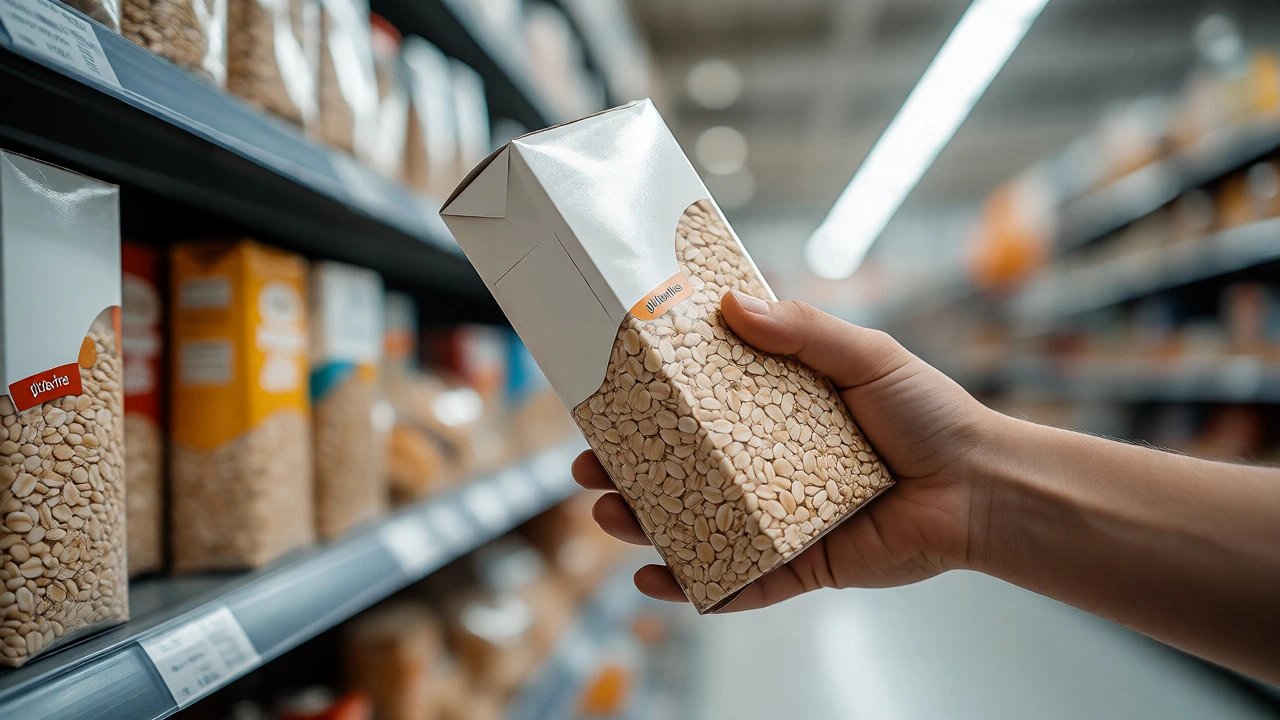
You’re standing in the cereal aisle, staring at a box of oats. The label says "gluten-free," but your gut twists with doubt. Is it actually safe? Or did they just sprinkle some marketing magic on it? If you have Celiac Disease or non-celiac gluten sensitivity, this hesitation is second nature. You aren’t just picking lunch; you’re navigating a minefield where one wrong bite can mean days of pain.
Here’s the truth: there isn’t one single "most" gluten-free food that beats all others. It depends on what you need-energy, protein, comfort, or safety. But if we had to pick the ultimate champion for reliability and nutrition, it’s probably not what you think. It’s not the fancy rice cakes or the expensive almond flour bread. It’s simpler than that. Let’s break down exactly which foods are your safest bets, why some "healthy" options are traps, and how to build a plate that keeps you happy and symptom-free.
The Unbeatable Champion: Naturally Gluten-Free Whole Foods
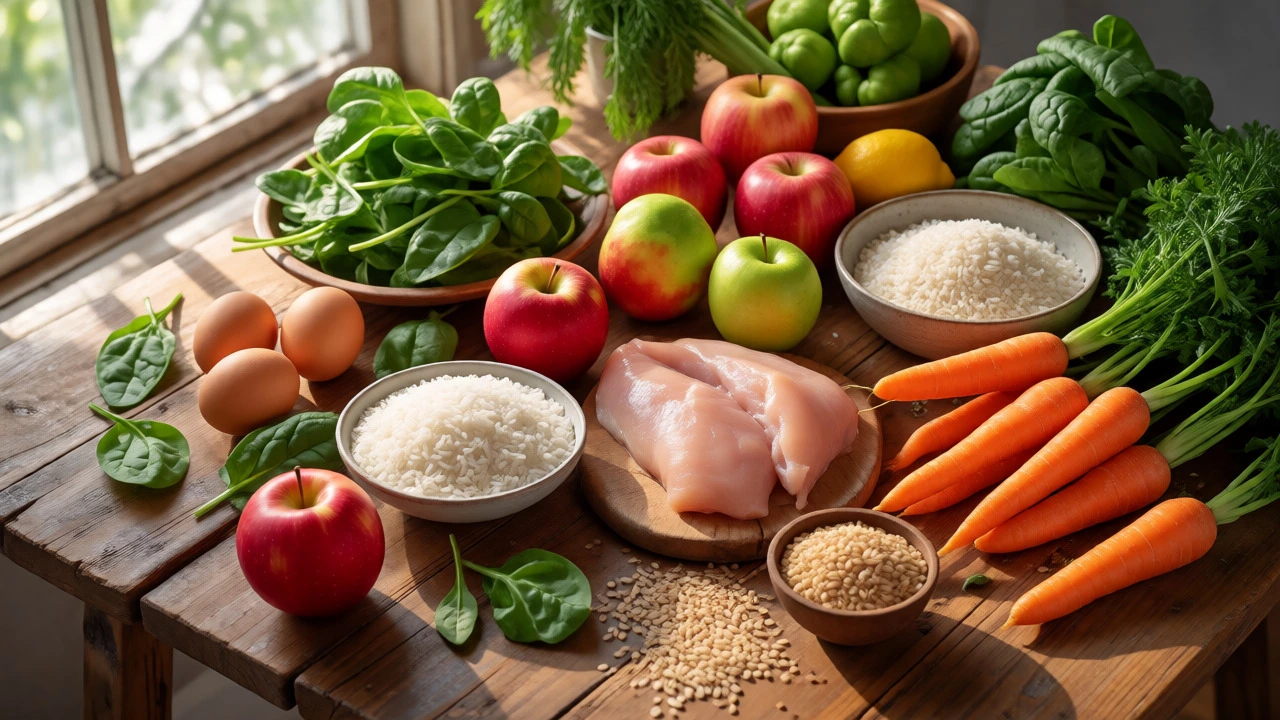
If you want the absolute safest option-the kind where you don’t need to read a label twice-it’s Fresh Produce. We’re talking fruits, vegetables, fresh meats, poultry, fish, eggs, beans, nuts, seeds, milk, and plain cheese. These items contain zero gluten by nature. A banana doesn’t hide wheat starch. A chicken breast doesn’t sneak in barley malt. This is your foundation.
Why is this the top choice? Because it eliminates the biggest risk factor: processing. Most gluten exposure happens during manufacturing, not in the raw ingredient itself. When you eat an apple, you bypass factories, shared lines, and hidden additives. For someone with Celiac Disease, where even 10 parts per million (ppm) of gluten can trigger intestinal damage, whole foods offer peace of mind that processed "gluten-free" labeled products often struggle to match consistently.
Don’t underestimate the power of Rice here, either. While technically a grain, white and brown rice are naturally gluten-free and serve as the primary carbohydrate source for billions of people worldwide who don’t eat wheat. It’s versatile, cheap, and rarely causes issues unless you’re eating it out of a package that also handled wheat pasta. Stick to plain rice, and you’re golden.
The Grain Confusion: What’s Actually Safe?
This is where most people get tripped up. Not all grains are created equal. Some are gluten-free by definition, while others are controversial due to cross-contamination risks. Let’s clear the air with a quick breakdown.
| Grain | Gluten Status | Key Consideration |
|---|---|---|
| Rice | Naturally GF | Safest grain. Check labels for flavor packets which may contain wheat. |
| Quinoa | Naturally GF | High protein. Rinse well to remove bitter saponins. |
| Oats | Controversial | Often contaminated with wheat during farming. Must be certified GF. |
| Buckwheat | Naturally GF | Despite the name, it’s a seed, not wheat. Great for soba noodles (check ingredients). |
| Corn | Naturally GF | Safe, but watch out for cornbread mixes with wheat flour. |
| Amaranth | Naturally GF | Nutritious pseudo-grain. Good alternative to quinoa. |
Notice Oats? They sit in a tricky spot. Pure oats are gluten-free, but they’re frequently grown next to wheat or processed in the same facilities. Unless the bag explicitly says "Certified Gluten-Free," assume they’re risky. Many people with Celiac Disease tolerate pure oats well, but you have to introduce them slowly and monitor your body’s reaction.
Buckwheat is another common confusion point. Despite its name, buckwheat is not related to wheat. It’s a fruit seed, similar to rhubarb and sorrel. It’s completely gluten-free and makes excellent pancakes and noodles. Just ensure your buckwheat flour isn’t blended with wheat flour, which is common in traditional Japanese soba noodles.
The Hidden Traps: Processed Foods to Watch
You’ve swapped your bread for gluten-free loaves. You feel good. Then you grab a salad dressing or a soy sauce bottle. Boom. Symptoms return. Why? Because gluten hides in places you’d never expect.
Soy Sauce is the classic culprit. Traditional soy sauce is brewed with wheat. If you love stir-fries, you must switch to Tamari, which is typically made without wheat (but check the label anyway). Another sneaky one is malt vinegar, which comes from barley and is definitely not gluten-free.
Then there’s the issue of "natural flavors." On a label, this vague term could mean anything from vanilla extract to hydrolyzed wheat protein. In the US, if a product contains wheat, it must be declared. But in other countries, regulations vary. Always look for the specific allergen statement. If it says "Contains: Wheat," put it back.
Processed meats like sausages, deli slices, and jerky often use wheat fillers or binders. Even something as simple as potato chips can be fried in oil shared with breaded items. Cross-contact is real. If you’re highly sensitive, stick to brands that produce exclusively gluten-free snacks.
Building a Balanced Gluten-Free Plate
Just because it’s gluten-free doesn’t mean it’s healthy. Many commercial gluten-free products rely heavily on refined starches like tapioca, potato, and rice flour. These lack fiber and nutrients compared to their whole-wheat counterparts. If you’re only eating gluten-free cookies and crackers, you’re missing out.
Focus on nutrient-dense swaps:
- Swap White Bread for Almond or Coconut Flour Breads: Higher in healthy fats and protein, lower in carbs.
- Use Chickpea Pasta: Brands like Banza make pasta from legumes. It’s high in protein and fiber, keeping you full longer than rice pasta.
- Add Healthy Fats: Avocado, olive oil, and nuts help absorb vitamins and keep meals satisfying since gluten-free diets can sometimes feel less satiating.
Consider Millet and Teff. Millet is a small, round grain that cooks like couscous but has a mild, nutty flavor. Teff is tiny but packed with iron and calcium. Both are ancient grains that have been staples in African and Asian diets for centuries, long before the modern gluten-free trend.
Dining Out Without Anxiety
Eating out is the hardest part of going gluten-free. Kitchens are chaotic. Shared fryers, splashed sauces, and confused servers can ruin a meal. Here’s how to handle it like a pro:
- Call Ahead: Don’t wait until you’re seated. Ask if they have a dedicated gluten-free menu or prep area.
- Ask Specific Questions: Instead of "Is this gluten-free?", ask "Does the kitchen use shared fryers for fries and onion rings?" or "Is the marinade made with soy sauce?"
- Stick to Simple Dishes: Grilled meats with steamed veggies are safer than complex saucy dishes. You can control the variables better.
- Bring Your Own Backup: Keep gluten-free crackers or energy bars in your bag. If the restaurant fails you, you won’t go hungry.
Remember, cross-contamination is the enemy. A salad is fine, but croutons aren’t. The lettuce might have touched a knife used for bread. Trust your instincts. If the server looks unsure, order something else.
Final Thoughts: Safety First, Flavor Second
So, what is the most gluten-free food? It’s the one you trust completely. For most people, that’s fresh, unprocessed whole foods. Rice, potatoes, fresh meat, and vegetables are your anchors. They are safe, nutritious, and versatile.
But don’t fear exploration. Buckwheat, quinoa, and certified oats add variety and nutrition. Just stay vigilant about labels and preparation methods. Gluten-free living isn’t about restriction; it’s about awareness. Once you learn which foods are naturally safe and which require certification, you’ll spend less time worrying and more time enjoying your meals.
Are oats really gluten-free?
Pure oats do not contain gluten. However, they are often grown near wheat or processed in facilities that handle wheat, leading to cross-contamination. People with Celiac Disease should only consume oats labeled "Certified Gluten-Free" and introduce them gradually under medical guidance.
Can I eat soy sauce if I’m gluten-free?
Traditional soy sauce contains wheat. You should switch to Tamari, which is usually wheat-free, or coconut aminos, which are a popular soy sauce alternative made from fermented coconut sap.
Is quinoa better than rice for gluten-free diets?
Both are safe and naturally gluten-free. Quinoa is a complete protein containing all nine essential amino acids and higher in fiber, making it more nutrient-dense. Rice is easier to digest for some and serves as a neutral base for many dishes. Choose based on your nutritional needs and taste preferences.
What does "certified gluten-free" mean?
This label indicates that the product has been tested and meets strict standards for gluten content (usually less than 20 ppm in the US). It also means the manufacturer follows protocols to prevent cross-contamination during production. It’s a stronger guarantee than just saying "no ingredients with gluten."
Are all dairy products gluten-free?
Plain milk, butter, and natural cheeses are gluten-free. However, flavored yogurts, processed cheese spreads, and ice creams may contain additives or mix-ins with gluten. Always check the label for modified food starch or malt flavoring.