
Satiety Score Calculator
Select the components of your meal to calculate its potential to keep you full.
Estimated Duration of Fullness:
Add protein, fiber, and fats to trigger hormonal satiety signals.
Ever finish a huge plate of pasta only to feel hungry an hour later? It’s frustrating. You wanted fuel, not a sugar crash. The secret isn’t eating less; it’s eating smarter. The healthiest most filling meal combines three specific ingredients: high-quality protein, soluble fiber, and healthy fats. This trio triggers your body’s fullness signals and keeps them active for hours.
We’re going to break down exactly why some foods make you stuffed while others vanish from your stomach instantly. Then, we’ll look at real, easy-to-make meals that deliver on both nutrition and satisfaction. No starvation diets here. Just science-backed strategies to keep you energized and satisfied.
The Science Behind Feeling Full
To understand what makes a meal filling, you have to look at how your body processes food. It’s not just about volume. A bowl of celery is huge but won’t keep you full because it lacks substance. A small steak might be tiny in volume but can keep you satisfied for four hours. Why? Because of how different macronutrients affect your hormones.
Protein is the most satiating macronutrient, meaning it makes you feel fuller than carbs or fats per calorie consumed. When you eat protein, your body releases peptide YY (PYY) and glucagon-like peptide-1 (GLP-1). These are hormones that tell your brain, “We’re good, stop eating.” Studies show that increasing protein intake can reduce late-night snacking cravings by up to 60%.
Next is Fiber, specifically soluble fiber which absorbs water and forms a gel in your gut, slowing digestion. Think of beans, oats, and chia seeds. This physical bulk stretches your stomach walls, sending mechanical signals of fullness to your brain. It also feeds the good bacteria in your gut, which produce short-chain fatty acids that further regulate appetite.
Finally, don’t sleep on Healthy Fats, like those found in avocados, nuts, and olive oil. Fat slows down gastric emptying. This means food stays in your stomach longer, providing a steady release of energy rather than a spike and drop. Without fat, even a high-protein meal might leave you feeling unsatisfied within two hours.
| Macronutrient | Satiety Level | Digestion Speed | Key Hormonal Effect |
|---|---|---|---|
| Protein | Very High | Slow | Increases PYY and GLP-1 |
| Soluble Fiber | High | Very Slow | Physical stretching of stomach |
| Healthy Fats | Moderate to High | Slow | Delays gastric emptying |
| Refined Carbs | Low | Fast | Causes insulin spikes/crashes |
Top Ingredients for Maximum Satiety
Knowing the science is one thing; shopping for groceries is another. To build the healthiest most filling meal, you need to stock up on specific powerhouses. These aren’t trendy superfoods with inflated prices. They are everyday items that work hard for your hunger levels.
Lentils are a legume packed with both protein and fiber, making them a dual-action satiety booster. A single cup of cooked lentils contains about 18 grams of protein and 15 grams of fiber. They are cheap, versatile, and hold their texture well in soups and stews.
Oats, particularly rolled or steel-cut oats which contain beta-glucan, a type of soluble fiber known to thicken digestive fluids. Unlike instant oatmeal packets loaded with sugar, plain oats provide a slow-burning energy source. They are the gold standard for breakfasts that last until lunch.
Eggs remain one of the most cost-effective sources of complete protein and healthy fats. Research has consistently shown that people who eat eggs for breakfast consume fewer calories throughout the rest of the day compared to those who eat bagels or cereal. The yolk contains choline and fats that aid in nutrient absorption and satiety.
Don’t forget Greek Yogurt, which offers twice the protein of regular yogurt with minimal added sugar. It’s a perfect base for savory bowls or sweet snacks. Pair it with berries for extra fiber, and you’ve got a snack that rivals a small meal in terms of keeping you full.
Building Your Ideal Plate
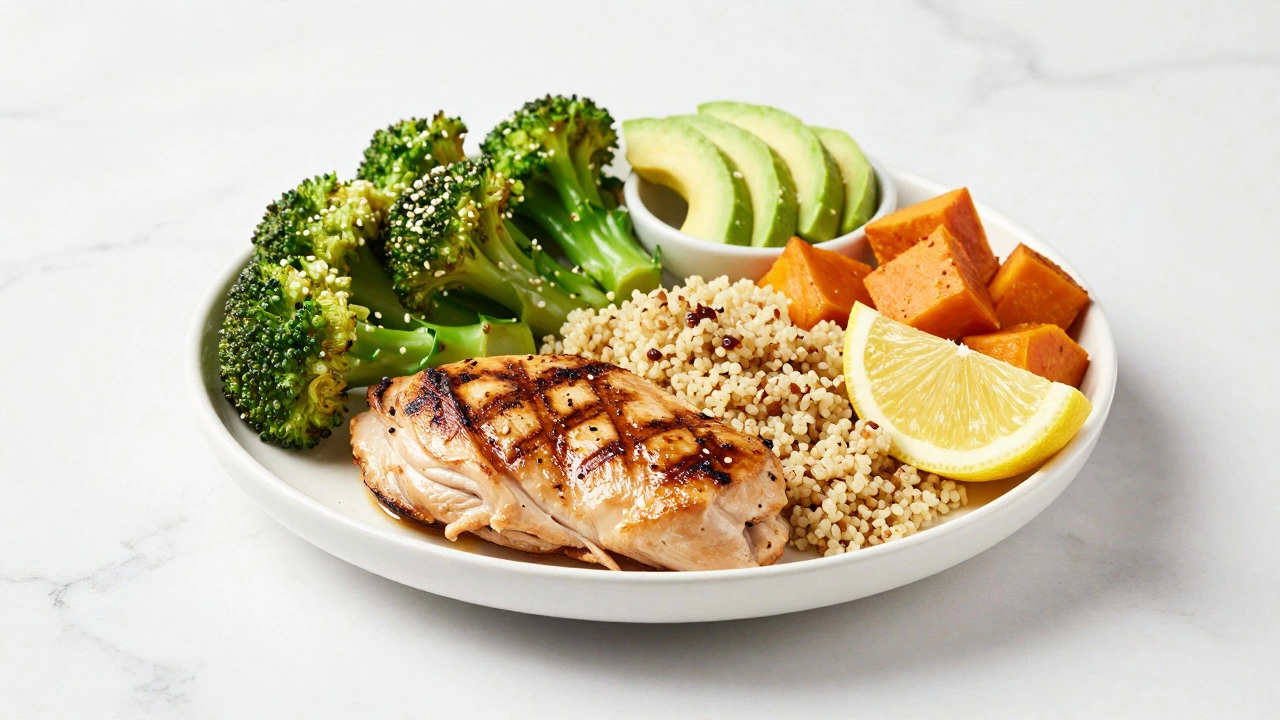
You don’t need a complicated formula. Use the "Half-Veggie, Quarter-Protein, Quarter-Fat" rule. Visualize your plate. Half should be non-starchy vegetables like broccoli, spinach, or zucchini. These add volume and fiber without many calories. One quarter should be a lean protein source like chicken breast, tofu, or fish. The final quarter is your complex carb or healthy fat, such as quinoa, sweet potato, or avocado.
This structure ensures you get the nutritional density of vegetables with the staying power of protein and fat. If you swap the veggies for more rice or pasta, you lose the fiber benefit. If you skip the fat, you lose the prolonged fullness. Balance is key.
Real-Life Meal Examples
Let’s put this into practice. Here are three simple meals that hit all the right notes for health and fullness.
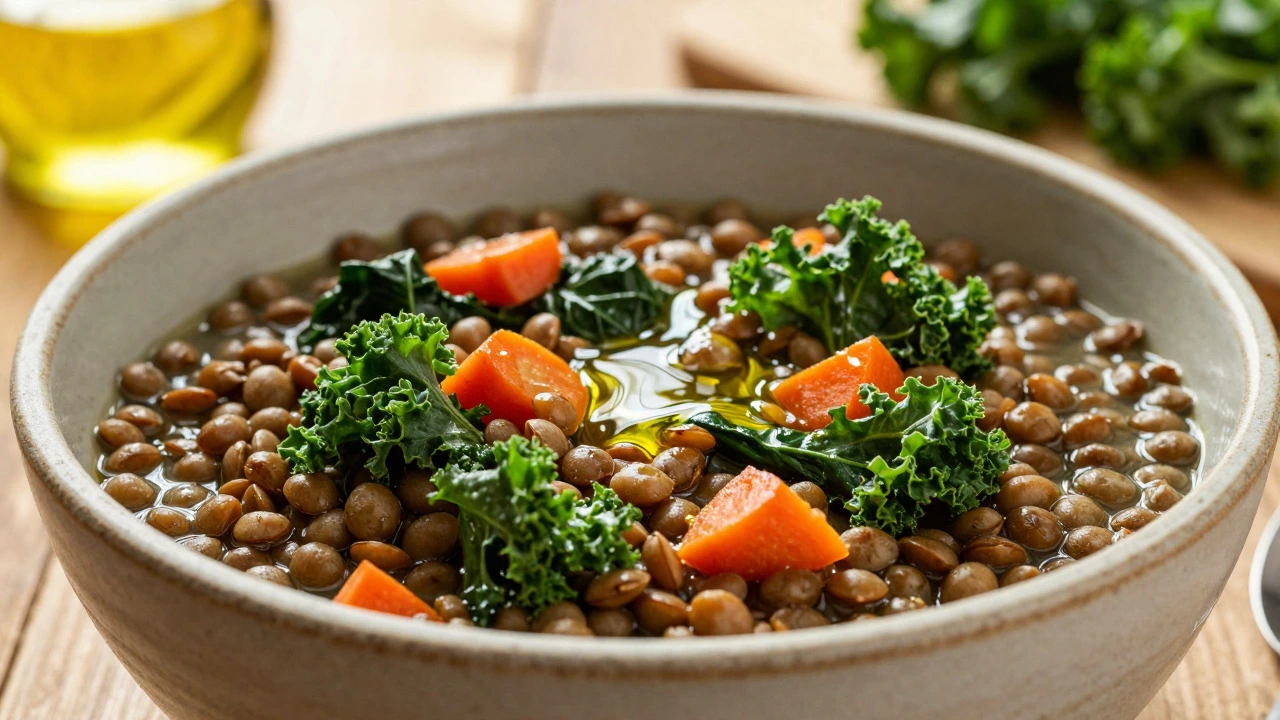
1. The Lentil and Spinach Stew Start with a base of vegetable broth. Add one cup of dried brown lentils, two cups of chopped kale or spinach, diced carrots, and onions. Simmer until tender. Finish with a drizzle of olive oil and a squeeze of lemon. This meal is dense with fiber and protein. It’s warm, comforting, and will keep you full for five hours or more. The lentils provide the bulk, while the olive oil adds the necessary fat for sustained energy.
2. Grilled Chicken with Quinoa and Roasted Broccoli Marinate chicken thighs in garlic and herbs, then grill them. Serve over a bed of quinoa, which is a complete protein grain. Add roasted broccoli tossed in sesame oil. The combination of animal protein, whole grains, and cruciferous vegetables creates a powerful satiety effect. The crunch of the broccoli adds textural variety, which can also help with mindful eating and satisfaction.
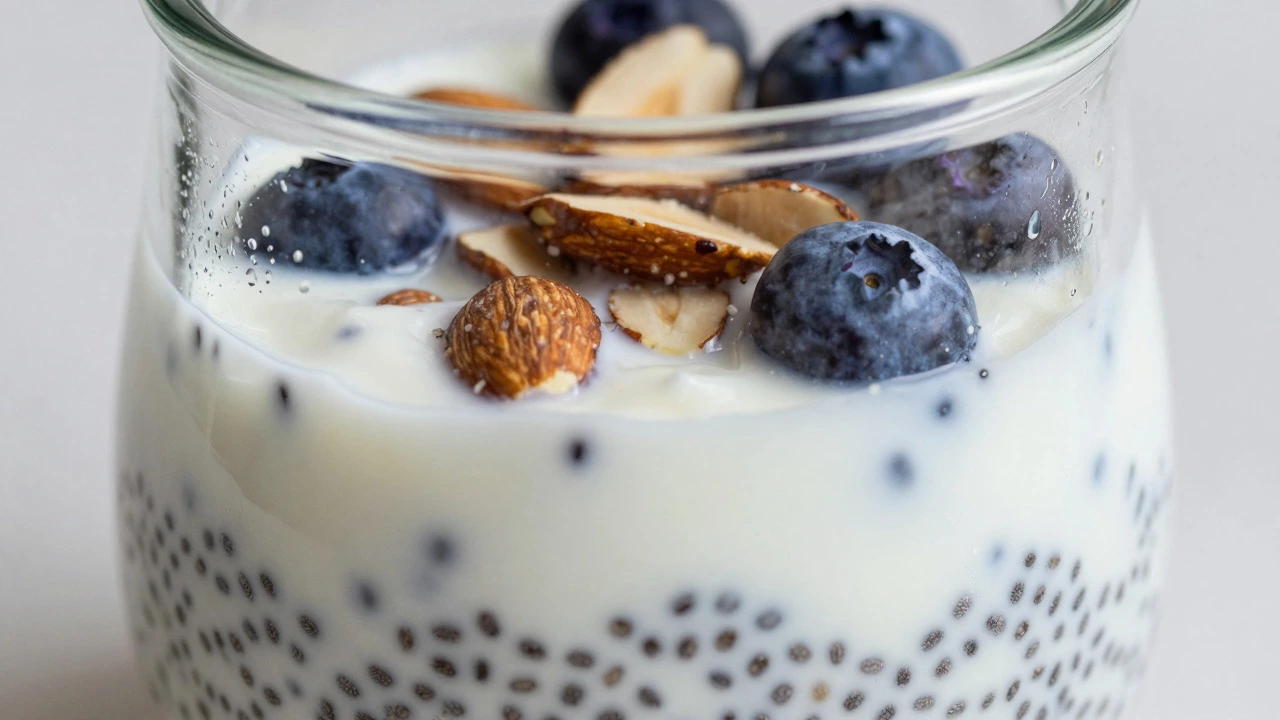
3. Overnight Chia Pudding with Greek Yogurt For a breakfast option, mix three tablespoons of chia seeds with half a cup of Greek yogurt and half a cup of almond milk. Let it sit overnight. The chia seeds expand significantly, creating a pudding-like texture. Top with sliced almonds and blueberries. This is a grab-and-go meal that provides slow-release energy. It’s perfect for busy mornings when you need something substantial but quick.
Pitfalls to Avoid
Even healthy foods can fail to fill you up if prepared incorrectly. Avoid liquid calories where possible. Smoothies can be healthy, but blending fruit breaks down the fiber matrix, causing sugar to enter your bloodstream faster. Eat whole fruits instead. Also, watch out for "low-fat" processed foods. Manufacturers often replace fat with sugar or refined starches to improve taste, which undermines satiety.
Another common mistake is ignoring hydration. Sometimes thirst masks itself as hunger. Drink a glass of water before every meal. It takes about 20 minutes for your brain to register fullness, so eating slowly allows these signals to kick in. Rushing through a meal often leads to overeating because you haven’t given your body time to say stop.
Customizing for Your Lifestyle
Your ideal meal depends on your activity level. If you’re a desk worker, you might need slightly less carbohydrate-heavy fuel than someone doing manual labor. However, the core principles remain the same. Prioritize protein and fiber. Adjust the portion sizes based on your energy expenditure. Listen to your body. If you’re still hungry two hours after a balanced meal, add more healthy fats or fibrous vegetables, not more bread or sugar.
Is it better to eat frequent small meals or large filling meals?
For most people, focusing on the quality of each meal matters more than frequency. Large, balanced meals with high protein and fiber tend to stabilize blood sugar better than grazing on low-nutrient snacks. However, if you struggle with extreme hunger between meals, adding a protein-rich snack like Greek yogurt or nuts can bridge the gap without spiking insulin.
Do I need to count calories to feel full?
No. Counting calories is unnecessary if you focus on nutrient density. Whole foods like vegetables, lean meats, and legumes are naturally lower in calories but higher in volume and nutrients. By prioritizing these foods, you naturally regulate your intake because your body feels satisfied. Restrictive counting often leads to obsession and unsustainable habits.
Why do I feel hungry after eating healthy salads?
Many restaurant salads lack sufficient protein and healthy fats. A bowl of greens with light vinaigrette is mostly water and fiber, which digests quickly. To make a salad filling, add grilled chicken, salmon, or hard-boiled eggs. Include avocado, nuts, or seeds for fat. This transforms a light side dish into a substantial, satiating main course.
How does sleep affect hunger and meal satisfaction?
Poor sleep disrupts hunger hormones. Lack of sleep increases ghrelin (the hunger hormone) and decreases leptin (the fullness hormone). This makes you crave high-calorie, sugary foods even if you ate a balanced meal earlier. Aim for 7-9 hours of quality sleep to ensure your hormonal signals for hunger and fullness remain accurate.
Can stress make me feel less full?
Yes. Stress triggers cortisol release, which can increase appetite and drive cravings for comfort foods. Additionally, stress often leads to mindless eating, where you don't register the physical sensations of fullness. Practicing mindful eating-chewing slowly and focusing on the taste and texture of food-can help counteract stress-induced overeating.