
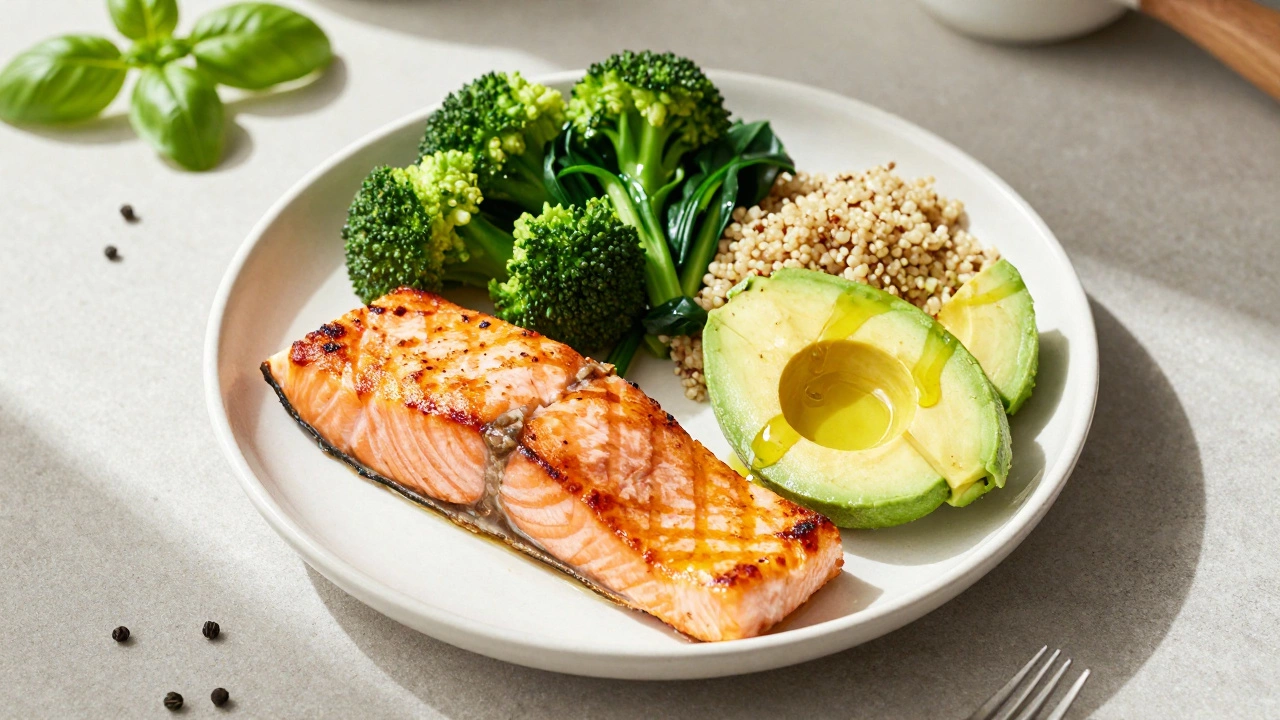
Build Your Perfect Plate
to build your plate
Adjust Portions (in grams)
Stop scrolling through endless recipe blogs looking for a magic bullet. There is no single dish that cures all ills or guarantees immortality. But there is a formula. The healthiest meal you can make isn't defined by a specific ingredient like kale or quinoa; it’s defined by its structure. It’s about combining food groups in a way that stabilizes your blood sugar, keeps you full for hours, and floods your body with essential micronutrients.
If you walk into a kitchen right now, you don’t need exotic superfoods imported from halfway across the world. You need a strategy. This guide breaks down exactly how to build that perfect plate, why certain combinations work better than others, and gives you concrete examples of meals that hit every nutritional marker without tasting like cardboard.
The Anatomy of a Perfectly Balanced Plate
Most people think of calories when they think of healthy eating. That’s outdated. Think of nutrients instead. A truly healthy meal acts as a delivery system for vitamins, minerals, fiber, and protein. To maximize absorption and satiety, you need four distinct components on your plate. If one is missing, the meal falls short.
- High-Quality Protein: This is the anchor. It preserves muscle mass and keeps you feeling full. Aim for 20-30 grams per meal. Sources include salmon, chicken breast, tofu, lentils, or eggs.
- Fiber-Rich Vegetables: These provide volume and phytonutrients. They should take up half your plate. Leafy greens, broccoli, peppers, and zucchini are top contenders because they are low in calories but high in density.
- Complex Carbohydrates: You need fuel. Choose slow-digesting carbs that won’t spike your insulin. Sweet potatoes, brown rice, quinoa, or oats work well. Keep this portion moderate-about a quarter of your plate.
- Healthy Fats: Fat helps your body absorb fat-soluble vitamins (A, D, E, K). Avocado, olive oil, nuts, and seeds are excellent sources. Don’t fear fat; just choose the right kind.
When you combine these four elements, you create a synergistic effect. The fiber slows down the digestion of carbs, preventing energy crashes. The fat ensures you actually get the nutrients from the vegetables. The protein repairs tissue. This balance is the secret behind sustainable energy levels throughout the day.
Why 'Whole Foods' Beats Processed Options Every Time
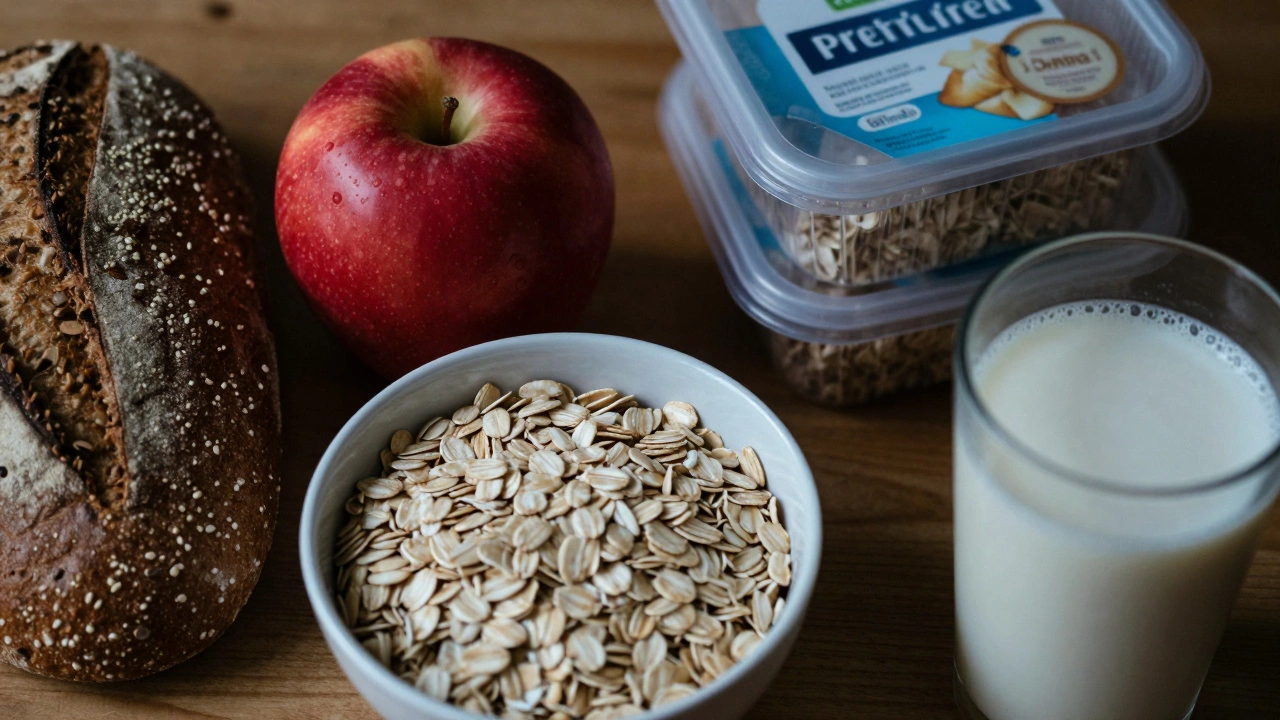
You might see packaged meals labeled "healthy" at the supermarket. Check the ingredients list. If it contains more than five items, or if you can’t pronounce half of them, put it back. The healthiest meals are built from whole foods, which are minimally processed ingredients that retain their natural nutrient profile.
Processing strips away fiber and adds sodium, sugars, and preservatives. For example, an apple is nutritious. Apple juice is essentially liquid sugar. White bread lacks the bran and germ found in whole wheat, meaning it digests too quickly. By sticking to whole foods, you eliminate empty calories. You also reduce exposure to inflammatory agents often found in industrial seed oils and artificial additives.
This doesn’t mean you have to eat raw vegetables. Cooking makes many nutrients more bioavailable. Tomatoes, for instance, release lycopene-a powerful antioxidant-when heated. Spinach becomes easier to digest when sautéed. The key is gentle cooking methods like steaming, roasting, or poaching rather than deep-frying or charring, which can create harmful compounds.
Top Contenders for the Healthiest Meals
Now that we know the formula, let’s look at specific dishes that embody it. These aren’t just trendy Instagram bowls; they are scientifically sound meals designed for longevity and vitality.
| Meal Type | Key Ingredients | Primary Benefit | Prep Time |
|---|---|---|---|
| Mediterranean Salmon Bowl | Salmon, quinoa, cucumber, olives, lemon dressing | High Omega-3s for heart and brain health | 15 minutes |
| Lentil & Vegetable Stew | Red lentils, carrots, celery, spinach, turmeric | High fiber and plant-based protein | 30 minutes |
| Grilled Chicken Salad | Chicken breast, mixed greens, avocado, walnuts, vinaigrette | Lean protein with healthy fats | 10 minutes |
| Tofu Stir-Fry | Firm tofu, broccoli, bell peppers, ginger, soy sauce | Antioxidant-rich and low calorie | 12 minutes |
The Mediterranean Salmon Bowl stands out because fatty fish like salmon are rich in omega-3 fatty acids. These fats reduce inflammation and support cognitive function. Paired with quinoa (a complete protein) and colorful veggies, it covers all bases. Similarly, the Lentil Stew is a powerhouse for gut health due to its prebiotic fiber content, which feeds beneficial bacteria in your digestive tract.
Hydration and Timing: The Hidden Factors
A meal isn’t just what’s on the plate. It’s also when and how you eat it. Hydration plays a massive role in nutrient transport. Drinking water before and during meals aids digestion. Some experts suggest avoiding large amounts of fluid immediately after eating to prevent diluting stomach acid, but staying hydrated throughout the day is non-negotiable.
Timing matters too. Eating your largest, most nutrient-dense meal earlier in the day aligns with your circadian rhythm. Your body processes carbohydrates more efficiently in the morning and afternoon. Late-night heavy meals can disrupt sleep quality and lead to poor metabolic health over time. Try to finish dinner at least three hours before bed.
Common Mistakes That Ruin Healthy Meals
Even with good intentions, small errors can undermine your efforts. Here are the most frequent pitfalls:
- Skipping the fat: Eating a salad with just vinegar means you’re wasting the nutrients in the leafy greens. Add olive oil or avocado.
- Overloading on fruit: Fruit is healthy, but it’s high in natural sugars. One serving is enough. Don’t replace vegetables with fruit.
- Ignoring variety: Eating the same "healthy" meal every day leads to nutrient gaps. Rotate your proteins and vegetables weekly.
- Using sugary sauces: BBQ sauce, sweet chili sauce, and creamy dressings can add hundreds of hidden calories and sugar. Stick to herbs, spices, citrus, and vinegar.
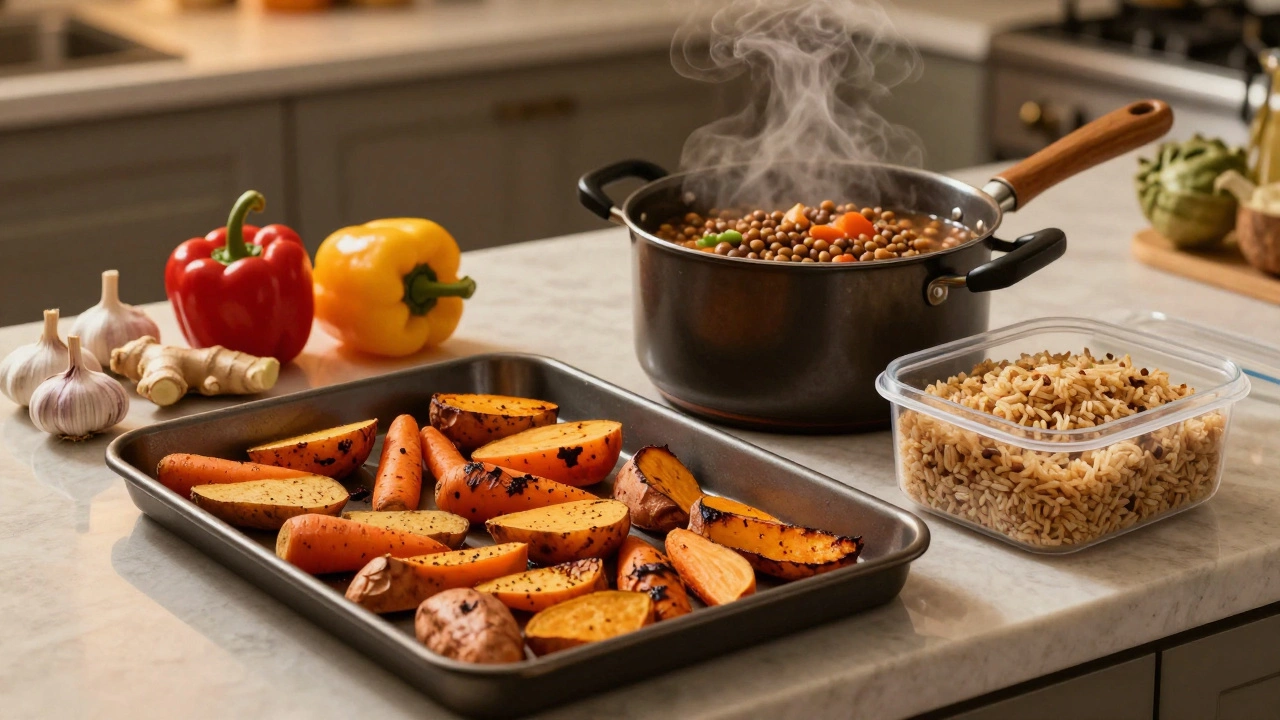
Another mistake is thinking that "healthy" means bland. Flavor comes from technique, not just salt and sugar. Roasting vegetables caramelizes their natural sugars. Using fresh herbs like basil, cilantro, and parsley adds depth without calories. Garlic, onion, ginger, and chili provide kick without the negative health impacts.
Building Your Weekly Routine
Consistency beats perfection. You don’t need to cook a gourmet feast every night. Batch cooking is your best friend. Prepare a large batch of grains, roast a tray of vegetables, and cook a protein source on Sunday. Mix and match these components throughout the week.
For example, keep a jar of pre-made vinaigrette in the fridge. Have canned beans and frozen berries on hand for quick additions. This reduces decision fatigue and prevents you from reaching for takeout when you’re tired. The healthiest meal is the one you actually eat consistently.
Remember, nutrition is personal. Listen to your body. If you feel sluggish after a certain meal, analyze why. Was it too heavy? Too much sugar? Adjust accordingly. The goal is long-term vitality, not short-term restriction.
Is breakfast really the most important meal of the day?
Not necessarily. While breaking your fast provides energy for the morning, the importance depends on your lifestyle. Intermittent fasting is popular and effective for some. What matters more is the quality of the food you eat, regardless of when you eat it. Ensure your first meal includes protein and fiber to stabilize blood sugar.
Can I lose weight eating only salads?
You might lose weight initially, but it’s unsustainable and potentially unhealthy. Salads alone often lack sufficient protein and calories needed for muscle maintenance and hormonal balance. Include lean meats, beans, or nuts in your salads to make them a complete, satisfying meal.
Are organic foods significantly healthier?
Organic produce may have lower pesticide residues, but the nutritional difference is minimal compared to conventional produce. Eating any fruit or vegetable is far better than eating none. Prioritize buying organic for the "Dirty Dozen" (strawberries, spinach, etc.) where pesticides are highest, but don’t stress over every item.
How much water should I drink with my meals?
Stay hydrated throughout the day. Drinking a glass of water 30 minutes before a meal can aid digestion and help control portions. Avoid chugging large amounts during the meal, as this can cause bloating. Listen to your thirst cues.
What is the best carbohydrate source for energy?
Complex carbohydrates like sweet potatoes, oats, quinoa, and brown rice are best. They digest slowly, providing steady energy rather than a quick spike and crash. Pair them with protein and fat to further slow digestion and enhance satiety.
Do I need supplements if I eat healthy meals?
For most people, a varied diet of whole foods provides adequate nutrients. However, Vitamin D and B12 are common deficiencies, especially in winter or for vegans. Consult a healthcare provider before starting supplements, as food sources are generally preferred for better absorption.
Is it okay to eat late at night?
Eating late can disrupt sleep and metabolism for some individuals. Try to finish your last meal at least two to three hours before bedtime. If you’re hungry at night, opt for a light snack like Greek yogurt or a handful of almonds rather than a heavy meal.