
Chicken Pre-Treatment Planner
You have been there. You spend good money on fresh chicken breasts, season them perfectly, and cook them with care. Yet when you slice into that white meat, it is dry, chalky, and tough. Why does this happen? Chicken breast has very little fat. Once the internal temperature passes 74°C (165°F), the muscle fibers contract tightly and squeeze out moisture. If you do not add water or salt before cooking, you are fighting a losing battle against physics.
The secret to juicy poultry lies in pre-treatment. When people ask what to soak chicken in, they usually mean one of two things: brining or marinating. These are not the same process, though many home cooks mix them up. Getting this right transforms cheap supermarket chicken into restaurant-quality meals. Let’s break down exactly what liquids work, how long to use them, and which method suits your dish best.
Brining Is The Gold Standard For Moisture
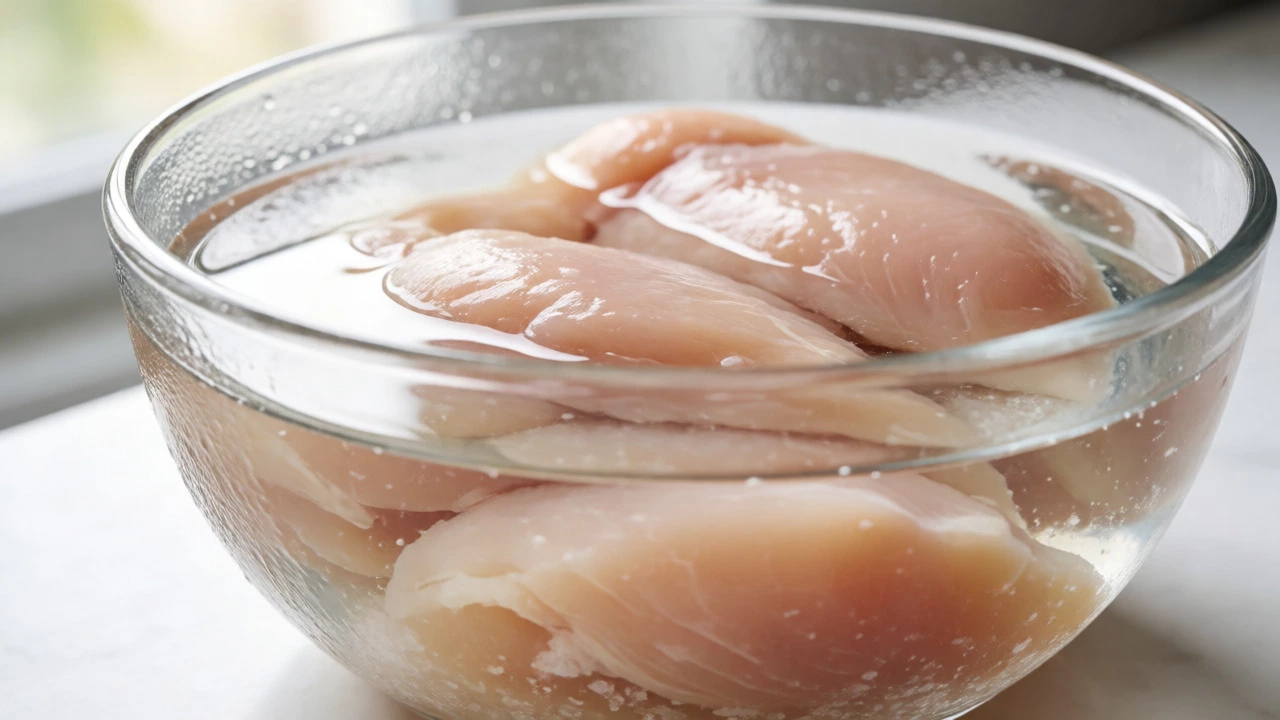
If your main goal is pure juiciness, brining wins every time. A brine is simply a solution of salt and water. Sometimes sugar is added for browning and flavor balance. Unlike a marinade, which mostly affects the surface, a brine changes the structure of the meat itself.
Saltwater Brine works through osmosis. Initially, the high concentration of salt outside draws moisture out of the cells. But then, through diffusion, the salt penetrates the meat. This salt alters the protein structure, causing the muscle fibers to relax and hold onto more water during cooking. Even if you overcook the chicken slightly, those relaxed proteins retain liquid rather than squeezing it all out.
There are two types of brines:
- Wet Brine: Submerging chicken in a saltwater solution. This is faster but requires fridge space and careful timing.
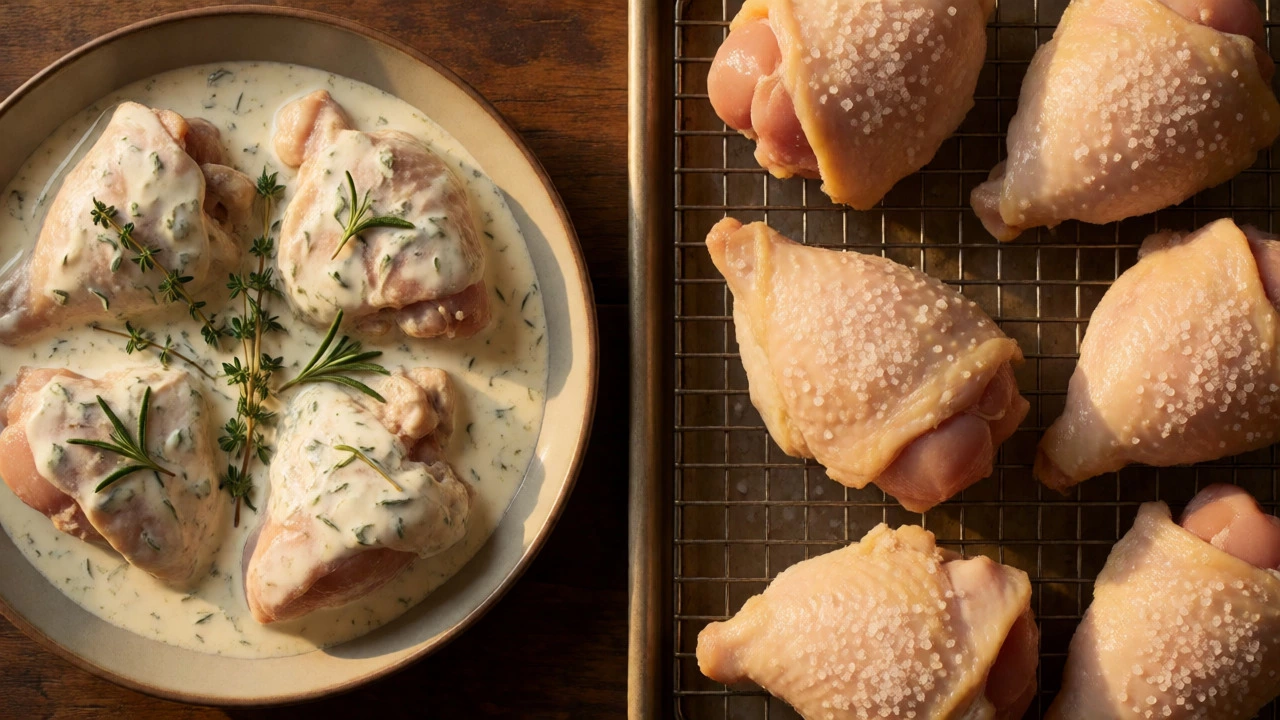
- Dry Brine: Rubbing salt directly onto the skin and letting it sit uncovered in the fridge. This concentrates flavor and dries the skin for crispier results, especially useful for whole birds.
For wet brining, the ratio matters. Too much salt makes the meat taste like seawater; too little does nothing. Stick to these proven ratios:
| Strength Type | Salt Amount | Water Amount | Best For |
|---|---|---|---|
| Light Brine | 30g (approx. 1 tbsp) | 1 Liter | Quick soaks (under 1 hour), delicate cuts |
| Standard Brine | 60g (approx. 2 tbsp) | 1 Liter | Breasts, thighs, wings (1-4 hours) |
| Strong Brine | 90g+ (3 tbsp+) | 1 Liter | Whole chickens (overnight), heavy seasoning needs |
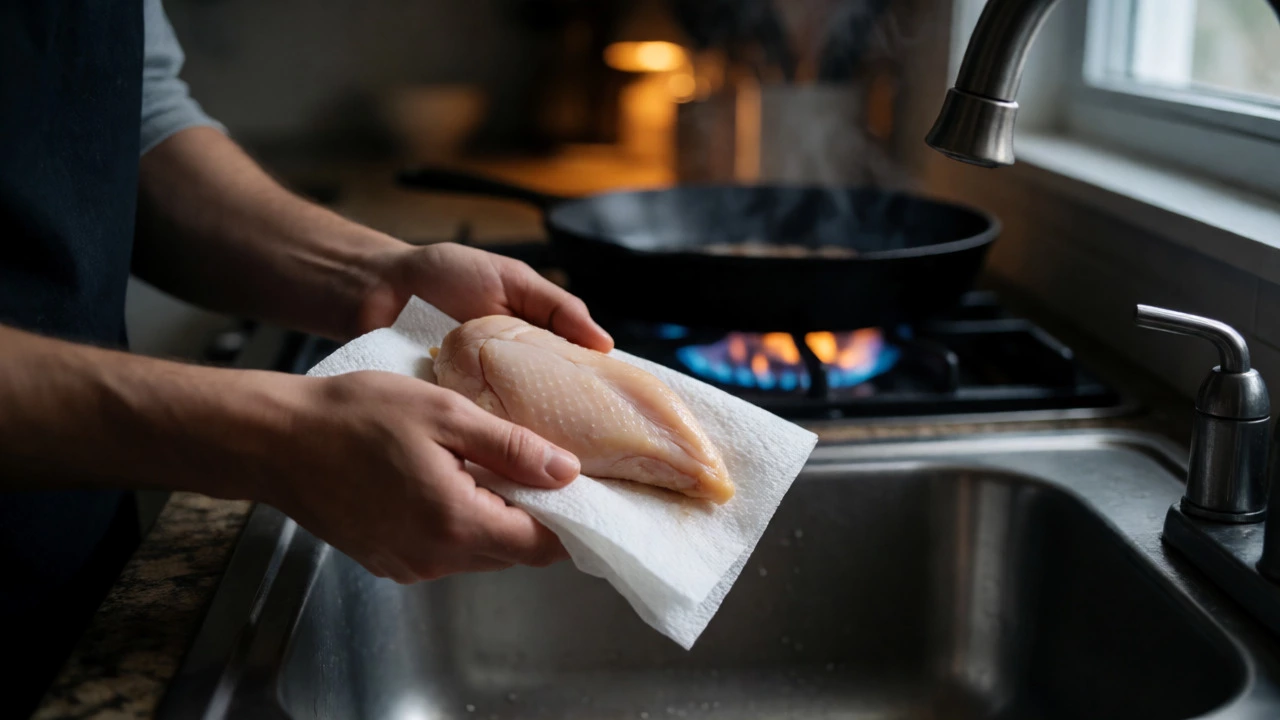
Do not skip rinsing after a wet brine unless the recipe specifies otherwise. Excess surface salt can make the crust overly salty. Pat the chicken dry with paper towels before cooking to ensure proper searing.
Marinades Add Flavor And Tenderize
While brining focuses on hydration, marinades focus on taste and texture modification. A standard marinade contains three components: an acid, a fat, and aromatics. The acid-like lemon juice, vinegar, yogurt, or buttermilk-breaks down connective tissue. This makes the meat feel softer in your mouth. The fat carries fat-soluble flavors deep into the meat and prevents sticking during cooking.
However, marinades have limits. They only penetrate about 1-2 millimeters into the flesh. If you want flavor throughout a thick chicken breast, you need to score the meat or pound it thinner. Acidic marinades also have a danger zone. Leave chicken in a lemon-juice-heavy marinade for too long, and the surface turns mushy and chalky. The acid literally starts to "cook" the protein, similar to ceviche.
Buttermilk Marinade is a standout choice for fried or grilled chicken. The lactic acid in buttermilk is gentler than vinegar or citrus. It tenderizes without destroying the texture. Plus, the calcium helps break down muscle fibers more effectively. Southern fried chicken recipes rely on this for a reason-it yields incredibly tender meat with a distinct tangy note.
Common marinade bases include:
- Yogurt: Thick, creamy, and mild. Great for Indian-style tandoori dishes.
- Olive Oil & Herbs: Classic Mediterranean profile. Good for grilling.
- Soy Sauce & Honey: Adds umami and promotes caramelization.
- Vinegar-Based: Sharp and acidic. Use sparingly and for shorter times.
Can You Combine Both Methods?
Absolutely. In fact, some of the best chicken dishes start with a light brine followed by a short marinade. This double-hit approach maximizes both moisture retention and flavor depth. Here is a practical workflow for perfect chicken breasts:
- Brine First: Soak the chicken in a standard saltwater solution for 30 minutes to 1 hour. This ensures the core stays juicy.
- Rinse and Dry: Remove from brine, rinse briefly, and pat completely dry.
- Marinate Briefly: Apply a flavorful oil-based marinade for just 15-20 minutes before cooking. Since the meat is already hydrated, you do not need long exposure to acids.
- Cook: Sear, bake, or grill as usual.
This method avoids the risk of over-brining, which can make meat taste ham-like, while still delivering complex flavors. Just remember that brined meat retains more water, so it may steam slightly in a pan if crowded. Ensure your pan is hot enough to evaporate that surface moisture quickly for a good crust.
How Long Should You Soak Chicken?
Timing depends entirely on the cut and the strength of your solution. Over-soaking is a real problem. Salt continues to draw out moisture if left too long, eventually reversing the benefit. Acids continue to break down proteins until the texture becomes unpleasant.
Here are safe timeframes for common preparations:
- Chicken Breasts (Wet Brine): 30 minutes to 2 hours. Beyond 4 hours, the texture gets spongy.
- Chicken Thighs/Wings: 1 to 4 hours. Dark meat is more forgiving due to higher fat content.
- Whole Chicken (Wet Brine): 6 to 12 hours. Never exceed 24 hours unless using a very weak solution.
- Acidic Marinades: 30 minutes to 2 hours maximum. Yogurt or buttermilk can go up to 12 hours safely.
- Dry Brine: 1 hour to 24 hours. Uncovered in the fridge allows the skin to dry out for crispiness.
If you are pressed for time, a quick 15-minute soak in strong salt water (dissolve 1 tablespoon of salt in 1 cup of warm water, then cool it) can help small pieces like diced chicken for stir-fry. This technique, often called "velveting" in Chinese cuisine, uses cornstarch and egg white alongside salt to seal in juices during high-heat wok cooking.
Pitfalls To Avoid When Soaking Chicken
Even with the right liquid, mistakes can ruin dinner. Watch out for these common errors:
- Using Iodized Table Salt: It can leave a metallic aftertaste. Use kosher salt or sea salt instead. They dissolve evenly and lack additives.
- Skipping Temperature Control: Always keep chicken cold while soaking. Bacteria multiply rapidly between 5°C and 60°C. If you brine on the counter, it must be under 30 minutes. Otherwise, use the fridge.
- Reusing Marinade: If raw chicken sat in the marinade, do not use it as a sauce unless you boil it first. Raw juices contain salmonella and other pathogens.
- Ignoring Sugar Content: High-sugar marinades burn easily at high heat. If you plan to grill or sear hard, reduce sugar or apply sugary glazes only in the last few minutes of cooking.
Another subtle issue is dilution. If you brine frozen chicken, the ice melts and waters down your salt solution. Always thaw chicken properly before brining or marinating to ensure consistent absorption.
Which Method Fits Your Cooking Style?
Not every dish needs a brine. Choosing the right pre-treatment saves time and improves results based on your cooking method.
| Cooking Method | Recommended Soak | Why? |
|---|---|---|
| Roasting Whole Bird | Dry Brine | Crispy skin, deep seasoning penetration, no excess moisture. |
| Grilling Breasts | Wet Brine + Light Marinade | Prevents drying out over open flame; adds char-friendly flavors. |
| Frying (Southern Style) | Buttermilk Marinade | Tenderizes tough muscles; creates adhesive surface for flour coating. |
| Stir-Fry / Wok | Velveting (Salt/Cornstarch) | Protects delicate slices from high heat shock; keeps texture silky. |
| Baking Casseroles | No Soak Needed | Surrounded by sauce; moisture comes from the dish itself. |
If you are making a curry or stew where the chicken simmers in liquid for a long time, soaking is less critical. The surrounding broth provides moisture. However, for dry-heat methods like baking, grilling, or frying, pre-soaking is essential insurance against dryness.
Frequently Asked Questions
Does soaking chicken in milk really work?
Yes, milk works well because it contains lactic acid and calcium. Lactic acid gently tenderizes the meat without breaking it down as aggressively as vinegar or lemon juice. Calcium activates enzymes that further soften muscle fibers. Milk is particularly effective for older or tougher cuts of chicken, such as thighs or legs. It also adds a subtle richness that complements fried or baked dishes.
Is it safe to soak chicken in tap water?
Yes, provided the water is clean and the chicken is kept refrigerated. Plain water alone does not significantly improve moisture retention compared to salted water. Water helps remove blood residues or bone fragments, but it does not alter protein structure. If you soak in plain water, limit the time to 30 minutes to prevent bacterial growth. Always discard the water afterward and wash your hands thoroughly.
Can I brine chicken that is already seasoned?
You can, but it complicates salt management. If the chicken has a rub containing salt, the brine will add more sodium. You may end up with overly salty meat. It is better to brine unseasoned chicken first, then apply herbs and spices after rinsing and drying. This gives you control over the final flavor profile. If you must brine pre-seasoned chicken, reduce the salt amount in the brine by half.
Why is my brined chicken rubbery?
Rubbery texture usually means over-brining. If chicken sits in a strong salt solution for too long, the proteins denature excessively and become tough. Another cause is high heat combined with low fat. Lean breast meat brined for 6 hours might turn spongy if cooked quickly at very high temperatures. Try reducing brine time to 1 hour for breasts, or switch to a dry brine which offers more buffer room for error.
Do I need to rinse chicken after brining?
It depends on the salt concentration. For standard brines (2 tablespoons per liter), a quick rinse removes excess surface salt and prevents a salty crust. Pat the chicken dry immediately after rinsing. If you used a very light brine or a dry brine, rinsing is unnecessary. Leaving a thin layer of salt on the skin can actually enhance browning during roasting.