
2024 Cake Style Planner
Answer a few questions to find the best trending cake style for your next bake.
Fill in the details above and click "Find My Perfect Cake Style" to see recommendations tailored to your needs.
Walk into any bakery or scroll through Instagram in early 2024, and you’ll notice a distinct shift. The towering, over-decorated wedding cakes of the past are giving way to something more grounded, textured, and honest. If you’ve been wondering what is actually trending in the world of cake, the answer isn’t just one style-it’s a movement toward authenticity, sustainability, and visual interest that doesn’t rely on perfection.
This guide breaks down the specific styles dominating the scene this year, why they’re popping up everywhere from London patisseries to suburban kitchens, and how you can adapt them without needing professional equipment. Whether you’re planning a birthday party or just want your Sunday afternoon tea to look less like a science experiment, these insights will help you bake with confidence.
The Rise of Rustic Minimalism
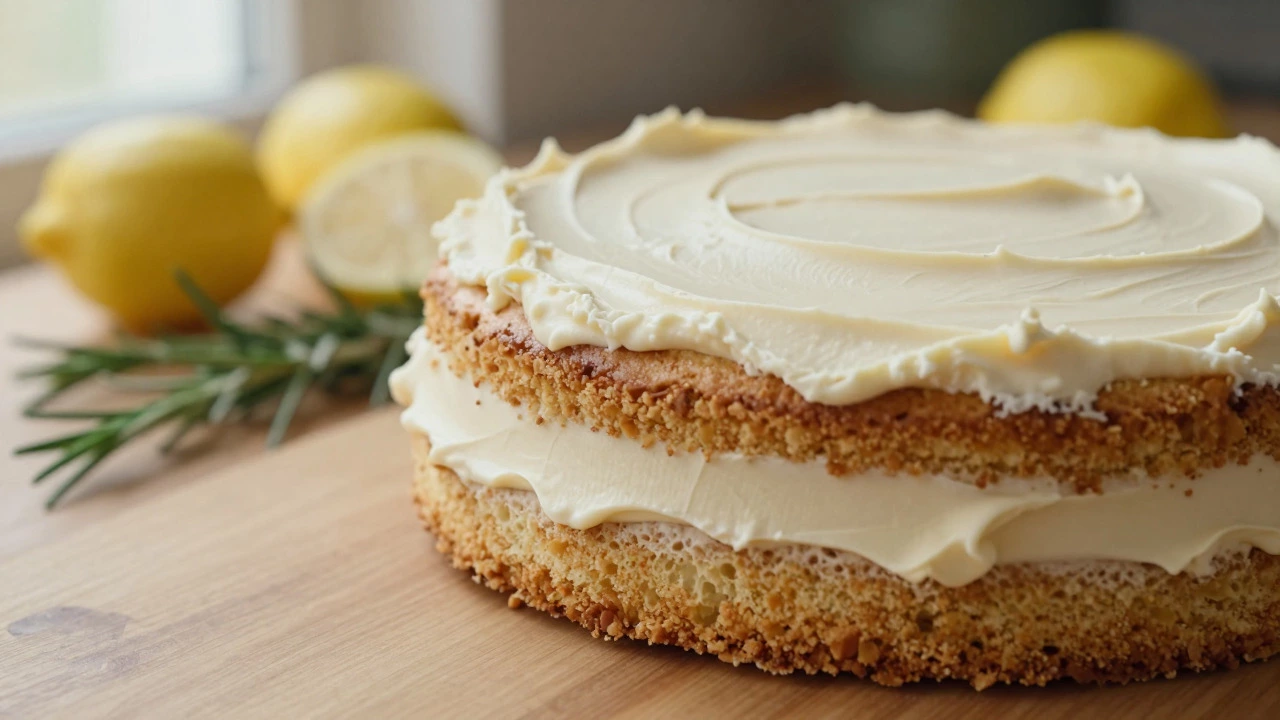
The biggest shift in 2024 is the rejection of the "perfectly smooth" finish. Instead, bakers are embracing a rustic aesthetic that highlights the texture of the sponge itself. Think crumb coats where the cake layer peeks through the frosting, or naked cakes that show off the natural layers without heavy coverage.
Rustic Minimalism is a baking style that prioritizes natural textures, exposed sponge layers, and simple, elegant decorations over intricate piping and fondant covers. This approach works because it feels achievable for home bakers. You don’t need a turntable or expensive smoothing tools; you just need a good offset spatula and a willingness to let the imperfections show.
Why does this work so well? It hides flaws. If your sponge collapsed slightly in the middle, a thick layer of buttercream would make it obvious. A thin crumb coat? No one notices. It also pairs beautifully with seasonal ingredients. In spring, a rustic carrot cake with cream cheese frosting looks fresh and vibrant. In winter, a dark chocolate layer cake with a dusting of cocoa powder feels cozy and indulgent.
Natural Flavors and Sustainable Ingredients
Taste is catching up to visuals. The flavor profile of 2024 is moving away from artificial extracts and towards real, whole-food ingredients. Vanilla bean paste is standard, but we’re seeing a surge in unique combinations that highlight local produce.
- Pistachio and Rose: A sophisticated twist on classic almond flavors, often used in macarons and small tortes.
- Lemon and Olive Oil: Lighter than traditional lemon drizzle, this combination offers a moist, dense crumb that tastes fresh rather than sugary.
- Spiced Apple and Cinnamon: Not just for autumn anymore, this warm flavor profile is being incorporated into year-round desserts, often paired with caramel or bourbon.
Sustainability is also driving ingredient choices. Bakers are reducing waste by using whole fruits for fillings instead of just juice. For example, instead of just adding orange zest to a cake, chefs are now roasting whole oranges and mashing them into curds for filling. This adds depth of flavor and reduces the amount of processed additives needed.
Visuals That Pop: Color and Texture
If you’re looking to make your cake stand out on social media, 2024 is all about contrast. We’re seeing bold color palettes mixed with unexpected textures. It’s not just about making things pink; it’s about creating visual tension.
| Style | Key Visual Feature | Difficulty Level | Best For |
|---|---|---|---|
| Rustic/Naked | Exposed sponge layers, crumb coat | Beginner | Birthdays, Weddings |
| Marbled Sponge | Two-tone batter swirls | Intermediate | Gifts, Special Occasions |
| Floral Torte | Fresh flowers, minimal icing | Advanced | Spring/Summer Events |
| Chocolate Fudge | Dense, moist crumb, ganache drip | Beginner | Everyday Treats |
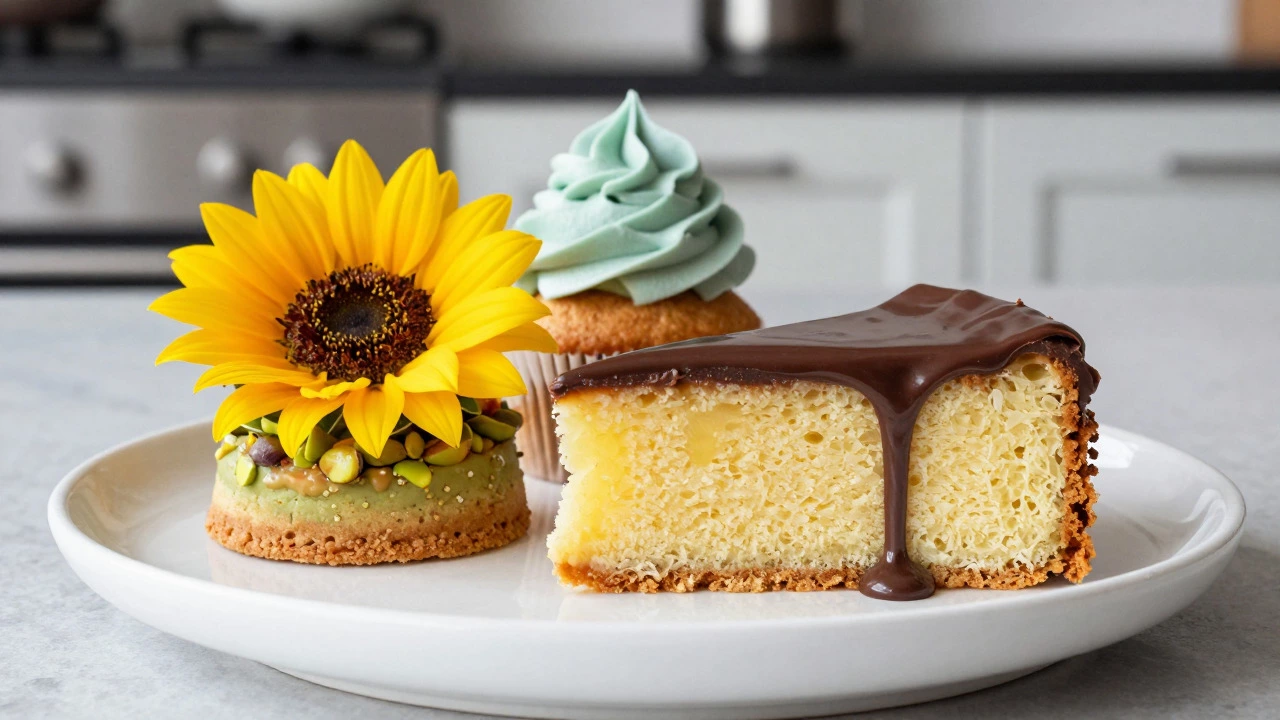
One standout trend is the use of edible flowers. But unlike the delicate, tiny petals of previous years, 2024 features larger, bolder blooms like sunflowers, dahlias, and even succulents (edible varieties, please!). These add height and drama without requiring complex piping skills. Just ensure the flowers are pesticide-free before placing them on the cake.
Another visual trick gaining traction is the "drip" effect. This involves pouring a warm ganache or glaze over the top of a frosted cake and letting it run down the sides. It creates a dynamic, liquid look that contrasts nicely with matte frosting. The key here is temperature control-if the ganache is too hot, it melts the frosting; if it’s too cold, it won’t flow. Aim for a glossy, syrupy consistency.
Adapting Trends for Home Bakers
You don’t need a commercial kitchen to pull off these trends. In fact, many of these styles are easier to execute at home because they require less precision than traditional Victorian-style cakes. Here’s how to start:
- Master the Base Sponge: Before worrying about decoration, focus on getting a reliable vanilla or chocolate sponge recipe. Use room-temperature eggs and precise measurements. A stable base makes every subsequent step easier.
- Invest in Basic Tools: An offset spatula, a serrated knife for leveling, and a few different-sized piping tips are all you really need. You don’t need a full set of Wilton tips; three or four versatile ones cover 90% of needs.
- Practice Textures: Try making a simple buttercream and experimenting with how it spreads. Does it look better piped or smoothed? Test it on a small tart first before committing to a full cake.
- Embrace Seasonality: Check what’s available at your local market. If strawberries are in season, make a strawberry shortcake. If lemons are cheap, go for a lemon olive oil cake. Fresh ingredients always taste better and cost less.
A common pitfall is trying to do too much. If you’re new to decorating, stick to one focal point. Maybe it’s the flowers, or maybe it’s the drip. Don’t try to combine intricate piping with fresh flowers and a marbled sponge in your first attempt. Keep it simple, and the result will look intentional rather than chaotic.
What About Gluten-Free and Vegan Options?
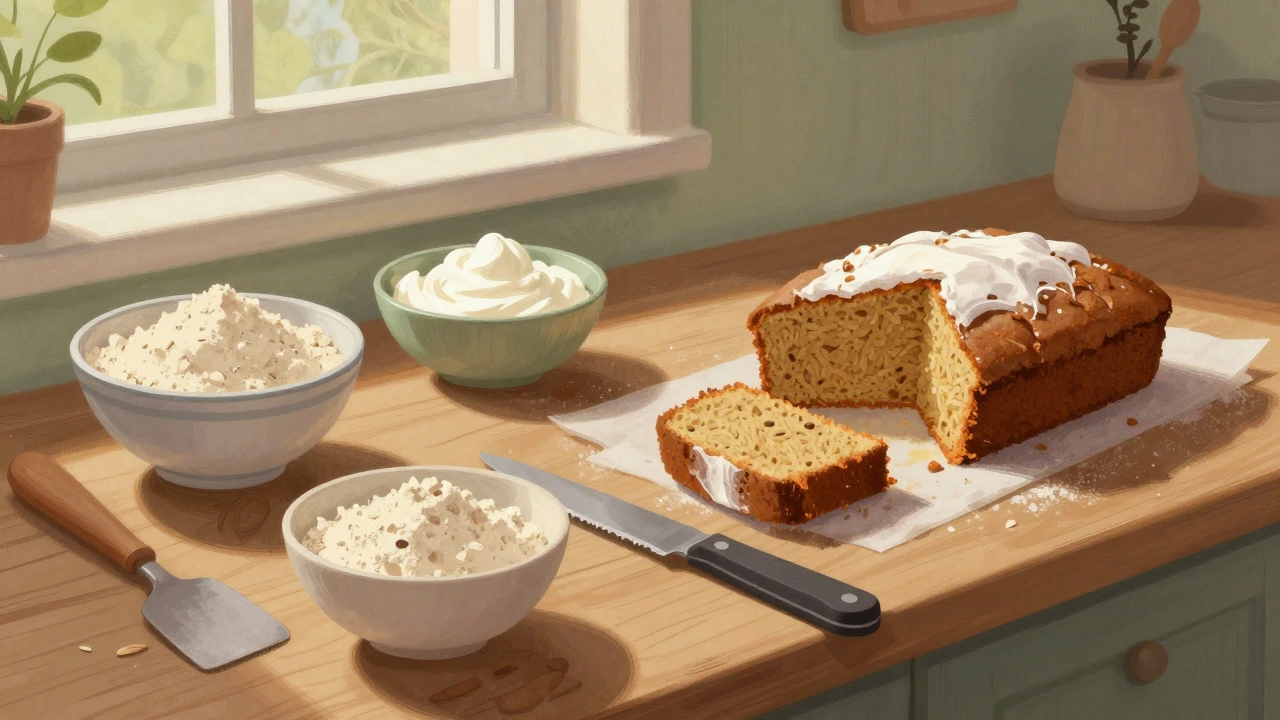
Inclusivity is a major part of the 2024 conversation. The good news is that most of these trends translate well to gluten-free and vegan baking. Almond flour and oat flour create sponges that hold their shape well, which is perfect for the rustic aesthetic. Coconut cream can be whipped into a stable frosting that mimics the texture of dairy-based buttercream.
However, there are some caveats. Gluten-free sponges tend to be denser and drier. To combat this, add extra moisture with ingredients like yogurt, applesauce, or sour cream. For vegan cakes, ensure your fat source (like coconut oil) is solid at room temperature to maintain structure. With the right adjustments, a vegan carrot cake can be just as moist and flavorful as its dairy-filled counterpart.
Frequently Asked Questions
Are fondant cakes still popular in 2024?
Fondant has declined significantly in popularity for casual events. It is still used for large-scale wedding cakes where durability and a flawless finish are required, but for birthdays and smaller gatherings, buttercream and ganache have largely replaced it due to their ease of use and natural appearance.
What is the easiest cake trend to try at home?
The rustic naked cake is the easiest. It requires only a basic sponge, a thin layer of frosting between layers, and a crumb coat on the outside. There is no need for smooth sides or complex piping, making it forgiving for beginners.
How long do fresh flower cakes last?
Cakes with fresh flowers should be consumed within 24 hours. The flowers release water as they wilt, which can soak into the frosting and affect the texture. Store the cake in the refrigerator until serving, then bring it to room temperature for 30 minutes before slicing.
Can I use store-bought cupcakes for these trends?
Yes, absolutely. Many trends like the drip effect, floral garnish, and rustic frosting application work perfectly on store-bought cupcakes. It’s a great way to practice techniques without the commitment of baking a full sheet cake.
What colors are trending for cake frosting?
Neutral tones like cream, beige, and soft gray are very popular for the base. Accent colors include terracotta, sage green, and dusty blue. Bright neon colors have faded in favor of these muted, earthy palettes that complement natural textures.