
Butter & Spread Safety Analyzer
Select the characteristics of the product you are evaluating.
Here is the short answer that saves you time: plain, real butter is naturally gluten-free. If you are standing in the dairy aisle wondering if that stick of salted butter will trigger a reaction, you can usually breathe easy. However, the world of processed foods is tricky. While pure dairy fat doesn't contain wheat, barley, or rye, manufacturers sometimes add ingredients that do. Or worse, they process it on shared equipment with flour-based products.
If you have celiac disease or non-celiac gluten sensitivity, assuming all butter is safe is a risky move. You need to know what to look for on the label and which brands actually care about cross-contamination. Let’s break down why some butters are safe, why others aren’t, and how to cook without fear.
The Science Behind Pure Butter and Gluten
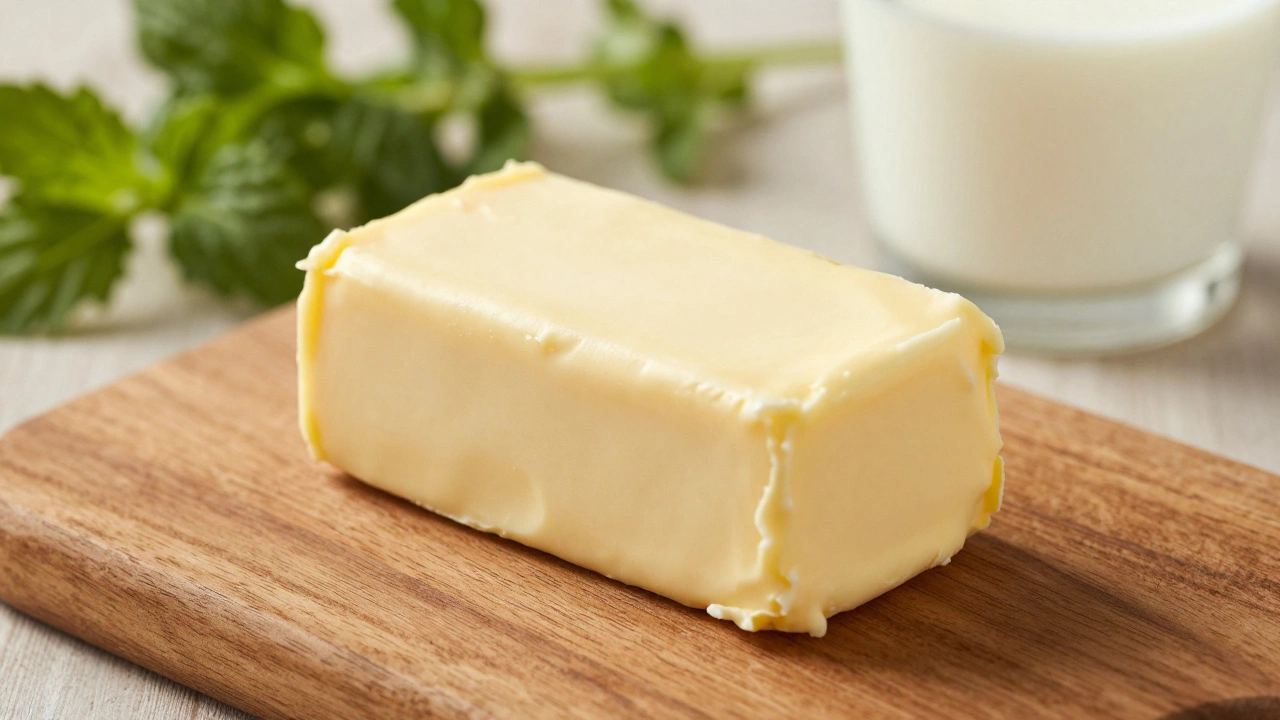
To understand why butter is generally safe, we have to look at what it actually is. Butter is made by churning cream until the fat separates from the buttermilk. Cream comes from milk. Milk comes from cows. Nowhere in this biological chain does wheat appear. Gluten is a protein found specifically in certain grains-primarily wheat, barley, and rye. Since dairy animals don’t eat gluten as their primary food source (and even if they did, the protein breaks down during digestion and doesn’t transfer into the milk fat in a way that remains intact), pure butter contains zero gluten molecules.
This makes standard unsalted or salted butter a staple in any gluten-free kitchen. It’s used for everything from searing steaks to making classic French sauces like béarnaise. For someone managing celiac disease, knowing that the base ingredient is safe is half the battle. But nature isn’t the only factor here; industrial processing is where things get complicated.
Is natural butter safe for celiacs?
Yes, pure butter made only from cream and salt is naturally gluten-free and safe for those with celiac disease, provided it hasn't been cross-contaminated during processing.
Where the Hidden Gluten Sneaks In
So if butter is just churned cream, why do people ask if it’s gluten-free? The problem arises when companies start adding things. This is especially true with "spreadable" butters, margarines, and flavored varieties. These products often include stabilizers, emulsifiers, or flavorings that might be derived from gluten-containing grains.
Consider a garlic herb butter. Sounds delicious, right? But if the manufacturer uses malt vinegar (made from barley) in the seasoning blend, or if they use wheat-derived yeast extract, that butter is no longer gluten-free. Even more subtle is the issue of modified food starch. Sometimes labeled simply as "starch," this ingredient can come from corn (safe) or wheat (unsafe). If the label doesn’t specify the source, you have to assume it could be wheat.
Then there is the issue of cross-contact. Many large dairy facilities process both cheese spreads and crackers or breads. If the same machinery is used to package butter and then wheat-based snacks without rigorous cleaning protocols, trace amounts of gluten can end up in your tub. For most people, this isn’t an issue. For someone with celiac disease, even a few parts per million of gluten can cause intestinal damage.
Butter vs. Margarine: A Critical Distinction
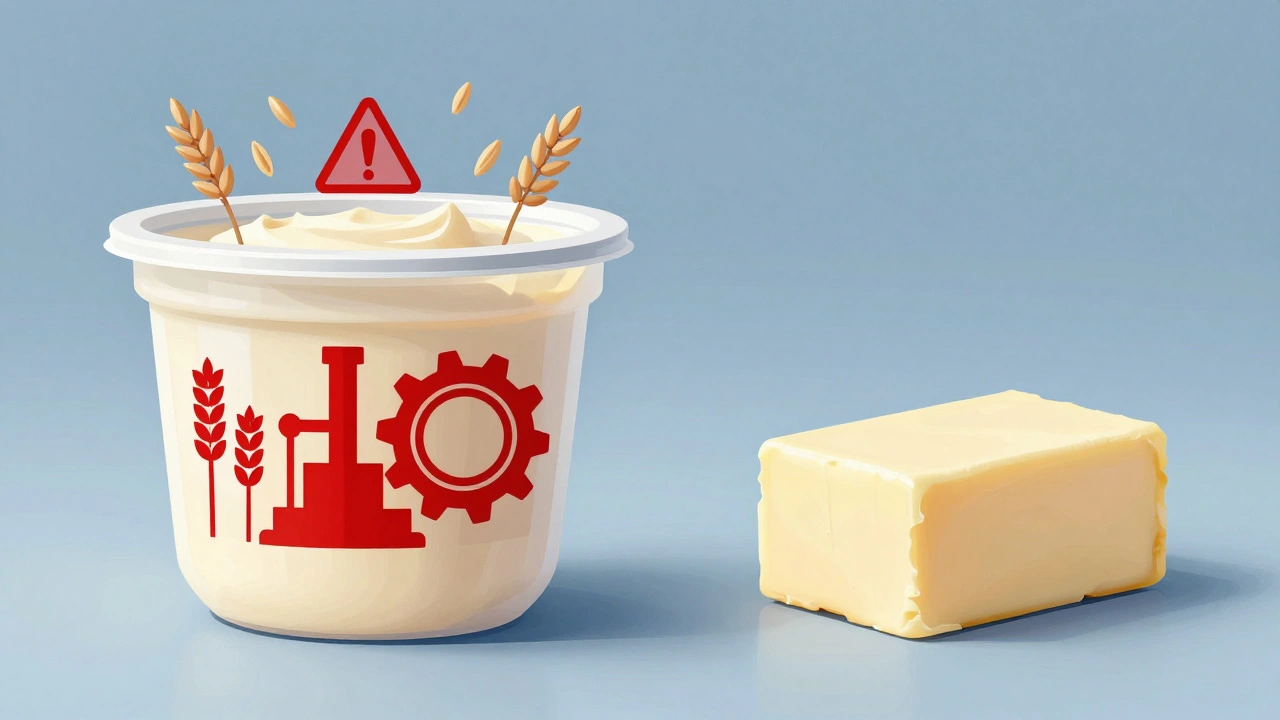
You might see tubs labeled "buttery spread" next to the real butter. Do not treat these as interchangeable if you are avoiding gluten. Real butter is a dairy product. Margarine and many spreads are oil-based products designed to mimic butter. Because they are engineered from scratch, they require more additives to achieve the right texture and melting point.
These additives are where gluten hides. Common culprits include:
- Malt Flavoring: Often derived from barley, this adds a savory depth but introduces gluten.
- Wheat Starch: Used as a thickener in some softer spreads.
- Hydrolyzed Wheat Protein: Sometimes used for umami flavor enhancement.
Always check the ingredient list on margarine. If it says "may contain wheat" or lists "malt," put it back. Real butter, by contrast, rarely needs these complex additives unless it’s a specific flavored variety.
| Product Type | Typical Ingredients | Gluten Risk Level | Action Required |
|---|---|---|---|
| Stick Butter (Salted/Unsalted) | Cream, Salt, Vitamin A | Very Low | Check for facility warnings |
| Flavored Butter (Garlic/Herb) | Cream, Herbs, Spices, Acids | Medium | Verify spice sources and acids |
| Margarine / Spread | Oils, Water, Emulsifiers, Starches | High | Read every ingredient carefully |
| Ghee (Clarified Butter) | Butterfat, Water traces | Low | Ensure no flour was used to clarify |
How to Read Labels Like a Pro
Reading labels is your best defense. You don’t need to be a chemist, but you do need to know what words to hunt for. Start with the allergen statement. In many countries, including the US and UK, wheat must be declared explicitly in the allergen section. If you see "Contains: Wheat," you’re done. That product is out.
However, the allergen statement only covers major allergens. Barley and rye are less consistently highlighted depending on local regulations, though they are major gluten sources. Look at the ingredient list for these red flags:
- Malt (unless specified as rice malt)
- Barley
- Rye
- Triticale
- Wheat bran
- Modified food starch (if source isn’t listed)
Also, watch out for advisory statements like "Processed in a facility that also handles wheat." This doesn’t mean the product *contains* gluten, but it means there’s a risk of cross-contact. For celiacs, this is a personal choice based on your sensitivity level. Some can handle trace exposure; others cannot. Brands that specialize in gluten-free products often go further, testing their final products to ensure they meet the FDA standard of less than 20 parts per million (ppm) of gluten.
Safe Brands and Certified Options
If reading labels feels exhausting, switching to certified gluten-free brands can save you mental energy. Certification means a third party has audited the manufacturing process and tested the product. Look for logos from organizations like the Gluten-Free Certification Organization (GFCO) or Coeliac UK.
Many mainstream dairy brands now offer dedicated gluten-free lines. For example, some major producers make sure their basic salted and unsalted butters are produced in isolated environments. When in doubt, call the company. Customer service teams are often surprisingly helpful and can tell you exactly where their supply chain stands regarding gluten contamination. Don’t be afraid to ask. Your health is worth the phone call.
In the UK, brands like Lurpak and Anchor generally state their plain butters are gluten-free, but always double-check the packaging as formulations change. In the US, Kerrygold and Land O'Lakes are popular choices that typically maintain strict separation protocols, though again, verification is key.

Cooking Tips for the Gluten-Free Kitchen
Once you’ve secured your safe butter, how do you use it without introducing gluten elsewhere? Cross-contamination in your own kitchen is just as dangerous as contaminated products. Here are a few practical tips:
- Use Dedicated Utensils: Keep a separate knife for spreading butter. If you use the same knife to cut wheat bread and then spread butter, you’ve just contaminated your entire stick. Dedicate one knife solely to gluten-free spreads.
- Clean Surfaces Thoroughly: Before melting butter in a pan, wipe down the stovetop and the pan itself. Flour dust settles everywhere. A quick wipe with a damp cloth ensures no stray particles fall into your hot fat.
- Beware of Pantry Dust: Store your butter away from open boxes of flour or breadcrumbs. Gravity and air currents can carry fine particles into uncovered containers.
When baking, remember that butter behaves differently without gluten. Gluten provides structure in baked goods. Without it, you rely on fats like butter for tenderness and moisture. Using high-quality, cold butter in pastry helps create flaky layers because the water in the butter turns to steam, lifting the dough. This technique works beautifully in gluten-free baking, whether you’re using almond flour, rice flour, or a commercial GF blend.
Frequently Asked Questions
Is ghee gluten-free?
Yes, traditional ghee is gluten-free. It is clarified butter where the milk solids have been removed. However, some commercial brands may add flour during the clarification process to prevent burning. Always check the label or buy from a brand that certifies its ghee as gluten-free.
Can I use margarine instead of butter for gluten-free cooking?
You can, but only if the margarine is certified gluten-free. Many margarines contain wheat-based ingredients or are processed on shared equipment. Real butter is generally safer and simpler to verify.
Why does my butter taste different when I switch to gluten-free brands?
The taste difference usually comes from the feed the cows eat or the churning process, not gluten content. Some grass-fed butters have a richer, tangier flavor compared to grain-fed counterparts. Neither contains gluten, but the flavor profile varies significantly.
Is whipped butter gluten-free?
Whipped butter often contains nitrous oxide for whipping and sometimes additional oils or emulsifiers to maintain texture. Check the ingredient list for hidden gluten sources like malt flavoring or wheat starch. Plain whipped butter is usually safe, but flavored versions require caution.
Do I need to worry about cross-contamination with butter at restaurants?
Yes. Restaurants often use the same butter tubs for basting chicken and sautéing vegetables. Ask if they use dedicated butter portions or if the butter is stored in a sealed container that hasn't been exposed to flour-dusted surfaces.