
Vegan Bakery: Easy Plant-Based Baking Tips and Recipes
When you think of a vegan bakery, a place that makes breads, cakes, and pastries without any animal products like eggs, milk, or butter. Also known as plant-based bakery, it’s not about what’s missing—it’s about what’s swapped in to make something just as rich, tender, and satisfying. You don’t need dairy to get that melt-in-your-mouth cookie. You don’t need eggs to make a cake rise. People have been doing this for decades, using ingredients like flaxseed, aquafaba, plant milks, and coconut oil to build flavor and texture from the ground up.
A vegan bakery, a place that makes breads, cakes, and pastries without any animal products like eggs, milk, or butter. Also known as plant-based bakery, it’s not about what’s missing—it’s about what’s swapped in to make something just as rich, tender, and satisfying. You don’t need dairy to get that melt-in-your-mouth cookie. You don’t need eggs to make a cake rise. People have been doing this for decades, using ingredients like flaxseed, aquafaba, plant milks, and coconut oil to build flavor and texture from the ground up.
What makes a vegan bakery different isn’t the absence of animal products—it’s the creativity behind replacing them. Flaxseed meal mixed with water becomes an egg replacer that binds dough and adds a nutty depth. Aquafaba, the liquid from a can of chickpeas, whips up like egg whites and holds air in meringues and macarons. Oat milk and almond milk don’t just substitute for cow’s milk—they bring their own subtle sweetness and creaminess. And when you bake with coconut oil instead of butter, you’re not just avoiding dairy—you’re adding a hint of tropical warmth that works wonders in cookies and scones.
It’s not magic. It’s science. And it’s practical. You don’t need fancy equipment or hard-to-find ingredients. Most of what you need is already in your pantry. The key is knowing what works and what doesn’t. For example, applesauce adds moisture but won’t give structure—so pair it with a little extra baking powder. Nutritional yeast adds a cheesy note to savory breads. Cashew cream can replace whipped cream on a berry tart. These aren’t tricks—they’re tools.
And it’s not just about health or ethics. People bake vegan because it tastes better. The best vegan brownies are fudgy because they’re loaded with cocoa and a touch of espresso. The fluffiest vegan banana bread comes from overripe bananas and a splash of vinegar to activate the baking soda. The crispiest vegan shortbread uses cold coconut oil and a pinch of sea salt. These aren’t compromises. They’re upgrades.
Behind every great vegan bakery is a kitchen that’s learned to listen—to the way dough feels, to how batter thickens, to how the oven smells when it’s just right. It’s not about following a recipe blindly. It’s about understanding how ingredients behave. That’s what you’ll find in the posts below: real, tested methods from home bakers and professionals who’ve cracked the code. No gimmicks. No fluff. Just clear, step-by-step ways to make bread that rises, cookies that spread just right, and cakes that don’t fall apart. Whether you’re new to plant-based baking or you’ve been doing it for years, there’s something here that’ll make your next batch better than the last.
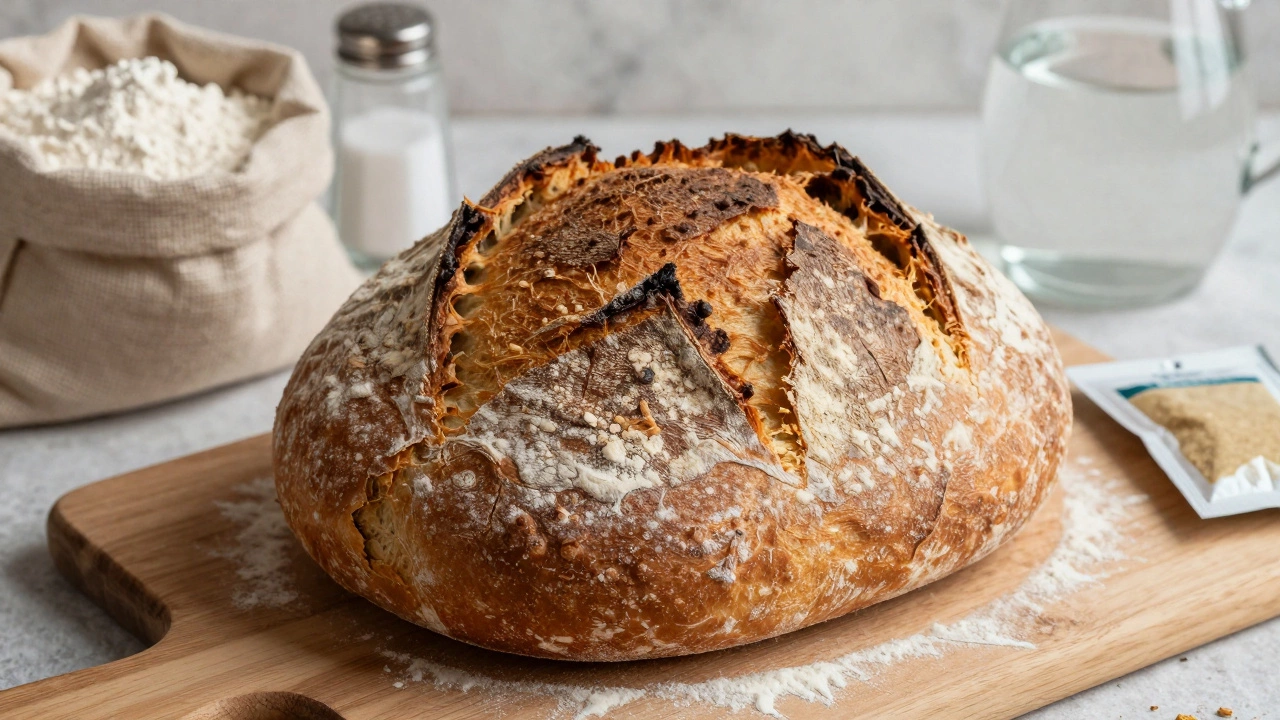
What Bread Is Vegan? A Simple Guide to Plant-Based Breads
Not all bread is vegan-many contain honey, milk, or eggs. Learn which types are naturally plant-based, which brands to trust, and how to read labels to avoid hidden animal ingredients.
More Detail